
 Save
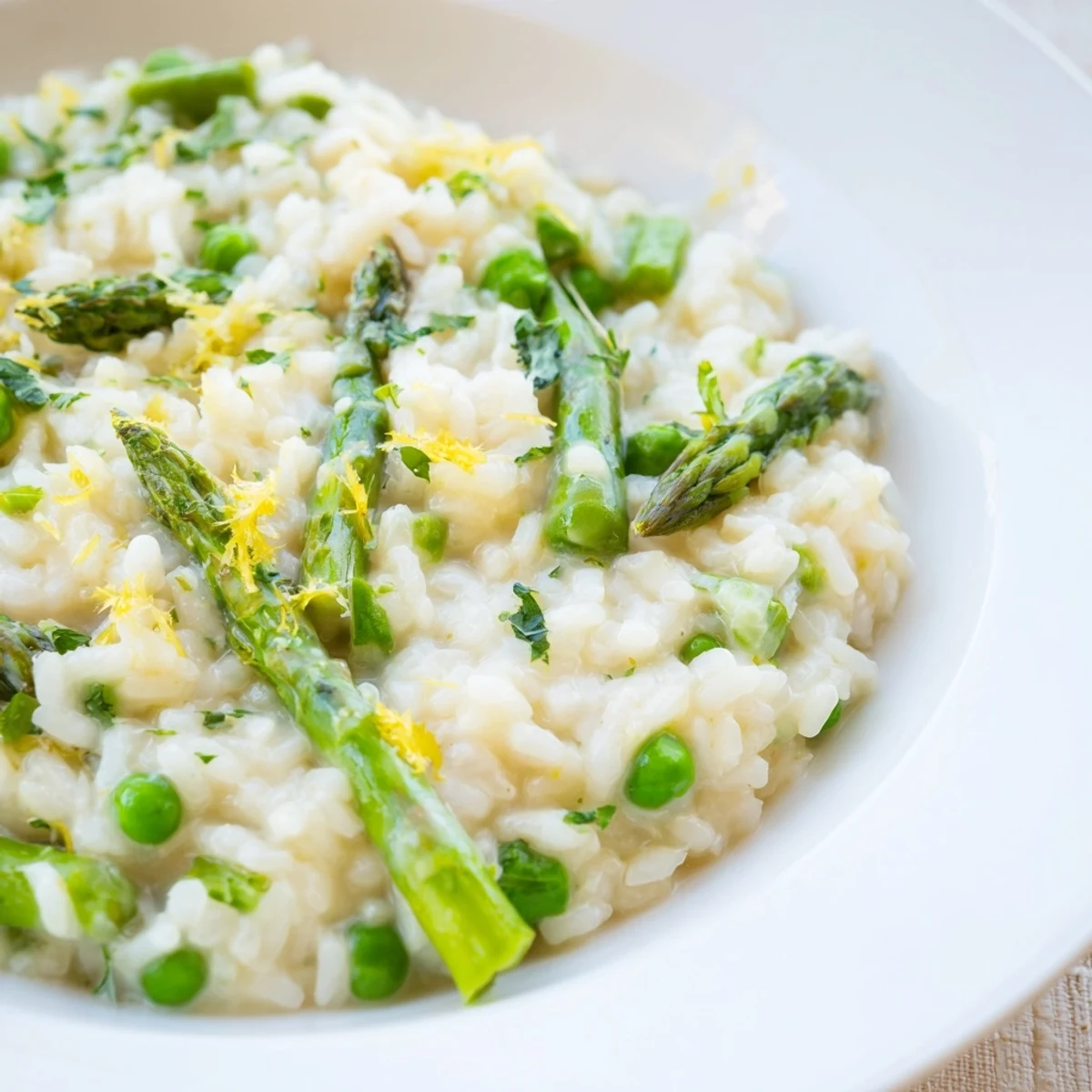
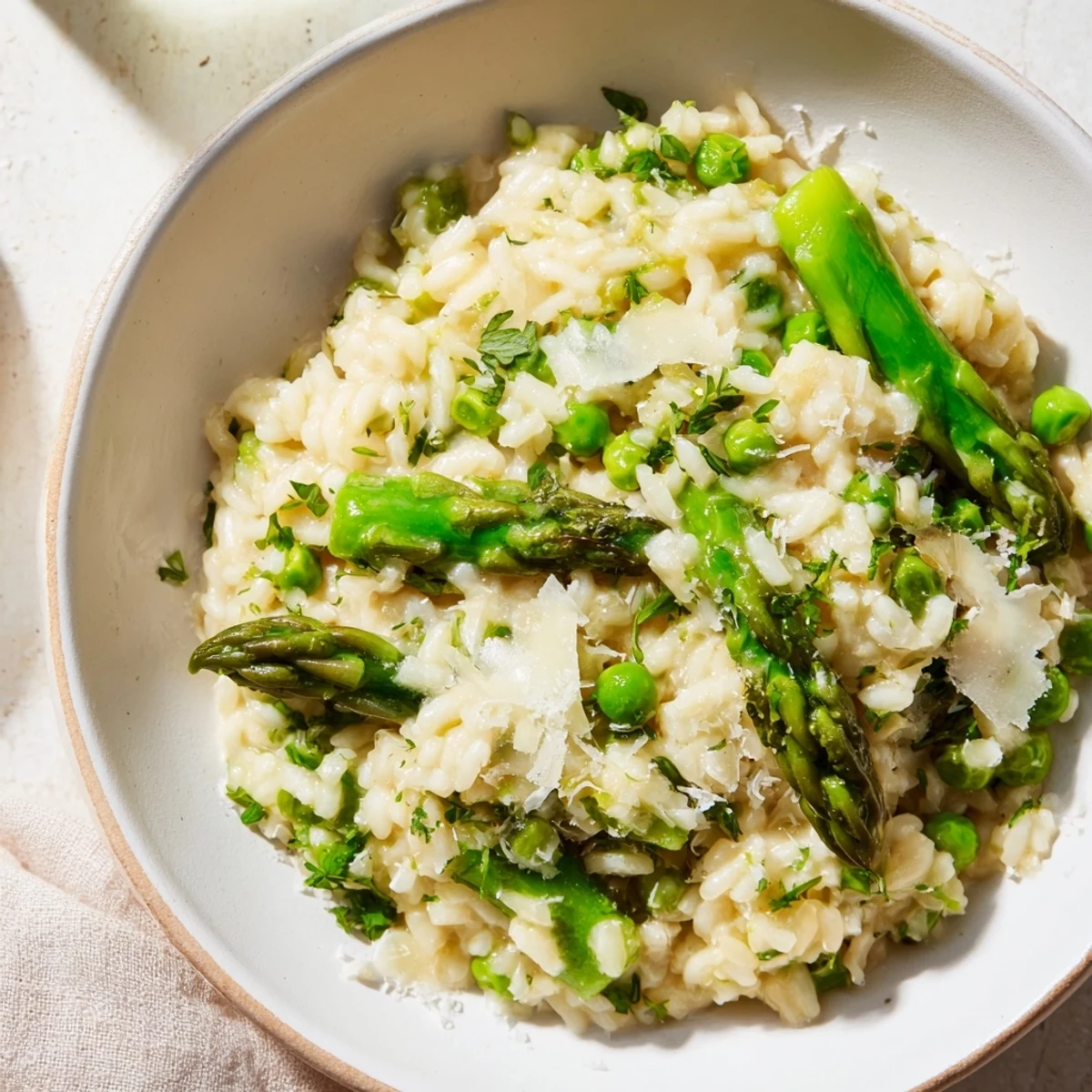
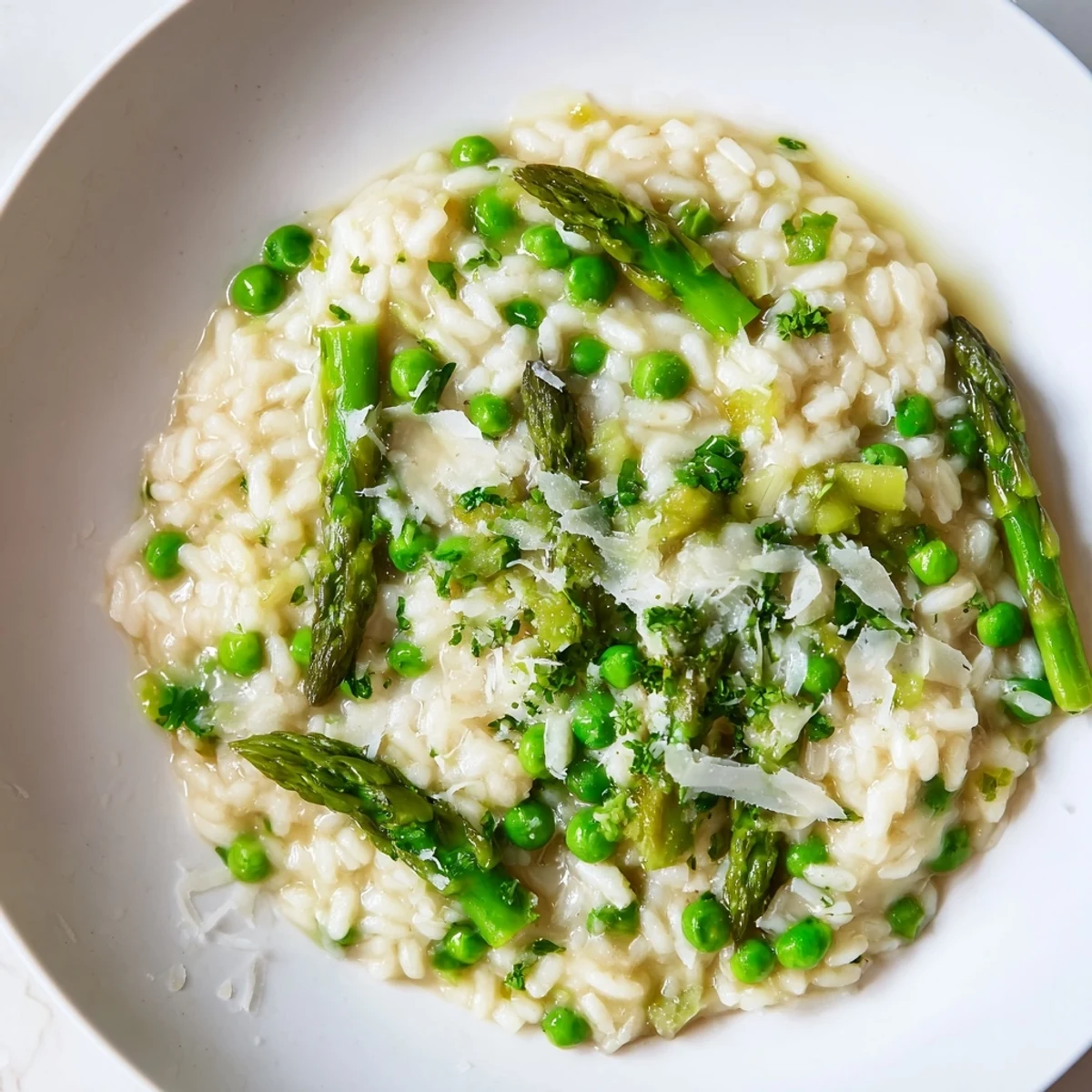
Save This creamy dish highlights tender spring peas and asparagus paired with Arborio rice simmered in vegetable broth and white wine. Fresh parsley, lemon zest, and Parmesan add brightness and richness. The risotto requires patient stirring to achieve a luscious, al dente texture, finished with butter for smoothness. Ideal as a main or side, it celebrates vibrant spring flavors with a delicate balance of freshness and creaminess in every bite.
The first time I made risotto properly was during a rainy April weekend when I couldn't decide between comfort and something fresh. I'd always been intimidated by the constant stirring, but standing at the stove watching the rice transform was unexpectedly meditative. The kitchen filled with that incredible aroma of toasting rice and white wine, making the whole house feel warm despite the gray weather outside. When I finally took that first bite, I understood why people bother with the process.
Last spring I served this at a small dinner party when my friend Sarah announced she was moving away. We lingered over bowls of risotto for hours, the conversation flowing as easily as the wine. She still messages me asking for the recipe, claiming nothing else quite hits the same spot. Food has a way of marking moments like that.
Ingredients
- Arborio rice: The high starch content is what creates that signature creamy texture we're after
- Asparagus and spring peas: Look for bright green spears and sweet peas, they're the stars of the show here
- White wine: A dry Sauvignon Blanc or Pinot Grigio adds brightness and depth
- Vegetable broth: Keep it warm in a separate pot, adding cold broth shocks the rice and ruins the texture
- Parmesan cheese: Freshly grated makes all the difference for melting into that perfect finish
- Lemon zest: This little detail cuts through the richness and makes everything taste alive
Instructions
- Get your broth warm:
- Pour the vegetable broth into a saucepan and bring it to a gentle simmer, then turn the heat to low and keep it warm while you cook
- Build your flavor base:
- Heat the olive oil in your heavy-bottomed pan over medium heat, cook the onion until soft and translucent, then add the garlic for just one minute until fragrant
- Toast the rice:
- Stir in the Arborio rice and cook for about 2 minutes, you'll notice the grains becoming slightly translucent at the edges and smelling wonderfully nutty
- Add the wine:
- Pour in the white wine and stir constantly until it's almost completely absorbed, the smell will be incredible
- The slow transformation:
- Add the warm broth one ladle at a time, stirring frequently and waiting until each addition is absorbed before adding more, about 18 to 20 minutes total
- Prep the vegetables:
- While the rice cooks, steam the asparagus pieces for 2 to 3 minutes until bright green and just tender, adding the peas for the final minute
- Bring it together:
- When the rice is creamy and al dente, stir in the vegetables, lemon zest, and parsley, cook for 2 more minutes to meld flavors
- The luxurious finish:
- Remove from heat and vigorously stir in the butter and Parmesan until melted and glossy, season generously with salt and pepper
 Save
Save My grandmother would say that cooking risotto teaches you patience, something I definitely needed to learn in the kitchen. There's something satisfying about a dish that demands your full attention for a while, no phone scrolling allowed. It forces you to be present.
Choosing Your Vegetables
I've learned that the thinner the asparagus spears, the faster they cook and the more tender they become. Thick spears can work too but might need an extra minute of blanching time. For the peas, fresh ones are ideal but frozen work beautifully if you can't find them in season.
Wine Selection
The wine you use matters more than you might think since it reduces down and concentrates in flavor. I always grab something I'd actually drink, and I've found that crisp acidic whites balance the richness better than oaky options. Leftover wine from the bottle works perfectly.
Make Ahead Strategy
You can blanch the vegetables up to a day in advance and store them in the refrigerator, which makes the actual cooking feel much less rushed. The risotto itself is best served immediately though, as it continues to absorb liquid and loses that perfect creamy texture as it sits. Plan to serve it straight from the stove.
- Have all your ingredients prepped before you start cooking, risotto waits for no one
- A warm bowl makes a difference, I run mine under hot water while finishing the risotto
- Leftovers reheat surprisingly well with a splash of broth and a gentle warm on the stove
 Save
Save There's something about the ritual of making risotto that feels like self care, a reminder that good things take time. I hope this recipe finds its way into your regular rotation.
Recipe Questions & Answers
- → How do I cook the asparagus and peas for this dish?
-
Steam or blanch the asparagus for 2-3 minutes until tender and bright green, then add peas for the last minute. Drain and set aside before combining with the rice.
- → What type of rice is best for this preparation?
-
Arborio rice is ideal because it releases starch gradually, creating a creamy texture while maintaining a slight firmness.
- → Can I substitute Parmesan with another cheese?
-
Pecorino Romano can be used for a stronger and saltier flavor, while vegan versions can omit cheese or use plant-based alternatives.
- → How should the broth be added during cooking?
-
Add warm vegetable broth one ladle at a time, stirring frequently and allowing each portion to absorb fully before adding more to ensure creaminess and proper texture.
- → What wine pairs well with this dish?
-
Light white wines like Sauvignon Blanc or Pinot Grigio complement the fresh flavors of the peas and asparagus.