
 Save
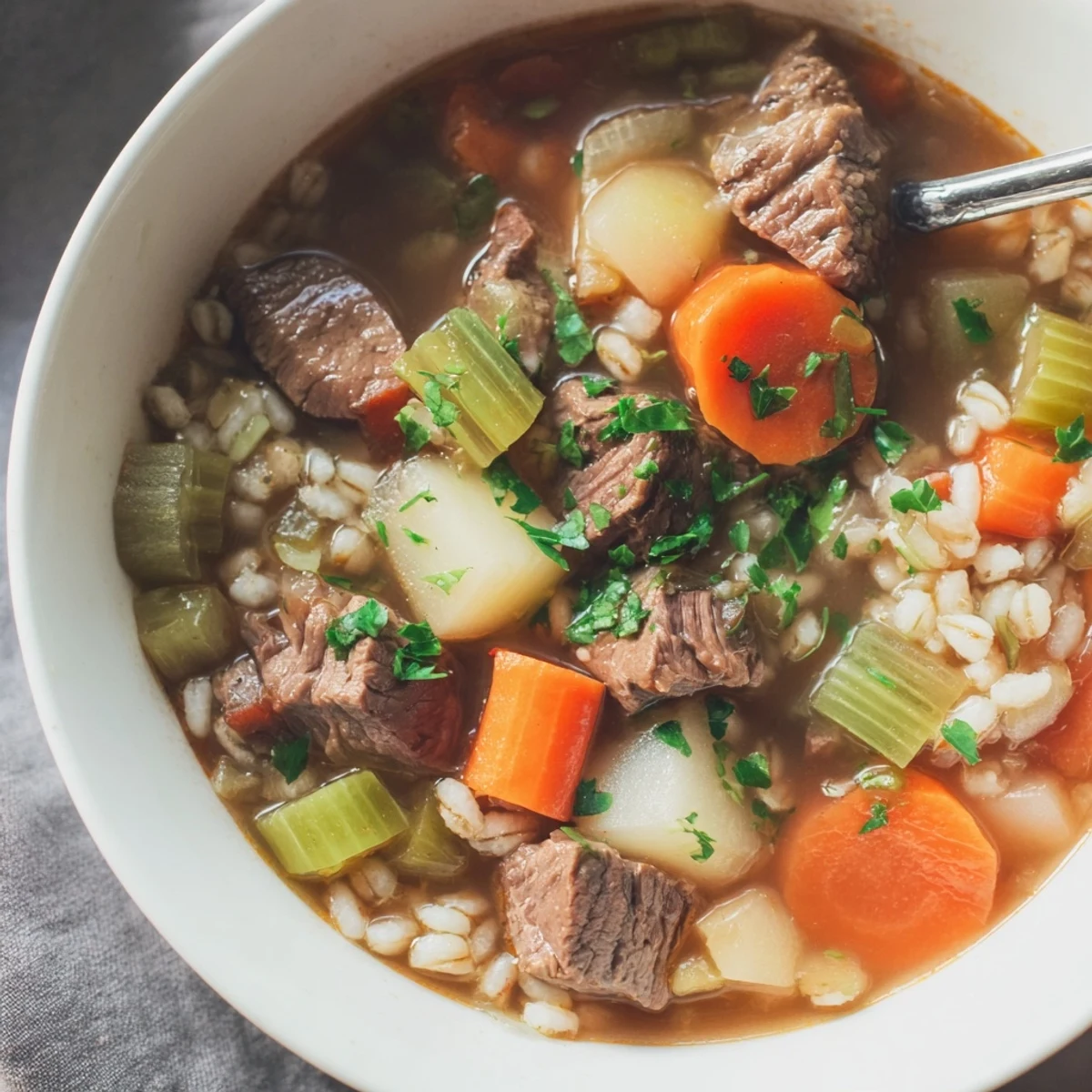
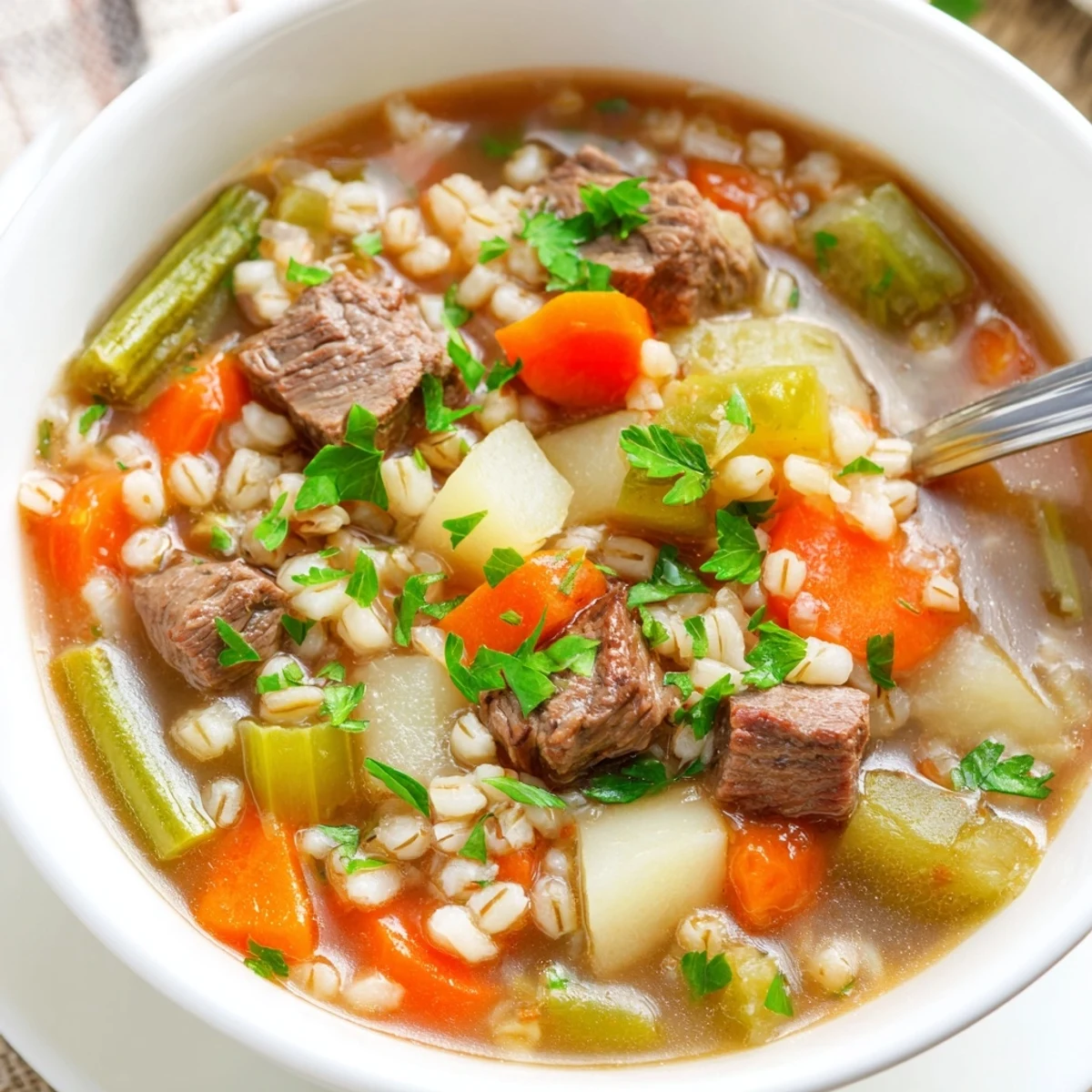
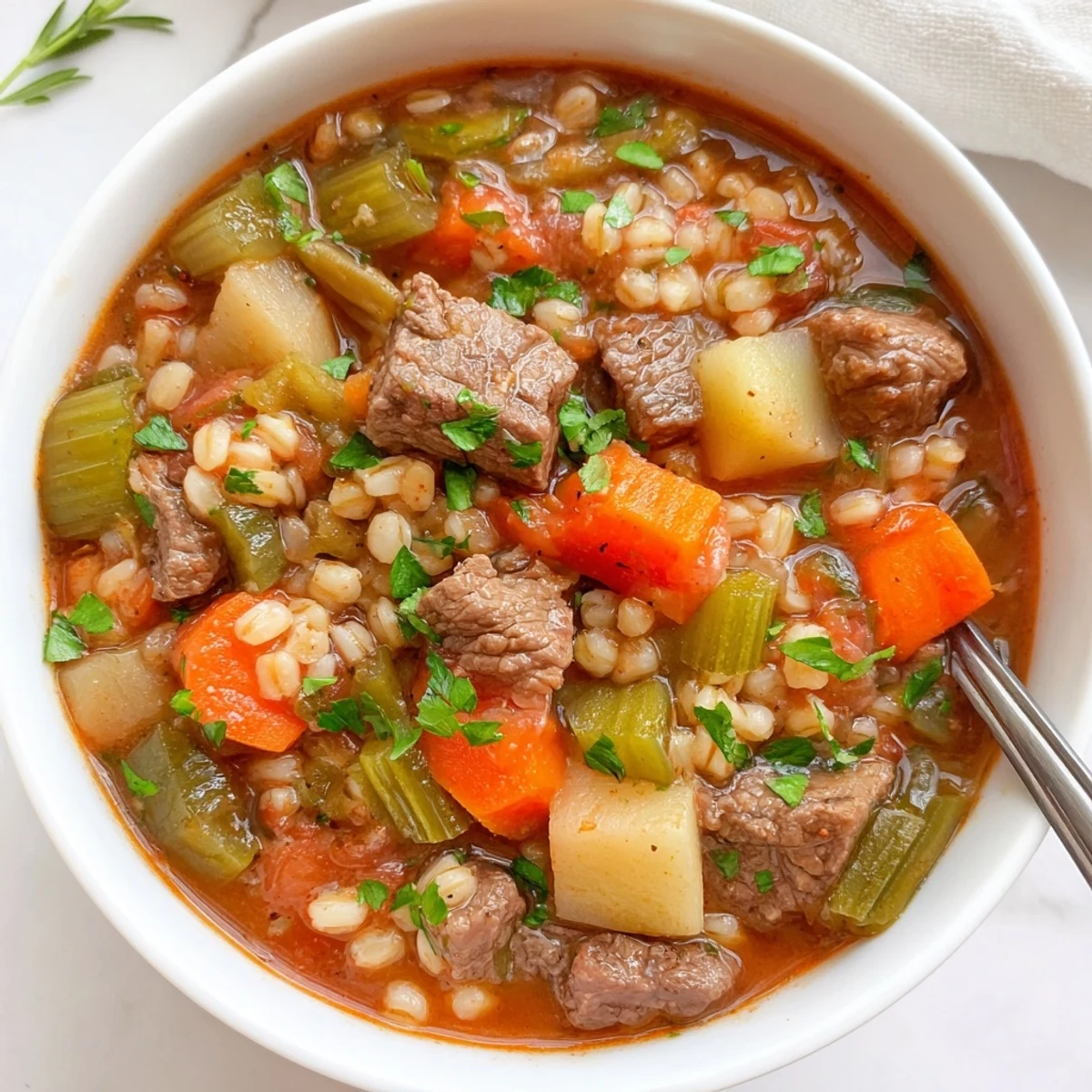
Save This hearty dish combines tender cubes of beef with pearl barley and a vibrant mix of vegetables including carrots, celery, potatoes, and green beans. Slowly simmered in a seasoned broth infused with thyme, rosemary, and garlic, it delivers rich, comforting flavors ideal for cooler days. Garnished with fresh parsley, it provides a nutritious and filling meal that balances wholesome grains with savory meat and garden-fresh ingredients.
There's something about a pot of beef and barley stew simmering on the stove that makes a house feel like a home. Years ago, a friend brought this exact dish to my door on a gray October afternoon, and the moment I lifted the lid, I understood why it had stayed in her rotation for decades. The smell alone—earthy barley, tender beef, herbs—was enough to slow everything down. I've been making it ever since, and it never fails to deliver that same quiet comfort.
I made this stew for the first time when my partner was recovering from surgery and couldn't face takeout menus. Watching them actually finish a bowl—twice—reminded me that sometimes the most healing thing you can do is fill a kitchen with warmth and good smells. That particular batch had extra herbs because I was nervous about the flavor, and honestly, it worked out beautifully.
Ingredients
- Beef chuck, cut into 1-inch cubes (1.5 lbs): Chuck is the workhorse of stew beef—it has enough fat and connective tissue to become meltingly tender during the long simmer, and cheaper cuts actually taste better here than expensive ones.
- Olive oil (1 tbsp): Just enough to get a good sear on the meat without making the stew greasy.
- Carrots, peeled and sliced (2 medium): They sweeten as they cook and add natural body to the broth.
- Celery stalks, diced (2): A quiet backbone of flavor that makes the whole thing taste more rounded.
- Onion, chopped (1 large): The aromatics are where the magic starts, and onion carries everything forward.
- Garlic, minced (2 cloves): A minute in the hot pot is all it needs to bloom without burning.
- Potato, peeled and diced (1 large): It softens into the broth and helps thicken things naturally without any tricks.
- Green beans, cut into 1-inch pieces (1 cup): They stay slightly snappy and brighten the whole pot.
- Diced tomatoes with juices (1 can, 14 oz): The acidity wakes everything up and balances the richness of the beef.
- Pearl barley, rinsed (2/3 cup): Rinsing removes the starch that makes it gummy—this step matters more than you'd think.
- Beef broth (6 cups): Use the good stuff if you can; it's the foundation of the entire stew.
- Water (1 cup): It extends the broth without diluting the flavor, and gives the barley space to expand.
- Tomato paste (2 tbsp): This concentrates and deepens everything, but resist the urge to add more—too much becomes one-note.
- Bay leaf (1): Adds a subtle woodsy note that rounds out the herbs.
- Dried thyme and rosemary (1 tsp each): Both are forgiving herbs that only improve with long cooking.
- Black pepper and salt (1/2 tsp and 1 tsp): Start conservative and taste as you go—you can always add more.
- Fresh parsley, chopped (2 tbsp for garnish): A final brightness that makes it feel less like everyday food and more like something you actually put thought into.
Instructions
- Heat and sear the beef:
- Pour the oil into your Dutch oven and turn the heat to medium-high until it shimmers. Working in batches to avoid crowding, lay the beef cubes in and don't move them for a couple of minutes—you want a golden crust on each side, not gray meat. It'll smell incredible and look even better.
- Build the aromatic base:
- Once the beef is out, lower the heat slightly and add onion, carrots, and celery to the same pot. Let them soften for about five minutes, stirring occasionally, then add the garlic and cook just until fragrant—maybe thirty seconds. This is where the stew starts developing its personality.
- Layer in the liquids and seasonings:
- Return the beef to the pot and pour in everything else except the barley, potatoes, and green beans: the canned tomatoes, tomato paste, beef broth, water, herbs, bay leaf, salt, and pepper. Stir until it comes together, then bring it to a boil. Once it's bubbling, lower the heat to the gentlest simmer and cover it.
- Let it simmer gently:
- Leave it alone for an hour—this is when the beef becomes tender and the flavors start to meld. You'll hear the occasional quiet bubble and smell everything deepening. Resist opening the lid constantly; the heat needs to stay steady.
- Add the vegetables and barley:
- After an hour, stir in the barley, potatoes, and green beans. Cover again and let it simmer for another forty-five minutes to an hour, until the beef falls apart when you press it and the barley is soft but still has a tiny bit of chew. Taste it; you're almost there.
- Final season and serve:
- Fish out the bay leaf, then taste and adjust for salt and pepper—this is important because flavors settle differently once everything is cooked. Ladle it into bowls and finish with a small handful of fresh parsley on top.
 Save
Save I remember my grandmother serving this exact stew on a Sunday when my whole family showed up unannounced. She barely flinched, just ladled it out with the kind of confidence that comes from knowing your own kitchen completely. That taught me more about cooking than any class ever could—it's about being ready to feed people without fuss.
Why This Stew Works in Every Season
In winter, it's everything you need: deep, warming, and substantial enough for a full meal. In spring and early fall, lighten it by adding extra green beans or fresh herbs at the end. The barley is the real star here because it doesn't get mushy or overwhelming; it stays grounded and lets every other ingredient shine.
A Note on Barley
Pearl barley is the friend of stew makers everywhere. It has a gentle chew, soaks up flavor without dissolving, and adds a subtle sweetness that plays beautifully against the savory beef and herbs. If you've only ever had barley soup, this will feel like discovering it for the first time—the texture and taste are completely different when it's nestled in a rich broth.
Serving and Storage
Serve this with the crusty bread to soak up every last drop, and don't apologize for going back for seconds. It keeps in the refrigerator for up to five days and freezes beautifully for up to three months, which means a single afternoon of cooking can set you up for weeknight dinners down the road.
- If you're freezing it, leave the parsley off until you reheat and serve.
- Reheat gently on the stovetop with a splash of water if needed—never a microwave.
- This stew actually tastes best when made fresh and eaten within the first couple of days, so plan accordingly.
 Save
Save This is the kind of stew that turns a regular day into something worth remembering. Serve it warm, with people you actually want to sit with.
Recipe Questions & Answers
- → What cut of beef works best for this stew?
-
Beef chuck is ideal due to its marbling and texture, which becomes tender and flavorful when slow-cooked.
- → Can I substitute barley for another grain?
-
Yes, pearl barley can be replaced with farro or brown rice, keeping in mind cooking times may vary.
- → How do the herbs enhance the flavor?
-
Thyme and rosemary add earthy, aromatic notes that complement the richness of the beef and vegetables.
- → Is it necessary to brown the beef first?
-
Browning the beef helps develop deeper flavor through caramelization and seals in the juices.
- → Can this dish be made vegetarian?
-
Yes, by substituting beef with mushrooms and using vegetable broth, it becomes a hearty plant-based option.