
 Save
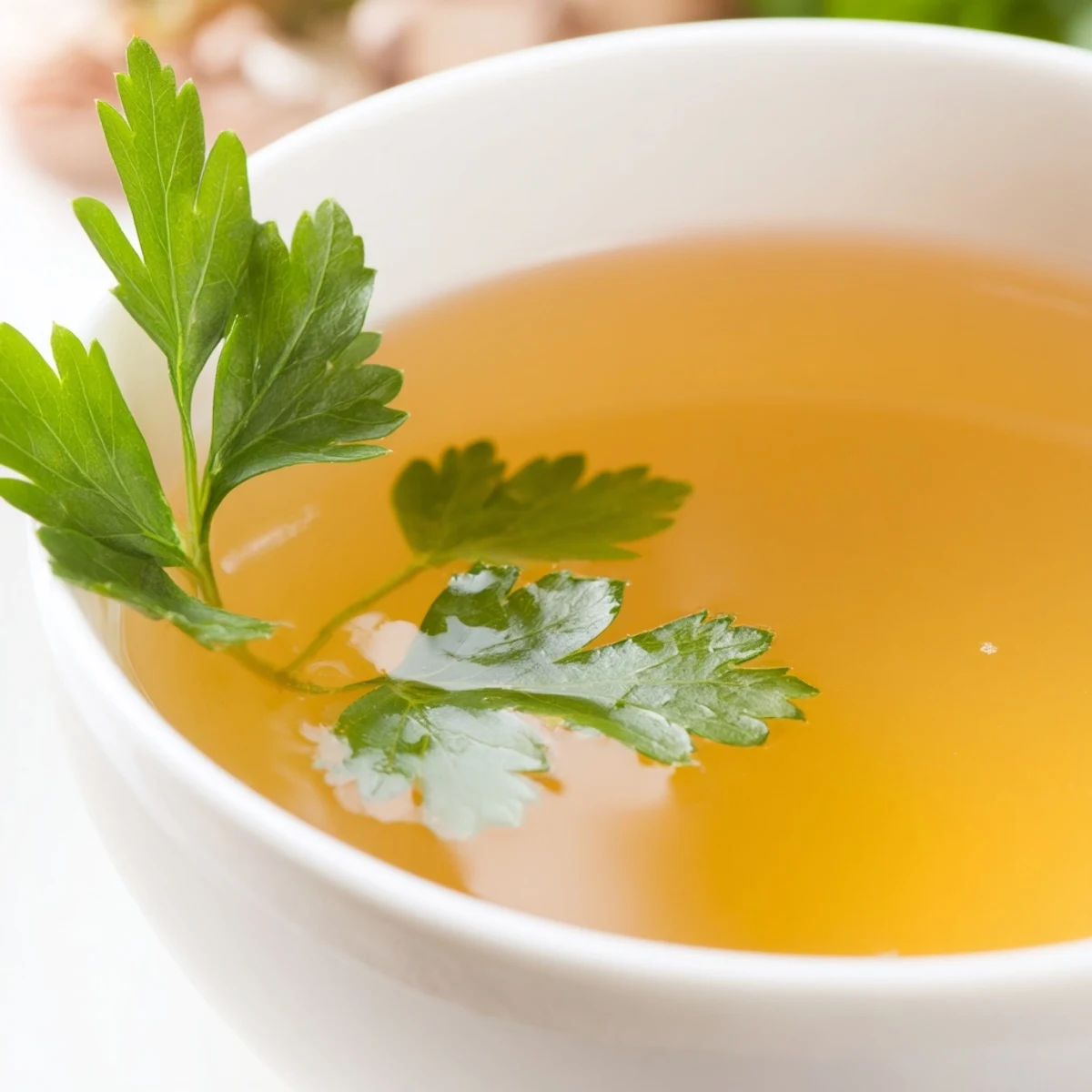
Save Make a rich, aromatic cooking liquid using fresh vegetables and herbs. Chop carrots, celery, onion, leek, and garlic. Combine them with fresh parsley, thyme, bay leaves, and peppercorns in a large pot. Cover with cold water, then bring to a boil. Reduce heat and simmer for one hour, letting flavors fully infuse.
Strain the liquid through a fine sieve, discarding solids. This yields a clear, golden preparation. Perfect for enriching soups, risottos, and stews. Also delicious as a comforting warm drink. Store chilled or frozen for a convenient, nutritious homemade base, ready to elevate any meal.
There's a particular chill in the air when winter truly settles in, the kind that makes you crave warmth right down to your bones. I remember one blustery afternoon, I was huddled under a blanket, longing for a comforting soup but realizing my pantry was bare of decent broth. That's when I finally decided to stop relying on store-bought and try making my own. The kitchen filled with such an incredible, earthy aroma as everything gently simmered, it felt like a hug in a pot.
I recall a time my friend, Sarah, was feeling under the weather, and I dropped off a thermos of this warm broth. She later told me it was the best thing she'd had all week, a simple gesture that brought so much comfort. That's when I realized this wasn't just about cooking; it was about nurturing.
Ingredients
- 2 large carrots: These bring a lovely natural sweetness and a beautiful golden hue to your finished broth.
- 2 celery stalks: A cornerstone of any good stock, celery adds a subtle, savory depth without overpowering.
- 1 large onion: Don't bother peeling it perfectly; the skin adds a gorgeous color and extra nutrients.
- 1 leek: Make sure to clean it well, but the green tops add fantastic flavor and shouldn't be discarded for this.
- 1 parsnip or turnip: This root vegetable provides a subtle earthiness and rounds out the flavor profile beautifully.
- 4 garlic cloves: A good smash is all they need; their pungent aroma will infuse wonderfully into the liquid.
- 1 small potato, peeled and diced (optional): A little starchy friend that gives the broth a richer mouthfeel and body.
- 1 small bunch fresh parsley: Both the stems and leaves are packed with flavor, so use the whole bunch.
- 5 sprigs fresh thyme: Its woodsy, aromatic essence is quintessential for a comforting broth.
- 2 bay leaves: These unassuming leaves contribute a distinct, almost minty depth that you'll notice but can't quite place.
- 1 small bunch fresh dill (optional): If you're feeling adventurous, dill adds a bright, slightly tangy note that's truly lovely.
- 10 whole black peppercorns: Skip the ground pepper here; whole peppercorns provide a gentle, even heat and aroma.
- 1 teaspoon sea salt (or to taste): Start with a little, as you can always add more later to bring out the flavors.
- 1 teaspoon whole coriander seeds (optional): These tiny seeds offer a fantastic citrusy, warm undertone that makes the broth sing.
- 2 liters (8 cups) cold water: Always start with cold water; it extracts flavors more gradually and effectively.
Instructions
- Gather Your Goodies:
- Start by giving all your vegetables a good wash and a rustic chop; there's no need for perfection here since they'll be strained out.
- Into the Pot They Go:
- In your largest stockpot, gently place all the chopped vegetables, the fresh herbs, peppercorns, coriander seeds, bay leaves, and that initial pinch of sea salt.
- Fill with Cold Water:
- Pour in the cold water, ensuring everything is fully submerged, then place the pot onto your stovetop.
- Bring to a Whisper:
- Over medium-high heat, slowly bring the mixture to a gentle boil, just until you see small bubbles beginning to break the surface.
- The Long, Slow Simmer:
- Reduce the heat to its lowest setting, letting it simmer uncovered for a full hour; keep an eye out and occasionally skim off any cloudy foam that rises to keep your broth clear.
- A Moment to Cool:
- Once the hour is up, turn off the heat and let the broth sit for a little while to cool down just enough to handle safely.
- The Big Strain:
- Carefully pour the entire contents through a fine-mesh sieve or a cheesecloth-lined colander into another large bowl or clean pot, letting gravity do the work and discarding all the spent solids.
- A Quick Taste Test:
- Give your golden liquid a taste; this is your moment to adjust the salt, adding just a tiny bit more if you feel it needs to sing.
- Enjoy or Store:
- Your beautiful broth is ready to use right away, or you can cool it completely and then stash it in the fridge for up to five days, or freeze it for months of future deliciousness.
 Save
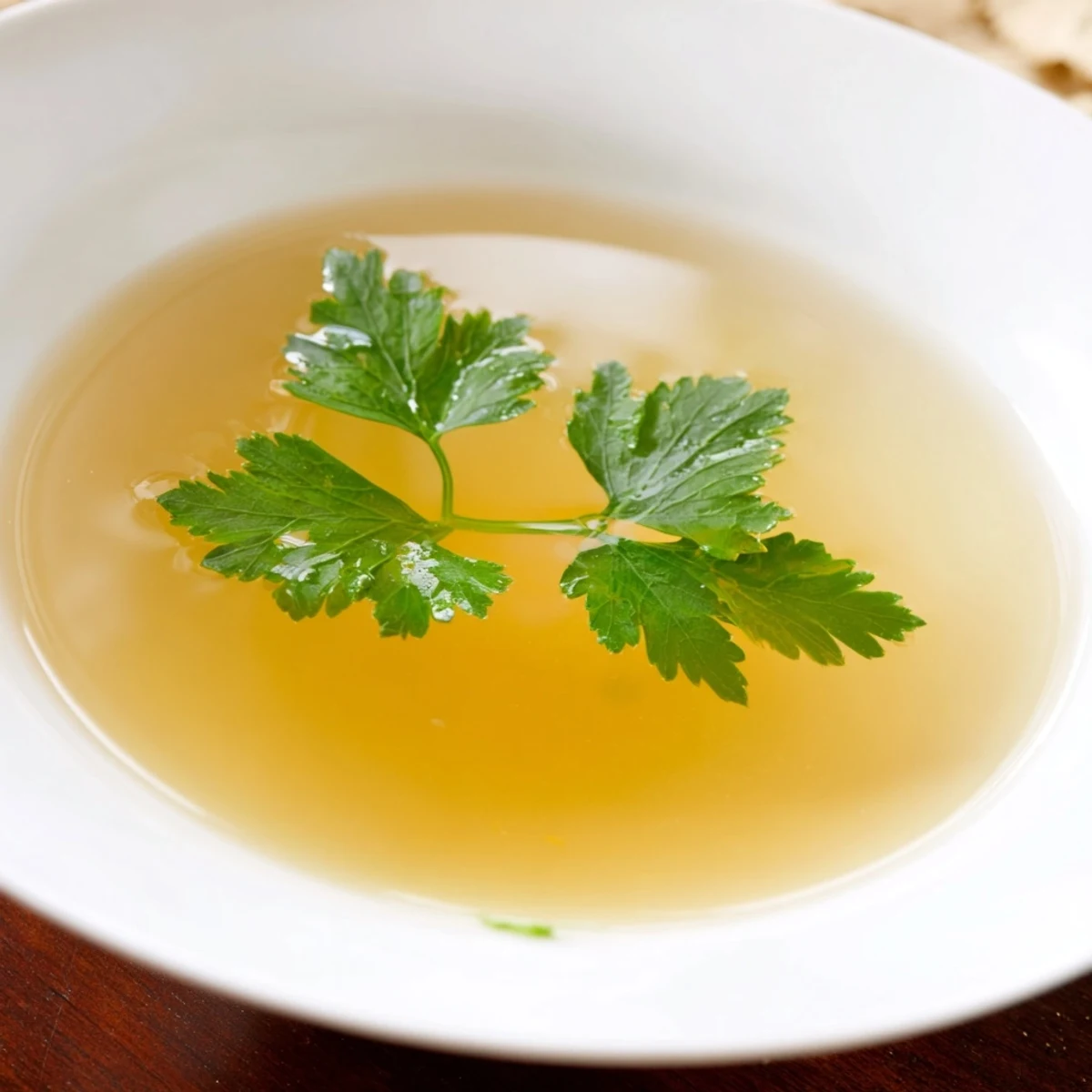
Save One Christmas Eve, I used a batch of this broth as the base for a wild mushroom risotto. The way it deepened the earthy flavors of the mushrooms was just magical, turning a simple dish into something truly memorable for my family gathered around the table. It wasn't just liquid; it was the foundation of a cherished holiday memory.
Beyond the Basics
Sometimes, I like to sneak in a little extra magic. Adding a strip of dried kombu seaweed or a few dried shiitake mushrooms to the pot during simmering brings an incredible umami depth that elevates the broth to another level. It's a subtle trick, but one that makes a world of difference, especially if you're aiming for a super savory foundation.
Waste Not, Want Not
This recipe is a fantastic way to be more mindful in the kitchen and reduce food waste. I always save clean vegetable trimmings, like onion ends, carrot peels, and celery leaves, in a bag in the freezer. When that bag gets full, it's broth-making time, transforming what might have been discarded into pure liquid gold.
Serving Suggestions & Storage Secrets
This homemade broth is incredibly versatile, far beyond just soup bases. I love using it to cook grains like quinoa or rice, adding so much more flavor than plain water. For a quick, comforting pick-me-up, sometimes I just warm a mug of it with a tiny squeeze of lemon and a fresh herb sprig. It's also my secret weapon for deglazing pans after sautéing vegetables, capturing all those delicious brown bits.
- Freeze cooled broth in ice cube trays for small portions, perfect for sauces or quick flavor boosts.
- Always label and date your frozen broth so you know exactly what it is and when you made it.
- When reheating, bring it to a gentle simmer, never a rolling boil, to preserve its delicate flavors.
 Save
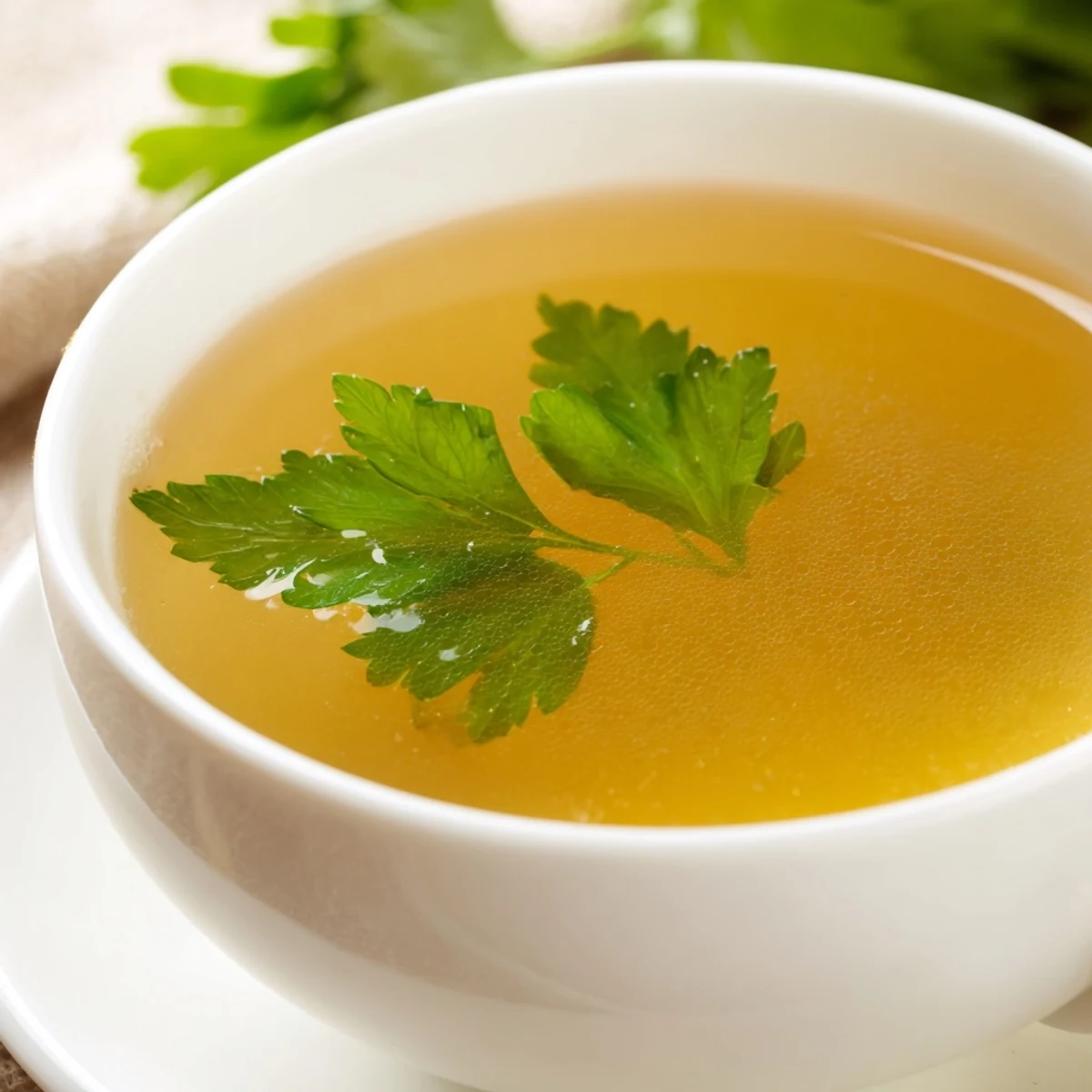
Save Making your own vegetable broth is such a deeply satisfying kitchen endeavor, a little act of love for future meals. I hope this recipe brings as much warmth and deliciousness to your home as it has to mine.
Recipe Questions & Answers
- → What vegetables work best for a flavorful liquid base?
-
Classic choices include carrots, celery, onion, leek, and garlic for a balanced foundation. You can also experiment with parsnips, mushrooms for umami, or even potato for a bit more body. Avoid overly bitter or strong-flavored vegetables like cabbage for a cleaner taste.
- → How can I achieve a deeper, more robust flavor profile?
-
For an intensely flavorful base, roast your chopped vegetables at 400°F (200°C) for about 30 minutes before simmering them. This caramelizes natural sugars and adds significant depth. Including a piece of dried kombu or a few dried mushrooms also contributes a wonderful umami richness.
- → What's the best way to store the finished liquid?
-
Once cooled completely, transfer the liquid to airtight containers. It can be refrigerated for up to 5 days. For longer storage, freeze it in ice cube trays or larger containers for up to 3 months. This makes it convenient to use small portions as needed for various dishes.
- → Besides soups, what are some creative uses for this versatile preparation?
-
This liquid is an excellent foundation for risottos, imparting a wonderful depth of flavor. Use it to cook grains like quinoa or couscous, or to braise meats and vegetables. It's also delicious simply sipped warm as a comforting, nourishing beverage, especially on a chilly day.
- → I'm allergic to celery. Can I still make this?
-
Absolutely! If you're sensitive to celery, you can easily omit it. Consider substituting with extra carrots for sweetness, or a quartered fennel bulb for a delicate anise flavor that complements the other ingredients beautifully. Always check your ingredient labels if using any store-bought items.
- → Can I use dried herbs instead of fresh ones?
-
While fresh herbs offer the most vibrant flavor, dried herbs can certainly be used. As a general rule, use about one-third the amount of dried herbs compared to fresh, as their flavor is more concentrated. Add them at the beginning of the simmering process to allow their flavors to fully release.