
 Save
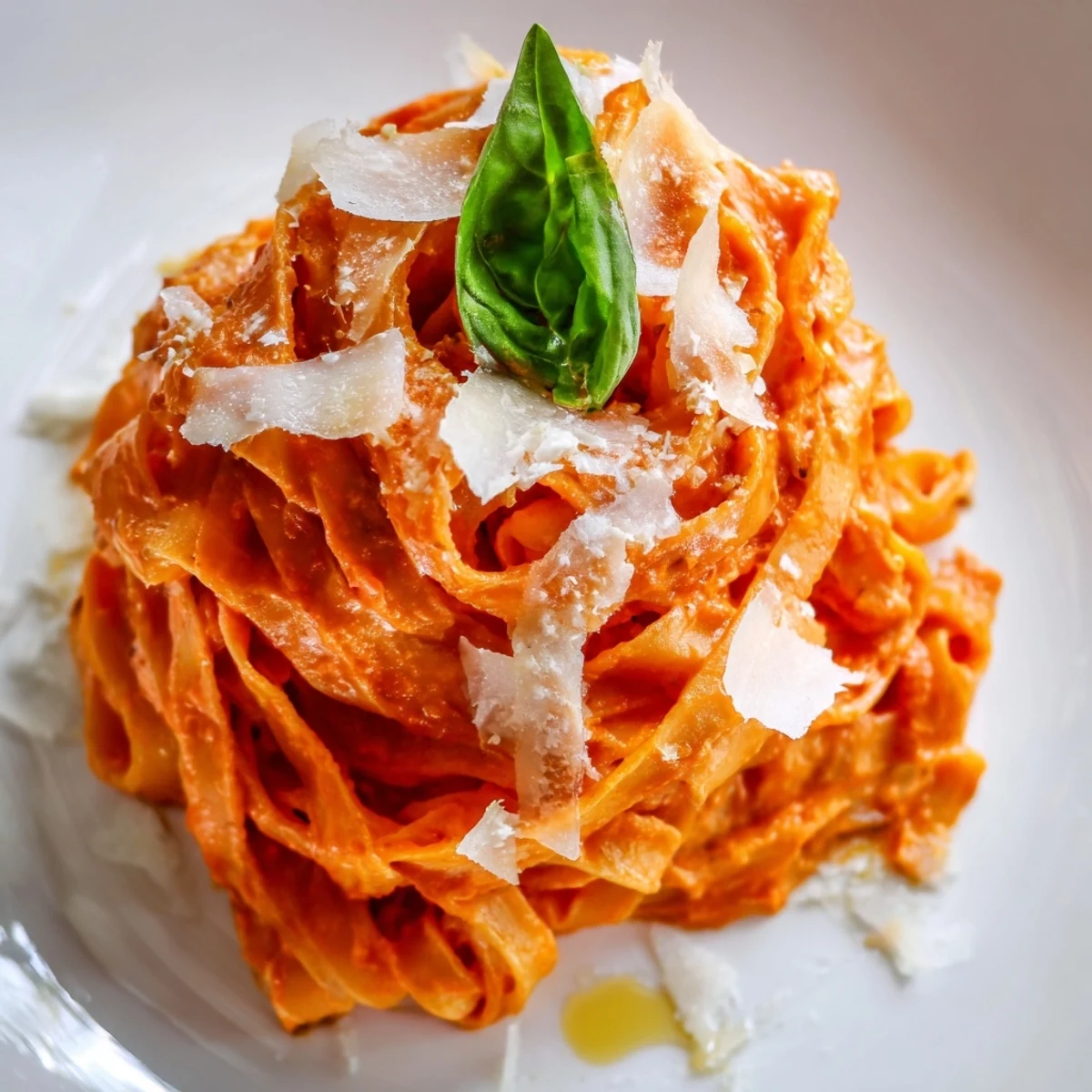
Save This dish features al dente pasta tossed in a smooth sauce made from crushed tomatoes, cream, and aromatic basil. Onion and garlic create a savory base, while Parmesan adds richness. The sauce simmers gently, allowing flavors to meld before combining with pasta and fresh basil. Perfectly suited for a quick, satisfying meal on busy evenings.
There's something about a rainy Tuesday when you realize you have nothing but pasta, tomatoes, and cream in the kitchen, and somehow those three things become the most satisfying dinner. That's when I discovered this recipe wasn't about perfection but about the way cream melts into tomato sauce and transforms it into something luxurious without pretense. The first time I made it was pure accident, really—I was trying to salvage a batch of jarred tomatoes that had been sitting around, and the cream was supposed to go into coffee the next morning. What I got instead was a dish so velvety and comforting that I've made it dozens of times since.
I made this for my neighbor one evening when she stopped by to borrow olive oil and ended up staying for dinner instead. She took one bite and asked for the recipe before she'd even finished her plate, which felt like the highest compliment. Since then, it's become one of those dishes I reach for when I want to feed people something warm and real without any fuss.
Ingredients
- Penne or fettuccine (350 g): The shape matters more than you'd think—penne cups hold the sauce in every bite, while fettuccine lets you twirl and coat each strand.
- Olive oil (2 tbsp): Use regular olive oil for cooking here; save your expensive extra virgin for the drizzle at the end.
- Onion (1 small, finely chopped): The foundation of the whole sauce—don't skip the chopping step, as small pieces dissolve into creaminess.
- Garlic cloves (3, minced): The minute it hits the hot oil, your kitchen smells like a trattoria, and you'll know you're on the right track.
- Crushed canned tomatoes (800 g): Don't use sauce; you need the texture of crushed tomatoes so the cream can blend properly.
- Heavy cream (150 ml): Full fat is essential here—the fat is what makes it luxurious, so don't try to cut corners with lighter versions.
- Sugar (1 tsp): A small amount balances the acidity of tomatoes without making anything taste sweet.
- Salt and black pepper: Season as you go, not all at once at the end.
- Red pepper flakes (optional): A tiny pinch adds warmth without heat if you like that subtle kick.
- Parmesan cheese (40 g grated): Freshly grated always wins over pre-shredded, which has anti-caking agents that prevent proper melting.
- Fresh basil (25 g loosely packed): Tear it by hand instead of cutting with a knife—it bruises less and stays bright green.
- Extra virgin olive oil: The finishing drizzle that makes everything taste like it came from a little kitchen somewhere in Italy.
Instructions
- Start the pasta water:
- Get your large pot of salted water boiling first—this takes a few minutes and you want it ready before you start the sauce. Season the water so it tastes like the sea; this is your only chance to season the pasta itself.
- Build your sauce base:
- Heat olive oil in a large skillet over medium heat and add the chopped onion. Let it soften for 4–5 minutes, stirring occasionally until it turns translucent and sweetens. You'll notice the oil becomes fragrant and the kitchen gets warmer—this is exactly what you want.
- Wake up the garlic:
- Add minced garlic and cook for just 1 minute. Listen for the sizzle to quiet down and watch for the edges to start turning golden; overcook it by even 30 seconds and it becomes bitter.
- Simmer the tomatoes:
- Pour in the crushed tomatoes along with sugar, salt, black pepper, and red pepper flakes if you're using them. Let this bubble gently, uncovered, for 10 minutes while you cook your pasta. Stir occasionally and taste it—you're looking for the acidity to mellow and the flavors to start knitting together.
- Add the cream:
- Lower the heat to medium-low and stir in the heavy cream slowly so it doesn't break or curdle. Keep stirring for 2–3 minutes and watch as the sauce transforms from red to a beautiful blushed pink. This moment never gets old.
- Bring it together:
- Drain your cooked pasta (but save that starchy pasta water like it's liquid gold) and add it straight to the sauce along with the grated Parmesan. Toss everything together, and if it looks too thick, add the pasta water a splash at a time until you get that silky, glossy consistency. The starch in the water helps the sauce coat every noodle.
- Finish with basil and heat:
- Remove from heat and tear in most of the basil, saving a few leaves for garnish. The residual heat will make it aromatic without cooking away all its freshness.
- Plate and serve:
- Divide among bowls and top each with a little extra Parmesan, a generous drizzle of extra virgin olive oil, and the reserved basil leaves. Serve immediately while everything is still warm and the basil is still bright.
 Save
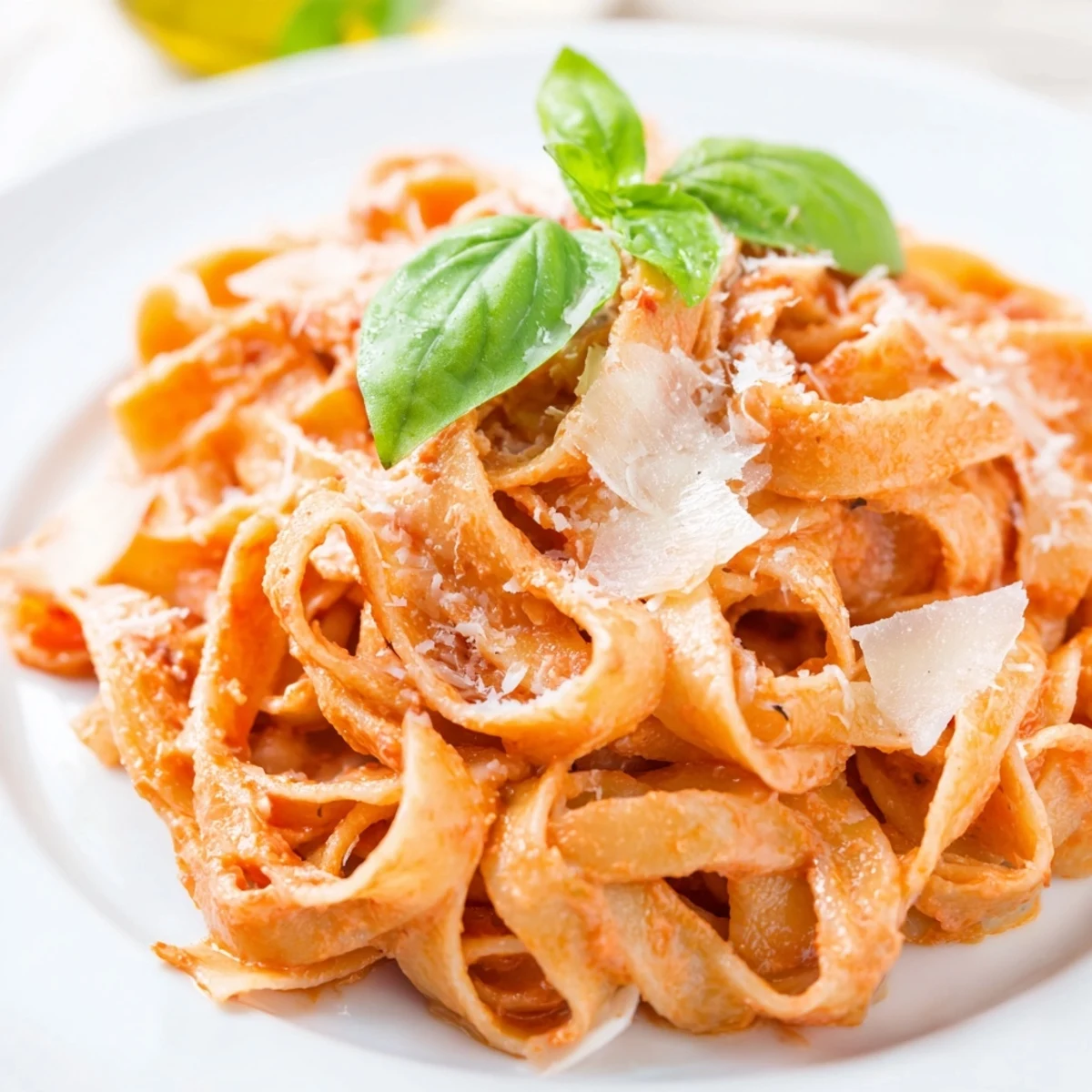
Save What I remember most about this dish isn't the recipe itself but the way it brought everyone to the table on nights when cooking felt like too much. It's elegant enough to feel special but honest enough that you never have to apologize for how simple it is.
The Magic of Cream in Tomato Sauce
For years I thought the point of cream in tomato sauce was just to make it richer, but I've learned it does something more. The fat in cream actually softens the acidity of the tomatoes and creates a silky mouthfeel that plain tomato sauce can't achieve. It's not about drowning tomato flavor in dairy—it's about balancing and enhancing what's already there. You'll notice the difference immediately once you understand this, and you'll start thinking about cream differently in other sauces too.
Timing and Temperature Matter More Than Ingredients
I've made this with grocery store tomatoes and fancy San Marzanos, and honestly, the difference between a good version and a mediocre one comes down to how long you simmer and when you add the cream. If you rush the tomato base or heat the cream too aggressively, you'll taste the difference immediately. The other secret is cooking at the right temperature—medium heat is hot enough for flavor development but gentle enough that the cream never breaks.
Variations That Work
I've added sautéed mushrooms when I had them, wilted spinach when I wanted something greener, and even leftover roasted chicken when I needed more protein. Each one changes the dish slightly but never ruins it—this recipe is forgiving that way. The cream and tomato base is sturdy enough to welcome additions without becoming something unrecognizable.
- Sauté mushrooms separately in a little olive oil until golden, then toss in at the end for earthiness without extra moisture.
- Wilt fresh spinach or arugula directly into the finished sauce off heat so it stays tender and bright.
- Stir in a handful of freshly grated Parmesan while the sauce is still hot for extra depth, beyond what you've already added.
 Save
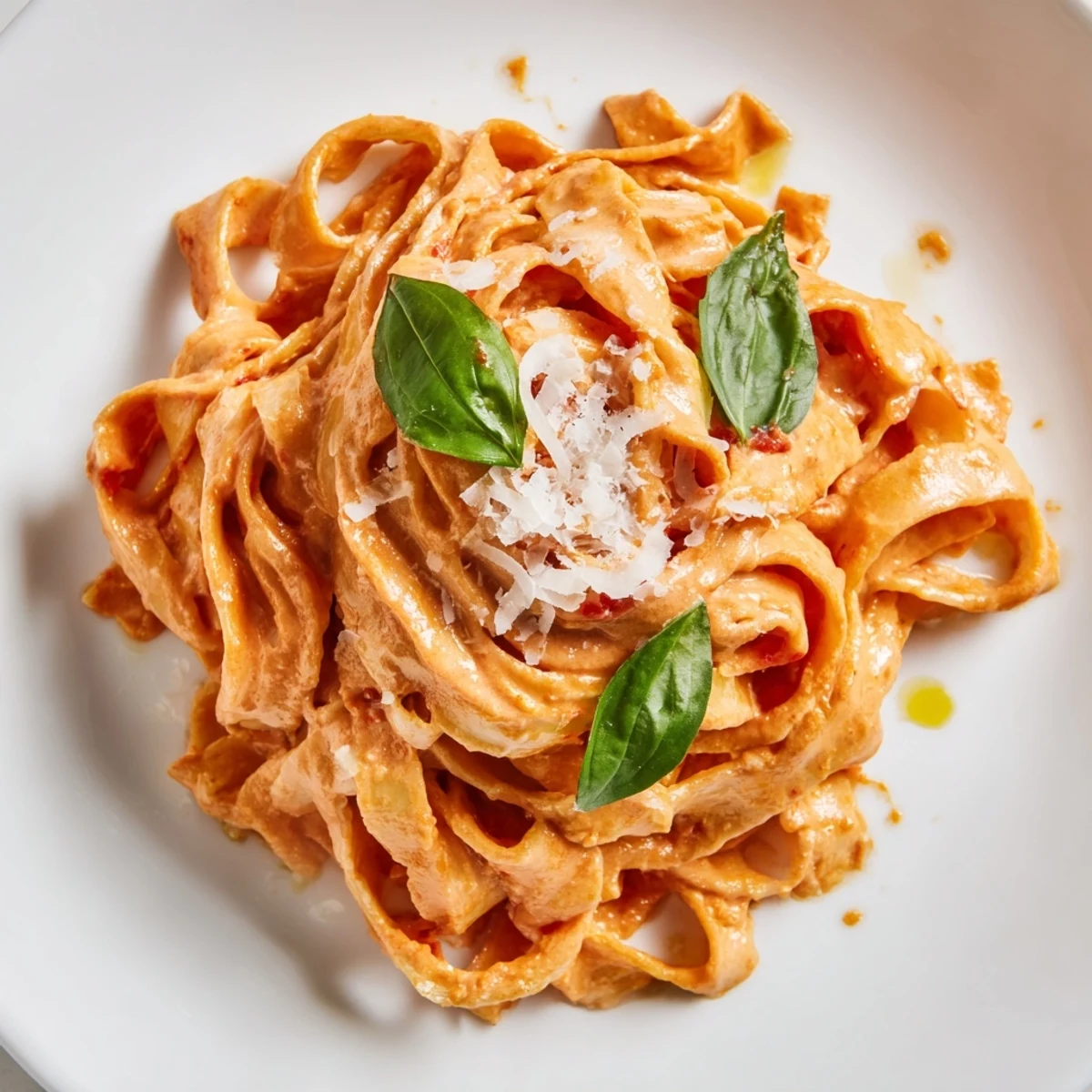
Save This is the kind of recipe that reminds you that the best meals don't require a long ingredient list or hours in the kitchen. Sometimes the simplest dishes, cooked with attention and care, are exactly what you need.
Recipe Questions & Answers
- → What type of pasta works best?
-
Penne or fettuccine complement the creamy tomato sauce well, holding the sauce on their ridges and flat surfaces.
- → How can I make the sauce creamier?
-
Simmering in heavy cream and stirring in pasta water helps achieve a silky, rich sauce texture.
- → Can fresh herbs be substituted?
-
Fresh basil is ideal for its bright flavor, but Italian parsley can be used as a milder alternative.
- → What is the purpose of reserving pasta water?
-
Pasta water contains starch that helps bind the sauce to the pasta and adjusts consistency.
- → How to add extra protein to this dish?
-
Sautéed mushrooms, spinach, or grilled chicken can be incorporated for additional protein and texture.