
 Save
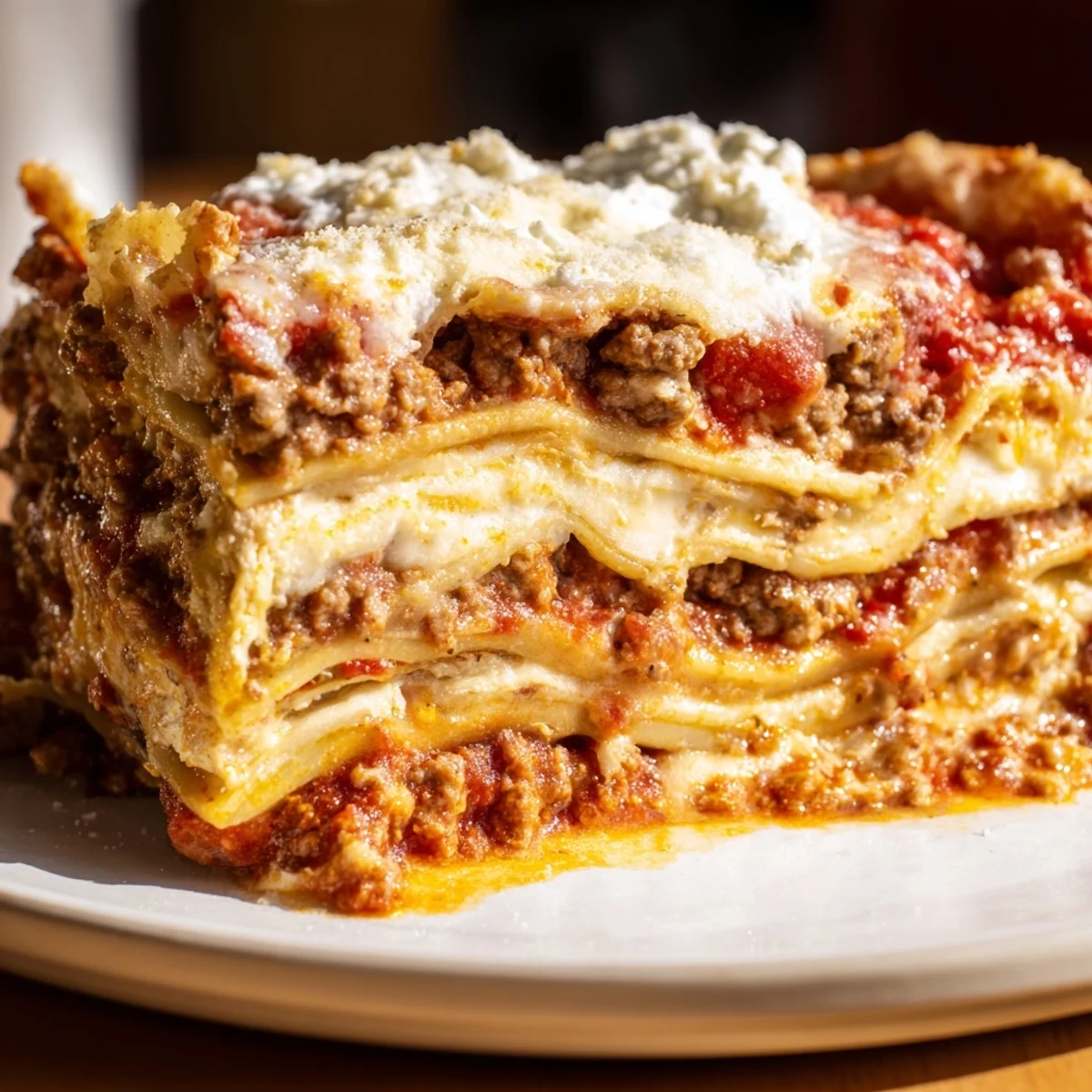
Save This classic Italian dish combines a rich, savory beef sauce simmered with tomatoes and herbs, layered with creamy béchamel and a blend of mozzarella, ricotta, and Parmesan cheeses. Carefully assembled with tender noodles, it’s baked until bubbling and golden brown. The results offer a comforting harmony of hearty flavors and silky textures, perfect for family dinners or special occasions. Letting it rest ensures perfect slicing and serving.
My nonna didn't have a written recipe for lasagna, just muscle memory and a kitchen that smelled like simmering tomatoes for hours. Years later, I found myself craving that exact comfort, that layered warmth, so I started experimenting with the balance of sauce, béchamel, and cheese until it felt right. This version channels that spirit, but it's forgiving enough for someone building from scratch. It's the kind of dish that fills your kitchen with promise while it bakes.
I made this for friends on a cold Saturday when someone showed up with a wine they wanted to pair with something hearty. By the time we pulled it from the oven, the conversation had shifted to how this dish reminds everyone of different tables, different families, yet somehow always tastes like home. That's when I knew I'd nailed it.
Ingredients
- Olive oil: Use good quality here since it's the base for your aromatics and sets the tone for everything that follows.
- Onion and garlic: These two are your flavor foundation, and taking time to soften the onion properly makes a real difference.
- Ground beef: One pound gives you enough richness without making the sauce heavy or overly greasy.
- Crushed tomatoes: The canned kind is actually your friend here, more consistent than fresh and perfect for a long simmer.
- Tomato paste: A small amount concentrates the tomato flavor and adds depth that simple sauce can't achieve.
- Oregano and basil: Dried herbs work beautifully in this application, blooming as the sauce simmers.
- Sugar: Just a teaspoon balances acidity in the tomatoes, a lesson learned from many batches.
- Butter and flour: These create your roux, the foundation of a proper béchamel that won't break or lump.
- Whole milk: Use the real thing here, as lower fat versions can curdle when heated with the flour.
- Ground nutmeg: A whisper of this spice in béchamel is traditional and transforms it from basic to refined.
- Ricotta, mozzarella, and Parmesan: The cheese trio creates layers of flavor and texture that melts into every bite.
- Lasagna noodles: No-boil works if you're in a hurry, but regular noodles give you better control over texture.
Instructions
- Heat and prep your workspace:
- Turn your oven to 375°F and gather everything you'll need within arm's reach. This is the kind of cooking that moves at its own pace, and having things ready means you won't be rushing later.
- Build the meat sauce foundation:
- Warm olive oil in a large skillet over medium heat, then add chopped onion and let it soften for about four minutes until it's golden and fragrant. You'll notice how the kitchen starts to smell alive at this point, and that's your signal you're on the right track.
- Develop the aromatics:
- Add minced garlic and stir it in for just a minute, letting it release its scent without browning. The moment when garlic hits hot oil is actually the beginning of all the depth that's coming.
- Brown the beef:
- Crumble the ground beef into the pan and cook it, breaking it up as it goes, until there's no pink left. Once it's done, drain off the excess fat using a spoon against the side of the pan to press out as much as you need.
- Combine sauce elements:
- Stir in the crushed tomatoes, tomato paste, oregano, basil, salt, pepper, sugar, and water. The mixture will look loose at first, which is exactly right.
- Simmer with patience:
- Let everything bubble gently uncovered for 20 to 25 minutes, stirring every few minutes. You're waiting for the sauce to darken slightly and lose that raw tomato taste, becoming something deeper and more refined.
- Make the béchamel:
- In a separate saucepan, melt butter over medium heat, then sprinkle in flour and stir constantly for a minute or two until the mixture turns pale golden and smells toasted. This is your roux, and this step matters more than you'd think.
- Add milk carefully:
- Whisk in the milk slowly while stirring constantly, pouring in just a little at first to create a smooth paste before adding the rest. If lumps appear, keep whisking and press them against the side of the pan.
- Thicken the béchamel:
- Continue cooking and stirring for five to seven minutes until the sauce coats the back of a spoon and there's no floury taste left. Season it with nutmeg, salt, and white pepper, tasting as you go.
- Layer with intention:
- Spread a thin layer of meat sauce across the bottom of your baking dish, then lay down noodles. Spread one-third of béchamel over the noodles, then one-third of meat sauce, then dollops of ricotta scattered across the top and a sprinkle of the mozzarella and Parmesan cheeses.
- Repeat the layers:
- Add another layer of noodles and repeat the béchamel, meat sauce, ricotta, and cheese again. Do this one more time, finishing with remaining sauce and cheese on top so it gets golden and bubbly.
- Bake covered:
- Cover the dish tightly with foil and bake for 30 minutes, which protects the top from burning while the insides heat through and the flavors marry together.
- Finish to golden perfection:
- Remove the foil and bake for another 15 to 20 minutes until the top is golden brown and you see bubbling at the edges. This is when you'll really smell how good it's gotten.
- Rest before serving:
- Let it sit for 10 to 15 minutes out of the oven, which allows the layers to set just enough to slice cleanly without falling apart. This is hard to wait for, but it changes everything about how it looks on the plate.
 Save
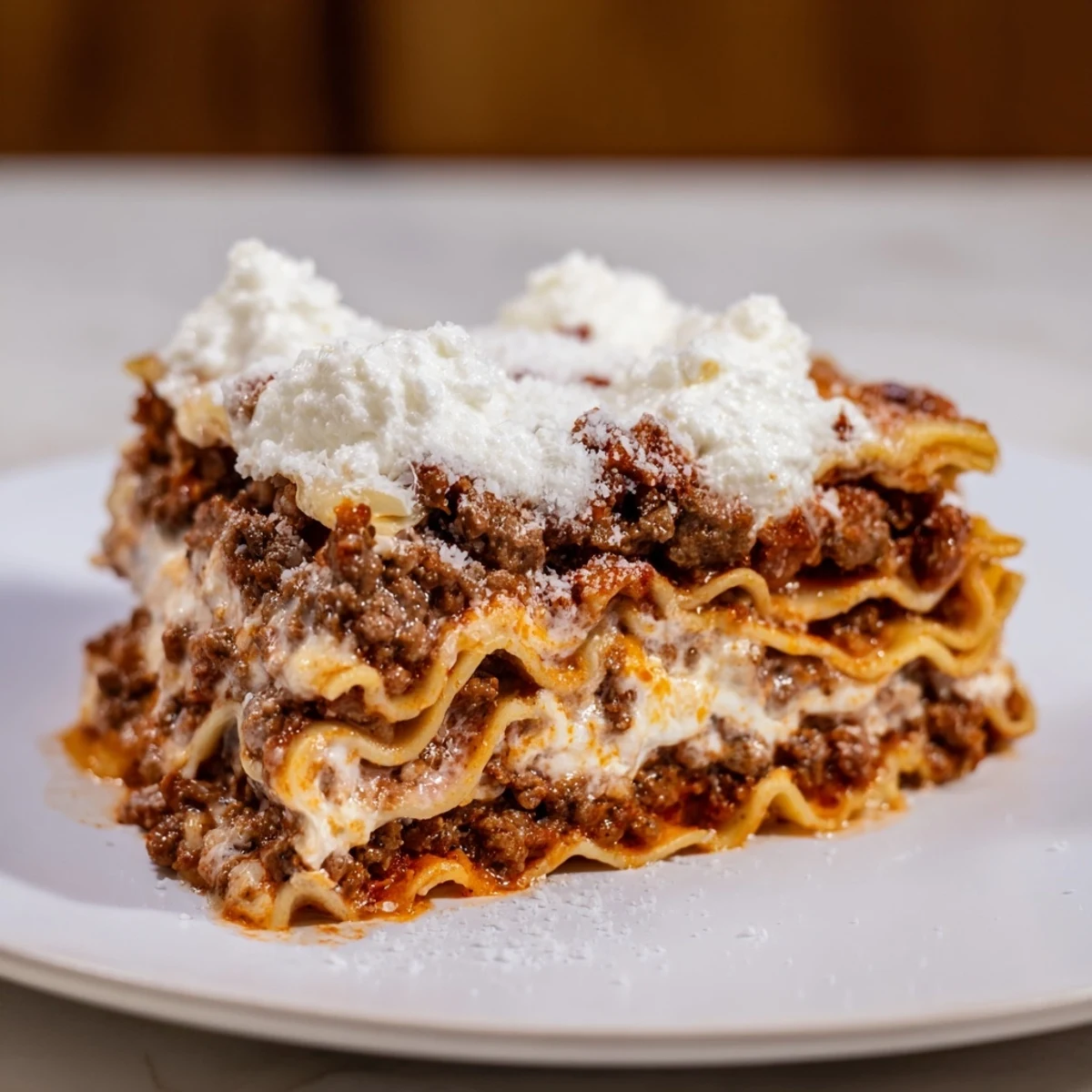
Save I watched my sister take a bite of this lasagna last year and just sit there quietly for a moment, which might sound like nothing, but it meant she was tasting every layer and remembering something. That's what good food does—it stops you for a second and makes you present.
Making the Meat Sauce Sing
The meat sauce is where you can play around once you understand the basics. Some cooks swear by a splash of red wine stirred in after the beef is browned, which adds a subtle sophistication and rounds out the tomato flavor beautifully. Others like to add a pinch of red pepper flakes for warmth, or a splash of balsamic vinegar at the very end. I've found that the more you make this, the more you trust your own taste adjustments, which is exactly how home cooking should feel.
Cheese Choices and Variations
The ricotta layer is what separates a good lasagna from a memorable one, and there's something almost decadent about dolloping it between the pasta and sauce. If ricotta isn't calling to you, a mixture of ricotta and mascarpone works too, or even just extra mozzarella if that's what you have. The beauty of this dish is that it's flexible enough to work with what your market or pantry offers, yet structured enough that nothing falls apart when you deviate.
Serving and Pairing Ideas
Lasagna gets better on day two when the flavors have really settled, so don't hesitate to make it ahead and bake it when you need it. A crisp green salad on the side cuts through the richness beautifully, and crusty bread is essential for soaking up any sauce that escapes your bite. If you're pairing with wine, a Chianti or Sangiovese will make the whole meal feel intentional and warm.
- Leftover lasagna reheats perfectly covered in the oven at 350°F for about 20 minutes, or in smaller portions in the microwave.
- Try freezing individual portions in aluminum containers for a quick weeknight dinner that tastes like someone cared.
- Fresh basil or parsley scattered on top just before serving adds a bright note that plays against all that rich, baked comfort.
 Save
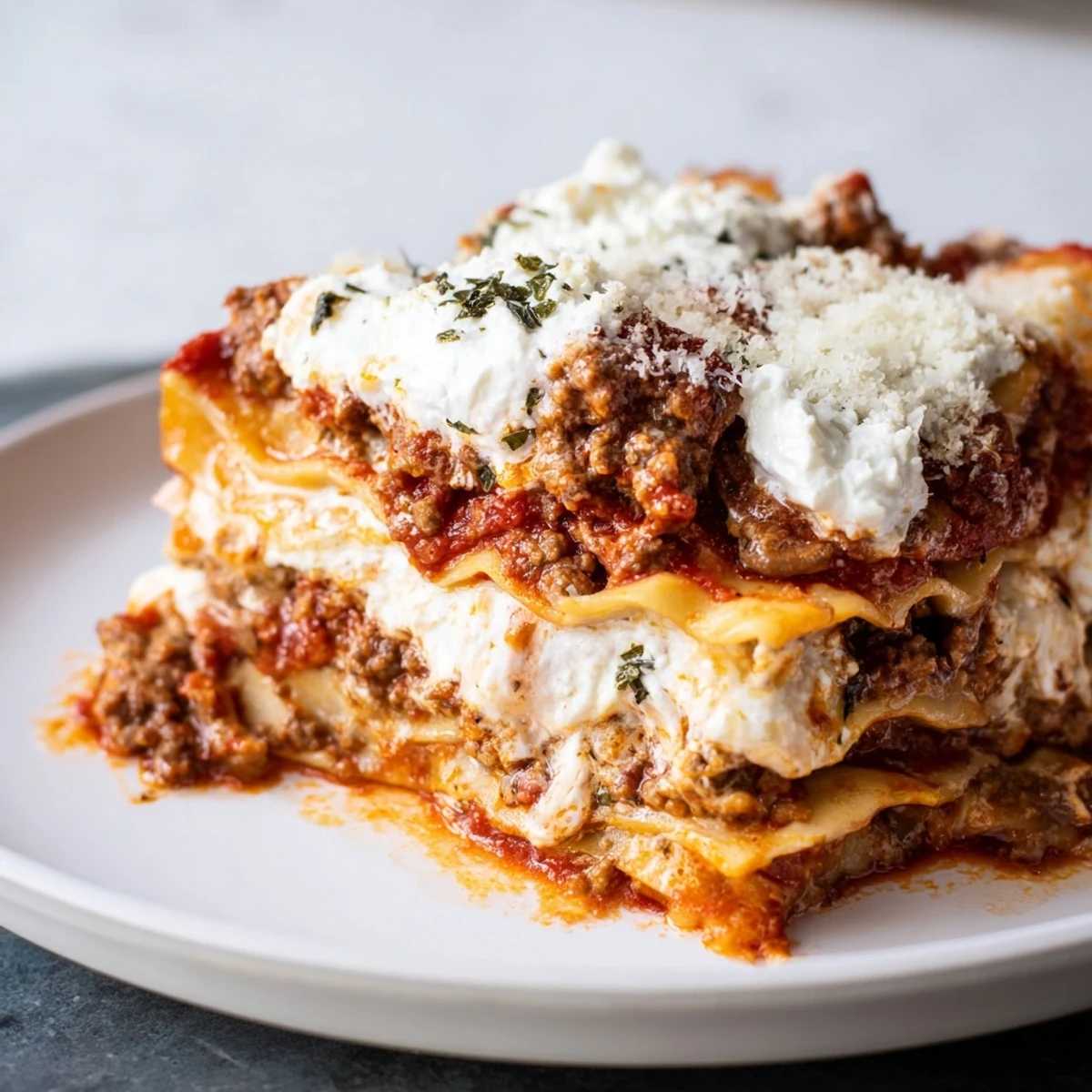
Save This lasagna is the kind of dish that fills a table and brings people closer, even when everyone's eating in comfortable silence. It's worth the hour and a half, every single time.
Recipe Questions & Answers
- → What type of meat is best for the sauce?
-
Ground beef is traditional, but ground turkey or pork can also be used for variations.
- → How do I prevent the béchamel from lumping?
-
Whisk constantly while gradually adding milk and cook over medium heat until thickened for a smooth sauce.
- → Can no-boil noodles be used?
-
Yes, no-boil lasagna noodles work well and save prep time, layering directly with sauce and cheese.
- → How long should the dish rest before serving?
-
Allow to stand for 10–15 minutes after baking to cool slightly and set for clean slicing.
- → What wine pairs well with this dish?
-
Chianti or Sangiovese wines complement the rich meat and cheese flavors beautifully.