
 Save
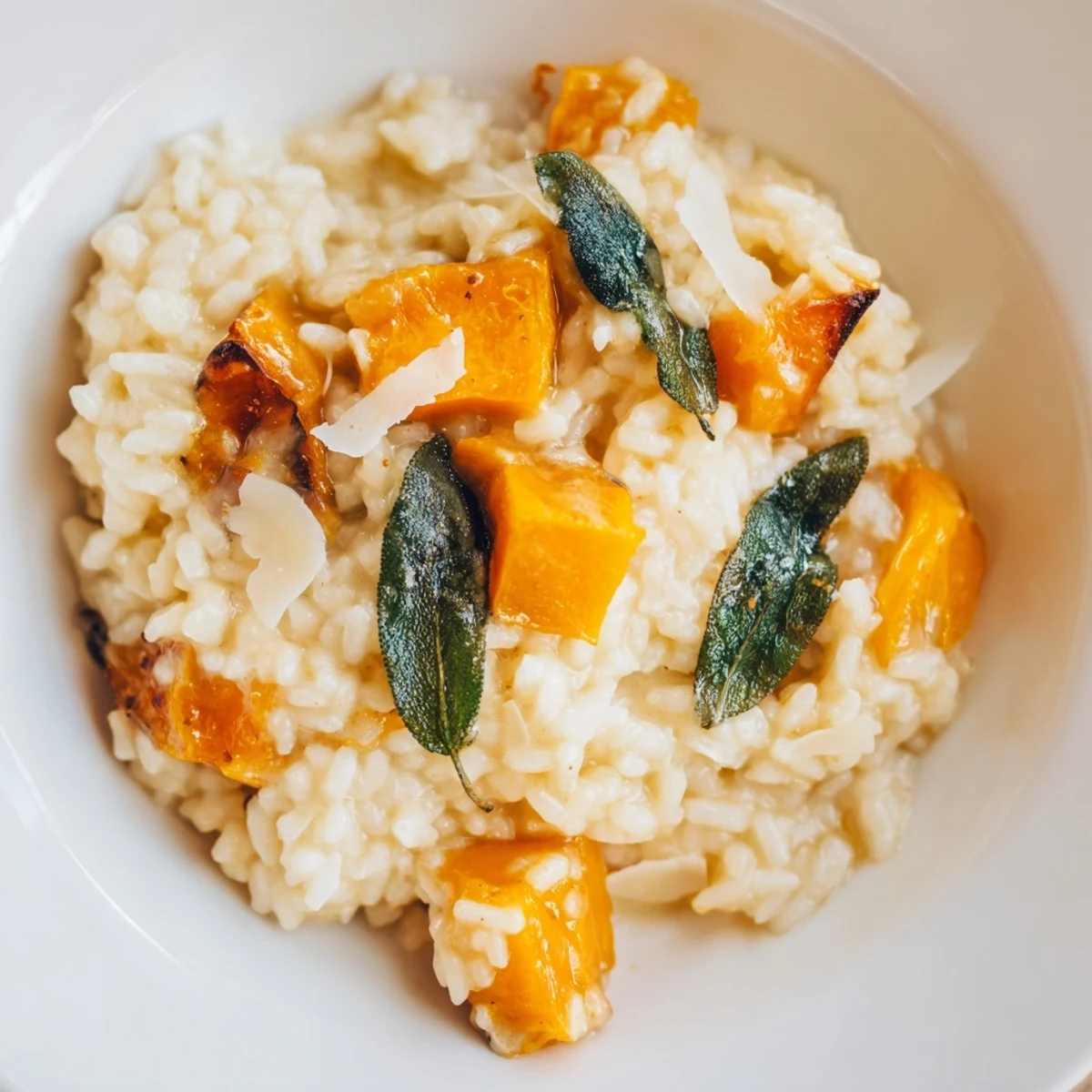
Save This dish features creamy Arborio rice slowly simmered with sweet roasted butternut squash, creating a rich, velvety texture. Crispy sage leaves fried in butter add a delightful crunch and aromatic depth, perfectly complementing the subtle nuttiness of parmesan cheese. The balance of tender vegetables and savory cheese yields a comforting meal ideal for cooler seasons. Preparation involves roasting squash, toasting rice, and gradual addition of warm vegetable stock to achieve traditional creaminess without cream. Finished with a sprinkle of golden sage, it embodies seasonal flavors with an elegant, rustic touch.
There's something about the smell of butternut squash roasting in the oven that makes you pause mid-afternoon and remember why autumn is worth waiting for all year. I discovered this risotto quite by accident, really—I had extra squash from a farmers market haul, a pantry full of Arborio rice, and the kind of evening that called for something warm and unhurried. The first time I made it, I burned the sage and overcomplicated the stirring, but somewhere between those small mistakes and the creamy, golden result that emerged, I fell in love with the dish.
I made this for my partner on a Tuesday night when we both needed comfort but didn't want takeout, and halfway through stirring the risotto, we got talking about how cooking together feels like having a conversation without words. The kitchen was steamy and smelled like butter and sage, and by the time we sat down, even the simple act of eating felt like something we'd earned together.
Ingredients
- Butternut squash: One medium (about 900 g) peeled, seeded, and cut into 1 cm cubes—roasting it first keeps the pieces from turning to mush.
- Arborio rice: 300 g (1½ cups) is essential here, not a substitution; this short, starchy grain is what makes risotto creamy without cream.
- Vegetable stock: 1.2 liters (5 cups) kept warm in a separate pot—cold stock interrupts the cooking rhythm and extends the time.
- Onion and garlic: 1 medium yellow onion (finely chopped) and 2 minced garlic cloves form the aromatic base that grounds the sweetness of the squash.
- Unsalted butter: 60 g (4 tbsp) divided—half goes to frying the sage, half finishes the risotto for that luxurious texture.
- Parmesan cheese: 60 g (½ cup) freshly grated (never pre-grated in a bag) stirs in at the very end to melt into the creamy rice.
- Fresh sage leaves: 12–15 leaves fried until they're golden and crisp—these are what make the dish feel intentional, not an afterthought.
- Olive oil: 2 tbsp total (1 for the squash, 1 for frying the sage) adds a subtle fruity note without overpowering.
- Salt and black pepper: Essential throughout, but especially in the final seasoning where you can taste what's actually needed.
Instructions
- Roast the squash:
- Preheat your oven to 200°C (400°F). Toss your diced butternut squash with 1 tbsp olive oil, salt, and pepper, spread it across a baking sheet in a single layer, and slide it into the oven for 20–25 minutes, stirring once halfway through. You want the pieces golden and tender enough to break with a wooden spoon, not soft enough to fall apart.
- Crisp the sage:
- While the squash cooks, heat 2 tbsp butter and the remaining 1 tbsp olive oil in a large sauté pan over medium heat. Lay your sage leaves flat in the hot fat and listen for the gentle sizzle—it only takes 1–2 minutes before they turn golden and smell incredible. Fish them out with a slotted spoon and let them drain on paper towels where they'll crisp up further.
- Build the base:
- In the same pan with all those sage-infused fats, add your finely chopped onion and cook for 4–5 minutes until it turns soft and translucent, stirring now and then. Add the minced garlic and let it warm through for about 1 minute—you want fragrance, not browning.
- Toast the rice:
- Stir in your Arborio rice and keep stirring for about 2 minutes until each grain looks glossy and feels coated in butter. This toasting step is crucial; it helps the rice absorb liquid more evenly and keeps it from turning into porridge.
- Build the risotto:
- Pour in your first ladle of warm vegetable stock—you should hear it sizzle slightly as it hits the pan. Stir it in until the liquid is mostly absorbed (this takes 2–3 minutes), then add the next ladle and repeat. Keep doing this for 18–20 minutes total, stirring frequently so nothing sticks to the bottom and the rice releases its starch into the liquid, creating that signature creaminess.
- Finish and serve:
- When the rice is creamy and just barely al dente (tender but with a tiny bit of resistance in the center), gently fold in your roasted butternut squash. Stir in the remaining 2 tbsp butter and the freshly grated Parmesan until everything is silky and combined. Taste and season with salt and pepper. Divide among bowls and top each one with a few of those crispy sage leaves and an extra shower of Parmesan.
 Save
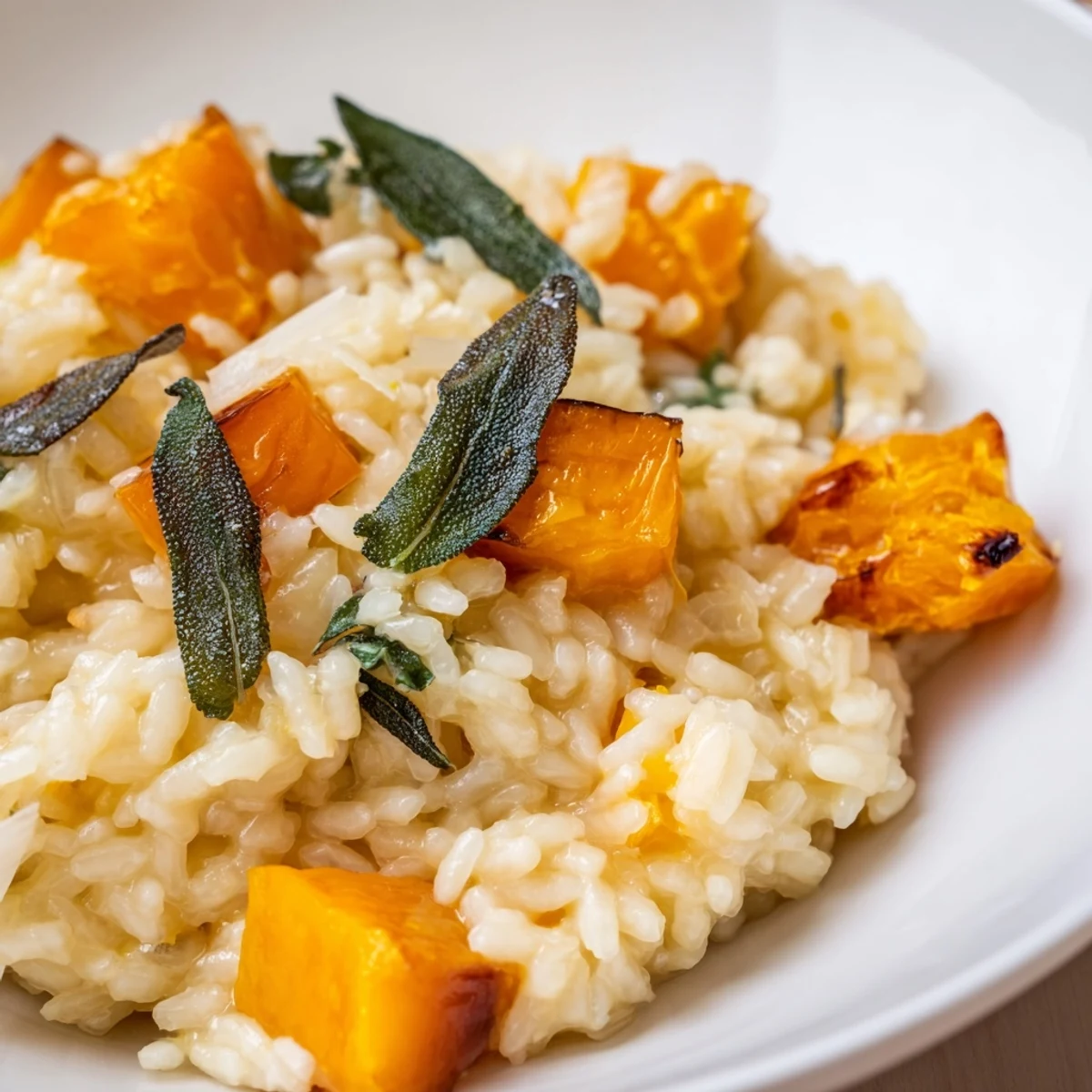
Save There was an evening last November when a friend came over stressed about work, and halfway through her first spoonful of this risotto, her shoulders dropped and she actually smiled. That's when I realized this dish does something beyond feeding you; it gives you permission to slow down and notice small details like the pop of sage between your teeth or the way the squash melts into each bite.
Why Roasting the Squash Makes All the Difference
Many risotto recipes stir raw or briefly sautéed squash directly into the rice, but roasting it first creates a completely different texture and deeper flavor. The dry heat caramelizes the natural sugars, turning the squash rich and golden instead of watery and bland. I've made this both ways, and the roasted version is the one people remember.
The Sage Is Not Optional
I know it can feel like a garnish, something to skip if you're in a hurry, but those crispy sage leaves are the bridge between the richness of the rice and the sweetness of the squash—they add earthiness, bitterness, and texture all at once. The first time I made this without the sage, the dish tasted incomplete, like a sentence missing its final word. Frying them in the same pan as the risotto base also means their flavor infuses into the butter, subtly seasoning everything that follows.
Variations Worth Trying
If you want to deepen the flavor, replace half the vegetable stock with dry white wine (add it after you toast the rice, let it cook down by about half, then continue with the stock). For a richer, more restaurant-style risotto, you can swap a splash of heavy cream for some of the final butter, though this leans toward indulgence rather than necessity. If you're cooking for someone vegan, use vegan butter and either skip the Parmesan entirely or crumble some nutritional yeast over the top—it won't be identical, but the roasted squash and crispy sage carry enough flavor that the dish still works beautifully.
- A crisp white wine like Pinot Grigio pairs perfectly if you want to sip while you cook.
- Leftover risotto can be pressed into a pan, chilled, and pan-fried into crispy cakes the next day.
- Fresh thyme or rosemary can substitute for some of the sage if that's what you have on hand.
 Save
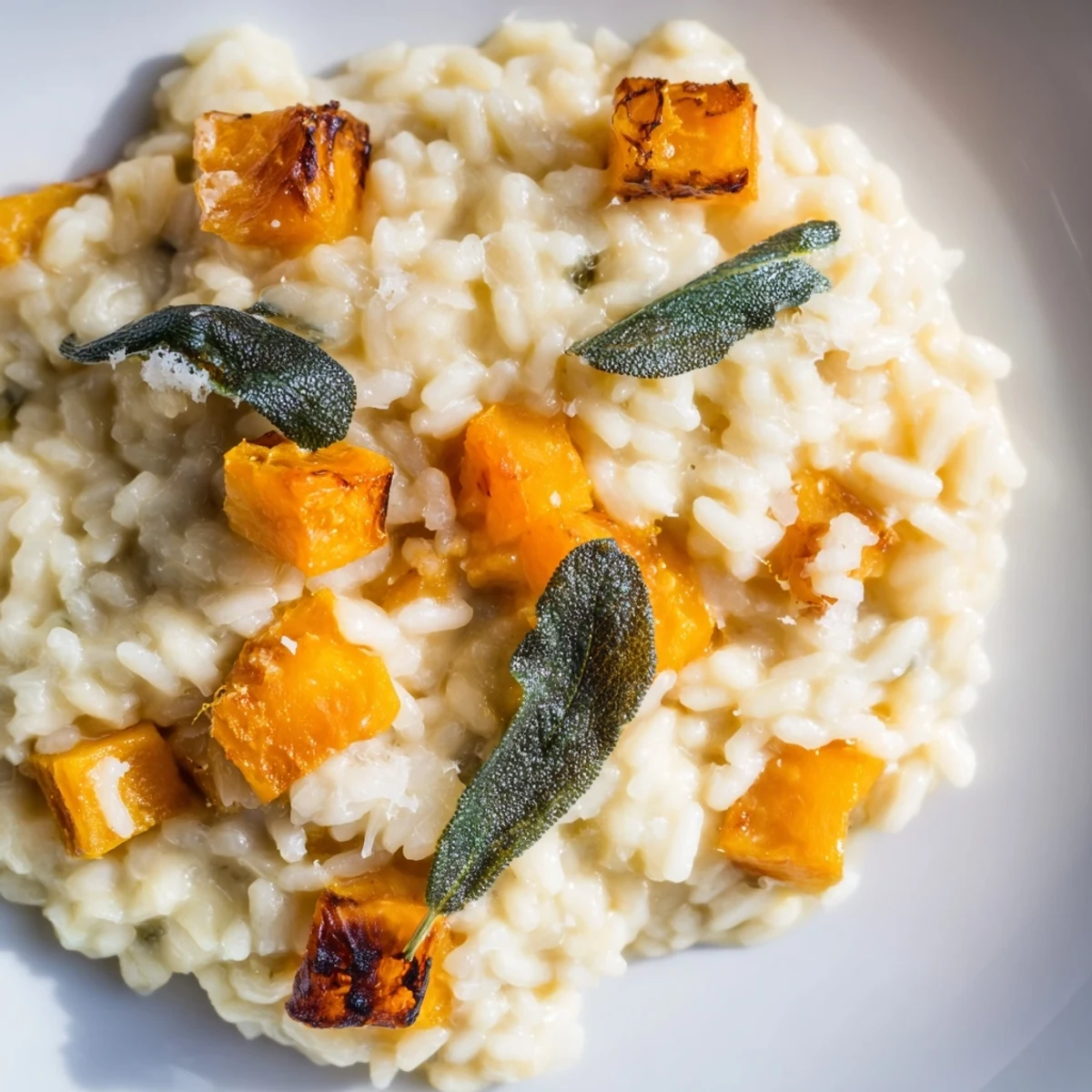
Save This risotto is proof that some of the best meals come from paying attention to simple ingredients and giving yourself permission to take time. Once you understand how risotto works, you'll find yourself making it again and again, each time slightly different, always comforting.
Recipe Questions & Answers
- → How do you achieve creamy texture without cream?
-
Slowly adding warm vegetable stock to Arborio rice while stirring releases the rice's natural starches, creating a creamy, velvety consistency.
- → What is the best way to roast butternut squash?
-
Toss diced butternut squash with olive oil, salt, and pepper, then roast at 200°C (400°F) for 20–25 minutes until tender and golden.
- → How to make sage leaves crispy?
-
Fry fresh sage leaves in hot butter and olive oil over medium heat for 1–2 minutes until they turn crisp and golden, then drain on paper towels.
- → Can this dish be made gluten-free?
-
Yes, using certified gluten-free vegetable stock ensures the dish remains gluten-free.
- → Are there vegan adaptations for this preparation?
-
Replace butter with vegan butter and omit parmesan or use a plant-based cheese alternative for a vegan-friendly version.