
 Save
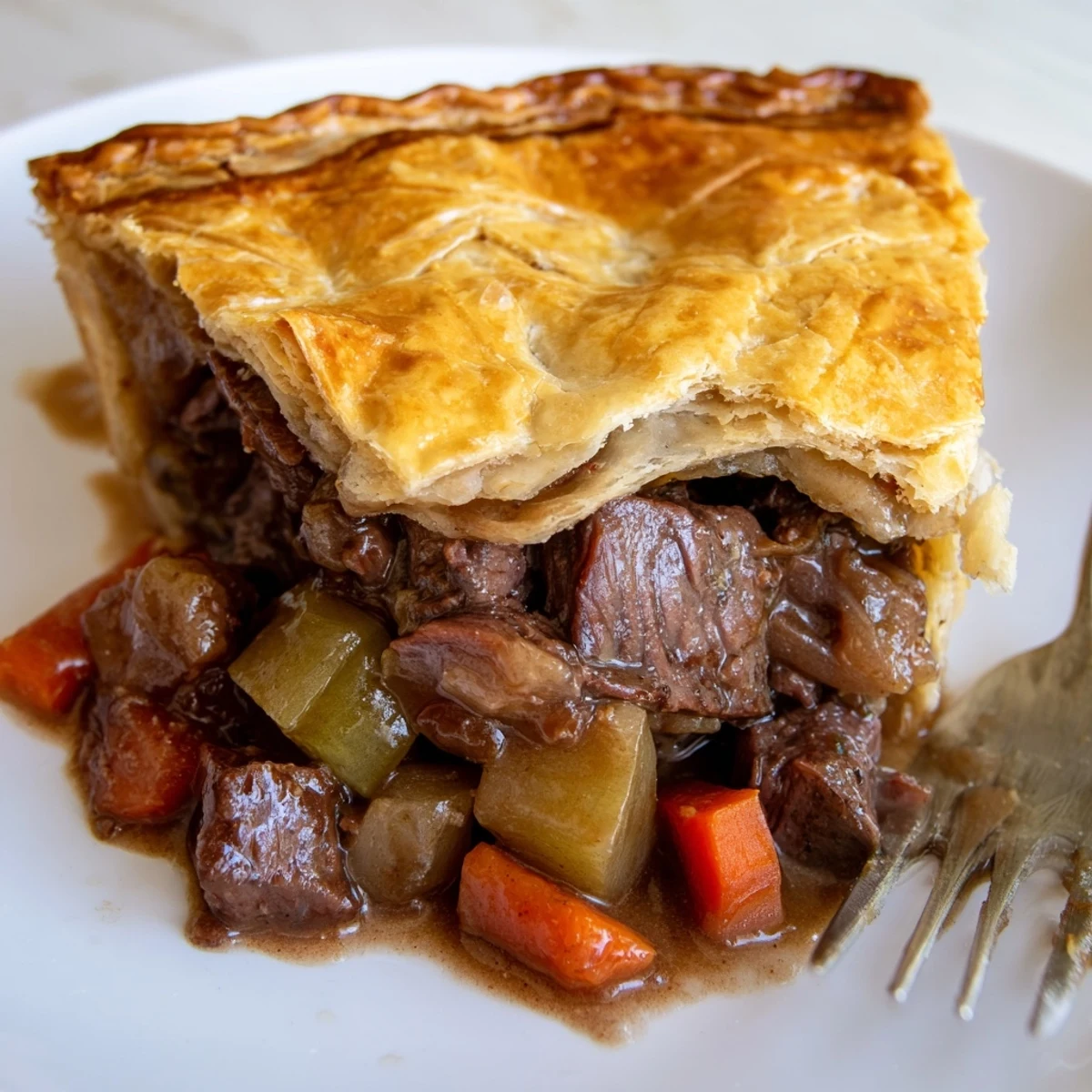
Save This hearty dish features tender beef chunks slow-cooked with carrots, celery, and onions in a rich, savory gravy enriched by red wine and herbs. Encased in a flaky golden crust made from cold butter and flour, it offers an inviting blend of textures. The filling is simmered to tender perfection, then baked with a crisp pastry top, providing a comforting and satisfying main course suitable for sharing.
My kitchen fills with steam every time I make this beef pie, and I'm instantly transported to my grandmother's farmhouse where the aroma of slow-cooked beef and wine would drift through the hallway for hours. There's something about the combination of tender meat, rich gravy, and buttery crust that feels less like cooking and more like conducting an old tradition. This pie became my answer to every celebration, every cold evening, every moment when people needed comfort on a plate. It's the kind of dish that makes you slow down.
I learned to make this properly during a particularly grey autumn when a friend dropped by unexpectedly at dinnertime with her two kids in tow. I had beef in the freezer and wine on the shelf, so I threw everything together while the children drew at my kitchen table. Watching them devour that pie two hours later, asking for seconds with sauce dripping down their chins—that's when I understood this wasn't just food, it was permission to gather.
Ingredients
- Beef chuck (2 lbs, cut into 1-inch cubes): Chuck is your friend here because it has just enough fat to stay tender through long cooking, not like lean cuts that turn stringy and sad.
- All-purpose flour (2 tbsp for coating, 2½ cups for crust): The flour for coating helps create a protective seal that locks in those beef juices during browning.
- Vegetable oil (2 tbsp): Use something neutral that won't smoke at high heat; this is where browning the beef properly actually matters.
- Onion, carrots, celery (diced): These three are your holy trinity, the foundation that every great gravy is built on.
- Garlic (2 cloves, minced): Add it after the softer vegetables so it doesn't burn and turn bitter.
- Beef stock and red wine (1 cup each): The wine adds depth and complexity; don't use anything you wouldn't drink, but expensive isn't necessary.
- Tomato paste (1 tbsp): This small amount adds umami and helps thicken the filling naturally without cornstarch.
- Worcestershire sauce, thyme, bay leaf: These three are the soul of the gravy, so don't skip them or substitute hastily.
- Cold unsalted butter (1 cup, diced): Cold butter is essential for flaky crust; if it starts warming up, stick it back in the fridge between mixing sessions.
- Ice water (6–8 tbsp): Start with less and add only as much as needed; too much water makes dense, tough crust.
- Egg (1, beaten): This egg wash creates that glossy, golden shine that makes people lean in closer when the pie emerges from the oven.
Instructions
- Heat your oven and prepare the beef:
- Preheat to 375°F (190°C). Toss your beef cubes with 2 tbsp flour, salt, and pepper in a large bowl until they're evenly coated; this helps them brown better and creates the base for your gravy.
- Brown the beef in batches:
- Heat oil in a large Dutch oven over medium-high heat until it shimmers. Brown the beef in batches, about 3-4 minutes per side, resisting the urge to stir constantly—you want a golden crust, not steamed meat. Set each batch aside on a plate.
- Build the vegetable base:
- In the same pot with all those beautiful browned bits stuck to the bottom, add diced onion, carrots, and celery. Sauté for about 5 minutes until they soften and release their sweetness, then add minced garlic and cook for just 1 minute more.
- Combine everything and simmer:
- Return the beef to the pot, then stir in tomato paste until everything is coated. Pour in red wine and beef stock, add Worcestershire sauce, dried thyme, and a bay leaf. Bring it all to a gentle simmer, then cover and reduce heat to low for 1.5 hours, stirring occasionally so nothing sticks.
- Make the crust while filling cooks:
- In a large bowl, whisk together flour and salt. Cut in the cold diced butter, rubbing it between your fingers until the mixture looks like coarse breadcrumbs with some pea-sized pieces remaining. Gradually add ice water, 1 tablespoon at a time, mixing gently until the dough just comes together without being wet.
- Chill and rest the dough:
- Divide the dough into two discs, wrap each in plastic, and refrigerate for at least 30 minutes while your filling finishes cooking and cooling slightly.
- Assemble the pie:
- Roll out one dough disc on a lightly floured surface to fit your 9-inch pie dish, then lay it gently in the dish and trim the edges. Spoon the cooled beef filling into the crust, filling it generously but leaving a little room at the top.
- Seal with the top crust:
- Roll out the second dough disc and place it over the filling. Seal the edges by pressing them together with your fingers or a fork, then cut a few small slits in the top to allow steam to escape.
- Brush and bake:
- Brush the entire top crust with your beaten egg wash for that professional golden shine. Bake for 40–45 minutes until the crust is deep golden brown and the filling starts bubbling slightly through the vents.
- Rest before serving:
- Let the pie rest for 10 minutes after coming out of the oven; this allows the filling to set just enough to slice cleanly without falling apart.
 Save
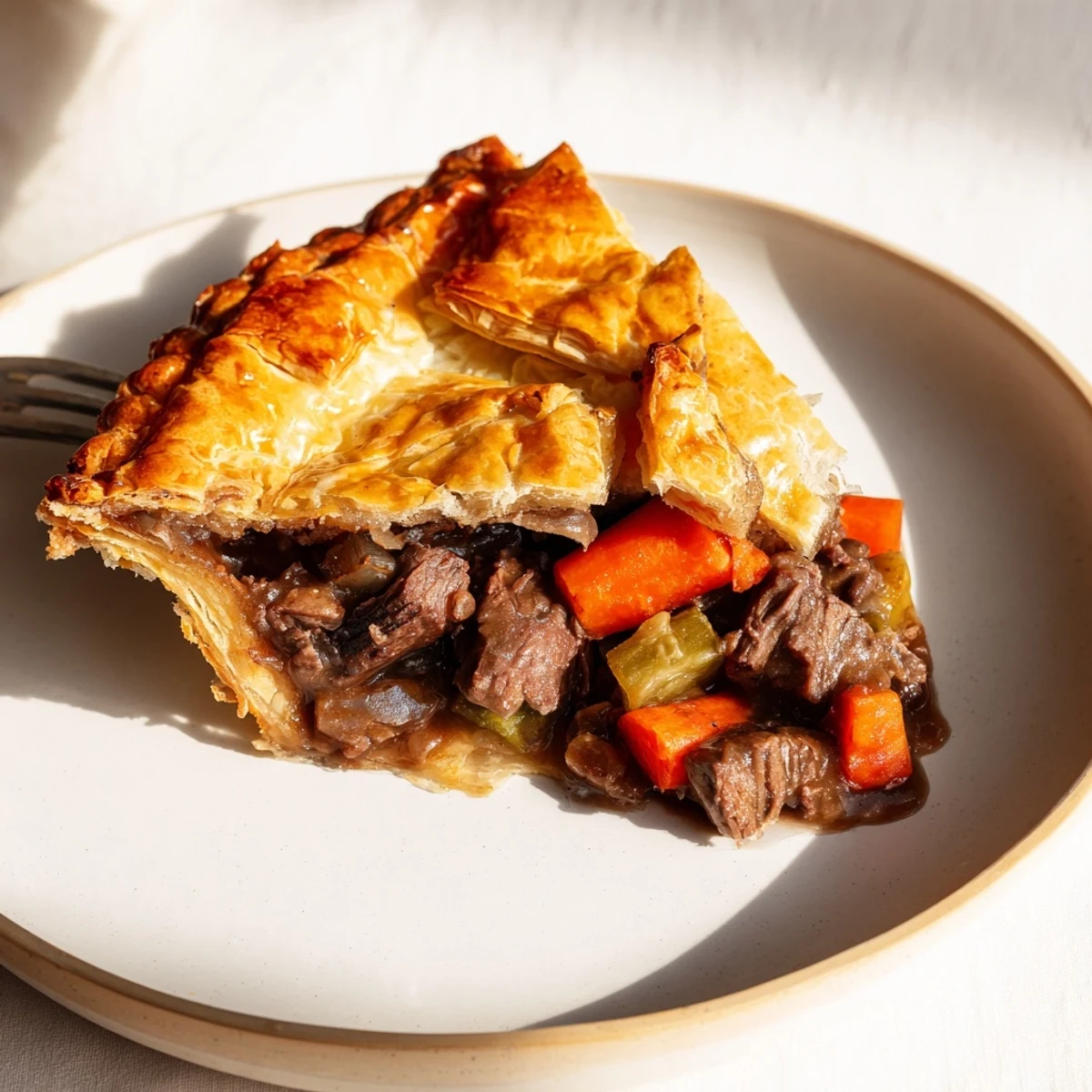
Save Years ago, I made this pie the night before a dinner party and served it cold the next afternoon as an experiment. The flavors had married overnight, deepened, become almost wine-dark and sophisticated. Someone asked if I'd planned it that way, and I let them think I had. Since then, I've learned that the best versions of this pie are sometimes the ones you make with intention, but also the ones that surprise you.
The Crust Is Everything
I spent years thinking I wasn't a crust person until I realized the problem wasn't me, it was my water temperature. Warm water makes tough crust; ice water makes flaky crust. That one shift changed everything. The moment you learn to keep your butter cold and your hands quick, you'll understand why people talk about their pie crust techniques like they're guarding state secrets. It's not complicated, it's just particular.
Why This Pie Matters
There's a reason beef pie appears in kitchens across continents and centuries—because it transforms simple ingredients into something that feels like home, no matter where you grew up. The long slow cooking isn't just technique, it's meditation. The aroma fills every room with expectation.
Variations and Timing
This recipe is flexible enough to bend to what's in your kitchen and what your mood demands. I've made it with half beef and half mushrooms on nights when I wanted something lighter but couldn't give up the richness. I've added frozen peas just before assembling, stirred in a handful of tomato-soaked bread to thicken the filling when I didn't have time to reduce it properly, even experimented with ale instead of wine when that's what I had open. Each version taught me something about the dish.
- Mushrooms can substitute for up to half the beef without sacrificing heartiness, especially cremini or portobello varieties.
- A handful of frozen peas stirred in adds sweetness and cuts through the richness beautifully.
- Any robust red wine works, but avoid anything overly oaky that might overpower the beef.
 Save
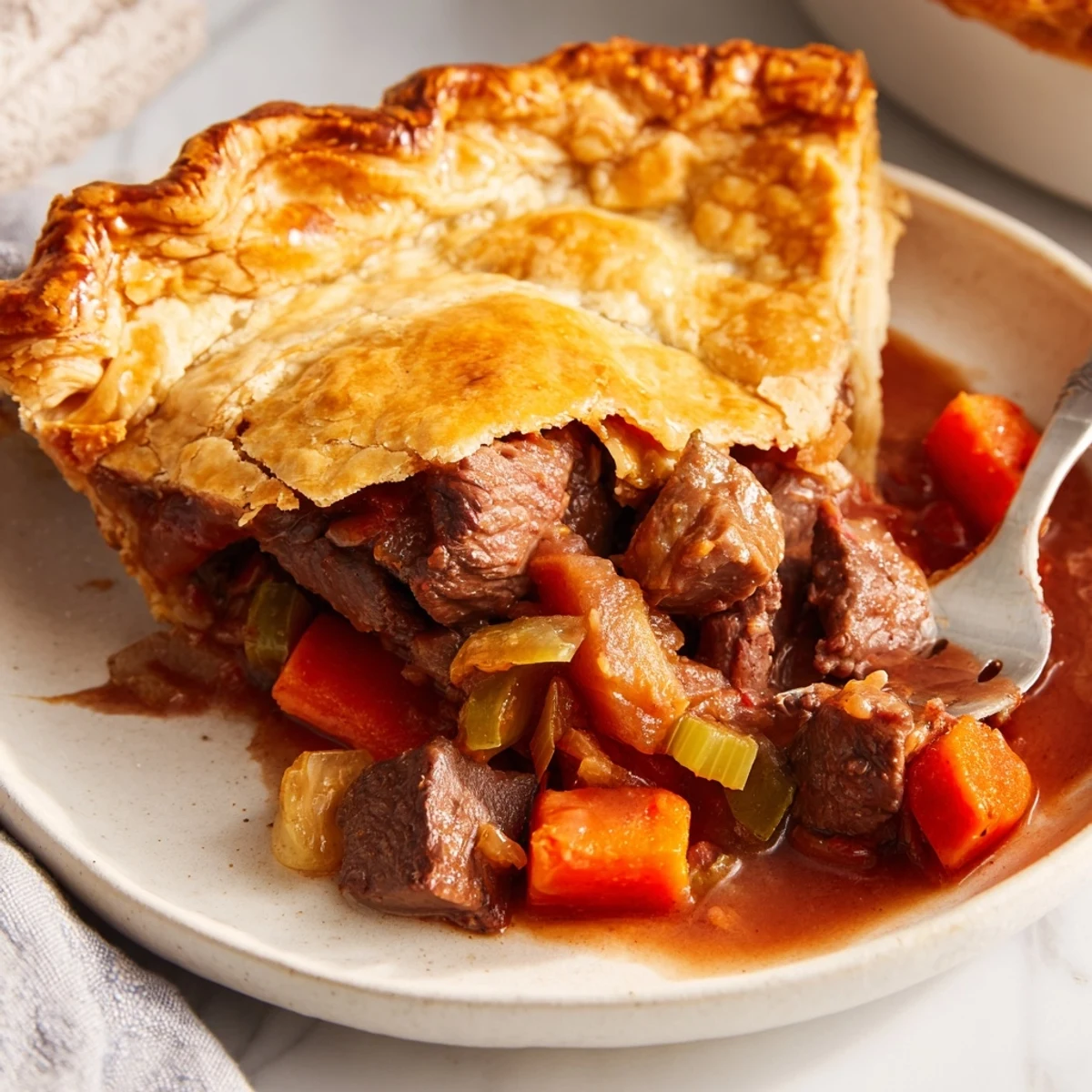
Save This pie has been my answer to so many moments—celebrations, quiet weekends, sudden gatherings, and long winters when warmth from the oven felt like the most important thing in the world. Make it for someone, watch their face when they cut into that golden crust and find the tender beef and dark gravy waiting beneath.
Recipe Questions & Answers
- → What cut of beef works best?
-
Beef chuck is ideal due to its balance of fat and tenderness after slow cooking.
- → How to make the crust flaky?
-
Use cold diced butter incorporated into flour, then chill the dough before rolling.
- → Can I prepare the filling in advance?
-
Yes, the filling can be made ahead and cooled before assembling to allow flavors to meld.
- → What vegetables enhance the filling?
-
Onions, carrots, celery, and garlic build a rich flavor base and add texture.
- → How to prevent a soggy bottom crust?
-
Ensure the filling is cooled and thickened well before placing it in the crust.