
 Save
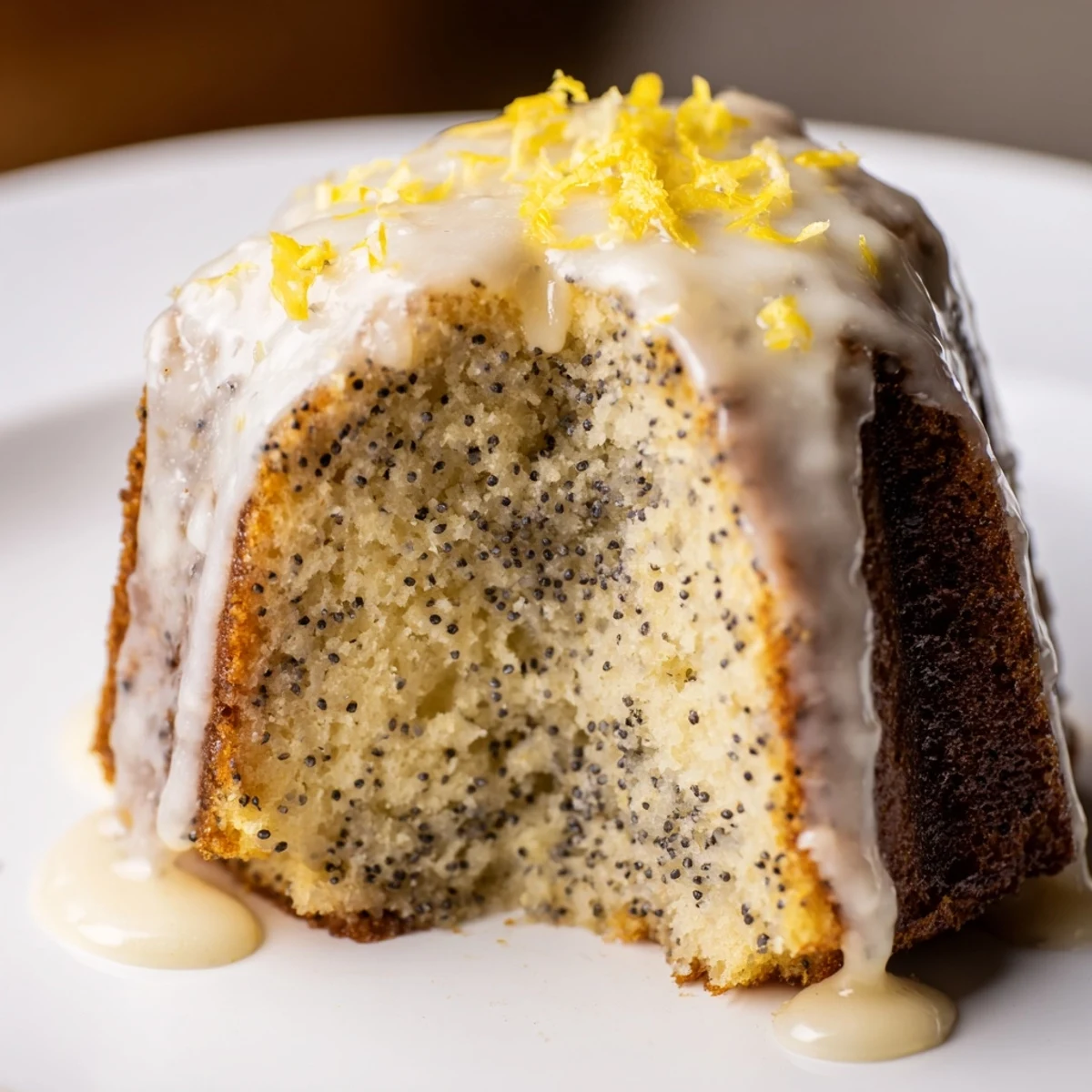
Save This elegant bundt cake combines moist, tender crumb with bright lemon flavor and delightful poppy seed texture. The batter comes together by creaming butter and sugar, then alternating dry ingredients with buttermilk for optimal moisture. A simple powdered sugar glaze with fresh lemon juice provides the perfect tangy-sweet finish. Bakes for 45-55 minutes until golden and springs back when touched.
The first time I made this lemon poppy seed bundt cake was on a drizzly spring afternoon when the kitchen needed some brightening up. The vibrant scent of fresh lemons filled my apartment as I zested them over the mixing bowl, tiny yellow flecks covering my fingertips. What started as a simple way to use up extra lemons from my neighbor's tree became an instant favorite that friends now specifically request for gatherings.
Last summer, I brought this cake to our family reunion at the lake house, balancing it carefully on my lap during the entire drive. My usually stoic uncle, who claims to dislike anything sweet, quietly returned for a second slice, then a third, finally asking in a whisper if I could teach his daughter how to make it. That moment of connection over something so simple as a lemon cake made the hours of baking worthwhile.
Ingredients
- Room Temperature Butter: After discovering the hard way that cold butter creates a dense cake, I now set my butter out the night before to ensure it creams perfectly with the sugar.
- Fresh Lemons: The oils in the zest contain the most intense flavor, so I always zest my lemons before juicing them to capture every bit of that sunny essence.
- Buttermilk: This tangy ingredient reacts with the baking soda to create the most tender crumb while complementing the lemon flavor in ways regular milk simply cannot.
- Poppy Seeds: These tiny seeds add a delightful crunch and subtle nutty flavor that balances the brightness of the lemon perfectly.
Instructions
- Prepare Your Pan:
- Be extremely generous when greasing and flouring your bundt pan, getting into every ridge and crevice. I learned to tap and rotate the pan several times to ensure even coverage, as this is your insurance policy against a cake that refuses to release.
- Create That Perfect Texture:
- When creaming the butter and sugar, patience is key. Watch as the mixture transforms from dense and yellow to light and almost white, a process that takes a full 3-4 minutes but makes all the difference in your cake's final texture.
- Master the Mixing Method:
- The alternating addition of dry ingredients and buttermilk is not just baking tradition but science at work. I start and end with flour to ensure the liquid is properly absorbed, folding gently after each addition until the batter looks silky but not overworked.
- The Toothpick Test:
- Around the 45-minute mark, the kitchen fills with an irresistible aroma that signals it's almost done. Insert a toothpick near the center, looking for a few moist crumbs rather than wet batter.
- Perfect Your Glaze:
- Start with less lemon juice than you think you need, adding it gradually until the glaze runs slowly from your spoon. I find the perfect consistency is when it coats the back of a spoon but still flows enough to drip beautifully down the sides of the cake.
 Save
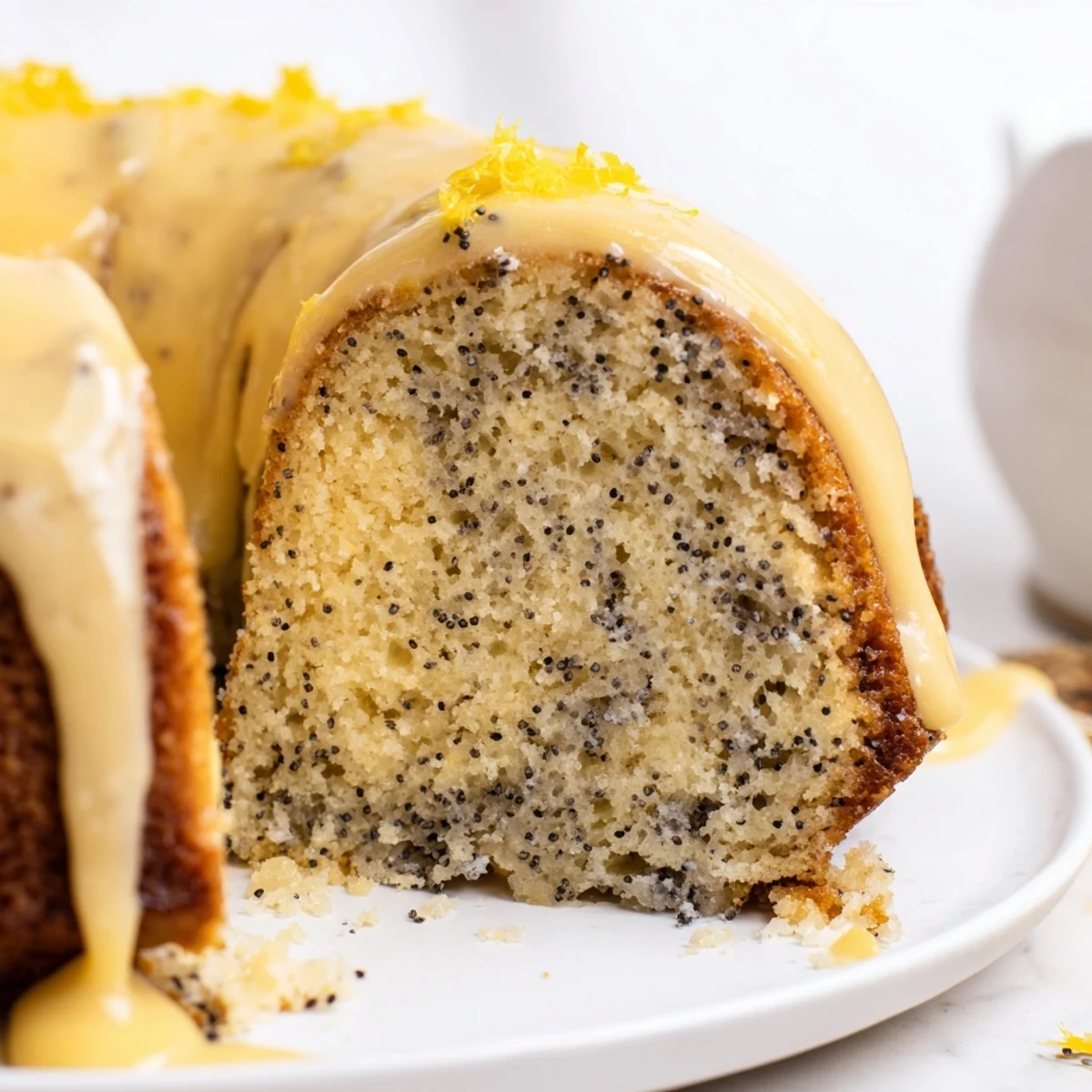
Save My daughter once helped me make this cake for her teacher's birthday, standing on her little step stool while carefully counting poppy seeds by the tablespoon. When her teacher called that evening to say it was the best cake she'd ever tasted, my daughter beamed with such pride that this recipe instantly became more than just ingredients on paper. It became a memory, a milestone, a small moment of triumph in our kitchen that we still talk about years later.
Make-Ahead Options
After many trial runs, I discovered this cake actually tastes better on day two, when the lemon flavor has had time to deepen and the texture becomes even more moist. Sometimes I bake it the night before a gathering, glaze it in the morning, and find it reaches peak deliciousness just as guests arrive. The cake can be made up to three days in advance and stored in an airtight container, making it perfect for busy weeks when you need to plan ahead.
Seasonal Variations
In winter, I often add a teaspoon of cardamom to the batter, its warm spiciness creating a cozy counterpoint to the bright lemon. Summer brings the opportunity to fold in a handful of fresh blueberries just before baking, their bursts of color and flavor complementing the lemon beautifully. During the holidays, I sometimes replace the poppy seeds with finely chopped cranberries and add a touch of orange zest alongside the lemon for a festive twist that disappears from the dessert table in minutes.
Serving Suggestions
Over years of serving this cake at everything from baby showers to book clubs, I've found the presentation makes all the difference. A cake stand elevates it both literally and figuratively, while fresh flowers or herb sprigs placed in the center hole transform it from everyday treat to special occasion centerpiece.
- For brunch gatherings, serve thin slices alongside fresh berries and a dollop of lightly whipped cream.
- At afternoon tea, pair with Earl Grey or a citrusy herbal blend that echoes the lemon notes in the cake.
- For dessert, a small scoop of vanilla bean ice cream alongside creates a perfect balance of temperatures and textures.
 Save
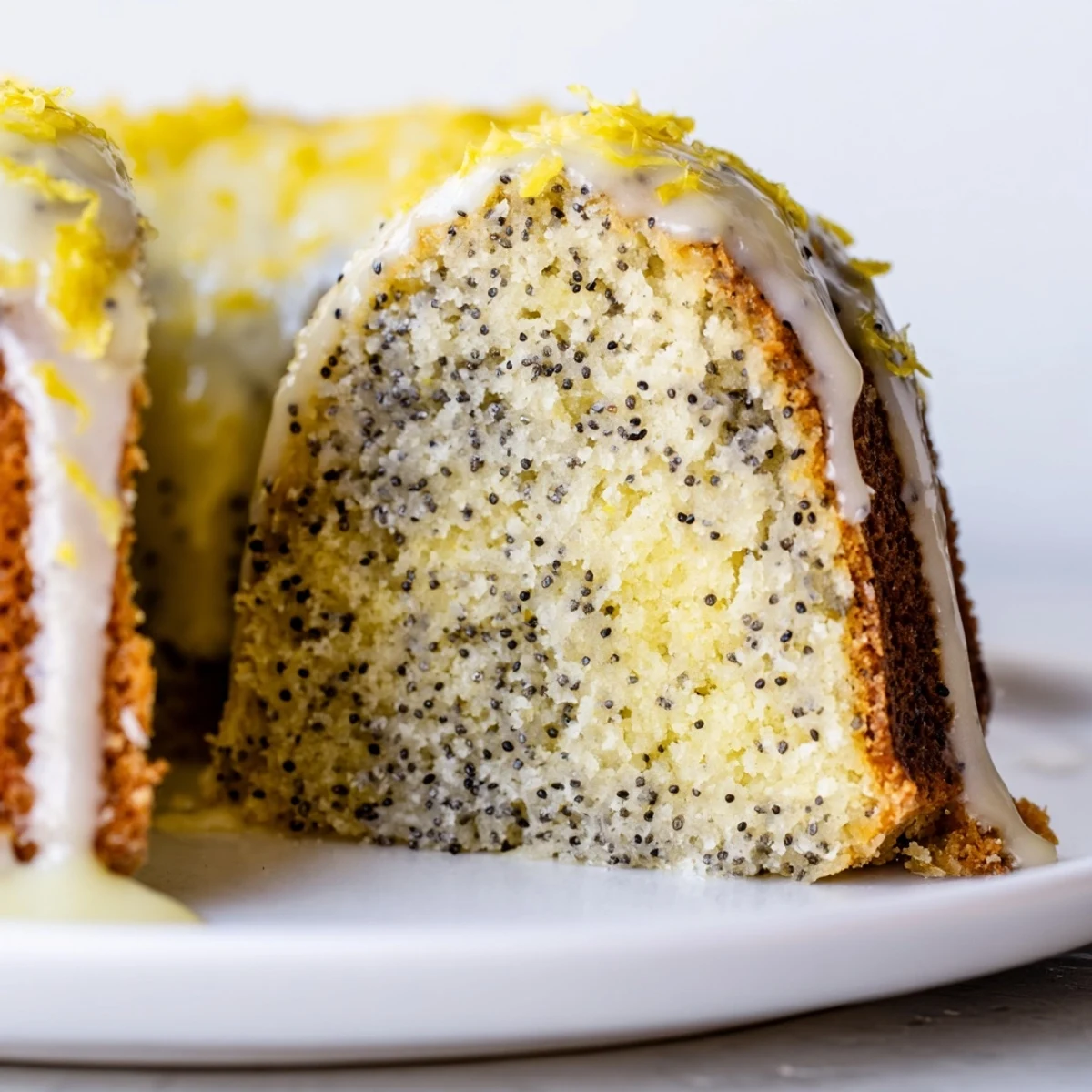
Save Every time I slice into this sunny cake, with its perfect golden crust and delicate glaze, I remember that good baking isnt just about following instructions but about creating moments. This recipe has been a constant companion through celebrations and ordinary days alike, each slice carrying the promise of brightness.
Recipe Questions & Answers
- → Can I make this cake ahead of time?
-
Yes, this bundt cake keeps well for up to 3 days in an airtight container at room temperature. You can even bake it a day ahead and add the glaze just before serving for a fresher appearance.
- → What should I use to grease the bundt pan?
-
Generously coat the pan with baking spray or a combination of softened butter and flour. This ensures easy release without damaging the intricate design of the cake.
- → How do I prevent a sunken center?
-
Don't overmix the batter once you add the dry ingredients, as this develops too much gluten. Also, ensure your oven temperature is accurate and avoid opening the door during baking.
- → Can I substitute the buttermilk?
-
Plain yogurt works as an excellent substitute for buttermilk in equal amounts. You can also make a quick buttermilk replacement by mixing regular milk with lemon juice or vinegar.
- → What's the best way to zest lemons?
-
Use a microplane grater for finest, fluffiest zest. Grate only the yellow outer layer, avoiding the bitter white pith beneath. Fresh lemons yield the most vibrant flavor and aroma.
- → How thick should the glaze be?
-
The glaze should be pourable but still cling to the cake. Start with 2 tablespoons lemon juice and add more as needed for your desired consistency—thinner for a drizzle, thicker for more coverage.