
 Save
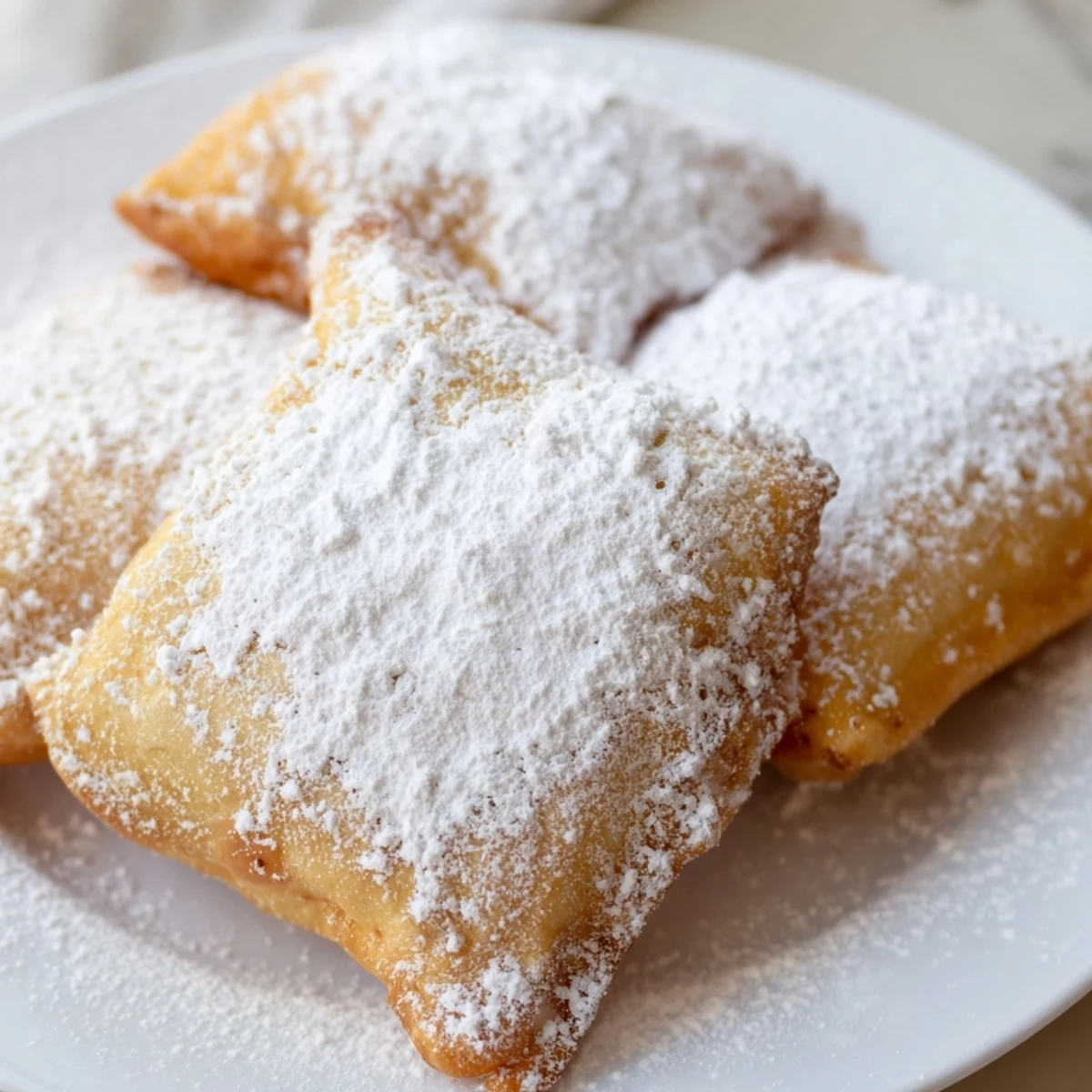
Save This golden fried dough is light, airy, and coated with a generous dusting of sugar, embodying the festive spirit of Mardi Gras. Made from a yeast-leavened dough that's kneaded and allowed to rise, the dough is rolled out and cut into pieces before being fried until puffed and golden brown. Each piece is then tossed or sifted with sugar, creating a crisp, sweet exterior that pairs wonderfully with coffee or hot chocolate. This treat is perfect for sharing at celebrations and brings a touch of New Orleans tradition to your kitchen.
The first time I had these was at a tiny street corner in the French Quarter, clutching a paper bag that was practically translucent from grease and steam. Powdered sugar covered everything—my hands, my jacket, probably my hair too—and I didn't care a bit. That messy, joy-inducing moment is exactly what Mardi Gras tastes like, and I've been chasing that feeling in my kitchen ever since.
Last year I made a double batch for a Fat Tuesday party and ended up stationed at the stove like a short-order cook, dropping dough squares into bubbling oil while friends gathered around with coffee mugs. By the time I emerged, powdered sugar dusted my eyebrows and everyone was asking for the recipe. Some kitchen traditions are worth repeating.
Ingredients
- Active dry yeast: This tiny packet does all the heavy lifting, so make sure your milk is warm but not hot to keep those little organisms happy and active
- Warm milk: Aim for bath temperature, around 110°F, anything hotter will kill your yeast and nothing rises quite like disappointment
- Granulated sugar: You will need some for the dough and more for coating, do not be shy with the dusting step
- All-purpose flour: No fancy bread flour needed here, regular flour gives these that classic pillowy texture
- Salt: Just a half teaspoon to balance all that sweetness and make the flavors pop
- Unsalted butter: Melt it first so it incorporates evenly into the dough without leaving stubborn pockets
- Large egg: Room temperature eggs blend better into dough, so set it out while you gather everything else
- Vegetable oil: You need enough for deep frying, so do not try to stretch a half-inch of oil into something it is not
- Extra sugar for topping: Granulated gives a satisfying crunch while powdered sugar feels more traditional and dramatic
Instructions
- Wake up the yeast:
- Dissolve the yeast and one tablespoon of sugar in warm milk, then walk away for 5 to 10 minutes until you see a foamy layer forming on top—that bubbling action tells you the yeast is alive and ready to work.
- Mix your dry foundation:
- Whisk together the flour, the remaining tablespoon of sugar, and salt in a large bowl so everything is evenly distributed before you add any wet ingredients.
- Bring it all together:
- Pour in the melted butter, crack in the egg, and add that foamy yeast mixture, then stir until a shaggy dough forms—do not worry if it looks messy at first.
- Knead until smooth:
- Turn the dough onto a floured surface and work it with your hands for 5 to 7 minutes, feeling it transform from sticky and rough to smooth and elastic.
- Let it rise:
- Place the dough in a lightly oiled bowl, cover it with a clean towel, and find a warm corner where it can double in size over the next hour—this is when the magic happens.
- Roll and cut:
- Punch down the risen dough to release any air bubbles, then roll it out to about 1/4-inch thickness and cut into 2-inch squares or any shape that makes you happy.
- Heat the oil:
- Get your oil to 350°F in a deep pot or fryer—too cool and the dough will be greasy, too hot and the outside burns before the inside cooks through.
- Fry to golden perfection:
- Cook the dough pieces in batches for 1 to 2 minutes per side, watching them puff up dramatically and turn that gorgeous golden brown that signals they are done.
- Sugar them warm:
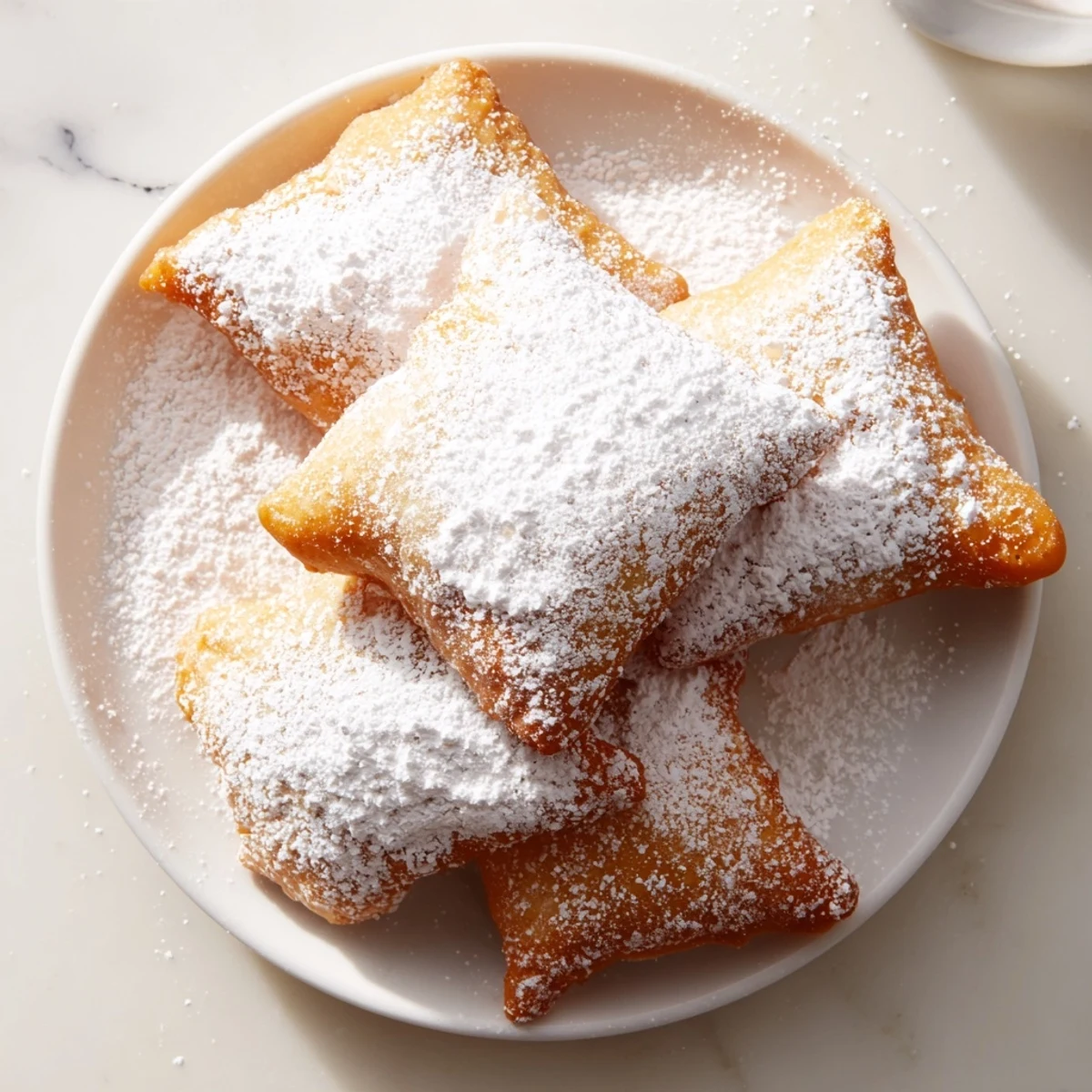
- Let the fried dough drain briefly on paper towels, then while they are still warm toss them generously in sugar or sift powdered sugar over the top so it sticks to every surface.
 Save
Save My daughter tried to help once and ended up with more sugar on the floor than on the dough, but we both laughed until our sides hurt and ate the imperfect ones anyway. Sometimes the messy moments become the ones you talk about for years.
Getting The Right Texture
The secret to that cloud-like interior is not overworking the dough once it has risen. Handle it gently during rolling and cutting, and let the oil do the heavy lifting for puff. Pressing down too hard or rerolling scraps too many times will make the final product tough instead of tender.
Oil Temperature Matters
Invest in a kitchen thermometer if you do not already own one. Too-cold oil creates greasy, heavy dough, while oil that is too hot burns the outside before the center has a chance to cook through. That sweet spot around 350°F is where fried dough becomes something special.
Serving Suggestions
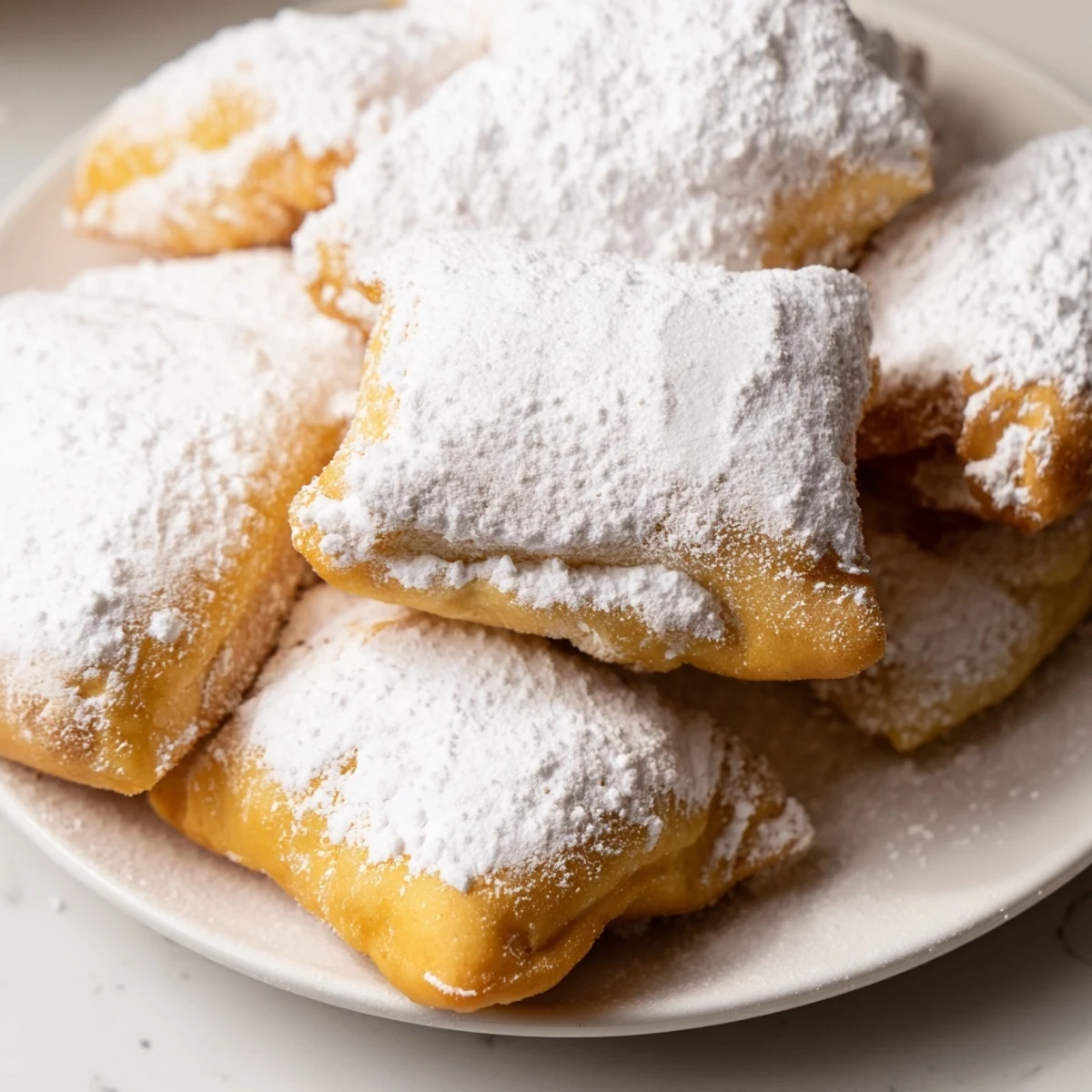
These are best eaten the moment they are made, while still warm and the sugar is slightly melting against your fingers. That first bite is everything.
- Set up a sugar station with different coatings so guests can customize
- Keep the batches small and serve them as they come out of the oil
- Coffee or hot chocolate is practically mandatory for the full experience
 Save
Save Whether you are celebrating Mardi Gras or just need a reason to fry something on a Tuesday morning, these bring a little festival energy into your kitchen. Laissez les bons temps rouler, indeed.
Recipe Questions & Answers
- → What type of flour is best for fried dough?
-
All-purpose flour works well, providing the right balance of structure and tenderness for light, airy fried dough.
- → How do I know when the dough has risen enough?
-
The dough should double in size, usually after about an hour in a warm environment, becoming puffy and soft to the touch.
- → What oil temperature is ideal for frying?
-
Maintain the oil at around 350°F (175°C) to ensure the dough cooks evenly and achieves a golden, crisp exterior without absorbing excess oil.
- → Can I use powdered sugar instead of granulated sugar for dusting?
-
Yes, powdered sugar offers a classic finish typical of New Orleans styles and adds a delicate sweetness and texture.
- → How should fried dough be stored if not consumed immediately?
-
For best texture, consume fresh. If storing, keep in an airtight container at room temperature and briefly reheat before serving.
- → Are there any suggested flavor additions to the sugar topping?
-
A pinch of cinnamon mixed into the sugar adds warmth and extra depth to the sweet coating.