
 Save
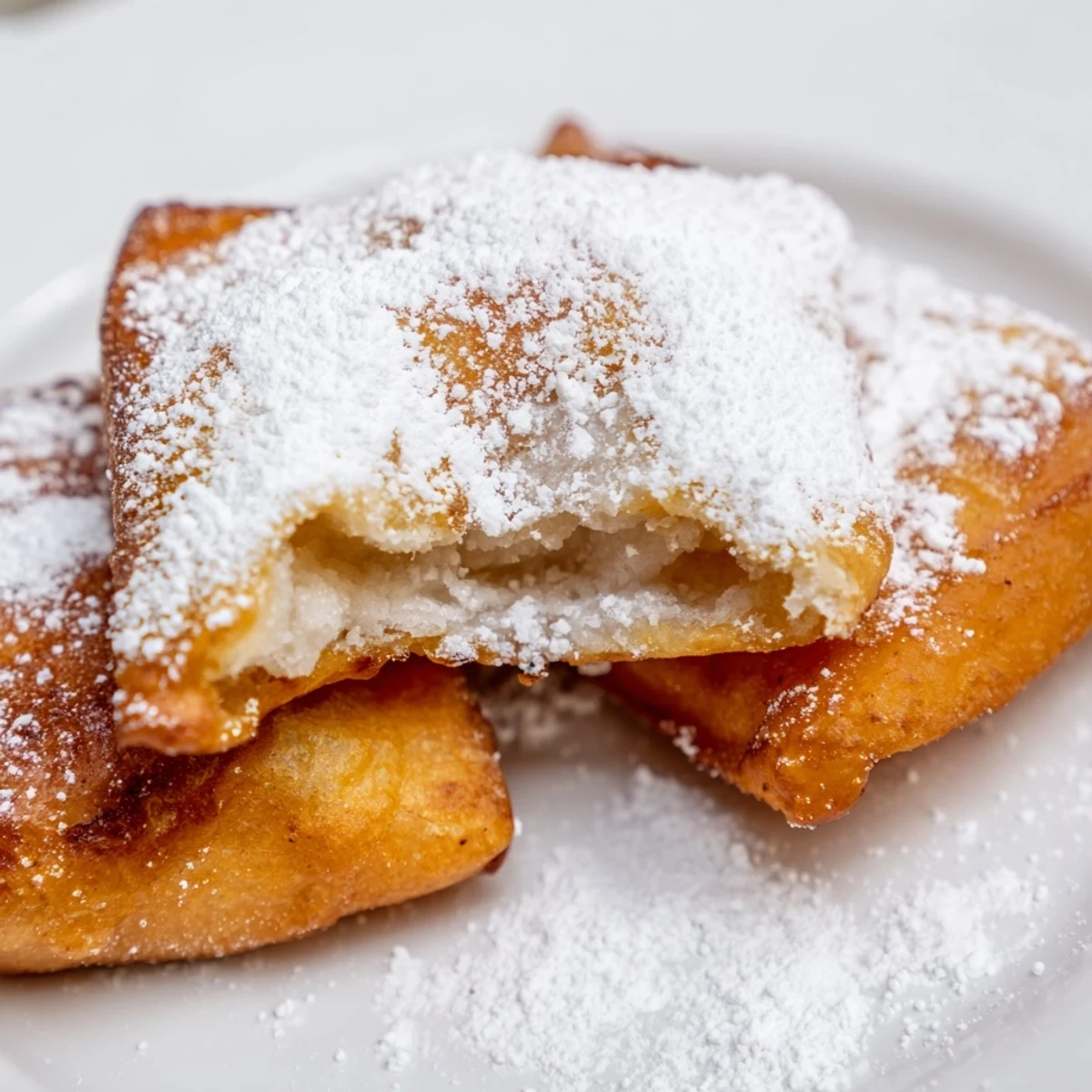
Save These delightful fried dough squares bring the spirit of carnival right to your kitchen. Starting with a yeast-leavened dough, you'll combine warm milk, water, and yeast, then enrich it with eggs, butter, and sugar. After a good knead and a crucial hour of rising, the dough is rolled out and cut into squares. The magic happens next as these pieces are deep-fried to a beautiful golden brown, transforming into light, airy pillows. A generous dusting of powdered sugar is the perfect finishing touch, ready to be enjoyed warm. Ideal for celebrations or a sweet indulgence.
I can almost smell the sweet, yeasty perfume just thinking about these beignets. There's a particular magic to a fried dough, especially one as light and airy as these carnival-style treats. I first encountered them on a surprisingly cool spring afternoon at a local street festival, watching the vendors expertly flip golden squares into a mountain of powdered sugar. The sheer joy on everyone's faces, sticky fingers and all, made me determined to recreate that feeling at home.
One New Year's Day, after a particularly late night of celebrations, I decided to surprise my sleepy houseguests with a fresh batch. The sound of the oil sizzling in the quiet morning, followed by the clatter of the cooling rack and then the gentle snow of powdered sugar, was a symphony. Everyone emerged from their rooms, drawn by the irresistible aroma, and we shared a truly unforgettable, sugar-dusted breakfast that felt like a warm hug.
Ingredients
- All-purpose flour: This is the backbone of our dough; don't substitute with anything too low in protein, as we need that gluten development for a chewy, yet tender, beignet.
- Whole milk & water: Using warm liquids is crucial for waking up our yeast; think of it as giving them a cozy bath to get them ready for action.
- Unsalted butter: Melted butter adds richness and tenderness to the dough, ensuring a soft interior.
- Granulated sugar: Just enough to feed the yeast and add a subtle sweetness, balancing the richness.
- Large eggs: Room temperature eggs emulsify better and integrate smoothly into the dough, leading to a more consistent texture.
- Active dry yeast: The magical leavening agent that gives our beignets their characteristic airy puff; always check its expiration date!
- Salt: Essential for flavor balance, it truly brings out the sweetness and prevents the dough from tasting flat.
- Vanilla extract: A lovely aromatic touch that enhances the overall sweetness and complexity of the dough.
- Neutral oil (such as canola or vegetable): Choose an oil with a high smoke point that won't impart unwanted flavors, allowing the beignets' true taste to shine.
- Powdered sugar: The iconic snow-like topping; a generous dusting is non-negotiable for that classic beignet experience.
Instructions
- Activate Your Yeast:
- Gently combine the warm water, warm milk, and yeast in a small bowl, letting it sit quietly for about five minutes until a lovely foam appears on top, signaling it's alive and ready to work.
- Whisk the Wet Wonders:
- In your largest mixing bowl, whisk together those room temperature eggs with the melted butter, granulated sugar, salt, and vanilla until everything is beautifully combined.
- Combine and Conquer:
- Pour that bubbly yeast mixture into your whisked wet ingredients, giving it a good stir. Now, slowly add the flour, stirring patiently until a soft, shaggy dough starts to form.
- Knead for Greatness:
- Turn the dough onto a lightly floured surface and knead it with purpose for about 5-7 minutes; you're looking for a smooth, elastic texture that bounces back when gently poked.
- Let It Rise:
- Place your beautifully kneaded dough into a greased bowl, cover it snugly with a clean towel or plastic wrap, and let it rise in a warm, cozy spot until it's gloriously doubled in size, which usually takes about an hour.
- Roll and Cut:
- Once risen, gently punch down the dough to release the air. Then, roll it out onto a floured surface to roughly half an inch thick, aiming for an even sheet. With a sharp knife or pastry cutter, transform that dough into charming two-inch squares.
- Heat the Oil:
- Carefully heat your neutral oil in a deep fryer or a sturdy, heavy pot until it reaches a perfect 350°F (175°C); a thermometer is your best friend here.
- Fry to Golden Perfection:
- Delicately drop the beignet squares into the hot oil in small batches, giving them space. Watch them puff and turn a gorgeous golden brown, about two minutes per side, before carefully removing them.
- Drain and Dust:
- Use a slotted spoon to lift the cooked beignets from the oil, letting them drain briefly on a paper towel-lined surface. While they're still wonderfully warm, shower them generously with powdered sugar until they look like little snowdrifts.
- Serve Immediately:
- These beauties are truly at their best when enjoyed fresh and warm, so gather your loved ones and dig in!
 Save
Save I remember one autumn evening, feeling a bit down after a particularly busy week, I decided to make these just for myself. There was something incredibly therapeutic about the methodical kneading, the quiet waiting for the dough to rise, and then the satisfying sizzle of the oil. Each perfectly fried, sugar-dusted square was a small victory, and by the end, my mood had lifted considerably, reminding me that sometimes, the best comfort comes from a simple, warm treat made with your own hands.
The Magic of the Rise
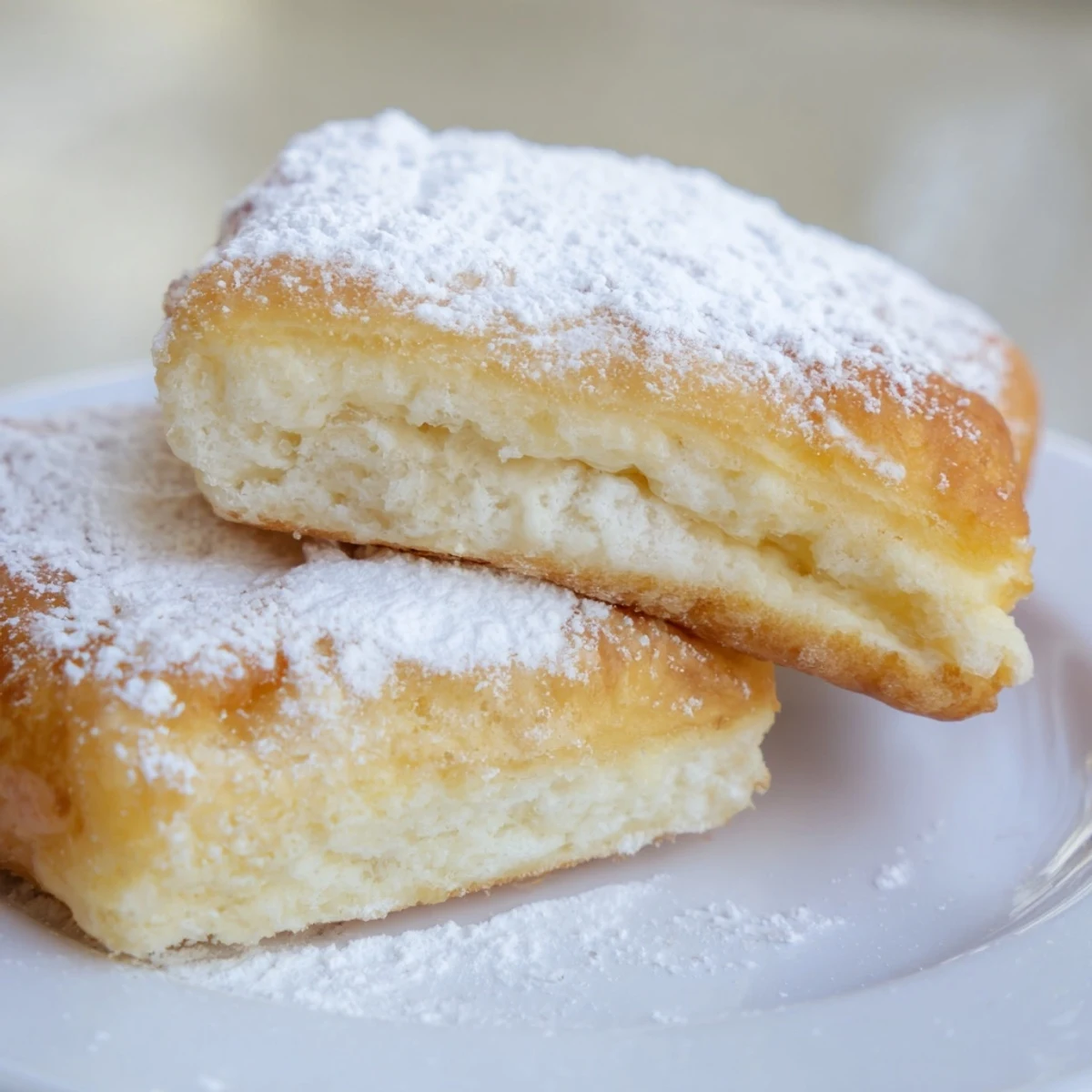
Watching the dough slowly expand, transforming from a dense mass into a light, airy cloud, is one of the most satisfying parts of making beignets. It's a reminder of the living power of yeast and the patience that good baking demands. If your kitchen is a bit chilly, try placing the covered bowl in a slightly warm (but not hot!) oven that's been turned off, or near a sunny window, to encourage a proper rise. Don't rush this step; a good rise leads to those coveted airy pockets.
Frying Safely and Smartly
Deep frying can seem intimidating, but with a few precautions, it's completely manageable. Always use a pot that's deep enough to prevent oil from overflowing, and never fill it more than halfway. Have a lid nearby in case of a grease fire (though hopefully, you'll never need it!), and keep children and pets away from the hot oil. Using a reliable thermometer ensures your oil stays at the correct temperature, which is key to perfectly cooked, non-greasy beignets.
The Art of the Dusting
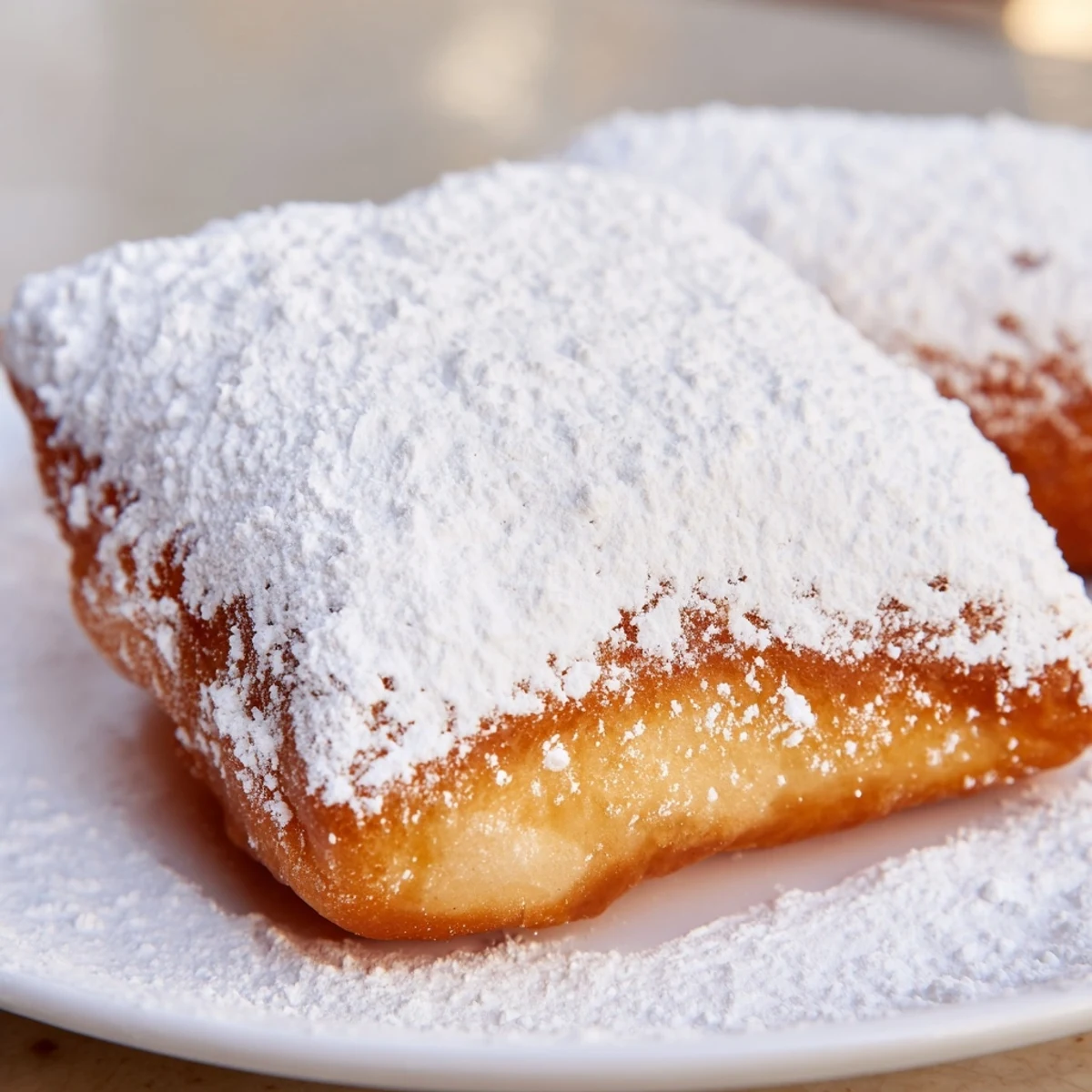
Dusting beignets with powdered sugar isn't just an aesthetic choice; it's part of the authentic experience. For the best coverage, I like to use a fine-mesh sieve and hold it high above the plate, allowing the sugar to fall like a soft snowstorm.
- Dust them while they're still warm so the sugar adheres beautifully and melts slightly into the surface.
- Don't be shy with the sugar; it's meant to be a generous coating.
- Serve them on a platter with extra powdered sugar on the side for those who want an even sweeter finish.
 Save
Save These beignets are more than just a dessert; they're a little bite of joy, a testament to the simple pleasures of homemade treats. I hope they bring as much warmth and delight to your kitchen as they do to mine.
Recipe Questions & Answers
- → What are beignets?
-
Beignets are light, airy fried dough pastries, often square-shaped, that are a staple in French and Creole cuisine. They are typically served hot and generously dusted with powdered sugar, offering a delightful crisp exterior and soft interior.
- → What's the secret to light and pillowy beignets?
-
The key lies in proper yeast activation and adequate rising time. Ensure your yeast is active and allow the dough to double in size during the first rise. Also, don't overcrowd the frying pan; this helps maintain consistent oil temperature and ensures even cooking, contributing to their signature airy texture.
- → Can I make beignet dough in advance?
-
Yes, you can prepare the dough a day ahead. After the first rise, punch it down gently, cover it tightly, and refrigerate. Allow it to come to room temperature for about 30-60 minutes before rolling and cutting, then proceed with frying as usual.
- → What's the best way to serve these?
-
Beignets are absolutely best served fresh and warm, immediately after dusting with powdered sugar. Traditionally, they are paired with a rich café au lait or hot chocolate for a classic experience.
- → Are there any ingredient substitutions I can make?
-
For a dairy-free version, you can substitute whole milk with a plant-based milk and use vegan butter. If you prefer a citrus hint, add 1 teaspoon of grated lemon or orange zest to the dough for an extra layer of flavor.
- → How should I store leftover beignets?
-
While best fresh, you can store leftover beignets in an airtight container at room temperature for up to a day. Reheat them briefly in an oven or air fryer to regain some crispness, then re-dust with powdered sugar before serving.