
 Save
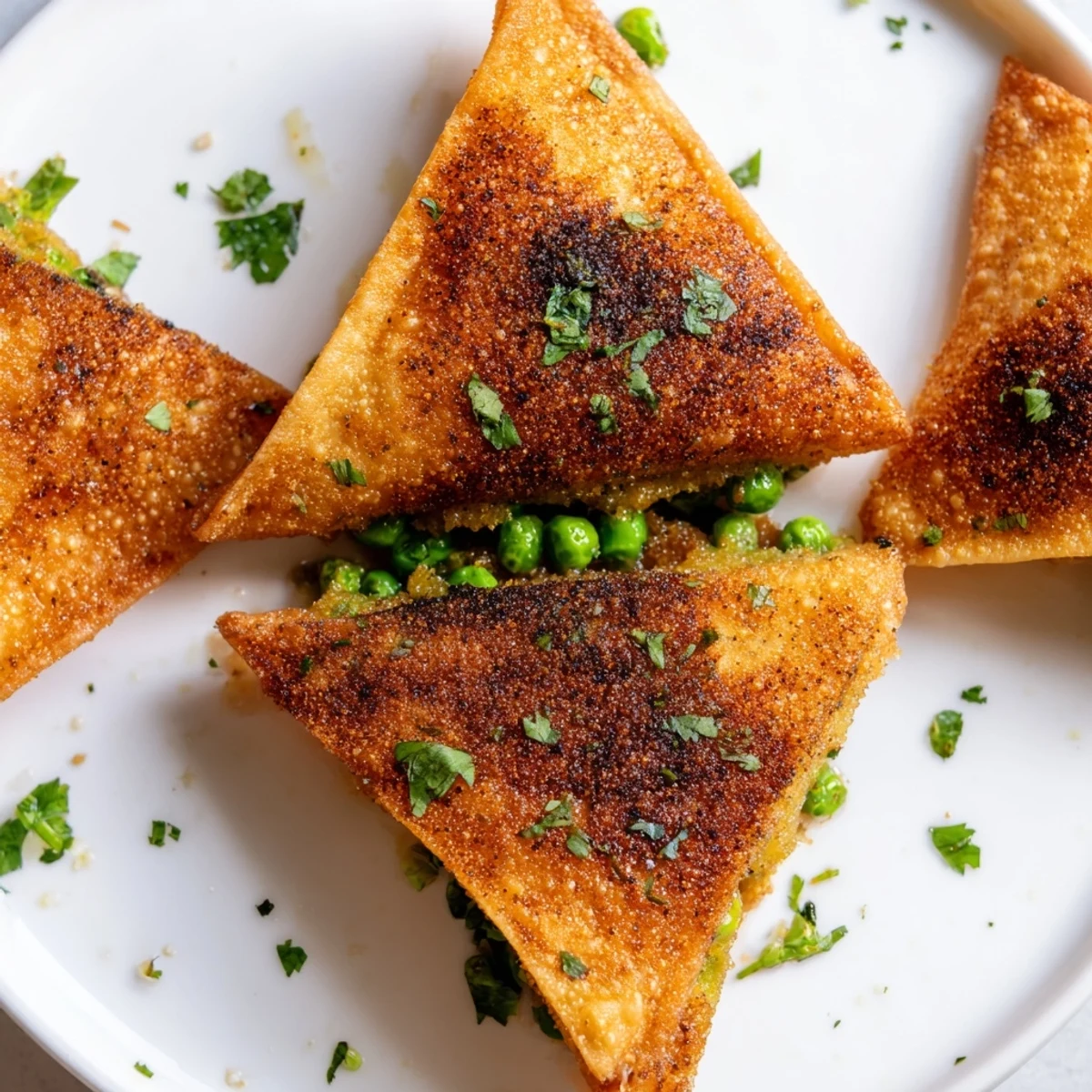
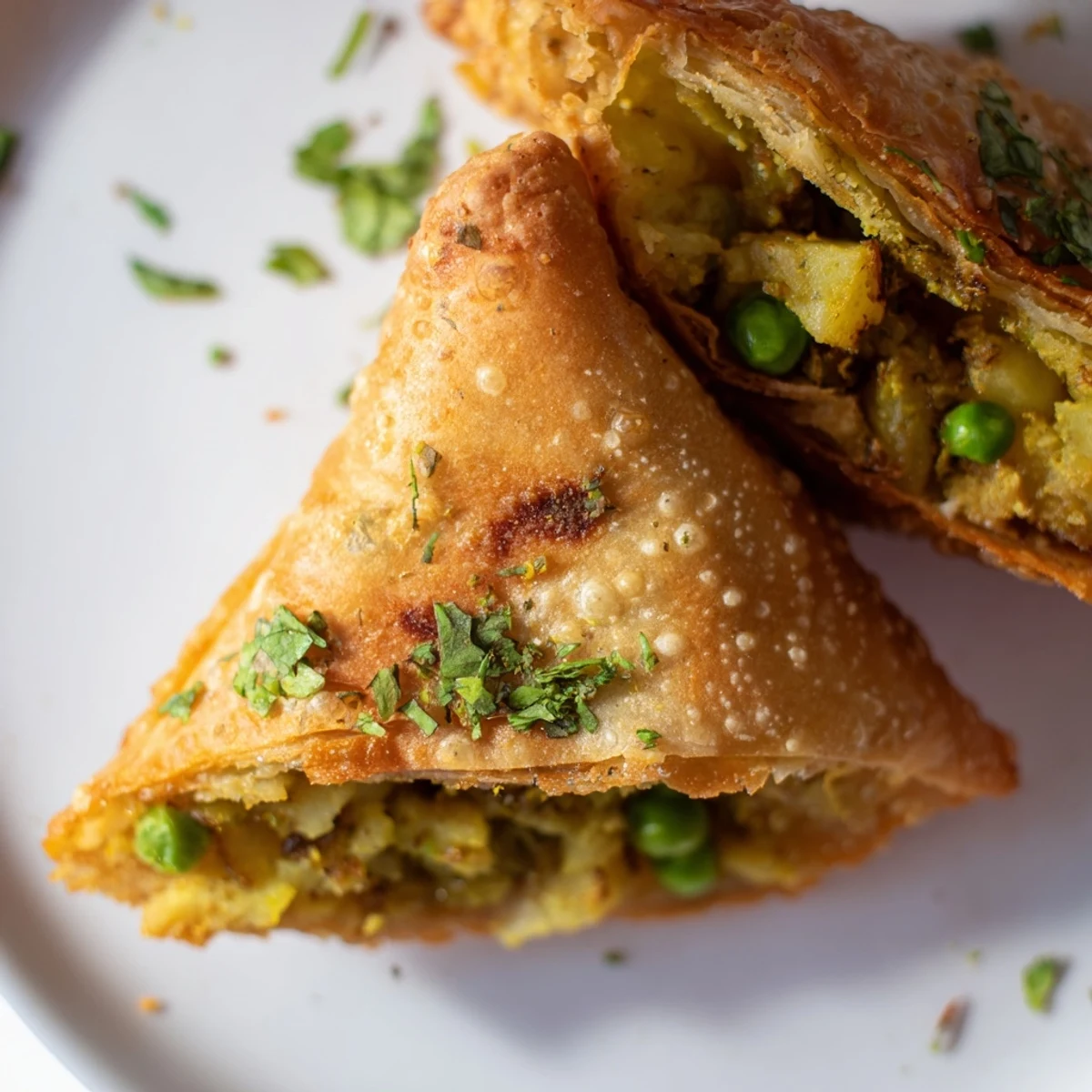
Save These traditional Indian appetizers feature flaky, golden pastry shells filled with a savory mixture of mashed potatoes, green peas, and aromatic spices like cumin, coriander, and garam masala. The dough is made from scratch, rolled into triangles, then deep-fried until perfectly crisp. Each samosa delivers a satisfying crunch followed by a warm, flavorful interior balanced with fresh cilantro and tangy lemon juice. While deep-frying creates the classic texture, you can also bake them for a lighter version. The result is twelve hand-held treats that pair beautifully with mint chutney or tamarind sauce for gatherings, tea time, or as a satisfying snack.
The smell of cumin hitting hot oil still takes me back to my friend Priya's tiny kitchen in college, where she taught me to fold these triangles while her cat knocked over the salt shaker. I probably messed up the first five samosas, sealing them so poorly the filling escaped during frying. But by batch three, something clicked—the dough became pliable under my fingers, the folding started making sense, and that first perfectly crisp bite made all the uneven attempts worth it.
Last Diwali, I made sixty of these for a potluck, setting up an assembly line on my dining table with my roommate. We played old Bollywood music, flour dusted every surface, and by midnight we were deliriously tired but surrounded by golden, perfect triangles. My aunt called them restaurant quality, which still might be the best cooking compliment I've ever received.
Ingredients
- All-purpose flour: Creates that essential crisp shell that shatters when you bite into it
- Vegetable oil: Rubbed into the flour, it keeps the dough tender and flaky
- Potatoes: The base of our filling, mashed just enough to bind everything together
- Green peas: Add little bursts of sweetness throughout the spiced filling
- Ginger and garlic: The aromatic foundation that makes the filling taste authentic
- Garam masala: That warming spice blend that gives samosas their signature flavor
- Fresh cilantro: Brightens the filling with a burst of fresh, herbal notes
Instructions
- Mix the dough:
- Combine flour and salt in a bowl, then rub in the oil until the mixture looks like coarse sand, gradually adding water until you have a smooth, firm dough that rests for 30 minutes.
- Prepare the filling:
- Boil potatoes until tender, then sauté onion, ginger, garlic, and chili before adding your spices and folding in the potatoes and peas until everything is fragrant and well combined.
- Shape the triangles:
- Roll dough into circles, cut in half, and form cones by sealing the straight edge with water before filling and pressing the top shut into that classic triangle shape.
- Fry until golden:
- Heat oil to 350°F and fry samosas in batches, turning them occasionally until they're uniformly golden brown and sound hollow when tapped.
 Save
Save My father in law, who's usually quiet about food, ate four of these straight from the paper towel lined plate while standing in my kitchen. He told me they reminded him of the street vendors in Mumbai, which felt like passing some kind of unspoken cooking exam.
Making The Dough Work For You
The dough should feel firm but not stiff, almost like play dough that holds its shape but still yields to pressure. If it's too dry, it'll crack when you roll it out, but add water too gradually and you'll end up with a sticky mess. I've found that letting it rest is non negotiable, even when I'm impatient and want to skip ahead.
Building Better Flavor
Toast your whole spices briefly in hot oil before adding the onions, and you'll notice a depth that's missing from the rushed version. I also like to let the filling sit for at least 15 minutes after cooking so the spices really marry together. The lemon juice at the end might seem optional, but it's what cuts through the richness and makes each bite feel complete.
The Freezing Secret
Arrange uncooked samosas on a baking sheet until frozen solid, then transfer to a freezer bag for up to three months. When you're ready to cook them, there's no need to thaw, just add an extra minute or two to the frying time.
- Brush frozen samosas with oil before baking at 400°F for 30 minutes if you want to avoid frying altogether
- Double seal the edges if freezing, as cold dough can sometimes develop small cracks
- Let fried samosas drain on a wire rack instead of paper towels for maximum crispiness
 Save
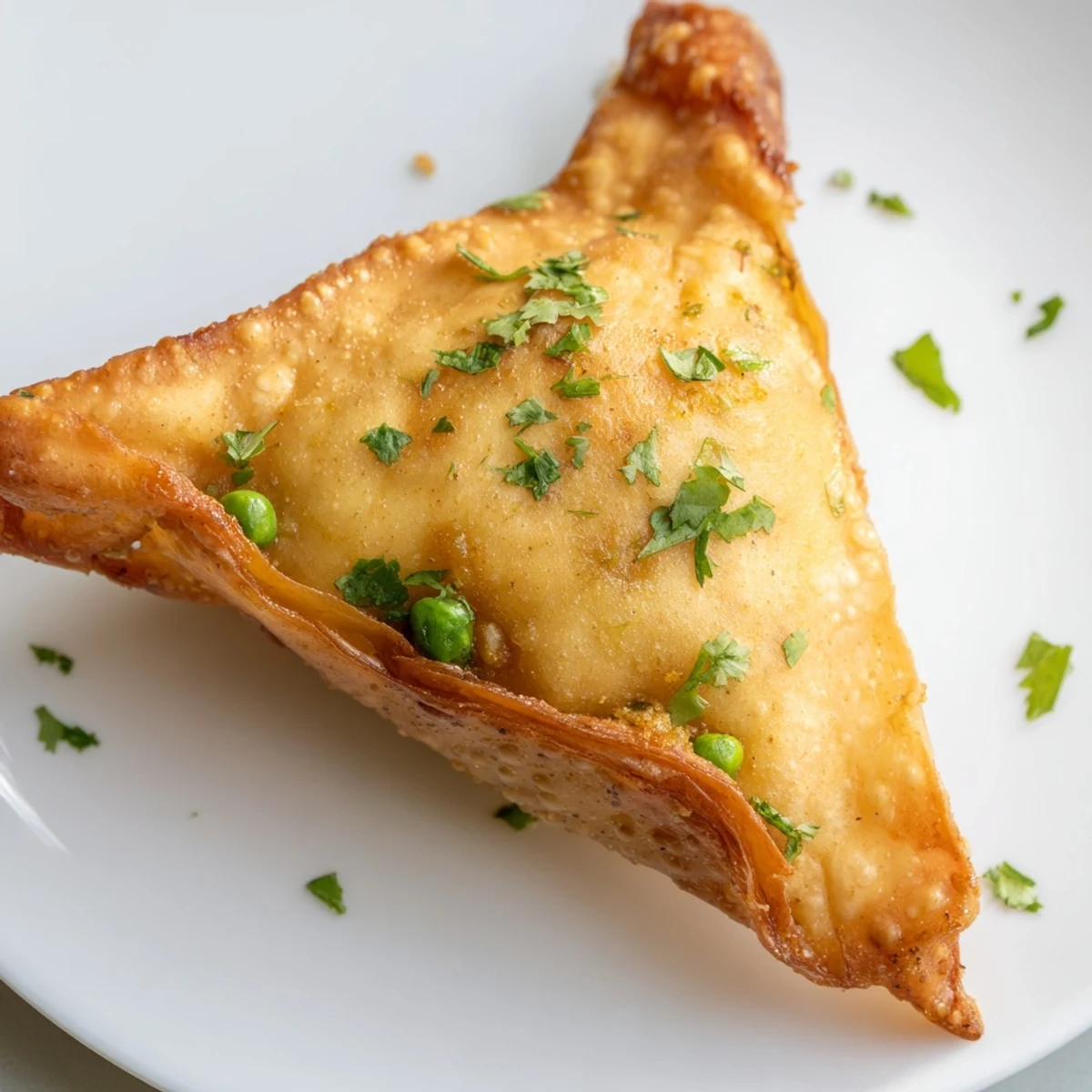
Save There's something deeply satisfying about serving a platter of these, still hot and fragrant, to people you care about. Food this good is meant to be shared.
Recipe Questions & Answers
- → Can I bake vegetable samosas instead of frying?
-
Yes, baking creates a lighter version. Brush with oil and bake at 400°F for 25–30 minutes, turning halfway through for even browning.
- → How do I keep samosas crispy for longer?
-
Place fried samosas on a wire rack instead of paper towels to prevent steam from making them soggy. Reheat in a 350°F oven for 5–10 minutes to restore crispiness.
- → Can I freeze uncooked samosas?
-
Absolutely. Arrange shaped samosas on a baking sheet, freeze until solid, then transfer to an airtight container. Fry directly from frozen, adding 2–3 minutes to cooking time.
- → What dipping sauces work best with samosas?
-
Mint cilantro chutney and sweet tamarind sauce are classic pairings. You can also serve with mango chutney, yogurt raita, or pickled onions for added contrast.
- → Why is my dough too tough or too soft?
-
Tough dough usually means over-kneading or too little water. Soft dough indicates excess moisture. Aim for firm, smooth dough that holds its shape—add water gradually until the right consistency is achieved.
- → Can I make the filling ahead of time?
-
Yes, prepare the filling up to two days in advance and store refrigerated in an airtight container. Ensure it cools completely before filling the pastry to prevent soggy results.