
 Save
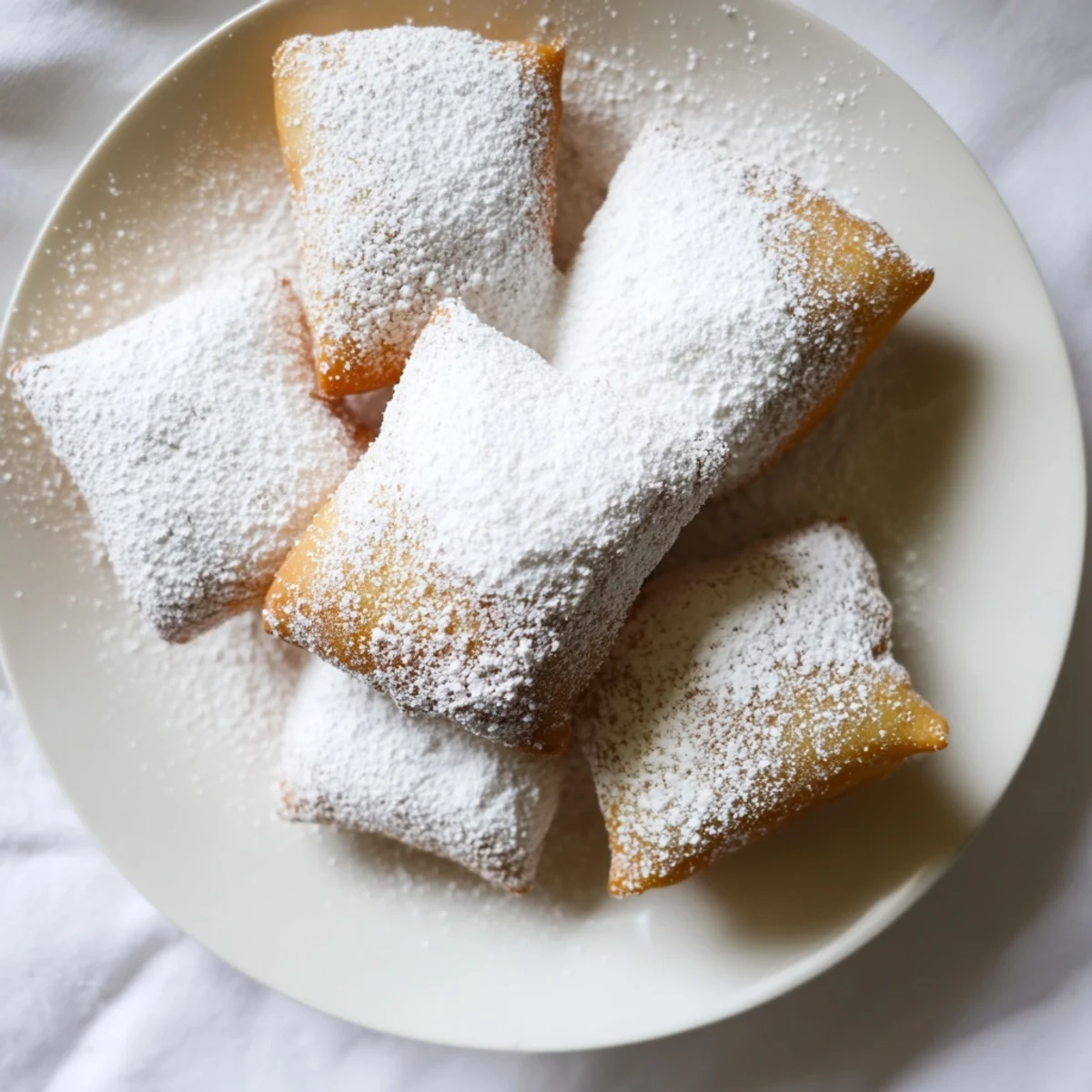
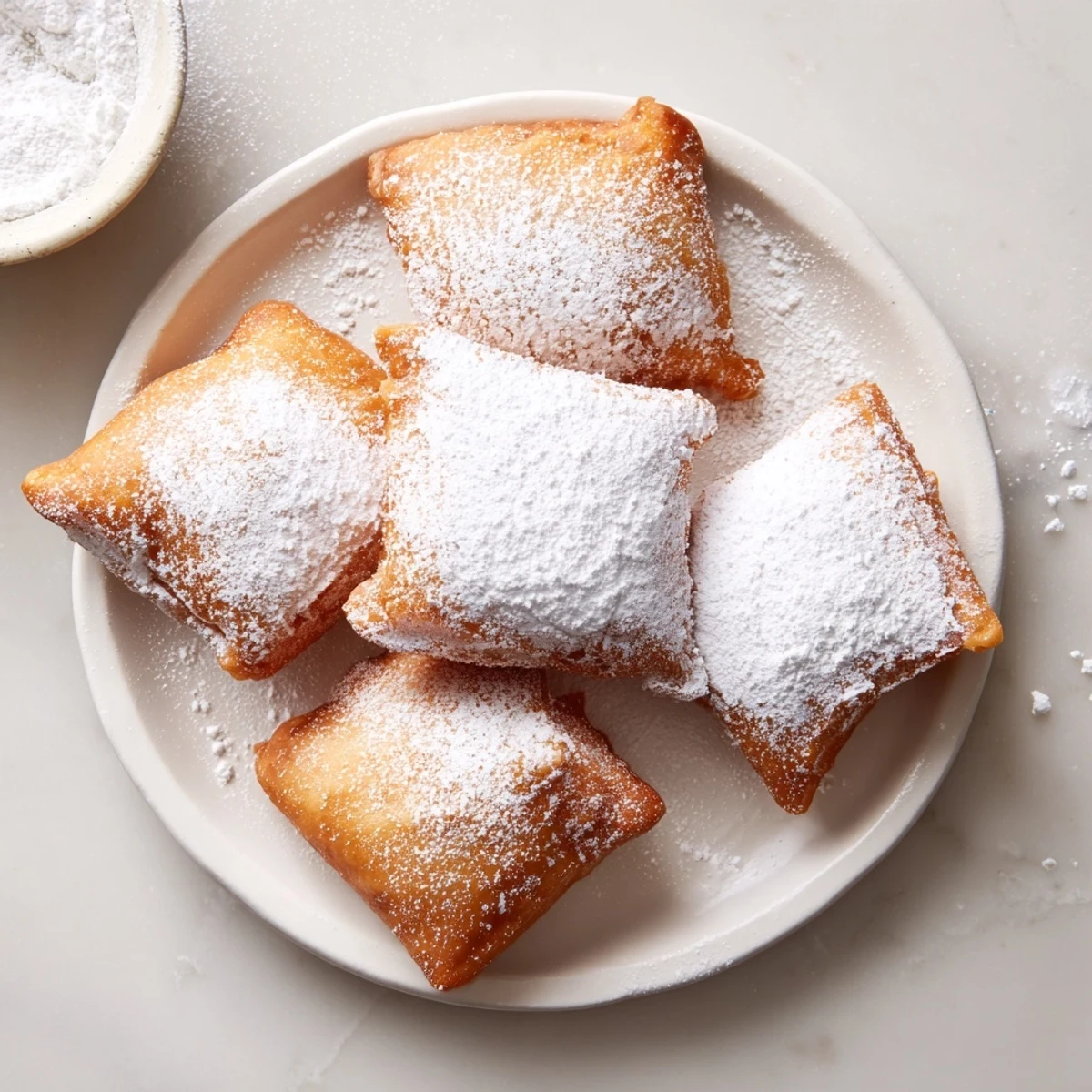
Save These vanilla-infused French beignets bring the authentic taste of New Orleans and Parisian cafés into your kitchen. The dough combines warm milk, eggs, butter, and pure vanilla extract, creating a rich yet light base that puffs beautifully when fried. After a proper rise, the dough is cut into squares and deep-fried until golden brown and irresistibly crisp on the outside while remaining tender inside. The magic happens when freshly fried beignets receive their signature finish—a generous coating of powdered sugar that melts slightly into the warm surface. Best served immediately while still warm, these classic treats pair wonderfully with coffee, hot chocolate, or your favorite fruit preserves for dipping.
My first attempt at beignets ended in a kitchen coated in white powder and slightly doughy centers but the sheer joy of biting into something warm and sweet made every messy minute worth it. Theres something magical about watching simple dough puff into golden clouds in hot oil like edible alchemy happening right in your frying pan.
I made these last winter when snow fell outside and the whole house smelled like yeast and vanilla. My roommates wandered into the kitchen one by one drawn by the frying oil scent and we stood around eating them warm with sugar on our chins laughing through breakfast.
Ingredients
- All purpose flour: The structure holding everything together so dont skip the spoon and level method for accurate measuring
- Granulated sugar: Feeds the yeast and adds subtle sweetness to the dough itself
- Active dry yeast: Use fresh yeast and check the expiration date because old yeast means flat disappointing beignets
- Salt: Enhances the vanilla flavor and balances the sweetness
- Whole milk lukewarm: Creates tenderness and richness but make sure its not hot or youll kill the yeast
- Warm water: Activates the yeast perfectly between 105 and 110 degrees Fahrenheit
- Large eggs room temperature: Adds structure and helps the dough hold its shape while frying
- Unsalted butter melted and cooled: Brings flavor and tenderness but must be cool so it doesnt scramble the eggs
- Pure vanilla extract: The secret ingredient that makes these taste special and not just like plain fried dough
- Vegetable oil: Neutral flavor oil with a high smoke point is essential for proper frying
- Powdered sugar: The classic finishing touch that makes beignets instantly recognizable
Instructions
- Wake up the yeast:
- Stir the warm water and yeast in a small bowl and wait about five minutes until you see little bubbles forming on top which tells you its alive and ready to work.
- Mix the dry base:
- Whisk the flour sugar and salt together in your stand mixer bowl so everything is evenly distributed before adding any wet ingredients.
- Build the dough:
- Add the yeast mixture milk eggs melted butter and vanilla then mix on medium speed with the dough hook for five to seven minutes until the dough is smooth slightly sticky and pulls away from the sides of the bowl.
- Let it rise:
- Move the dough to a lightly oiled bowl cover it tightly and let it rest in a warm spot for one to one and a half hours until it has doubled in size.
- Roll and cut:
- Punch down the risen dough turn it onto a floured surface and roll to about half an inch thick then cut into two inch squares with a sharp knife or pastry cutter.
- Second rise:
- Arrange the squares on a parchment lined baking sheet cover them loosely and let them rest for another thirty minutes so they puff up again before frying.
- Heat the oil:
- Fill a heavy bottomed pot with four inches of vegetable oil and heat it to 350 degrees Fahrenheit using a kitchen thermometer for accuracy.
- Fry to golden:
- Cook the beignets in batches for one to two minutes per side until theyre deeply golden brown and puffed flipping once and being careful not to crowd the pot.
- Drain and coat:
- Lift them out with a slotted spoon let them drain briefly on paper towels then dust generously with powdered sugar while still warm.
 Save
Save These became my go to comfort food during that long snowy winter. Something about breaking through the crisp sugar coated exterior into the soft vanilla scented center felt like a small perfect moment of peace.
Making Ahead
You can prepare the dough the night before and let it rise slowly in the refrigerator overnight. The cold fermentation actually develops more flavor and the frying process brings them back to life beautifully.
Frying Wisdom
Invest in a kitchen thermometer because oil temperature makes all the difference between raw doughy centers and perfectly cooked fluffy beignets. The sweet spot is 350 degrees and maintaining that consistency is worth the extra equipment.
Serving Suggestions
These beignets shine on their own but they become something else entirely with the right accompaniments. A cup of strong chicory coffee pays homage to their New Orleans roots while hot chocolate feels luxurious and indulgent.
- Try adding a pinch of lemon zest to the dough for brightness
- Set out small bowls of berry jam or chocolate sauce for dipping
- Keep them warm in a 200 degree oven if youre cooking for a crowd
 Save
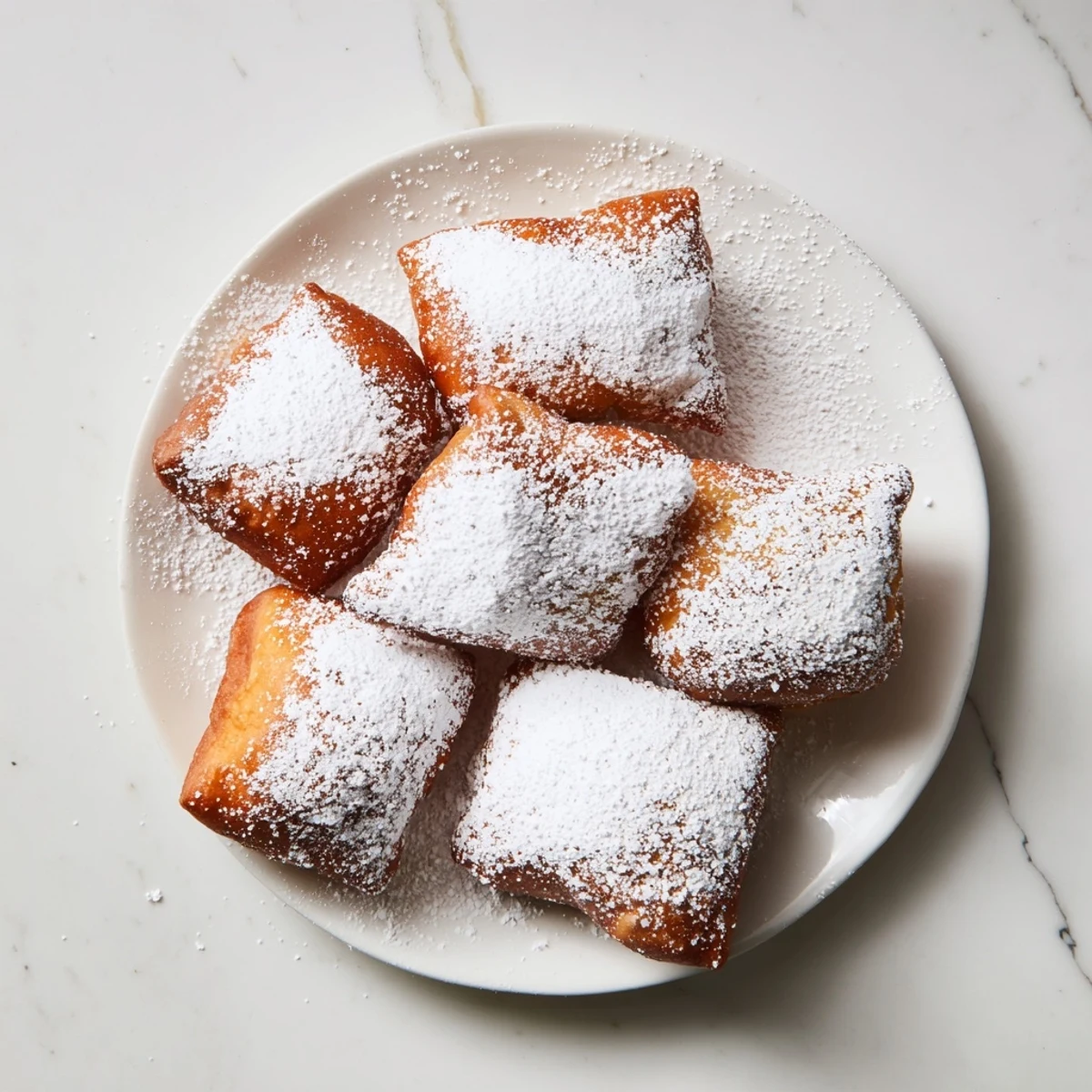
Save There is nothing quite like the first bite of a warm beignet fresh from the oil sugar on your lips and vanilla on your tongue. Make these for someone you love.
Recipe Questions & Answers
- → What makes French beignets different from regular doughnuts?
-
French beignets are made from a yeasted choux-like dough that creates a lighter, airier texture compared to cake doughnuts. They're typically square-shaped, fried until puffed and golden, then generously dusted with powdered sugar while still warm, creating that signature melt-in-your-mouth experience.
- → How do I know when the oil is ready for frying?
-
The ideal frying temperature is 350°F (175°C). You can test this by dropping a small piece of dough into the oil—it should sizzle immediately and rise to the surface within 2-3 seconds. If the oil is too cool, beignets will absorb excess grease and become heavy.
- → Can I make beignet dough ahead of time?
-
Absolutely! Prepare the dough through the first rise, then refrigerate it overnight. The cold fermentation actually enhances flavor development. When ready to fry, let the dough come to room temperature for about 30 minutes before rolling and cutting.
- → Why did my beignets turn out flat instead of puffy?
-
Flat beignets usually result from under-proofed dough, oil that's too cool, or rolling the dough too thin. Ensure your dough doubles in size during both rises, maintain oil temperature at 350°F, and roll to exactly 1/2 inch thickness for optimal puffing.
- → What's the best way to reheat leftover beignets?
-
Refresh leftover beignets in a 350°F oven for 3-5 minutes until warmed through. Avoid microwaving as it makes them soggy. After reheating, give them another quick dusting of powdered sugar to restore their freshly-made appearance.
- → Can I freeze beignet dough?
-
Yes! After the first rise, punch down the dough, wrap tightly in plastic, then freeze for up to 2 weeks. Thaw overnight in the refrigerator, bring to room temperature, proceed with rolling and cutting, then allow the second rise before frying.