
 Save
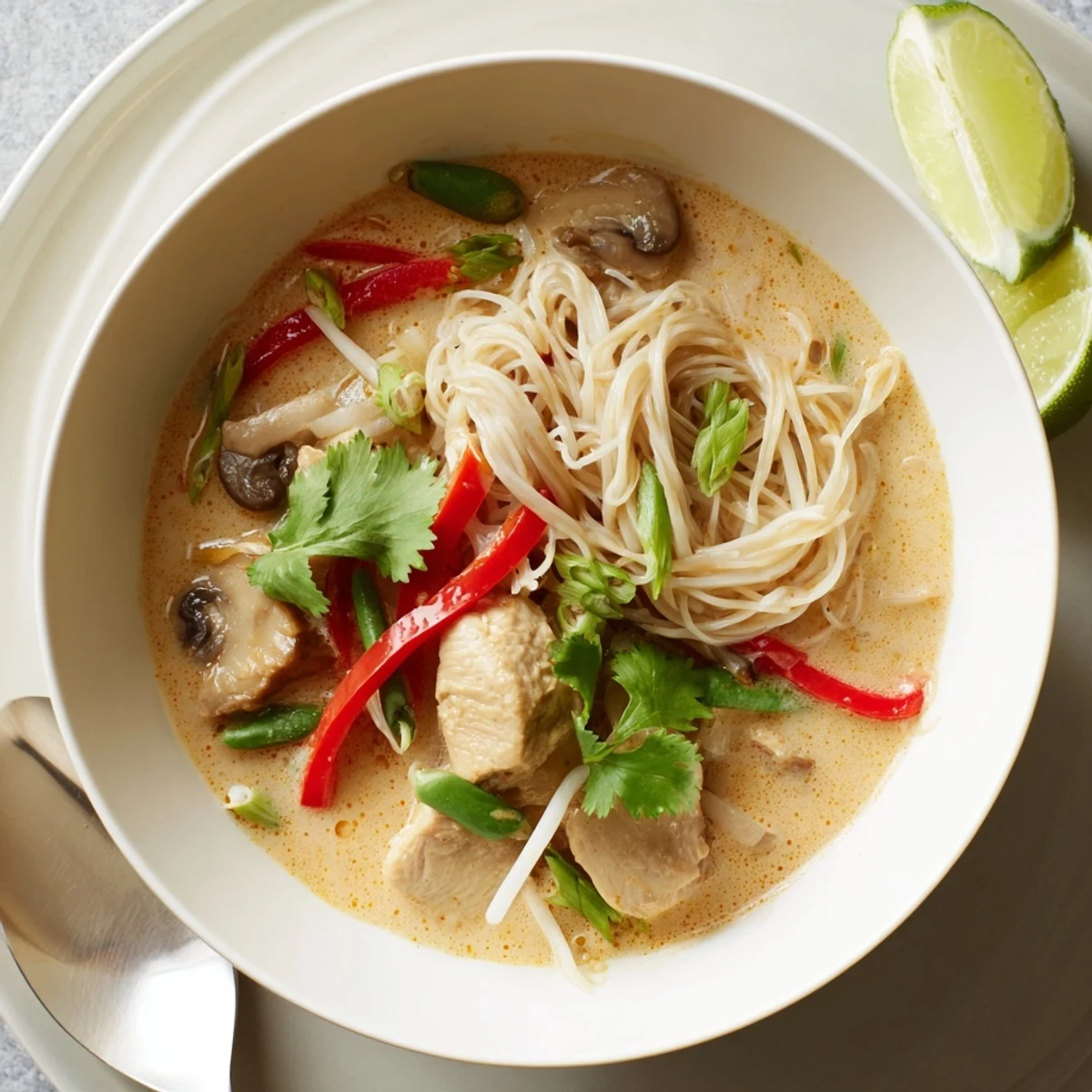
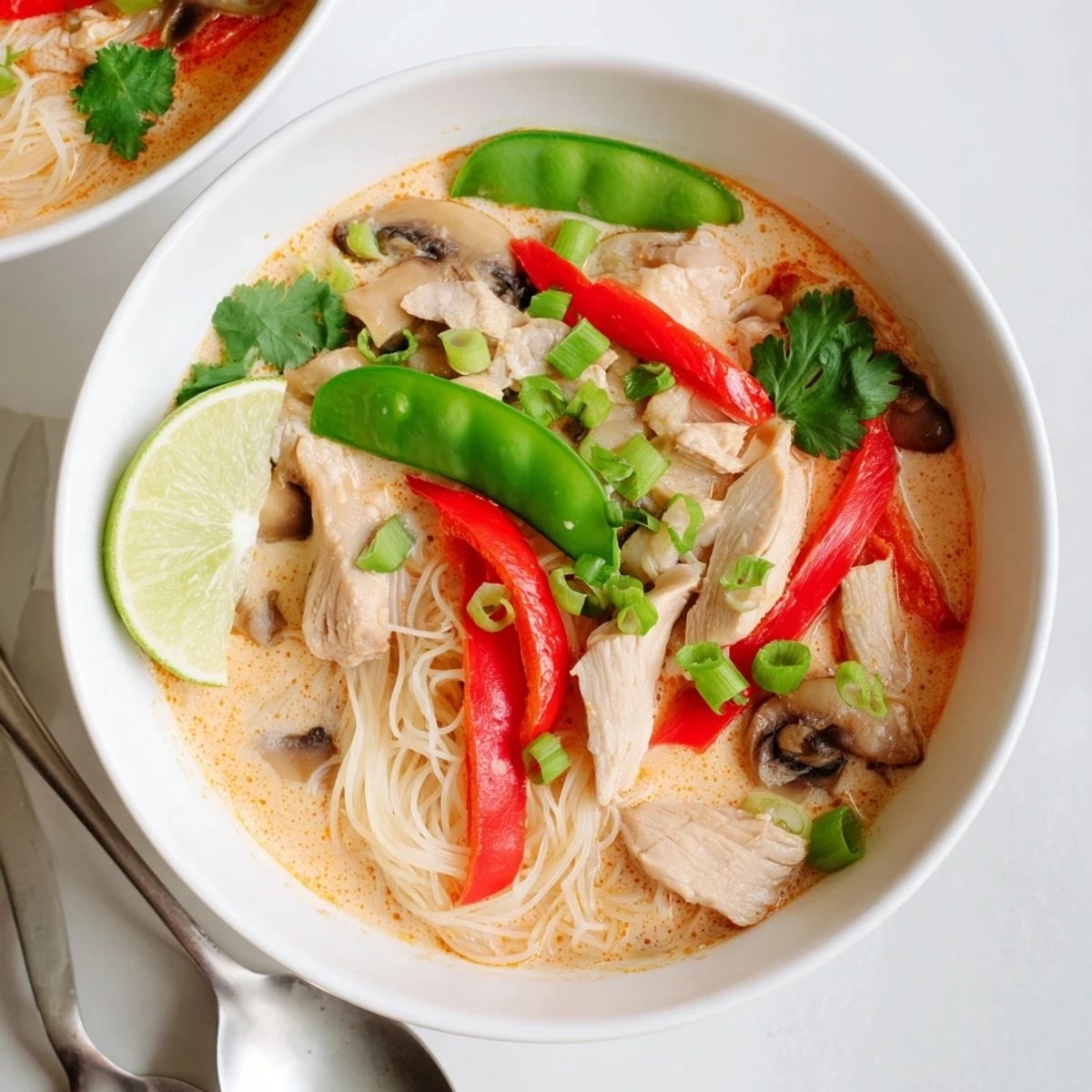
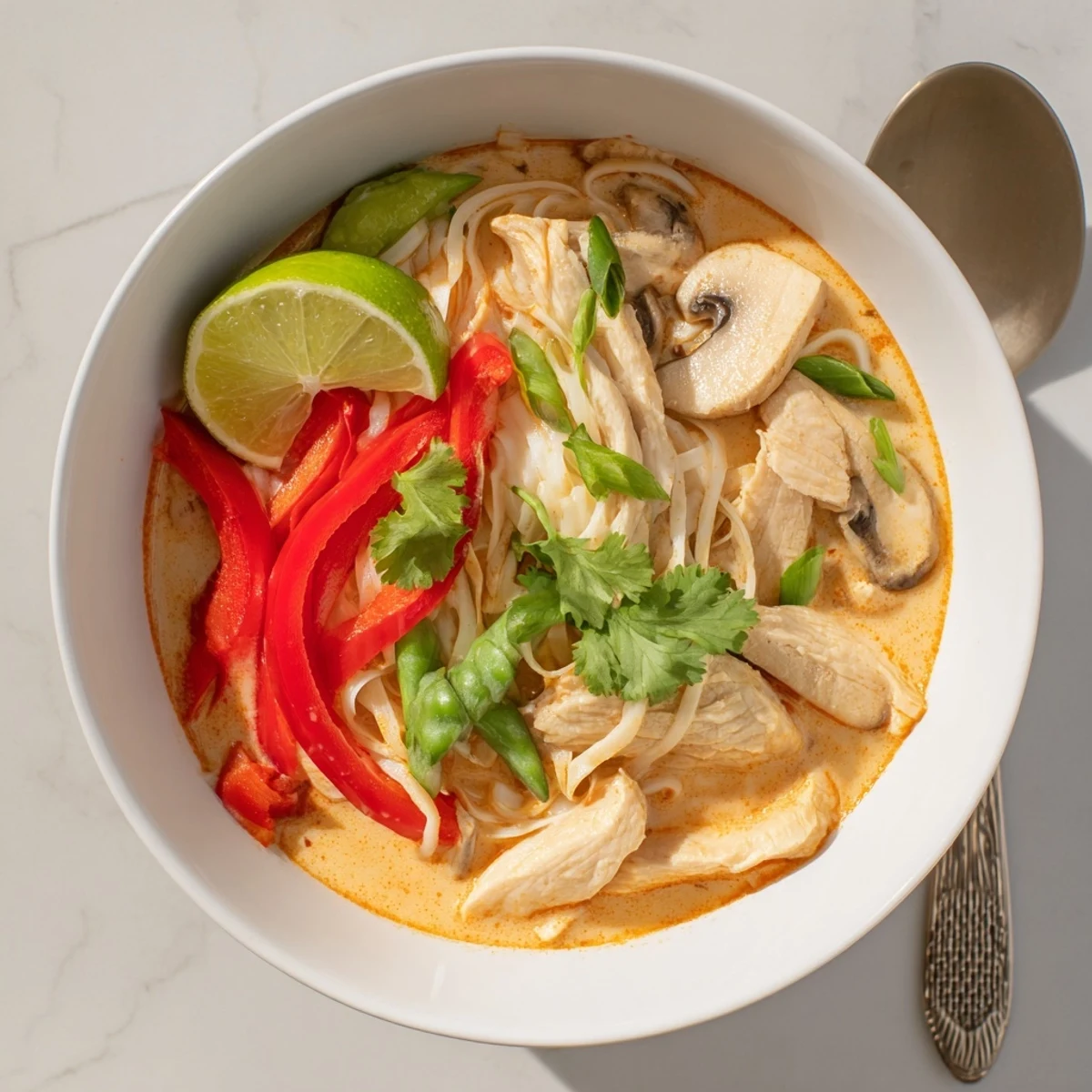
Save This Thai red curry noodle soup combines tender chicken slices with silky rice noodles, fresh vegetables, and a rich coconut milk broth infused with aromatic red curry paste. Simmered with garlic, ginger, and fish sauce, the soup balances creamy and zesty flavors, offering a warming and satisfying meal. Garnished with fresh cilantro, lime wedges, and optional chili slices, it delivers a delightful blend of textures and bold taste that’s perfect for any occasion.
I stumbled on this soup by accident one rainy Tuesday when I had leftover curry paste and a craving for something warm that wasn't the usual. The smell of ginger hitting hot oil filled the kitchen so fast I almost forgot I was improvising. By the time the coconut milk went in, I knew I'd made something I'd crave again and again. It's been my go-to ever since when I need comfort that feels bright instead of heavy.
The first time I made this for friends, someone asked if I'd ordered takeout and just plated it nicely. I laughed, but honestly, that's the best compliment this soup could get. We sat around the table adding extra lime and chili, everyone customizing their bowl, and it turned into one of those meals where conversation just flows. I've made it for quiet solo dinners and crowded weekend gatherings, and it works every time.
Ingredients
- Boneless, skinless chicken thighs or breasts (400 g): Thighs stay juicier and more tender in the broth, but breasts work if you prefer leaner meat—just don't overcook them or they'll turn rubbery.
- Dried rice noodles (200 g, medium thickness): These soak up the broth beautifully without getting mushy, and they're naturally gluten-free if you check the label carefully.
- Red bell pepper (1, thinly sliced): Adds a slight sweetness and vibrant color that makes the soup feel more alive visually and texturally.
- Snow peas (1 cup, trimmed): They give a crisp, fresh snap that contrasts perfectly with the silky noodles and creamy broth.
- Shiitake mushrooms (100 g, sliced): Their earthy depth balances the bright curry flavors, and they hold up better than button mushrooms in simmering liquid.
- Spring onions (2, sliced, plus extra for garnish): They add a mild allium bite that mellows as they cook, and the greens make a beautiful finishing touch.
- Vegetable oil (2 tbsp): Neutral and high heat-friendly, it lets the garlic and ginger shine without adding competing flavors.
- Thai red curry paste (2–3 tbsp): This is the soul of the soup—start with less if you're spice-shy, you can always add more but you can't take it back.
- Garlic (2 cloves, minced): It blooms fast in hot oil, so have everything ready before you start or it'll burn and turn bitter.
- Fresh ginger (1 tbsp, grated): Grating it releases more juice and warmth than slicing, and it melts into the broth for a subtle heat that builds with every spoonful.
- Coconut milk (400 ml): The creaminess here is essential—shake the can well before opening so the thick and thin parts blend smoothly.
- Chicken stock (750 ml): Use good-quality stock if you can, it forms the backbone of the broth and weak stock means weak flavor.
- Fish sauce (1 tbsp): It smells intense on its own, but it adds an umami depth that makes the whole soup taste fuller and more balanced.
- Brown sugar (1 tsp): Just enough to round out the heat and saltiness without making the soup taste sweet.
- Lime juice (from 1 lime): This is the final brightness that ties everything together—add it at the end so the acidity stays sharp and lively.
- Fresh cilantro leaves (for garnish): I know some people hate it, but the fresh herbal note really lifts the richness of the broth.
- Lime wedges (for garnish): Everyone likes a different level of tang, so let people squeeze their own.
- Red chili slices (optional, for garnish): A little visual pop and extra heat for those who want to push the spice level higher.
Instructions
- Prep the noodles:
- Cook the rice noodles following the package directions, then drain and rinse them under cold water to stop the cooking. This keeps them from turning to mush when they hit the hot broth later.
- Start the aromatics:
- Heat the vegetable oil in a large pot over medium heat, then add the garlic and ginger and sauté for about a minute until your kitchen smells amazing. Don't let them brown or they'll taste harsh.
- Bloom the curry paste:
- Stir in the red curry paste and cook for 2 minutes, stirring often so it doesn't stick. You'll see the oil start to separate and the color deepen, that's when you know the flavors are opening up.
- Brown the chicken:
- Add the sliced chicken and sauté for 2 to 3 minutes until the edges are lightly browned but the inside is still a bit raw. It'll finish cooking in the broth, so don't worry about getting it fully done now.
- Build the broth:
- Pour in the coconut milk and chicken stock, stirring well and scraping up any tasty bits stuck to the bottom of the pot. Those browned bits are pure flavor, don't leave them behind.
- Season and simmer:
- Add the fish sauce and brown sugar, then bring the soup to a gentle simmer. You want bubbles breaking the surface softly, not a rolling boil that'll toughen the chicken.
- Add the vegetables:
- Toss in the bell pepper, snow peas, shiitake mushrooms, and spring onions, then simmer for 5 to 7 minutes until the chicken is cooked through and the vegetables are just tender with a little bite left. Overcooked veggies turn sad and limp, so keep an eye on them.
- Finish with noodles and lime:
- Add the cooked noodles and lime juice, stirring gently to combine and heat everything through. Taste and adjust—more fish sauce for saltiness, more lime for brightness, more curry paste for heat.
- Serve and garnish:
- Ladle the soup into bowls and top with cilantro, extra spring onions, lime wedges, and chili slices if you like. Let everyone customize their bowl at the table.
 Save
Save I remember making this on a night when I was too tired to think, and the rhythm of slicing vegetables and stirring the pot became its own kind of meditation. By the time I sat down with a bowl, the steam rising and the smell wrapping around me, I realized this soup had become more than just dinner. It's the kind of dish that holds you gently, whether you're cooking for yourself or for people you love.
Making It Your Own
If you want to make this vegetarian, swap the chicken for firm tofu cut into cubes and use vegetable stock instead of chicken. I've also added baby corn, bok choy, and even thinly sliced zucchini when I had them on hand, and they all worked beautifully. The broth is forgiving and welcomes whatever vegetables you're in the mood for or have sitting in the fridge.
Adjusting the Heat
Curry paste brands vary wildly in spice level, so start with 2 tablespoons and taste before adding more. I learned this the hard way after making a batch so spicy my eyes watered with every bite. If you accidentally go too far, a splash more coconut milk or a pinch of sugar can help tame the heat without dulling the other flavors.
Storage and Reheating
This soup keeps well in the fridge for up to three days, though I like to store the noodles separately so they don't soak up all the broth and turn mushy. When reheating, add a splash of stock or water to loosen it up, and squeeze in fresh lime juice to wake up the flavors again.
- Store leftover noodles in a separate container to keep them from absorbing too much liquid.
- Reheat gently on the stove rather than the microwave for the best texture.
- Garnish with fresh cilantro and lime just before serving, even if it's leftovers.
 Save
Save This soup has earned its place in my regular rotation, and I hope it does the same for you. It's warming, bright, and satisfying in a way that feels like a hug from the inside out.
Recipe Questions & Answers
- → What type of chicken works best for this soup?
-
Boneless, skinless chicken thighs or breasts thinly sliced are ideal—they cook quickly and stay tender in the broth.
- → Can I adjust the spice level in the broth?
-
Yes, you can modify the amount of red curry paste to control the heat, making it milder or spicier according to taste.
- → What noodles are recommended for this dish?
-
Medium thickness dried rice noodles work well, providing a delicate texture that absorbs the flavorful broth.
- → How do I keep the vegetables crisp yet tender?
-
Add vegetables like bell pepper, snow peas, and mushrooms towards the end of simmering, cooking just until tender but still slightly crisp.
- → Is there a dairy alternative to enrich the broth?
-
The creamy texture comes from coconut milk, offering a rich, dairy-free option that complements the curry flavors.
- → Can this soup be made vegetarian?
-
Yes, replacing chicken with tofu and using vegetable stock creates a delicious meat-free version with the same vibrant flavors.