
 Save
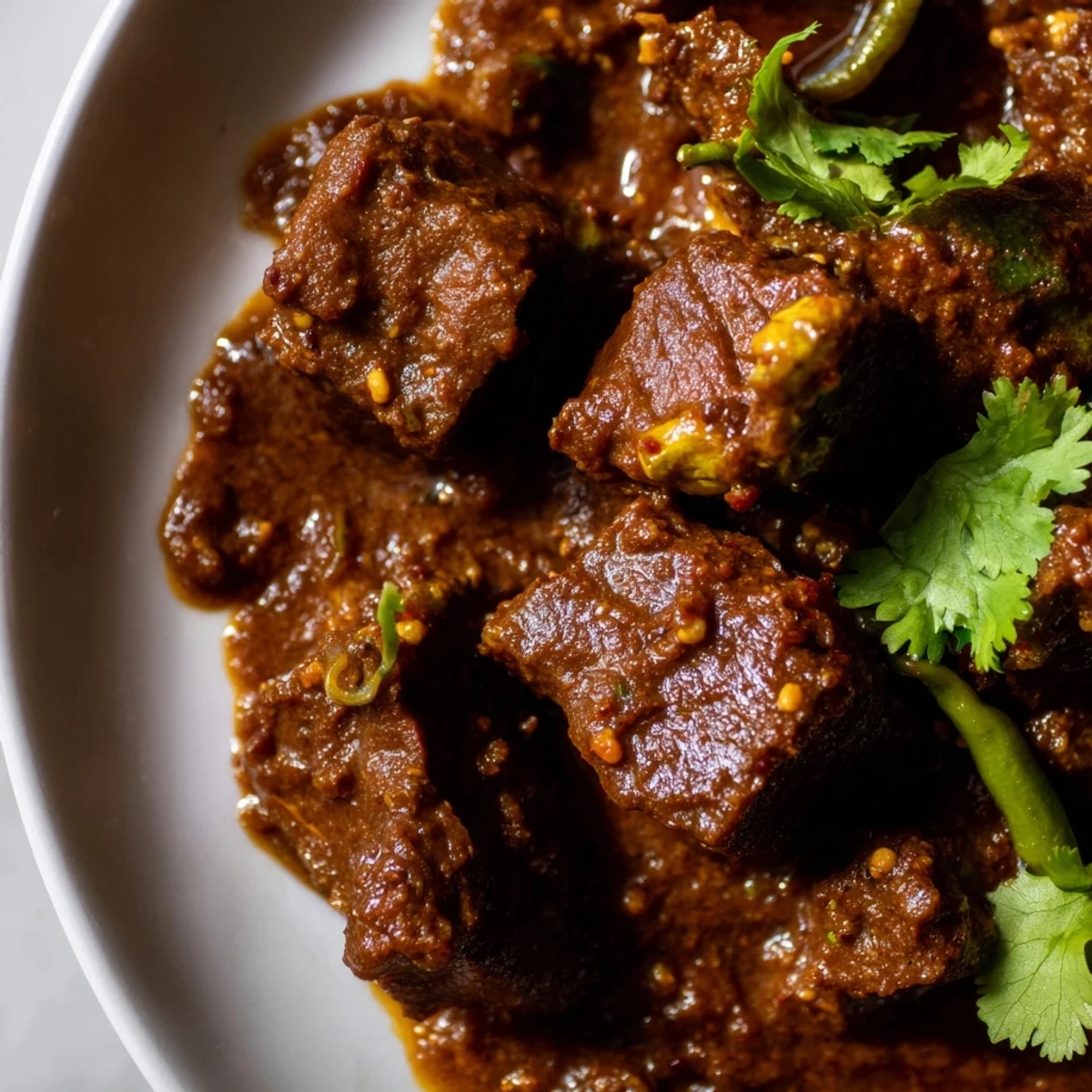
Save Experience tender cubes of beef simmered slowly in a rich, aromatic spicy sauce infused with cumin, coriander, turmeric, and garam masala. The sauce thickens with coconut milk and canned tomatoes to create a deep, comforting flavor. Served over soft, fluffy basmati rice cooked to perfection, this dish offers balanced heat and satisfying textures. Fresh cilantro garnish adds brightness, and adjustments to chili levels let you customize the spice. Ideal for a filling main course with authentic Indian-inspired flavors.
There's something about the sound of cumin seeds hitting hot oil that makes me stop whatever I'm doing and pay attention. Years ago, a friend's mother taught me this curry in her kitchen, and I watched how she didn't measure the spices so much as listen to them—waiting for that exact moment when the aroma shifted from sharp to honeyed. Now, whenever I make it, that same magic happens, and I understand why this dish became her answer to every question: what's for dinner, what will make you feel better, what can bring people together.
I remember making this for my partner during a particularly gray winter, when we both needed something warm and complex to break the monotony of takeout. The kitchen filled with that intoxicating blend of toasted spices, and by the time the curry was ready, even the windows had fogged up with hope. We ate it straight from the pot, standing at the counter, and didn't say much—but somehow that quiet moment felt like everything.
Ingredients
- Beef chuck (600 g): This cut has enough fat and connective tissue to become silky after long cooking—don't be tempted by leaner cuts or you'll end up with tough, stringy pieces.
- Vegetable oil (2 tbsp): You need enough to create a proper sear on the beef and later to bloom the spices; neutral oil lets everything else shine.
- Onion, garlic, ginger, and green chilies: These are your flavor foundation, so don't skimp on the garlic or ginger—fresh makes a visible difference.
- Ground cumin and coriander (2 tsp each): Buy these whole and toast them yourself if you can; the flavor difference is worth those extra two minutes.
- Turmeric, chili powder, and garam masala: These are where the soul of the dish lives—use fresh spices from a source you trust, and resist the urge to double the chili powder unless you know your heat tolerance.
- Canned tomatoes and tomato paste: The acidity here cuts through the richness of the coconut milk and keeps the sauce from feeling heavy.
- Coconut milk (200 ml): Stir it well before measuring; the cream and liquid separate, and you want both for the right consistency.
- Basmati rice (250 g): Rinsing it removes excess starch so each grain stays separate and light, which matters when you're serving it under a saucy curry.
- Fresh cilantro: Don't add this until the very end, or it loses its bright, grassy edge.
Instructions
- Prepare your beef:
- Pat the cubes completely dry with paper towels—moisture is the enemy of a good sear. Season generously with salt and pepper and let them sit for a minute so the seasoning sticks.
- Get the sear perfect:
- Heat oil in your pot until it shimmers and almost smokes. Work in batches so you don't crowd the pan; crowding steams the meat instead of searing it. You want dark, caramelized edges that are almost crusty.
- Build your base:
- Once the beef is browned, add fresh oil to the same pot and cook the onions low and slow until they're golden and soft. This takes patience, but it's where sweetness develops.
- Toast the spices:
- Add garlic, ginger, and chilies first, then the dry spices. Toast for a minute until the kitchen smells like a spice market. The heat wakes them up and deepens their flavors.
- Create the sauce:
- Stir in tomato paste first, let it cook for a minute to darken slightly, then add tomatoes and broth. Scrape the bottom of the pot to loosen all those browned, flavorful bits—that's liquid gold.
- Simmer low and long:
- Return the beef to the pot, bring to a simmer, cover, and let it cook gently for an hour. Low heat is important here; high heat will toughen the meat and make the sauce break.
- Finish with coconut milk:
- After an hour, stir in the coconut milk and simmer uncovered for 10-15 minutes. Watch as the sauce goes from thin to glossy and clinging. The beef should fall apart when you touch it with a wooden spoon.
- Cook the rice:
- While the curry finishes, rinse your rice until the water runs clear, then combine it with fresh water and salt. Bring to a boil, cover, drop the heat to the lowest setting, and don't lift that lid for 12 minutes—I know it's hard, but trust the timing.
- Serve with intention:
- Fluff the rice with a fork, mound it on a plate or bowl, ladle the curry over the top, and finish with a generous handful of fresh cilantro. The green color against the deep red curry is part of the beauty.
 Save
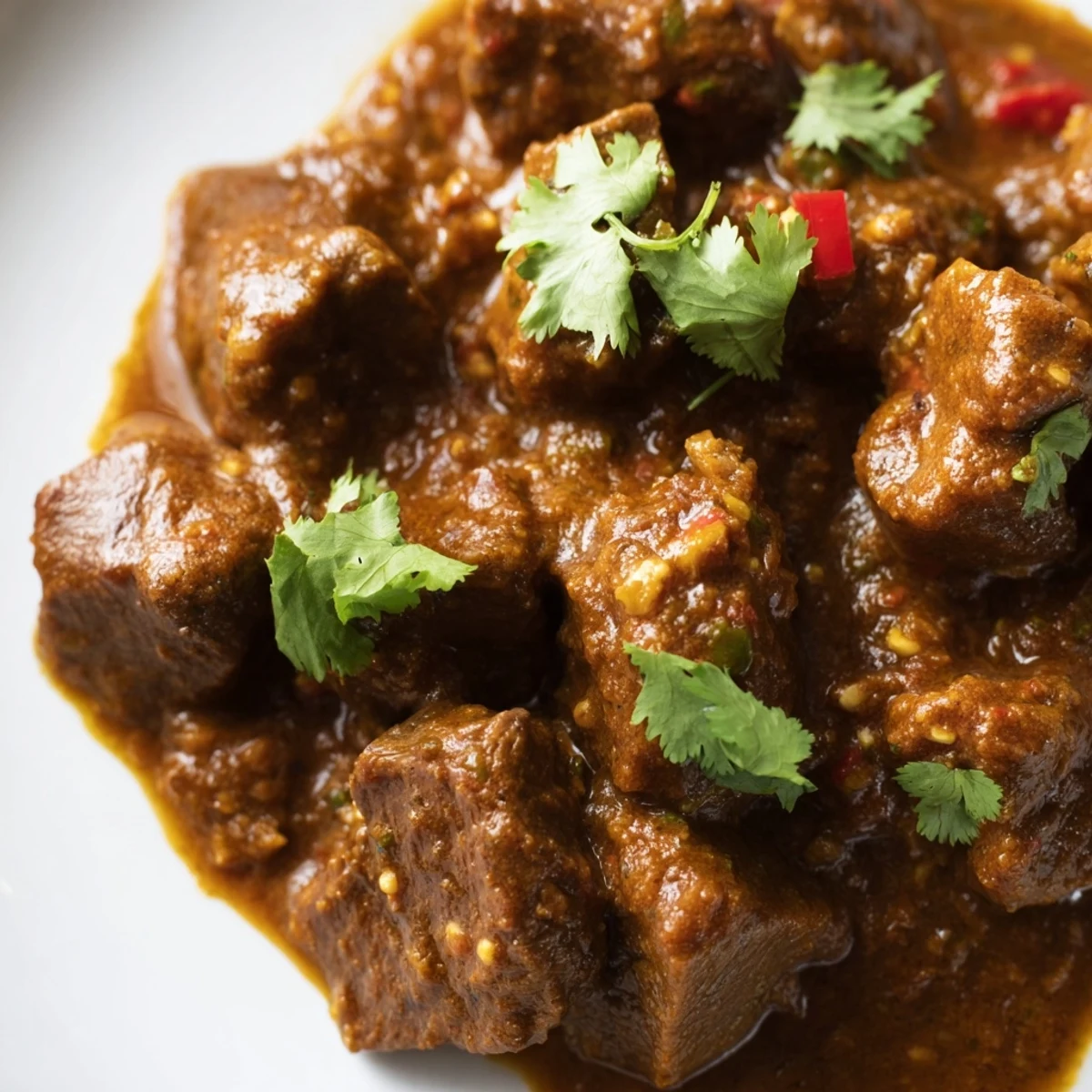
Save A few months ago, I made this for a small dinner, and halfway through eating, someone asked what made it taste so alive and complex despite the simplicity of the ingredient list. I realized it wasn't really about the ingredients—it was about time and attention, the way slow cooking lets flavors marry and deepen. That's when cooking stops being a chore and becomes almost meditative.
Heat Levels and How to Adjust
The beauty of curry is that it's completely customizable to your tolerance. The original recipe here is moderately spicy, with heat from both fresh chilies and chili powder working in tandem. If you prefer mild, remove the seeds from the green chilies (they hold most of the heat) and reduce the chili powder to half a teaspoon, then taste and adjust. For extra heat, add a pinch more chili powder or keep the green chilies whole—but remember that heat builds over time, so it's better to start conservative and add more than to have made it unbearably hot. Some people add a splash of hot sauce at the table instead of in the pot, which gives everyone control over their own bowl.
Variations and Additions
While this curry is perfect on its own, I've learned that different additions speak to different seasons and moods. In summer, I add peas at the very end so they stay bright green; in cooler months, diced potatoes go in with the beef from the start, softening in that long simmer until they're almost creamy. I've also experimented with adding a handful of spinach just before serving—it wilts into the curry and adds a subtle earthiness. The coconut milk is non-negotiable, but if you can't use it for some reason, you could substitute with a mixture of Greek yogurt and beef broth (though the flavor will be less rich). Naan bread on the side is traditional and perfect for scooping, and a cooling cucumber raita cuts through the spice beautifully.
Storage and Reheating
One of my favorite things about this curry is that it improves with time. Make it a day or two ahead if you want; the flavors will deepen and become more integrated. Store it in an airtight container in the refrigerator for up to four days, or freeze it for up to three months (the rice is best made fresh, but the curry freezes beautifully). When reheating, do it gently on the stove with a splash of water or broth if it's become too thick, and taste for seasoning since flavors can shift slightly in storage.
- Let it cool to room temperature before refrigerating so condensation doesn't water down the sauce.
- Reheat over medium heat, stirring occasionally, until it's steaming throughout.
- Add fresh cilantro only after reheating, so it stays bright and aromatic.
 Save
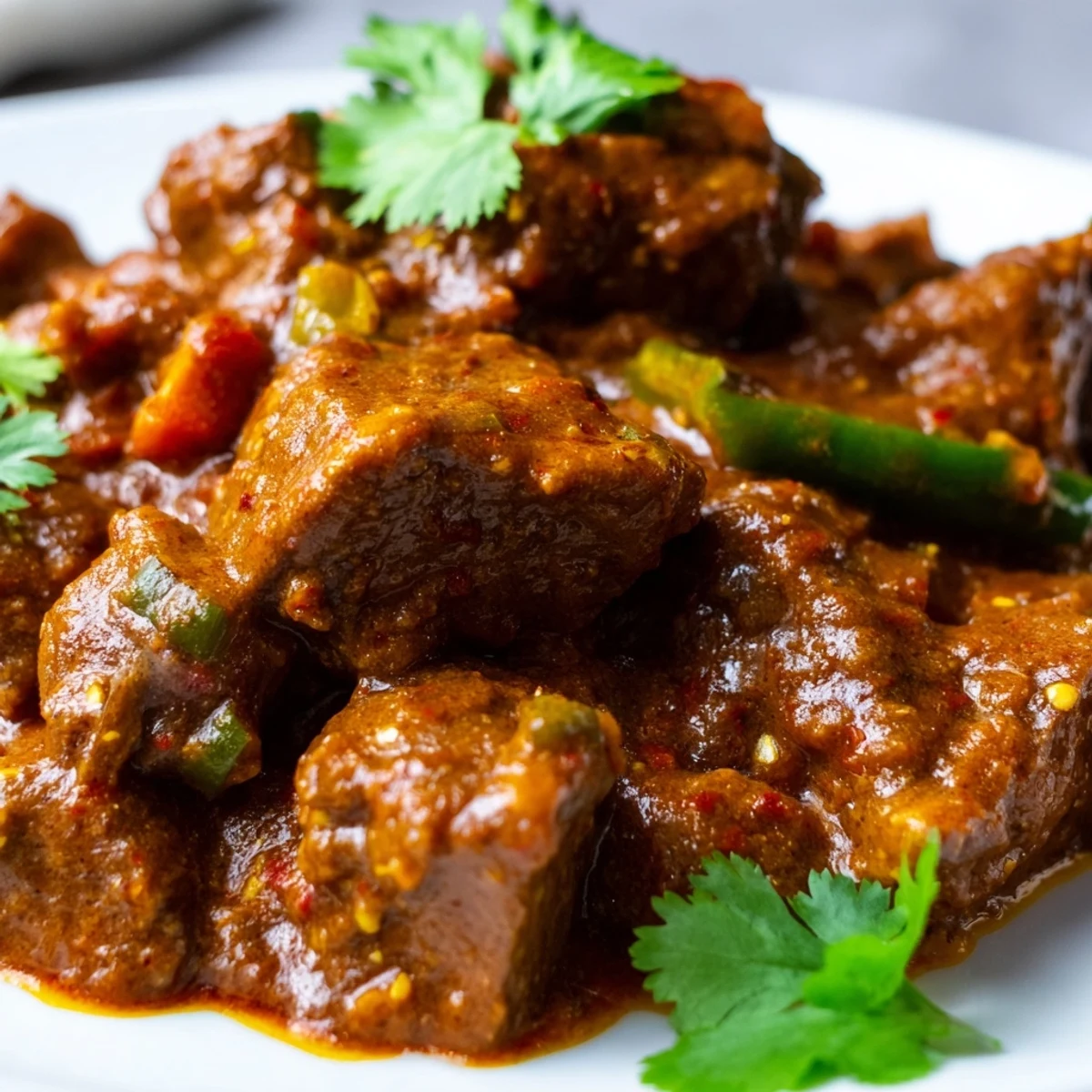
Save This curry is the kind of dish that fills your home with warmth and makes people linger at the table longer than they planned. It's proof that good food doesn't need to be complicated—just intentional and made with care.
Recipe Questions & Answers
- → How can I adjust the spice level?
-
Reduce the amount of chili powder and green chilies for a milder taste or add more for extra heat.
- → What cut of beef works best?
-
Beef chuck cut into 2 cm cubes is ideal for slow simmering to achieve tenderness.
- → Can I prepare the rice in advance?
-
Yes, rinse and cook basmati rice ahead and gently reheat before serving to maintain fluffiness.
- → What can I use instead of coconut milk?
-
For a different creaminess, you might try a non-dairy alternative like almond milk, though it may alter flavor.
- → How long should the beef simmer?
-
Simmer low and slow for about 1 hour until beef is tender and sauce develops rich flavor.