
 Save
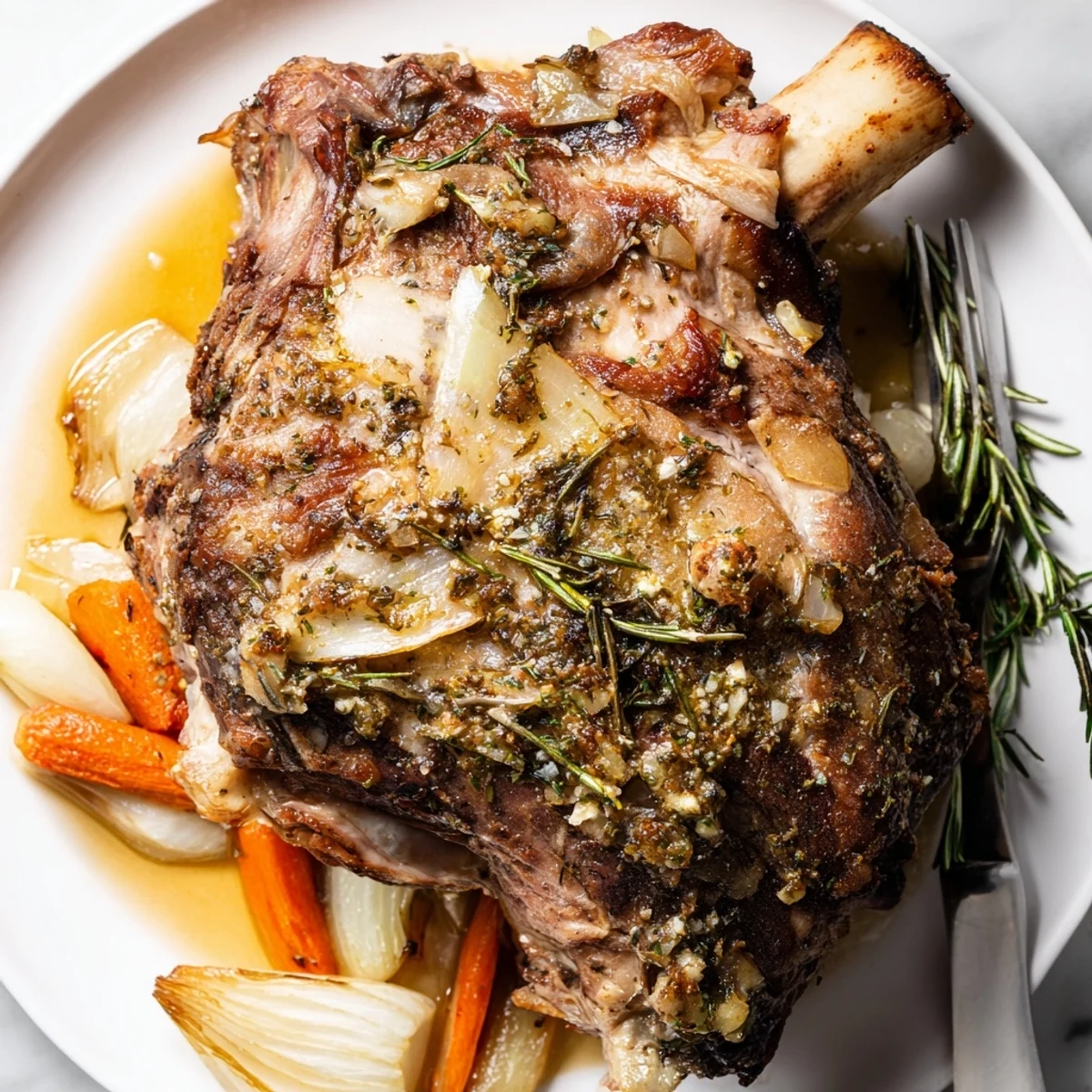
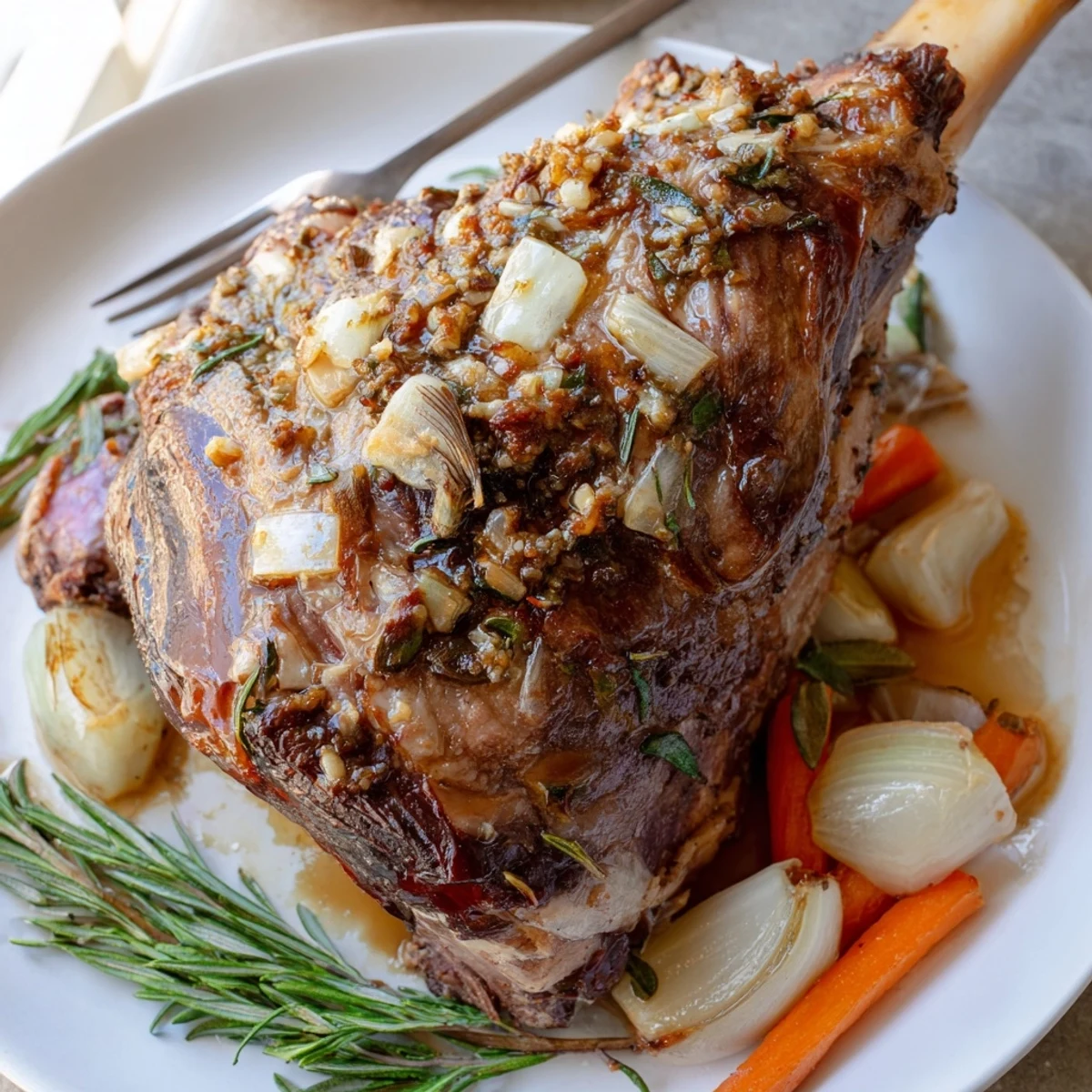
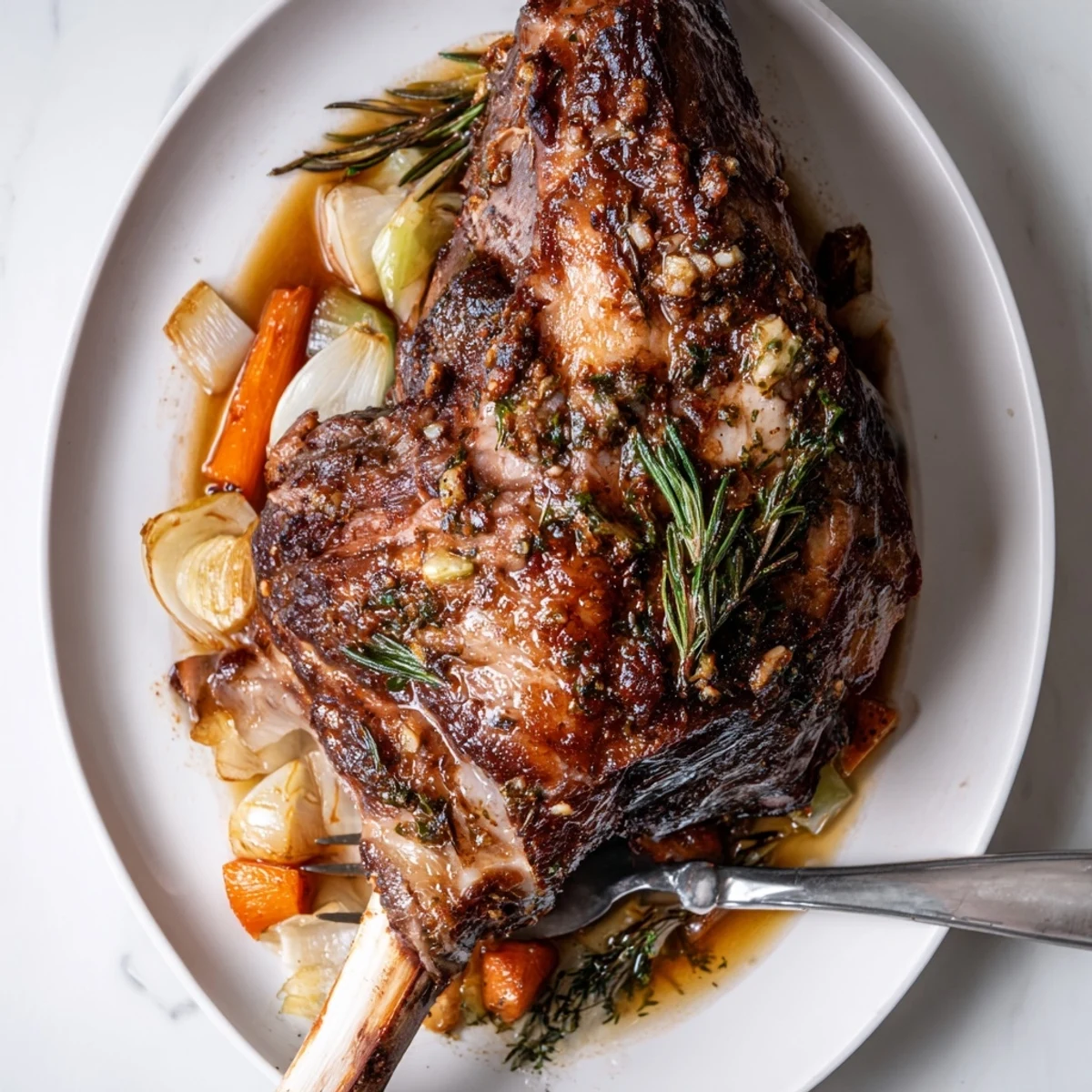
Save This lamb shoulder transforms through slow cooking into meltingly tender meat that falls effortlessly from the bone. A fragrant paste of garlic, rosemary, thyme, oregano, and lemon zest permeates every fiber, while a bed of onions, carrots, and celery creates a savory foundation. White wine and stock braise the meat during its 4-hour oven journey, producing pan juices perfect for drizzling over the finished dish. Serve with mashed potatoes or crusty bread to soak up the aromatic cooking liquids.
The first time I made slow-cooked lamb shoulder was during a rainy Sunday when my cousin announced she was coming over with her new boyfriend. I had this massive piece of lamb from the butcher and absolutely no plan, but something about the gray weather made me crave that deeply comforting, fall-apart meat that fills the whole house with impossible-to-ignore aromas.
That Sunday dinner ended up stretching until midnight, with everyone standing around the roasting pan, picking at the last bits of lamb with their forks. The boyfriend became a husband, they still talk about that meal, and somehow this recipe became my go-to for everything from birthdays to casual Tuesday nights when I need something that feels special without demanding my attention.
Ingredients
- 1 bone-in lamb shoulder (about 2.5 kg / 5.5 lb): The bone adds incredible depth to the cooking liquid and keeps the meat moist during those long hours
- 1 tablespoon olive oil: Use this for searing the lamb to develop that gorgeous brown crust
- Salt and freshly ground black pepper: Be generous here, this is your foundation seasoning
- 6 cloves garlic: Fresh garlic mellows beautifully during slow cooking
- 2 tablespoons fresh rosemary leaves: Rosemary and lamb are soulmates, dont skip this
- 2 tablespoons fresh thyme leaves: Adds earthy, floral notes that cut through the richness
- 1 tablespoon fresh oregano leaves: Fresh brings brightness, though dried works in a pinch
- Zest of 1 lemon: This little bit of citrus lifts everything and prevents the dish from feeling too heavy
- 2 tablespoons olive oil: For the herb paste, helps it cling to the meat
- 2 large onions, thickly sliced: These create a sweet, aromatic bed for the lamb
- 3 carrots, cut into large chunks: They become meltingly tender and flavor the cooking liquid
- 2 celery stalks, cut into large chunks: Adds subtle savory depth to the base
- 1 cup (250 ml) dry white wine: Use something decent enough to drink, it concentrates during cooking
- 2 cups (500 ml) low-sodium chicken or lamb stock: Low-sodium lets you control the seasoning
Instructions
- Get your oven ready and season the lamb:
- Preheat your oven to 160°C (320°F) and pat the lamb shoulder completely dry with paper towels. Season it generously all over with salt and pepper, letting it sit at room temperature while you make the herb paste.
- Make the garlic and herb paste:
- In a food processor, pulse the garlic, rosemary, thyme, oregano, lemon zest, and 2 tablespoons olive oil until you have a fragrant, slightly coarse paste. The kitchen should smell incredible right about now.
- Rub the lamb with the paste:
- Massage the herb paste all over the lamb, really pressing it into the meat and getting it into all the nooks and crannies. This is going to create that incredible flavorful crust.
- Sear the lamb for flavor:
- Heat 1 tablespoon olive oil in your large roasting pan or Dutch oven over medium-high heat. Sear the lamb shoulder on all sides until deeply browned, about 5 to 7 minutes total. This step is worth every minute.
- Build your vegetable bed:
- Remove the lamb and set it aside briefly. Arrange those thick onion slices, carrot chunks, and celery pieces in the base of the pan. They will support the lamb and become part of your sauce.
- Assemble everything for the oven:
- Place the lamb on top of the vegetables and pour the wine and stock around the meat, not over it. You want the liquid to come about halfway up the vegetables.
- Slow cook to perfection:
- Cover the pan tightly with foil or a lid and transfer to the oven. Let it slow-cook for 4 hours, basting occasionally with the pan juices whenever you happen to walk past.
- Create that beautiful finish:
- Uncover the pan and cook for another 30 minutes to let the lamb develop that gorgeous browned exterior. The house will smell absolutely ridiculous by now.
- Rest before serving:
- Remove from the oven and let the lamb rest, covered loosely with foil, for 20 minutes. This resting period lets all those juices redistribute back into the meat.
- Finish and serve:
- Skim the excess fat from the pan juices and carve the lamb. Serve it with those meltingly tender vegetables and a drizzle of the pan sauce.
 Save
Save I once forgot to sear the lamb before putting it in the oven because I was running late, and while it still tasted good, it lacked that incredible depth of flavor that comes from proper browning. Now I treat that searing step as absolutely non-negotiable, no matter how rushed I feel.
Making It Ahead
This lamb actually gets better if you make it a day ahead. Let it cool completely in the cooking liquid, then refrigerate overnight. The fat will solidify on top, making it easy to remove, and reheating it slowly the next day makes it even more tender.
Choosing Your Wine
The wine you use matters because its flavor concentrates during cooking. I stick to a dry white like Sauvignon Blanc or Pinot Grigio, something crisp and acidic that will brighten the rich lamb. If you prefer red wine, go for something medium-bodied like a Pinot Noir that wont overpower the delicate herbs.
Serving Ideas
Creamy mashed potatoes are the classic choice here, soaking up that incredible sauce. But roasted fingerling potatoes or even simple crusty bread work beautifully. During summer, I serve it with a sharp arugula salad dressed with lemon vinaigrette to cut through the richness.
- Good crusty bread is essential for sopping up those pan juices
- A light, acidic salad alongside makes the meal feel complete
- Leftover lamb makes the most incredible sandwiches the next day
 Save
Save Theres something almost meditative about cooking a piece of meat this slowly, tending to it over hours while your home fills with the most incredible aromas. It turns dinner into an experience rather than just a meal.
Recipe Questions & Answers
- → What cut of lamb works best for slow cooking?
-
Lamb shoulder is ideal for slow cooking because its generous marbling and connective tissue break down over time, producing incredibly tender, succulent meat. The bone-in version adds even more depth to the final dish.
- → Can I prepare this lamb in advance?
-
Absolutely. The lamb actually benefits from resting overnight after cooking, allowing the flavors to develop further. Reheat gently in the cooking juices at 150°C (300°F) until warmed through.
- → What vegetables pair well with this dish?
-
Creamy mashed potatoes, roasted root vegetables, or crusty bread make excellent accompaniments. The pan juices also work beautifully drizzled over steamed green beans or wilted spinach.
- → Can I use red wine instead of white?
-
Yes, red wine creates a deeper, more robust sauce with earthier notes. Pinot Noir or Grenache complement lamb beautifully without overpowering the delicate herb flavors.
- → How do I know when the lamb is perfectly cooked?
-
The lamb is ready when it pulls away easily from the bone with minimal pressure. An instant-read thermometer inserted near the bone should read 95°C (200°F) for that fall-off-the-bone tenderness.
- → What's the purpose of the final uncovered cooking stage?
-
Removing the cover for the last 30 minutes allows the exterior to brown and develop a slight crust, adding textural contrast to the meltingly tender interior while concentrating the flavors.