
 Save
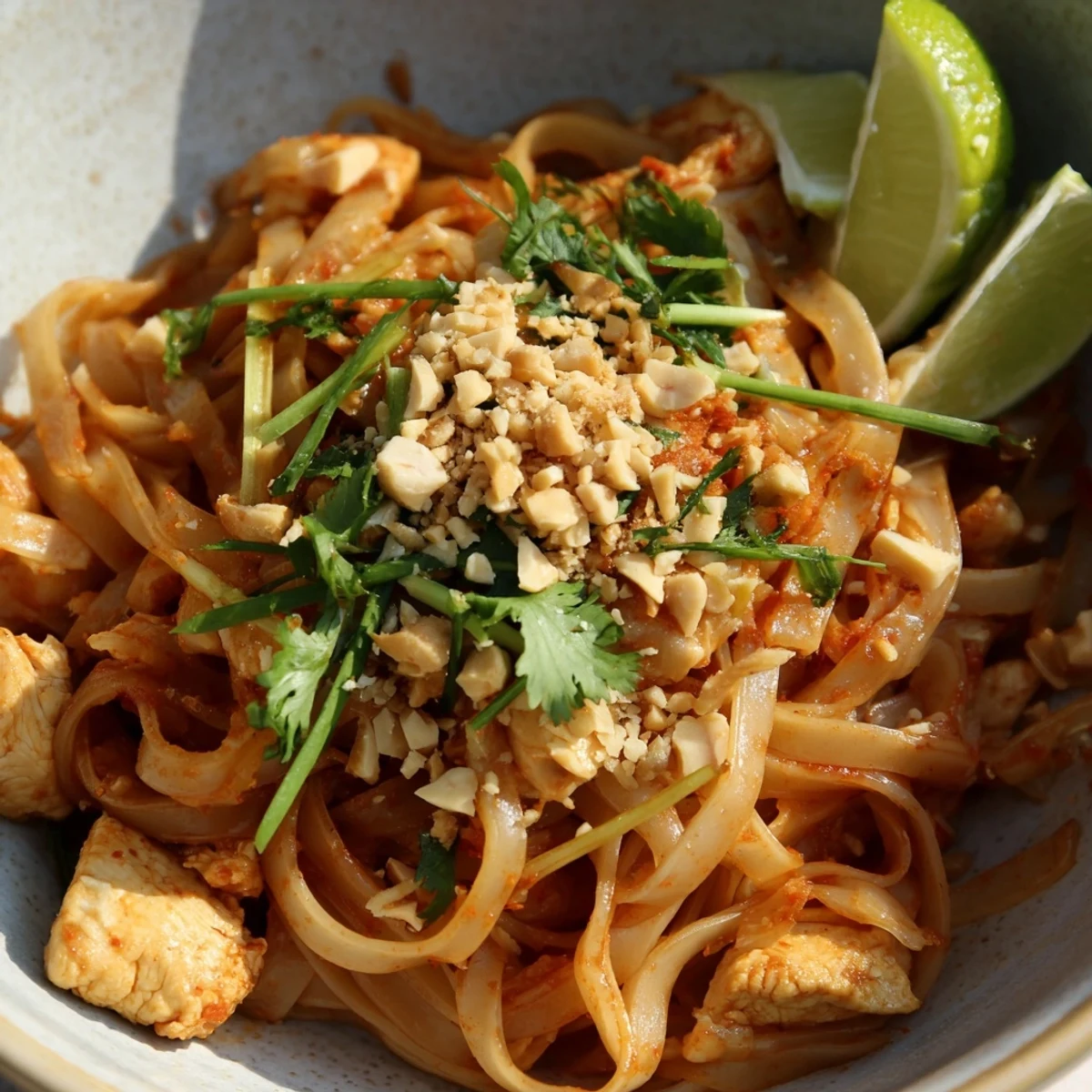
Save This classic Burmese dish brings together medium-flat rice noodles with a rich, aromatic chicken sauce. The tender chicken thighs simmer in a tomato-based sauce with turmeric, paprika, soy sauce, and fish sauce, creating a deeply flavorful coating for every strand.
What makes this bowl special is the contrast of textures and tastes — soft noodles, succulent chicken, tangy pickled mustard greens, and roasted peanuts. The fresh garnishes of spring onions, coriander, and lime wedges brighten each bite, while chili oil adds customizable heat.
Ready in about 50 minutes, this one-pan meal serves four and delivers restaurant-quality Burmese street food vibes right from your kitchen.
The steam rising from a bowl of Shan noodles still takes me back to a tiny street stall in Yangon where I first understood how tomatoes could carry an entire dish. I'd been traveling for weeks, eating through menus, but this simple bowl stopped me cold. The balance of tangy, savory, and crunchy felt like someone had orchestrated a symphony in a bowl.
Last winter, my friend Kathryn showed up with chicken thighs and a bag of rice noodles after I mentioned I'd been craving something warm but not heavy. We cooked while rain tapped against the windows, and the smell of turmeric hitting hot oil filled the whole apartment. She confessed she'd never made it before, but you couldn't tell from the way she balanced the fish sauce.
Ingredients
- Chicken thighs: Boneless thighs stay tender through simmering and won't dry out like breast meat might
- Turmeric and paprika: This duo creates that signature golden red color and subtle earthy depth
- Pickled mustard greens: They provide the essential tangy crunch that cuts through the rich sauce
- Rice noodles: Medium width flat noodles hold sauce beautifully without becoming mushy
- Fish sauce: Don't skip it, it's the umami foundation that makes everything else sing
Instructions
- Build your flavor foundation:
- Heat oil in a large pan over medium heat and sauté onions until translucent, about 3 to 4 minutes. Add garlic and ginger, cooking for just 1 minute until fragrant but not browned.
- Toast and brown the chicken:
- Stir in turmeric and paprika, letting them bloom in the hot oil for 30 seconds before adding chicken pieces. Cook, stirring occasionally, until chicken begins to brown on the edges.
- Create the sauce base:
- Add diced tomatoes and cook until softened, about 5 minutes. The tomatoes should break down and start to meld with the spices.
- Season and simmer:
- Pour in soy sauce, fish sauce, sugar, salt, and pepper, then add chicken stock. Simmer uncovered for 15 to 20 minutes until chicken is cooked through and sauce thickens slightly.
- Prepare the noodles:
- Cook rice noodles according to package instructions, then drain and set aside. Don't overcook them, they should still have some bite.
- Assemble your bowls:
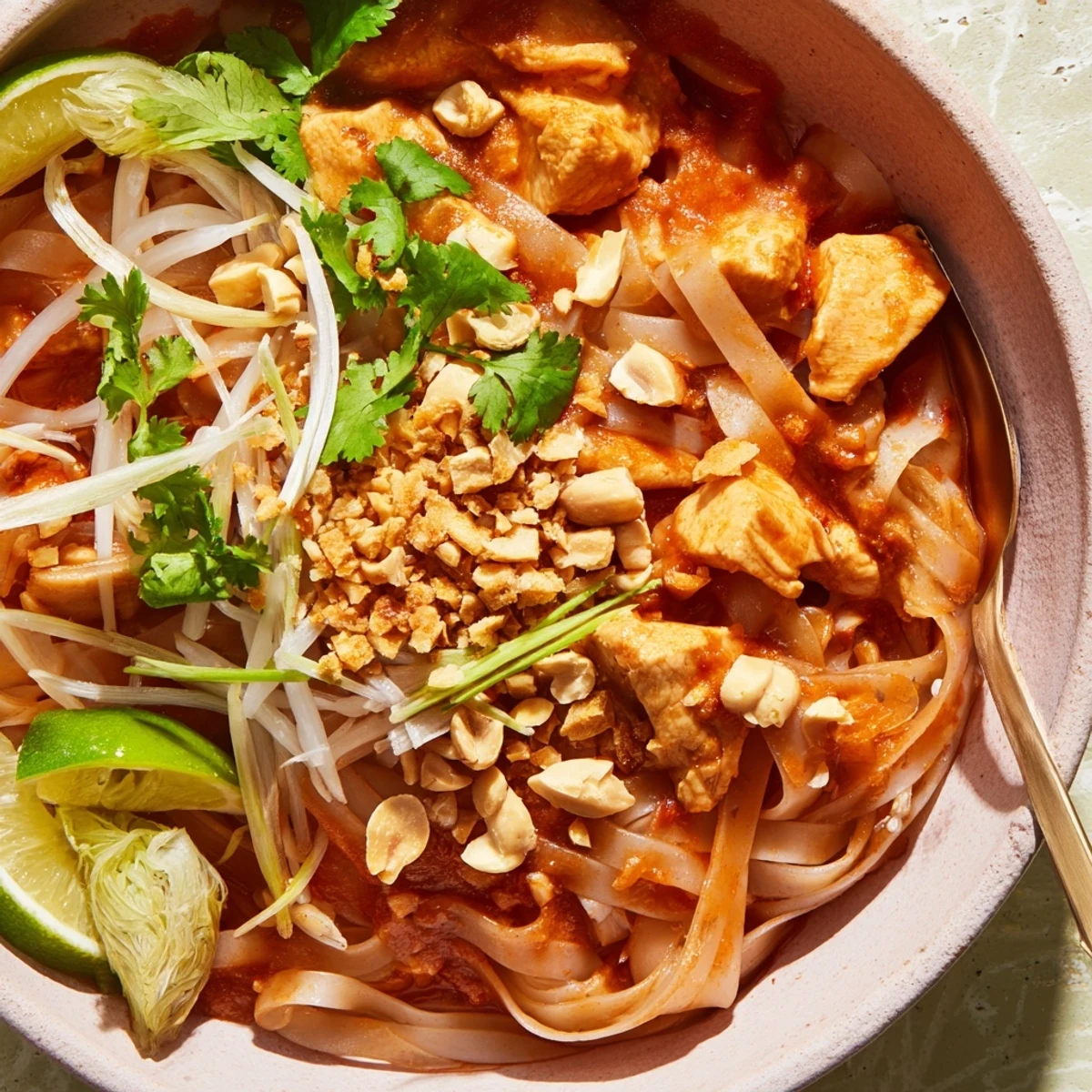
- Divide noodles among serving bowls and ladle hot chicken and sauce over the top. Finish with pickled mustard greens, peanuts, spring onions, coriander, lime wedges, and chili oil to taste.
 Save
Save My roommate used to request this on Sunday nights, calling it comfort food that didn't leave you feeling sluggish. We'd sit on the floor with our bowls, adding more chili oil with each bite, talking about everything and nothing. Those bowls became the backdrop for so many good conversations.
Making It Your Own
I've learned that Shan noodles adapt beautifully to what you have on hand. The core is the tomato chicken sauce, but everything else can shift with your preferences or what's in the fridge. Sometimes I swap in pickled cabbage when I can't find mustard greens.
The Texture Game
What makes this dish sing is the contrast between soft noodles, tender chicken, and the crunch of peanuts and pickled vegetables. Don't be tempted to skip the toppings, they're not just garnish, they're essential to every bite. A squeeze of lime right before eating wakes everything up.
Serving Strategy
Set out all the toppings in small bowls and let everyone build their own. It turns dinner into an interactive experience and means picky eaters can customize to their heart's content. Plus, it looks beautiful spread across the table.
- Keep some extra lime wedges on hand
- Offer a mild and spicy chili option
- Have extra roasted peanuts ready
 Save
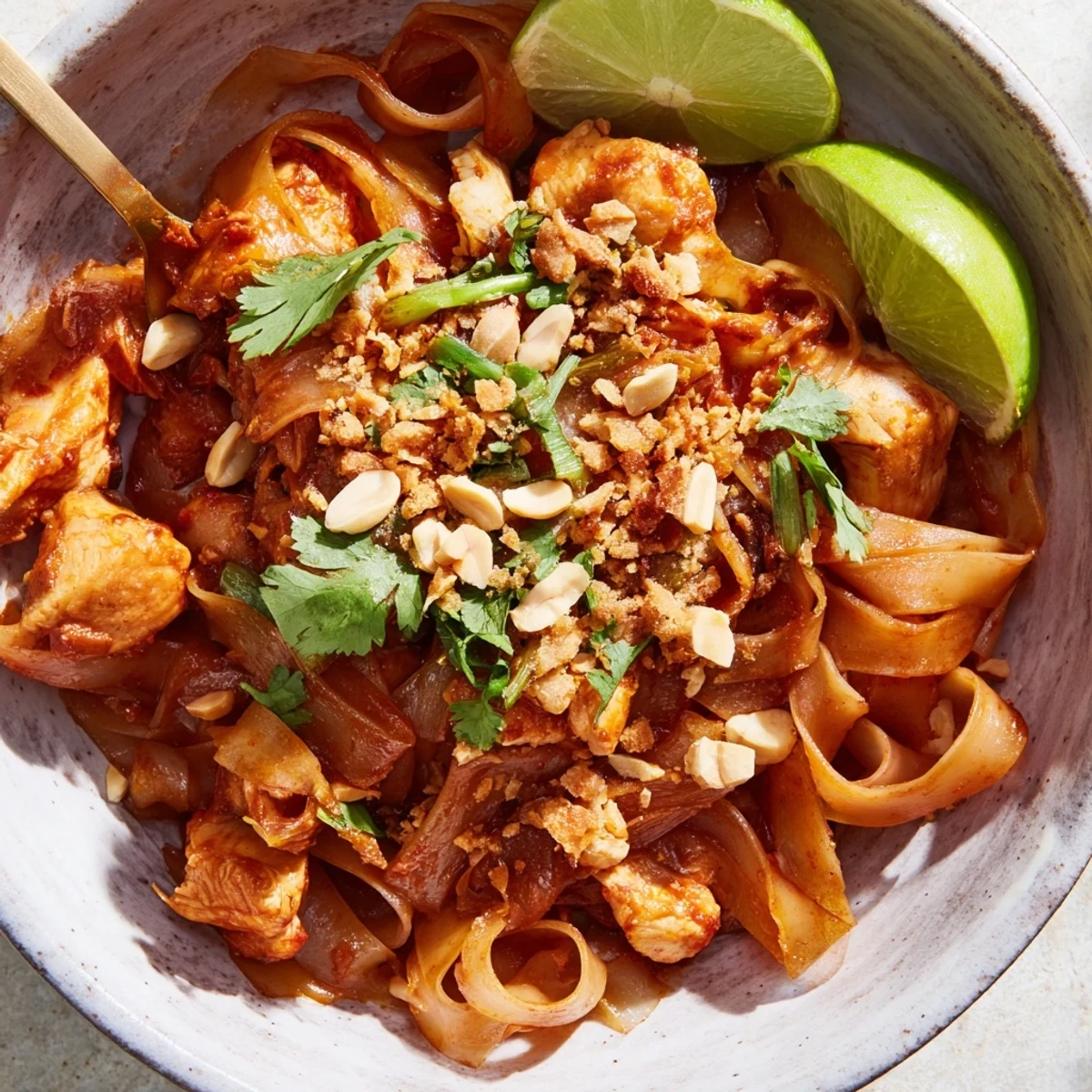
Save This dish has become my go-to when I want to feed people something that feels special but doesn't require me to be in the kitchen all evening. There's something about the combination of hot sauce and cool toppings that just makes people happy.
Recipe Questions & Answers
- → What makes Shan noodles different from other Asian noodle dishes?
-
Shan noodles feature a distinct tomato-based chicken sauce with turmeric and paprika, unlike the soy or tamarind-based sauces found in many other Asian noodle dishes. The combination of pickled mustard greens and roasted peanuts creates a unique flavor profile specific to Burmese cuisine from the Shan region.
- → Can I use fresh rice noodles instead of dried?
-
Yes, fresh rice noodles work beautifully and reduce cooking time. Simply soften them in warm water for a few minutes, drain well, and add them directly to bowls before ladling the hot chicken sauce over. Fresh noodles tend to absorb more sauce, creating an even richer coating.
- → What's the best substitute for pickled mustard greens?
-
Pickled cabbage or pickled radish work well as alternatives, offering similar tangy crunch. You can also use quick-pickled vegetables or even kimchi for a Korean twist. The acidity and texture are key elements that balance the rich chicken sauce.
- → How spicy should this dish be?
-
Traditional Shan noodles have mild to moderate heat. The recipe uses turmeric and paprika for flavor rather than spiciness, with chili oil added as a condiment. This allows each person to customize their heat level from none to very spicy according to preference.
- → Can I make the sauce ahead of time?
-
Absolutely. The chicken sauce actually develops deeper flavors when made ahead and stored in the refrigerator for up to 3 days. Reheat gently with a splash of water or stock to restore consistency, then cook fresh noodles just before serving for the best texture.
- → Is this dish gluten-free?
-
The base dish is naturally gluten-free when using rice noodles and soy sauce labeled as gluten-free (tamari). However, traditional fish sauce and some soy sauces contain gluten, so always check labels if you have celiac disease or gluten sensitivity.