
 Save
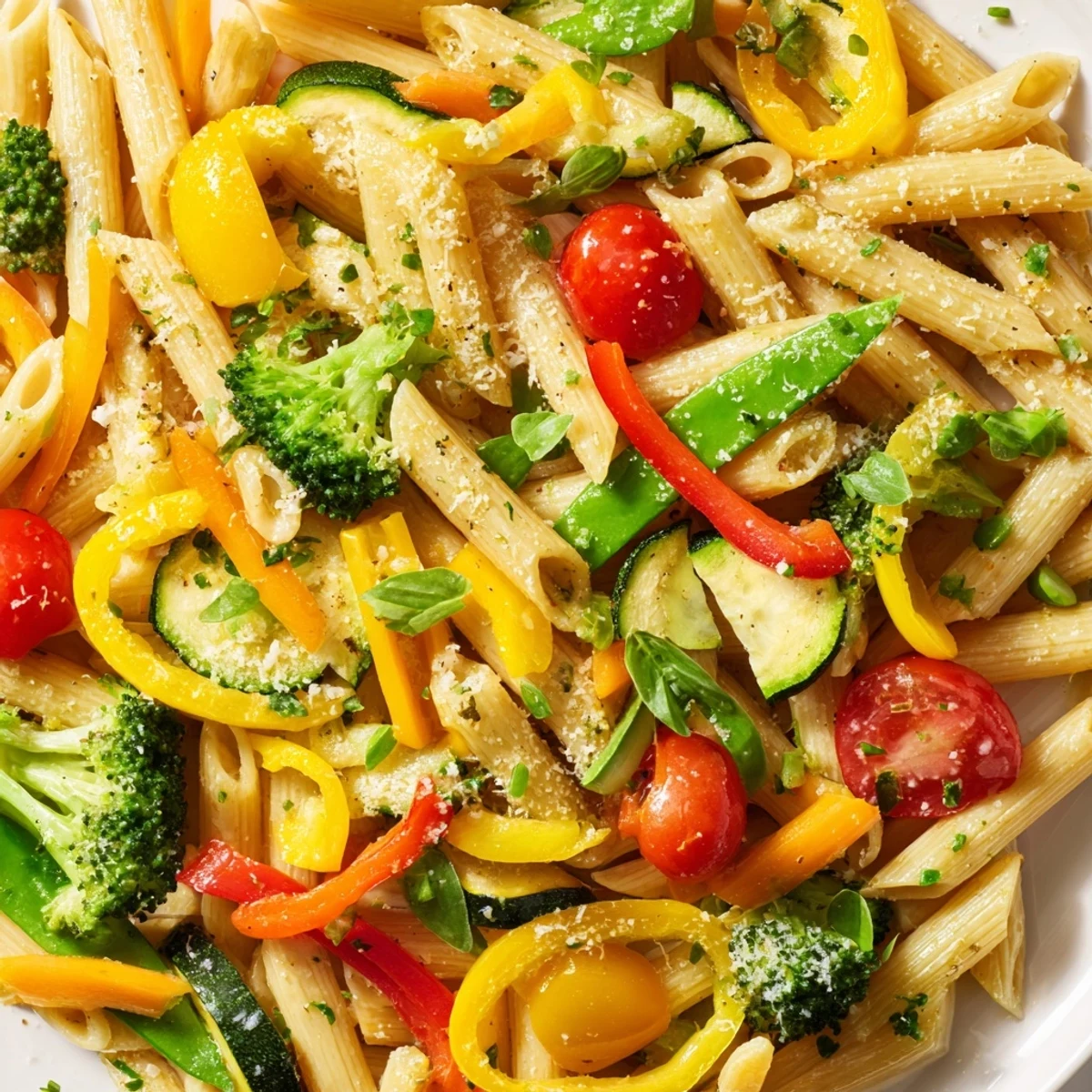
Save This Italian-inspired pasta dish features penne or spaghetti tossed with an array of fresh spring vegetables including zucchini, yellow squash, bell peppers, cherry tomatoes, broccoli, and sugar snap peas. The vegetables are sautéed until tender-crisp, then combined with the pasta in a flavorful sauce made with olive oil, garlic, lemon juice, and vegetable broth. Fresh herbs like basil and parsley add brightness, while Parmesan cheese brings a savory finish. The entire dish comes together in just 40 minutes, making it perfect for busy weeknights when you want something wholesome and satisfying.
The first time I made pasta primavera, I stood at my stove watching colorful vegetables tumble into the skillet and thought maybe Italian grandmothers had been keeping this joyful secret from us on purpose. It was a Tuesday evening after a particularly gray week at work, and I needed something that felt like sunshine on a plate. My kitchen filled with the smell of garlic and olive oil, and suddenly everything felt lighter and more promising. That's the magic of this dish—it transforms ordinary ingredients into something that feels like a celebration.
Last spring, my sister dropped by unexpectedly while I had a pot of penne bubbling away. I pulled every vegetable from my crisper drawer—some slightly wilted, some fresh from the farmers market—and tossed them into the skillet. We ate standing up at the counter, forks in hand, while she told me about her new job. The vegetables were vibrant and tender, the pasta perfectly coated, and she kept saying she couldnt believe something this delicious came from such simple ingredients. That's when I realized primavera isnt about perfection—it's about using what you have and making it beautiful.
Ingredients
- 400 g (14 oz) penne or spaghetti: Choose pasta with ridges or texture to catch the light sauce—penne, fusilli, or farfalle work beautifully
- 1 small zucchini, sliced: Young, firm zucchini hold their shape better during cooking and provide a tender bite
- 1 small yellow squash, sliced: These add sunny color and a mild sweetness that balances the sharper vegetables
- 1 red bell pepper, julienned: Red peppers bring natural sweetness and a gorgeous pop of color to the dish
- 1 cup cherry tomatoes, halved: Cherry tomatoes burst slightly in the heat, creating little pockets of juicy brightness
- 1 cup sugar snap peas, trimmed: These add a fresh crunch and sweet flavor that says spring has arrived
- 1 cup broccoli florets: Broccoli holds up well to sautéing and adds earthy depth and nutrition
- 3 tablespoons extra virgin olive oil: Use your best olive oil here since its flavor shines through the simple sauce
- 3 cloves garlic, minced: Fresh garlic, not jarred, makes all the difference in building that aromatic base
- 1/2 teaspoon crushed red pepper flakes: Optional but recommended for a gentle warmth that cuts through the vegetables sweetness
- 1/2 cup vegetable broth: This deglazes the pan and creates a light, flavorful backbone for the sauce
- Juice of 1 lemon: Fresh lemon juice brightens everything and balances the olive oil and vegetables
- 1/4 cup grated Parmesan cheese, plus more for serving: The cheese melts into the sauce, adding umami and a silky finish
- Salt and freshly ground black pepper, to taste: Season generously as you go—this simple dish relies on proper seasoning
- 2 tablespoons fresh basil leaves, chopped: Add basil at the very end to preserve its delicate aroma and bright flavor
- 2 tablespoons fresh parsley, chopped: Flat-leaf parsley adds freshness and a beautiful green garnish
Instructions
- Cook the pasta to perfect al dente:
- Bring a large pot of generously salted water to a rolling boil and cook pasta until it still has a slight bite to it. Drain while reserving 1/2 cup of the starchy pasta water—this liquid gold will help create a silky sauce that clings to every strand.
- Build your aromatic foundation:
- While the pasta bubbles away, heat olive oil in a large skillet over medium heat. Add the minced garlic and red pepper flakes if using, letting them sizzle for just one minute until fragrant but not browned. Your kitchen should smell incredible right about now.
- Sauté the harder vegetables first:
- Add zucchini, yellow squash, bell pepper, and broccoli to the skillet. Cook for 4-5 minutes, stirring occasionally, until theyre just tender but still retain some crunch. You want vegetables that are cooked through, not mushy.
- Add the quick-cooking vegetables:
- Toss in cherry tomatoes and sugar snap peas, cooking for another 2-3 minutes. The tomatoes will start to blister and release their juices while the snap peas turn bright green. This timing keeps the vegetables at different stages of doneness for varied texture.
- Create the light sauce:
- Pour in vegetable broth and fresh lemon juice, letting everything simmer for 2 minutes. Season with salt and pepper, tasting as you go. The liquid should reduce slightly and coat the vegetables in a glossy sheen.
- Bring it all together:
- Add the drained pasta to the skillet along with Parmesan cheese. Toss vigorously, adding splashes of reserved pasta water as needed until you have a silky, emulsified sauce that coats each piece of pasta. The starch from the pasta water is the secret to restaurant-quality texture.
- Finish with fresh herbs:
- Remove from heat and stir in chopped basil and parsley. Taste one more time and adjust seasoning if needed. The herbs should be vibrant and fragrant, not cooked into submission.
- Serve with love:
- Plate immediately while everything is piping hot, passing extra Parmesan at the table. This dish waits for no one—the sauce is best when freshly made and the vegetables still have their bright, just-cooked character.
 Save
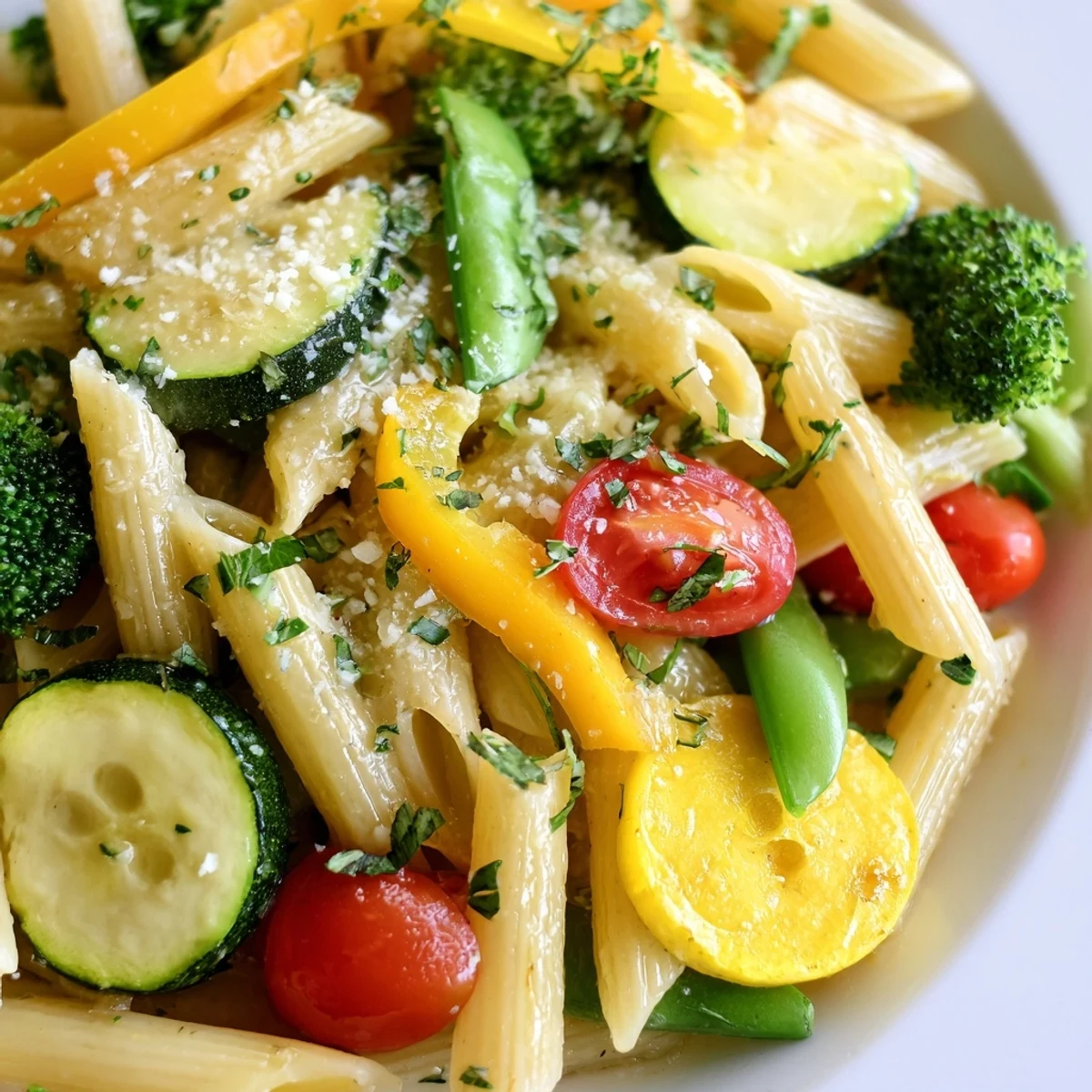
Save This recipe became my go-to for dinner parties after the night my friend Marco, who grew up in Naples, took his first bite and went completely silent. After a long moment he looked at me and said this reminded him of his nonna's garden in June, where vegetables were picked and cooked within minutes. Now whenever I make it for people, I think of how food can transport us across oceans and generations with something as simple as pasta and vegetables.
Vegetable Variations That Work
I've learned that primavera is beautifully adaptable to whatever season you're in. In summer, swap in fresh corn kernels and use green beans instead of broccoli. Fall welcomes butternut squash cubes and kale stems. Winter works well with roasted root vegetables added at the end. The philosophy is simple: use what looks freshest and most beautiful at the market, and you cant go wrong.
Making It A Complete Meal
While this dish is satisfying on its own, sometimes I want something more substantial. I've found that adding protein transforms it from a light dinner into something that powers me through long days. A can of drained chickpeas tossed in at the end works beautifully. When my carnivore brother visits, I'll pan-sear some chicken breasts while the vegetables cook and slice them on top. The key is adding protein at the very end so it doesnt become rubbery or overcooked.
Serving Suggestions & Wine Pairings
A crisp white wine cuts through the olive oil and complements the vegetables beautifully. Pinot Grigio is classic, but I also love a dry Sauvignon Blanc with its grassy notes that echo the fresh herbs. For a non-alcoholic option, sparkling water with a squeeze of lemon and a sprig of basil refreshes the palate between bites. Serve with a simple green salad dressed with nothing more than good olive oil and vinegar, and maybe some crusty bread to soak up any remaining sauce.
- The leftovers, if you have any, make an excellent cold pasta salad the next day
- A squeeze of extra lemon right before serving wakes up all the flavors
- Don't be shy with the Parmesan—it brings everything together
 Save
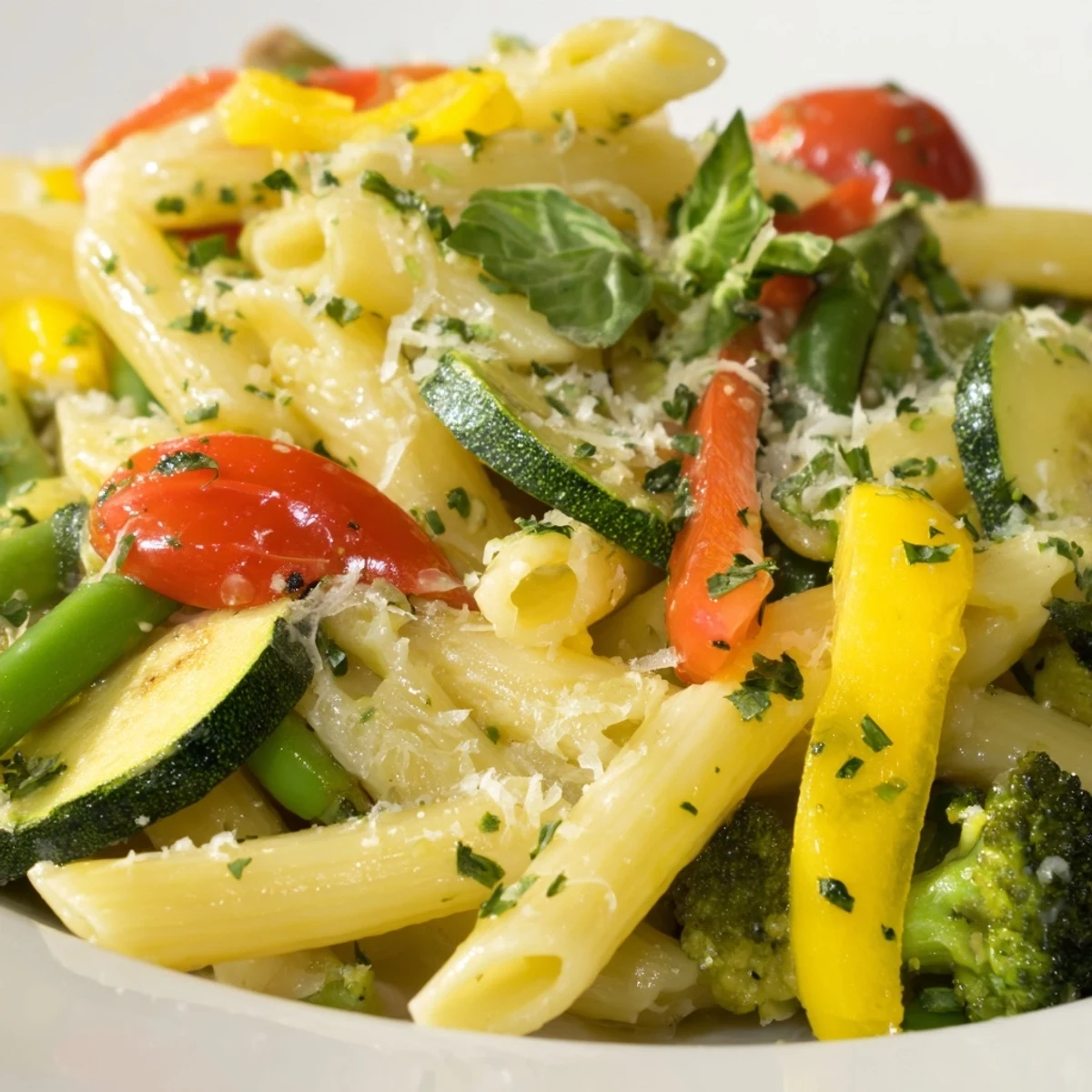
Save There's something deeply comforting about a bowl of pasta primavera—the colors, the flavors, the way it fills your kitchen with warmth. I hope this recipe finds its way into your regular rotation, just as it has in mine.
Recipe Questions & Answers
- → What vegetables work best in pasta primavera?
-
Spring vegetables shine in this dish. Zucchini, yellow squash, bell peppers, cherry tomatoes, broccoli florets, and sugar snap peas provide excellent texture and flavor. You can also add asparagus, peas, or fresh spinach depending on what's in season.
- → Can I make this dish gluten-free?
-
Absolutely. Simply substitute the regular penne or spaghetti with your favorite gluten-free pasta. Brown rice pasta, chickpea pasta, or corn-based varieties all work well. The cooking time may vary slightly, so check the package instructions.
- → How do I prevent the vegetables from becoming mushy?
-
The key is adding vegetables in stages. Start with harder vegetables like zucchini, squash, and broccoli that need 4-5 minutes. Add delicate cherry tomatoes and snap peas later. Sauté until just tender-crisp rather than soft to maintain texture and freshness.
- → Can I add protein to make it more filling?
-
Yes, grilled chicken strips, sautéed shrimp, or chickpeas make excellent additions. Add cooked proteins during step 6 when combining the pasta with vegetables. For plant-based options, white beans or lentils also work beautifully.
- → What wine pairs well with pasta primavera?
-
A crisp Pinot Grigio or Sauvignon Blanc complements the fresh vegetables and light sauce perfectly. The acidity cuts through the olive oil while enhancing the herbs and lemon. For red wine lovers, a light Pinot Noir or Chianti also works nicely.
- → How should I store leftovers?
-
Store in an airtight container in the refrigerator for up to 3 days. The pasta may absorb some sauce, so add a splash of water or olive oil when reheating. Reheat gently in a skillet or microwave, though the vegetables will be softer than when freshly made.