
 Save
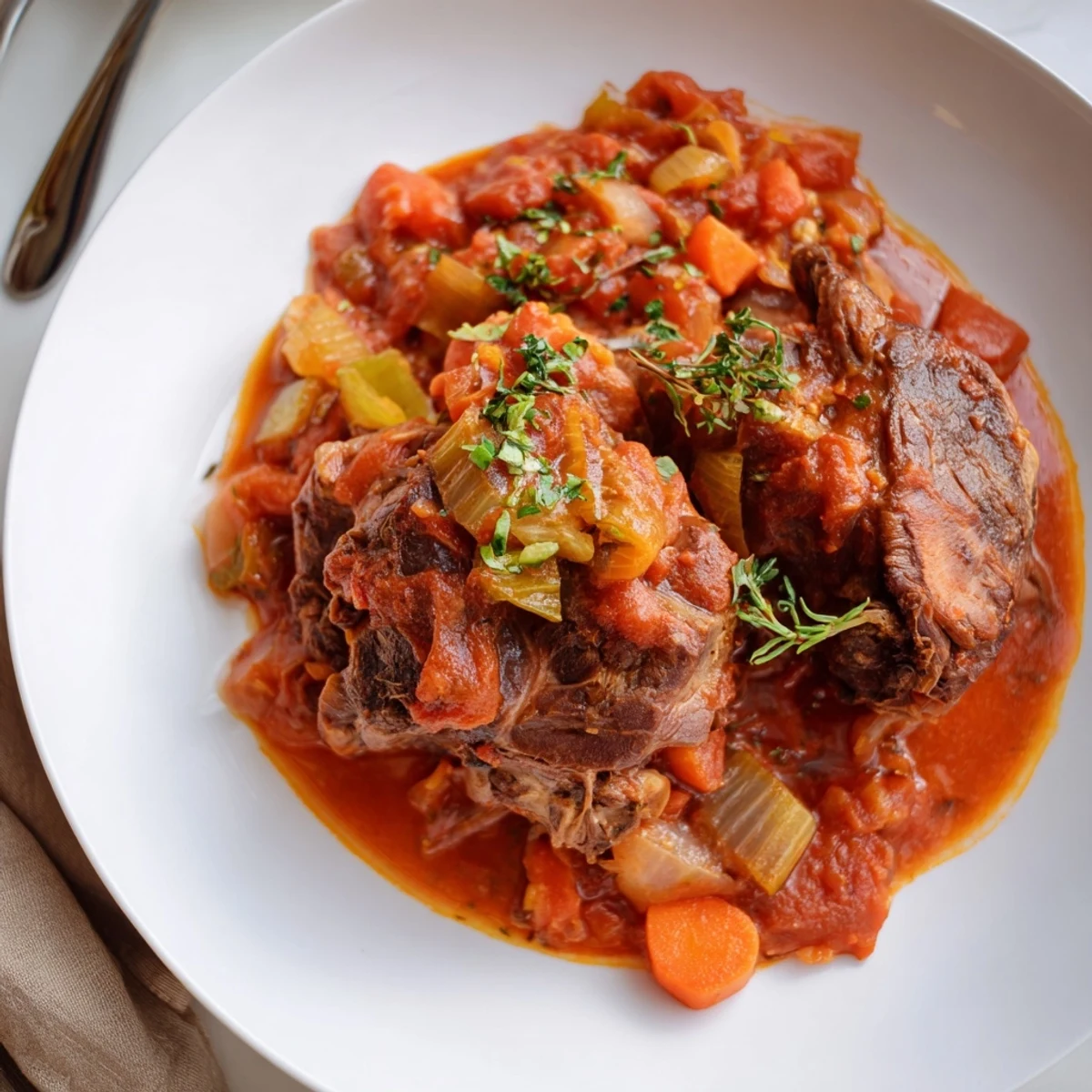
Save This beloved Italian classic transforms veal shanks into melt-in-your-mouth perfection through slow braising. The meat simmers gently in a fragrant blend of tomatoes, white wine, and aromatic vegetables for nearly three hours, developing incredible depth and tenderness.
The finished dish features fork-tender meat that nearly falls from the bone, enveloped in a rich, savory sauce. Bright notes from lemon zest and fresh parsley provide lovely contrast to the deep, concentrated flavors achieved through patient oven braising.
The first time I made osso buco, it was supposed to be a casual Tuesday dinner with my sister, but we ended up standing around the Dutch oven for nearly an hour, just watching the sauce bubble and breathing in that incredible aroma of wine and tomatoes. She kept asking if it was done yet, and I kept telling her that good things take time, especially when it comes to braised meat. Now whenever veal shanks go on sale, I get a text from her asking if we are having a Tuesday redo. Some meals just become traditions without anyone planning them.
I learned the hard way that rushing the browning step is a mistake I will never make again. One night I was in a hurry and just seared the shanks quickly, and the sauce ended up lacking that rich, caramelized depth that makes osso buco so extraordinary. Now I treat that browning stage like the most important part of the whole recipe, taking my time and letting each side develop that beautiful golden crust.
Ingredients
- Veal shanks: About 2 inches thick works best for proper braising, and look for ones with good marbling since the fat keeps the meat tender during those long hours in the oven.
- All-purpose flour: This creates a light coating that helps develop that gorgeous brown crust and also gently thickens the sauce as everything braises together.
- Olive oil and butter: The combination gives you the high smoke point you need for searing while the butter adds that rich, nutty flavor you really want in a braised dish.
- Onion, carrots, and celery: This classic trio forms the flavor foundation, so take the time to dice them evenly so they soften at the same rate and disappear into the sauce.
- Garlic: Fresh minced garlic adds that aromatic punch, but add it after the vegetables have softened so it does not burn and turn bitter.
- Dry white wine: Something you would actually drink is perfect here since the wine flavor really comes through in the final sauce.
- San Marzano tomatoes: These are worth seeking out because they have such a sweet, intense flavor that makes the sauce taste like it has been simmering all day.
- Chicken stock: Homemade is ideal but any good quality stock will work, and it creates that braising liquid that becomes the most incredible sauce.
- Fresh thyme and bay leaves: These herbs add that subtle background flavor that makes the dish taste complex and restaurant-quality.
- Lemon zest and parsley: This bright combination cuts through all that rich meat and sauce, adding that final fresh note that makes every bite exciting.
Instructions
- Get your oven ready:
- Preheat to 325°F and move the rack to the lower middle position so the pot has plenty of room and the heat circulates evenly around the Dutch oven.
- Prep the veal:
- Pat the shanks completely dry with paper towels, mix the flour with salt and pepper, then lightly coat each shank, shaking off any extra flour so you do not end up with a thick coating.
- Sear the meat:
- Heat the oil and butter in your Dutch oven until it is shimmering, then brown the shanks on all sides for about 3 to 4 minutes per side until they are deeply golden, working in batches if needed so you do not crowd the pot.
- Build the base:
- Sauté the vegetables until they are soft and fragrant, about 8 minutes, then add the garlic for just 1 minute until it becomes aromatic.
- Deglaze the pot:
- Pour in the white wine and scrape up all those gorgeous browned bits from the bottom, letting it bubble for 2 to 3 minutes until it reduces slightly.
- Simmer together:
- Add the crushed tomatoes, stock, thyme, bay leaves, and lemon zest, stirring everything together before returning the veal to the pot.
- Braise slowly:
- Bring it to a simmer on the stove, cover tightly, and transfer to the oven for 2 to 2.5 hours until the meat is fork-tender and practically falling off the bone.
- Finish and serve:
- Remove the bay leaves, skim off any excess fat, and if you want that authentic Milanese touch, sprinkle with gremolata right before serving.
 Save
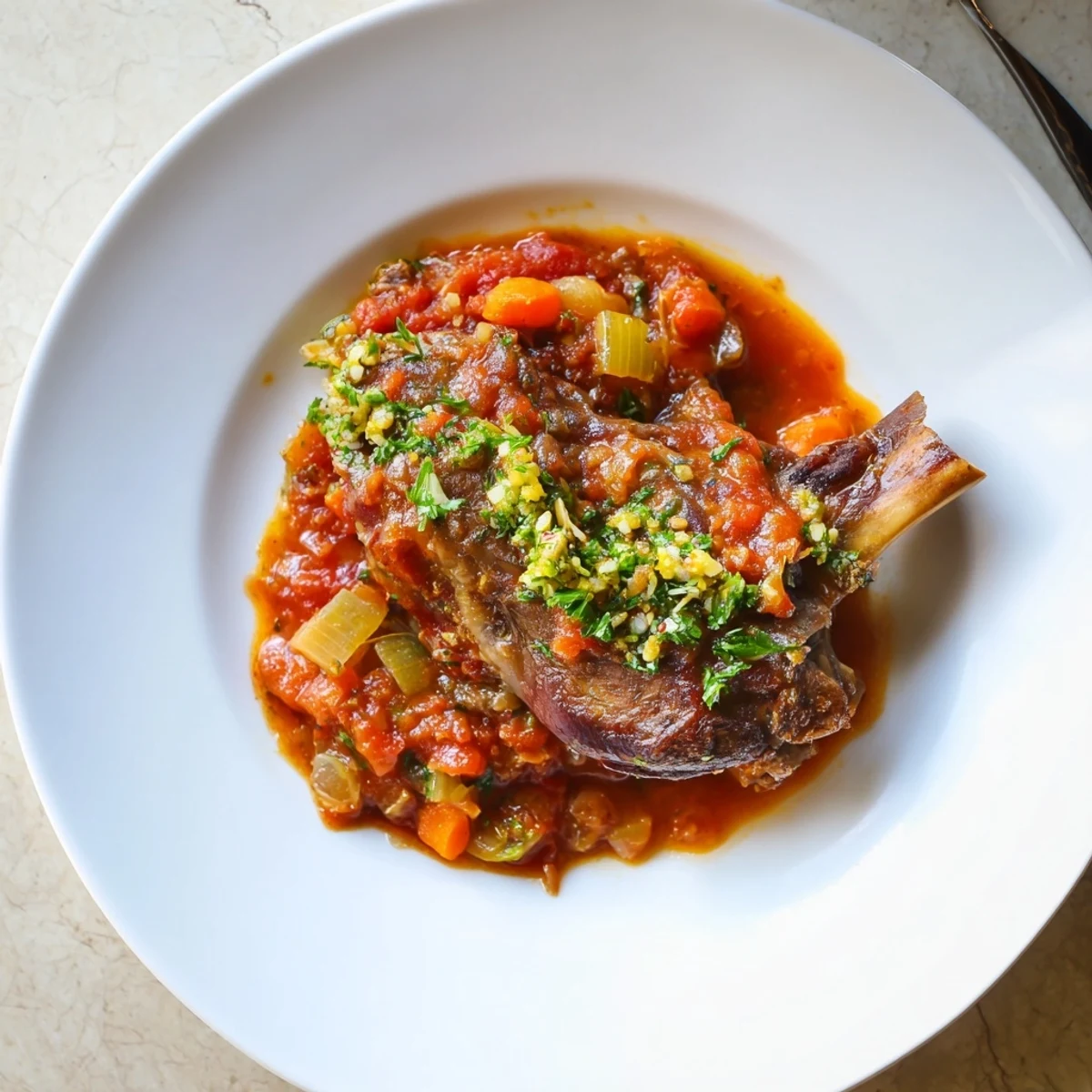
Save Last winter I made this for a dinner party when it was snowing outside, and something about that rich, bubbling pot coming out of the oven while everyone gathered around the table made it feel like the perfect winter meal. One of my friends took one bite and actually closed her eyes, which I consider the highest compliment you can possibly get from a home-cooked dinner.
Choosing the Right Pot
A heavy Dutch oven is absolutely essential here because it holds heat so evenly and keeps the moisture in during braising. If you do not have one, any heavy oven-safe pot with a tight-fitting lid will work, but thin pots can cause hot spots that might burn the sauce in places.
Make It Ahead
This dish actually improves after a night in the refrigerator, so feel free to make it the day before and gently reheat it on the stove. The flavors meld together beautifully and any excess fat solidifies on top, making it easy to skim off before serving.
Perfect Side Dishes
Creamy polenta is my absolute favorite pairing because it soaks up all that incredible sauce, but risotto alla Milanese is the traditional choice for good reason. Mashed potatoes work beautifully too, especially when you have guests who might be intimidated by risotto.
- Make a simple green salad with a bright vinaigrette to cut through the richness.
- Crusty bread is essential for sopping up every last drop of that sauce.
- A light Italian red wine like Chianti pairs perfectly with the tomato and wine base.
 Save
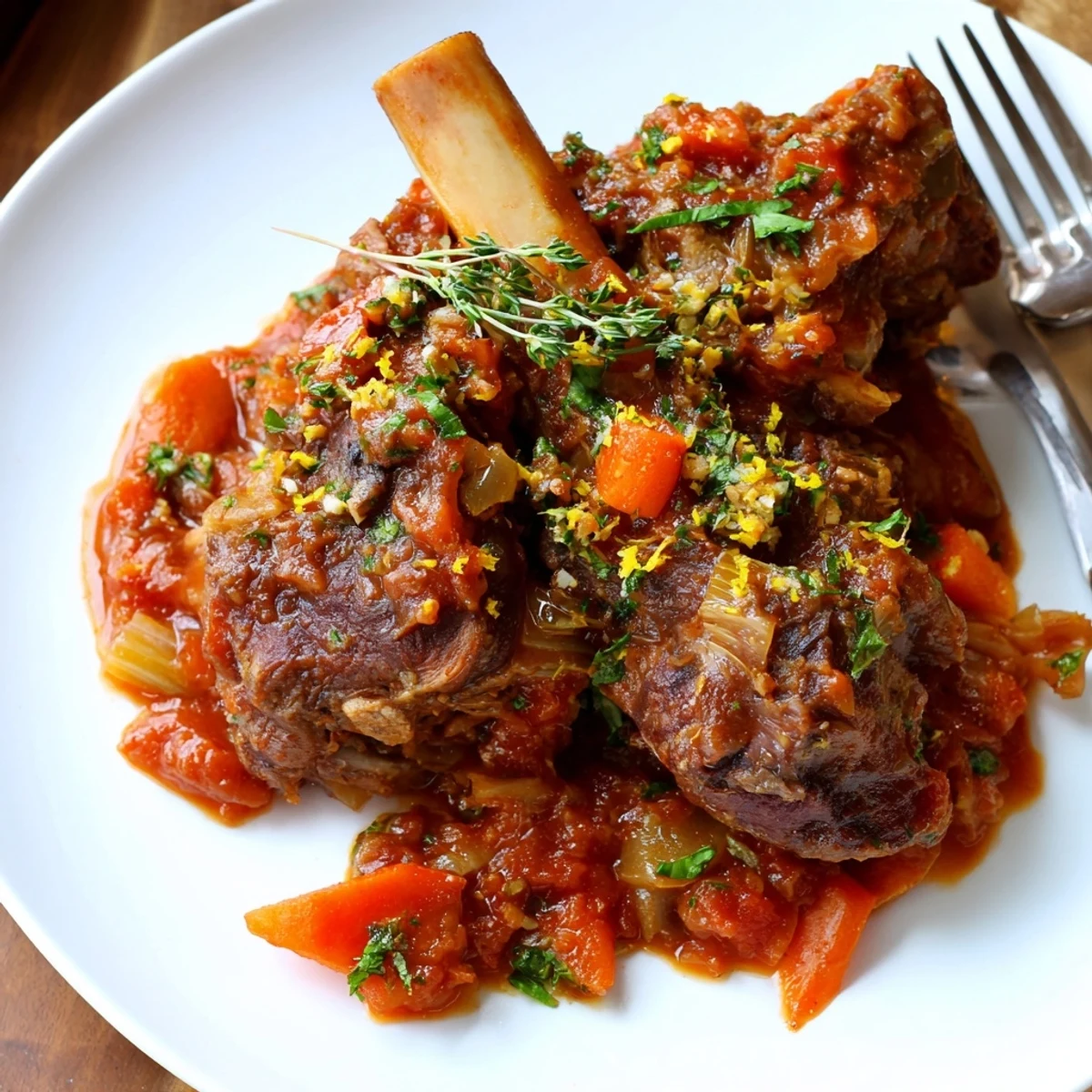
Save There is something so satisfying about making a dish that looks and tastes impressive but is actually quite straightforward once you understand the technique. This is the kind of meal that turns an ordinary Tuesday into something worth remembering.
Recipe Questions & Answers
- → What cut of meat works best for osso buco?
-
Traditional osso buco uses veal shanks cut about 2 inches thick. The shank's connective tissue breaks down during braising, creating incredibly tender meat and naturally thickening the sauce. Beef shanks make an excellent substitute if veal isn't available.
- → How long should osso buco be braised?
-
Braise the shanks for 2 to 2.5 hours at 325°F. The meat is ready when it's fork-tender and nearly falling off the bone. Cooking times may vary slightly depending on shank thickness, so check for tenderness around the 2-hour mark.
- → What should I serve with osso buco?
-
Risotto alla Milanese is the classic pairing, though creamy polenta or mashed potatoes work beautifully. These sides soak up the rich braising liquid while providing a neutral canvas for the flavorful meat and sauce.
- → Can I make osso buco gluten-free?
-
Simply use gluten-free flour for dredging or skip this step entirely. The browning creates nice flavor, but the dish remains delicious without flour coating. Ensure all other ingredients, particularly the chicken stock, are certified gluten-free.
- → What is gremolata and why is it used?
-
Gremolata is a zesty condiment of chopped parsley, garlic, and lemon zest. Sprinkled over osso buco just before serving, it adds bright, fresh contrast that cuts through the rich braised meat and sauce, balancing each bite.