
 Save
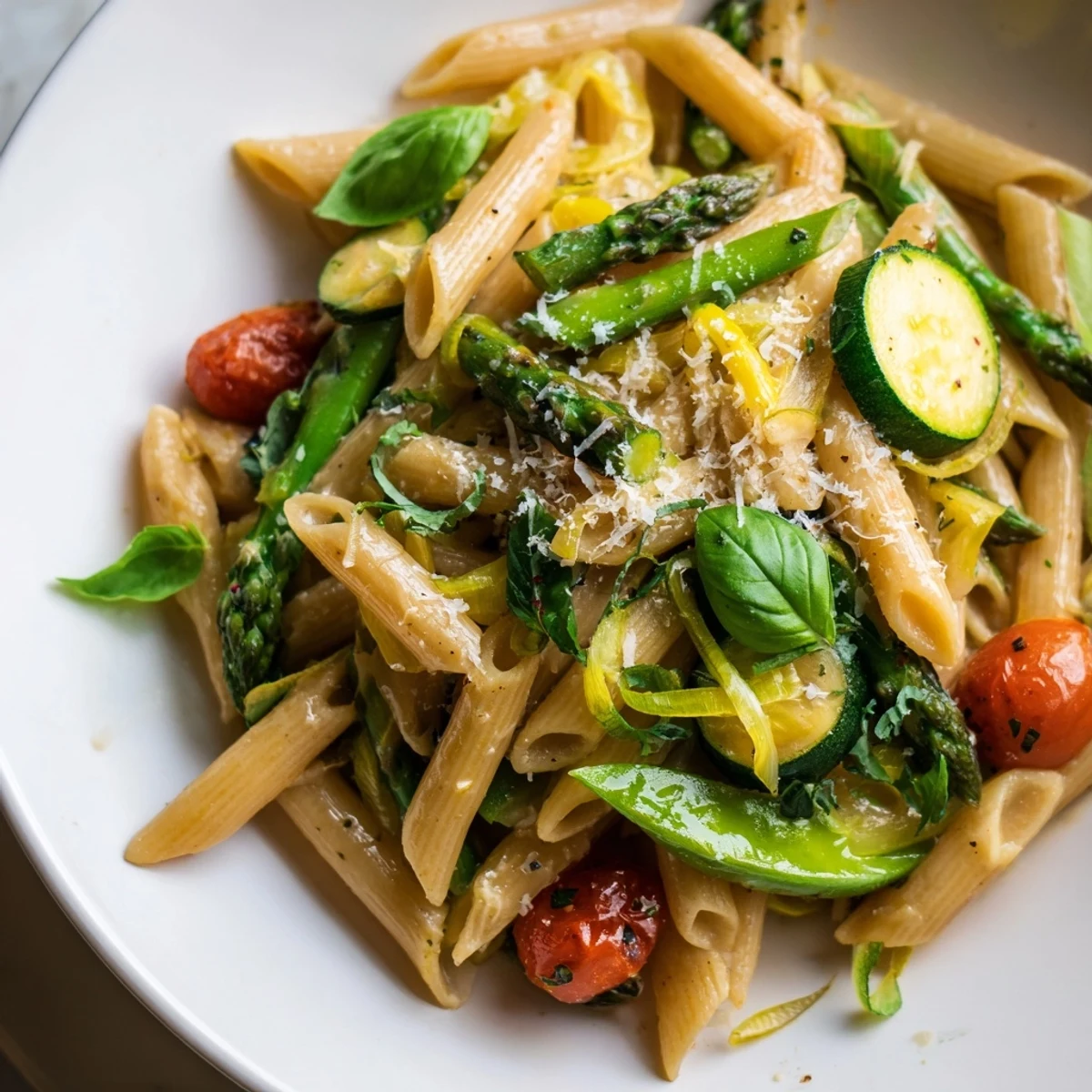
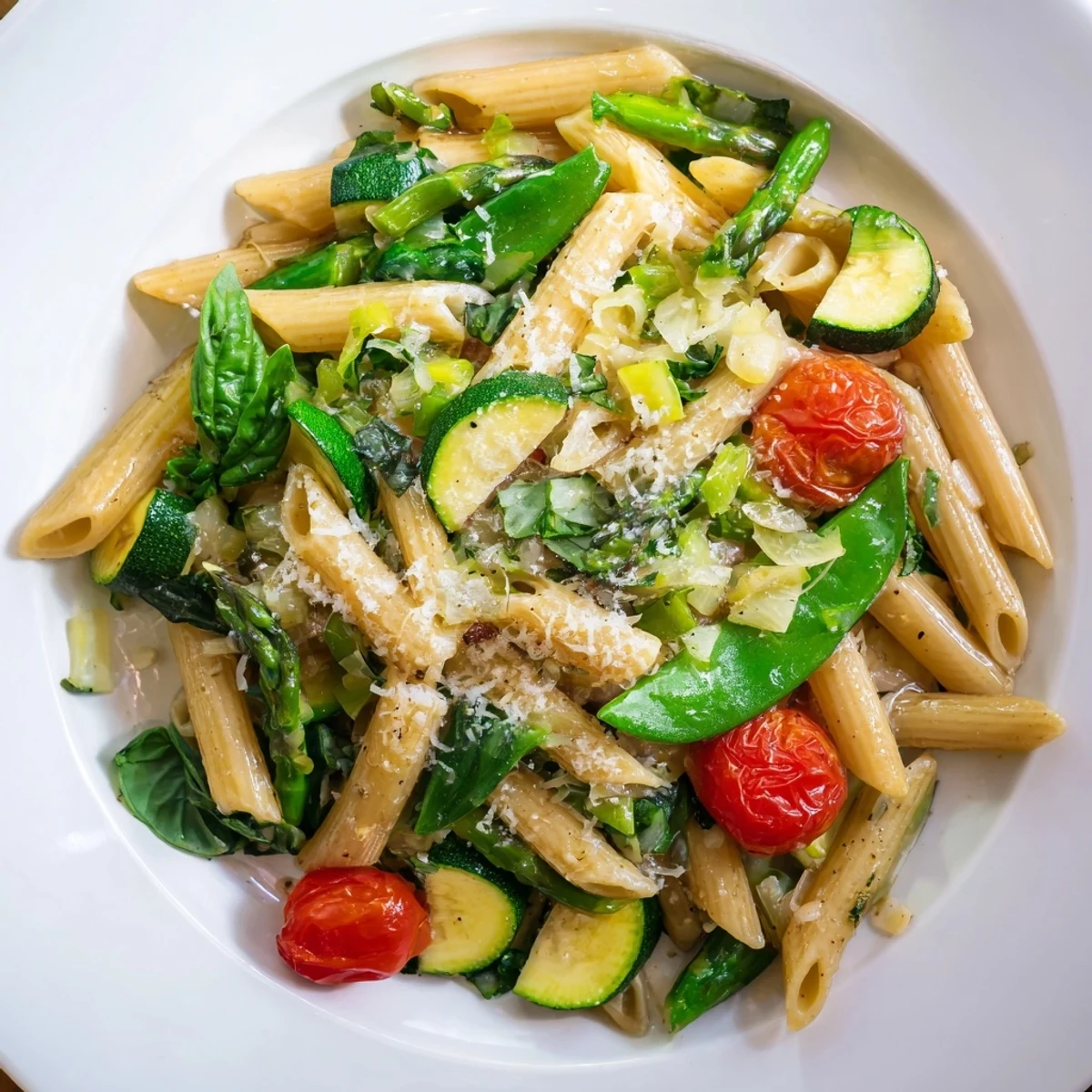
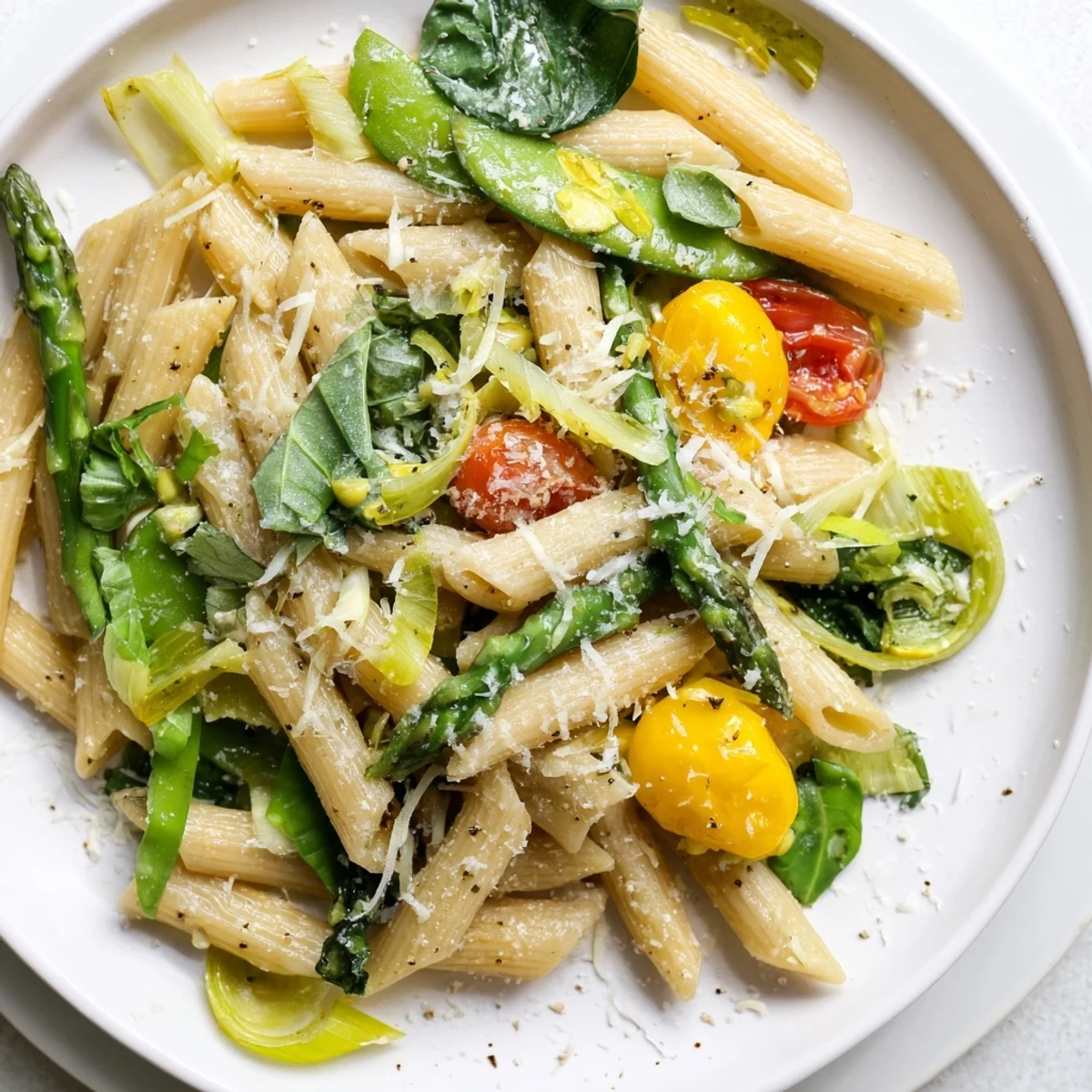
Save This vibrant pasta brings together tender penne and crisp spring vegetables—think asparagus, sugar snap peas, zucchini, baby spinach, and cherry tomatoes. Everything cooks together in one pot, allowing the pasta to absorb the flavorful vegetable broth while the vegetables become perfectly tender. Finished with bright lemon zest, juice, and Parmesan, it's a light yet satisfying meal ready in just 35 minutes with minimal cleanup.
The first time I made this pasta, it was a rainy Tuesday and I was desperately trying to use up a farmers market haul before everything turned. I ended up throwing whatever green things I could find into a pot with some dried pasta, expecting a mediocre dinner at best. But when that starchy pasta water emulsified with the olive oil and all those spring vegetables turned bright and tender, I actually stopped mid-bite and called my mom. Sometimes the best discoveries happen when you are too tired to make anything complicated.
Last spring my sister came over for dinner and watched me make this, absolutely convinced I was doing it wrong. She kept asking where the colander was, why I was not boiling the pasta separately, if I was sure about adding the vegetables at different times. But when she took that first bite and the sauce coated the pasta perfectly, she pulled out her phone and started taking notes. Now she makes it for her family every Tuesday night, and she finally understands why I never bother draining pasta anymore.
Ingredients
- Pasta: Penne or fusilli catches all the sauce in those ridges and curves, and short pasta cooks evenly in the broth
- Vegetable broth: Low-sodium gives you control over seasoning, and the starch from the pasta transforms it into a velvety sauce
- Asparagus and snap peas: Quick-cooking spring vegetables stay bright and tender, never mushy, when added midway through cooking
- Zucchini: Sliced thin so it softens quickly in the simmering broth without falling apart
- Baby spinach: Added at the very end just to wilt, keeping its fresh green color and delicate texture
- Cherry tomatoes: They burst slightly in the final minutes, releasing their juices into the sauce
- Leek and garlic: Cooked gently in olive oil first to build a fragrant base that infuses the entire dish
- Lemon: Both zest and juice brighten all those spring vegetables and cut through the richness
- Parmesan: Grated right into the hot pasta creates a creamy, savory finish without any heavy cream
Instructions
- Build your flavor base:
- Heat olive oil in a large deep skillet or Dutch oven over medium heat, add sliced leeks and minced garlic, and let them soften until fragrant and translucent, about 2 minutes. This step creates the aromatic foundation that will infuse the entire dish as everything cooks together.
- Start the pasta:
- Add the dry pasta, vegetable broth, and water to the skillet, bring it to a boil while stirring once to prevent sticking, then reduce to a steady simmer. Let the pasta cook for 8 minutes, stirring occasionally, until it is halfway done and the liquid has started to thicken.
- Add the hardier vegetables:
- Toss in asparagus pieces, sugar snap peas, and sliced zucchini, then continue cooking for another 7 minutes as the pasta finishes and the vegetables become tender. The liquid should be mostly absorbed by now, leaving you with a glossy, starchy sauce that coats everything.
- Finish with delicate touches:
- Stir in baby spinach, halved cherry tomatoes, lemon zest, lemon juice, and grated Parmesan, cooking just 2 more minutes until the spinach wilts and tomatoes warm through. Season generously with salt and pepper, then serve hot with fresh herbs scattered on top.
 Save
Save I made this for a dinner party once when a friend announced she was vegan right as I was about to add the Parmesan. We just left out the cheese and passed a bowl of nutritional yeast at the table, and honestly the dish was still incredible without any dairy. Now I always think of that night whenever someone tells me they cannot eat something, because it taught me that good recipes can adapt to anyone at your table.
Choosing Your Spring Vegetables
Look for vegetables that feel heavy for their size and have vibrant, unwilted leaves. Asparagus spears should snap cleanly when bent, not bend limply, and sugar snap peas need to be bright green with no brown spots. The beauty of this recipe is how adaptable it is, so visit your farmers market and see what looks fresh that day.
Getting The Sauce Just Right
If the liquid absorbs too quickly before the pasta is done, add another splash of water and keep cooking. The goal is a thickened, glossy sauce that clings to the pasta, not something dry or soupy. I keep a measuring cup of water beside the stove the first few times I made this until I learned exactly how much liquid my particular skillet needed.
Make It Your Own
This pasta welcomes whatever vegetables you have on hand, from fava beans to green beans to fresh peas. Sometimes I add a handful of arugula at the end for extra pepperiness, or top everything with toasted pine nuts for crunch. The method stays the same, but the dish changes with every season and every whim.
- Try switching to whole wheat or chickpea pasta for extra protein and fiber
- A pinch of red pepper flakes in the oil with the leeks adds gentle warmth
- Fresh mint or tarragon can replace the basil for a completely different spring flavor profile
 Save
Save This is the kind of recipe that makes you feel like a capable cook without actually requiring any special skills. Simple ingredients, one pot, and something magical happens on the stove all by itself.
Recipe Questions & Answers
- → What vegetables work best in this pasta?
-
Asparagus, sugar snap peas, zucchini, spinach, and cherry tomatoes are ideal. You can also add fava beans, fresh peas, or green beans for variety.
- → Can I make this gluten-free?
-
Yes, substitute the penne with your favorite gluten-free pasta and ensure your vegetable broth is certified gluten-free.
- → How do I store leftovers?
-
Store in an airtight container in the refrigerator for up to 3 days. The pasta will continue to absorb liquid, so add a splash of water or broth when reheating.
- → Can I use different pasta shapes?
-
Short pasta shapes like fusilli, rotini, or farfalle work well. Avoid long noodles like spaghetti or linguine as they're harder to cook evenly in this method.
- → Is this suitable for meal prep?
-
Absolutely. The flavors meld beautifully overnight. Portion into containers and reheat with a splash of water or broth to restore creaminess.