
 Save
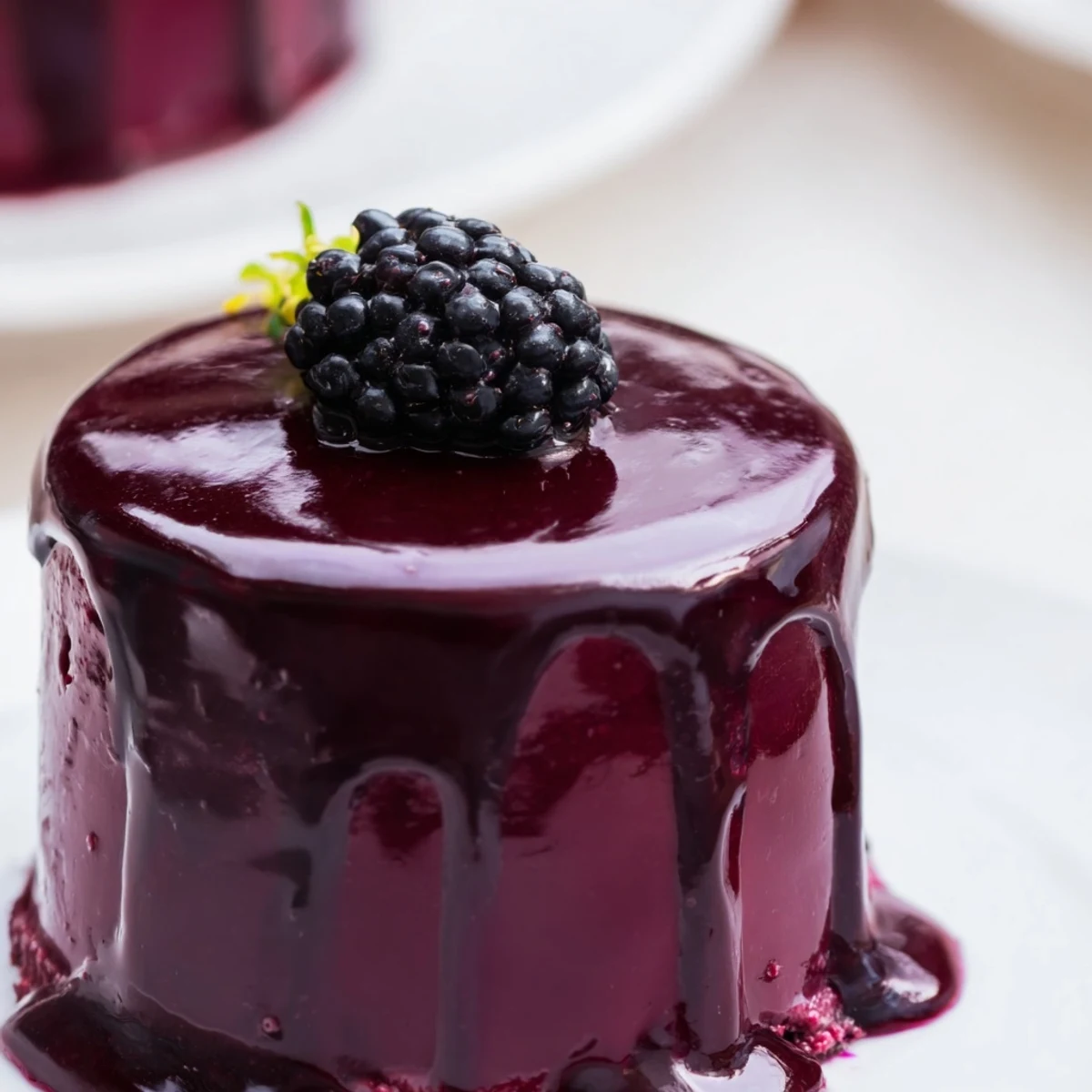
Save These elegant individual desserts combine three delightful textures: a tender vanilla sponge base, a light and airy blackberry mousse, and a glossy fruit glaze. The fresh blackberry puree creates a vibrant purple hue and natural tartness that balances perfectly with the sweetened whipped cream. Each step builds layers of flavor, from the foundational sponge to the creamy mousse and finishing glaze.
Prepare these the day before your event—the four-hour chilling time allows the mousse to set properly, ensuring clean edges when unmolded. The glossy blackberry topping creates a professional finish, while fresh berries and edible flowers add the final decorative touch.
The summer my daughter turned eight, she requested something purple and fancy for her birthday party. I had never worked with gelatin or mousses before, but those determined eyes convinced me to try. We spent a messy afternoon learning that purple food coloring stains everything, including my favorite apron.
I served these at a garden dinner party last July, watching fireflies blink while guests took their first delicate bites. Someone actually asked which bakery Id visited, and I laughed remembering the gelatin blobs that almost ruined my first attempt.
Ingredients
- 2 large eggs: Room temperature eggs whip up fluffier and incorporate more air into your sponge base
- 60 g granulated sugar: This precise amount sweetens without weighing down the delicate cake structure
- 60 g all-purpose flour: Sift it first to prevent any stubborn lumps in your tender sponge
- 1/4 tsp vanilla extract: Pure vanilla extract adds that comforting background note people cant quite place
- Pinch of salt: Just enough to make the vanilla and berries sing without tasting salty
- 300 g fresh or frozen blackberries: Frozen work perfectly fine here, just thaw them completely before cooking
- 80 g granulated sugar: Balances the natural tartness of blackberries without masking their wild flavor
- 2 tbsp lemon juice: Brightens the berry flavor and helps the gelatin set properly
- 6 g (2 sheets) powdered gelatin or leaf gelatin: Leaf gelatin dissolves more evenly but powder works if thats what you have
- 250 ml heavy cream, cold: The cream must be thoroughly chilled to whip up properly for that cloud like texture
- 100 g blackberry puree (strained): Use some of your cooked puree from the mousse step to save time
- 30 g granulated sugar: Just enough to create a glossy mirror finish on top
- 2 g (1 sheet) gelatin: A smaller amount here since the glaze needs to be pourable not firm
- Fresh blackberries: These little jewels on top tell everyone exactly what flavor awaits inside
- Edible flowers or mint leaves: Totally optional but makes them look professionally finished
Instructions
- Prepare the sponge foundation:
- Preheat your oven to 350°F (175°C) and line a 9x13-inch baking sheet with parchment paper, making sure it creeps up the sides slightly for easy removal later.
- Whip the eggs and sugar:
- Beat eggs and sugar with an electric mixer until the mixture turns pale and thick, about 5 minutes, until it forms ribbons when you lift the beaters.
- Fold in the dry ingredients:
- Gently fold in flour, vanilla, and salt until just combined, being careful not to deflate all that air you just whipped into the eggs.
- Bake the sponge:
- Spread batter evenly on the prepared sheet and bake for 10 to 12 minutes, until lightly golden and springy to the touch.
- Cut the cake rounds:
- Let the sponge cool completely, then cut out 8 circles using a 2.5-inch round cookie cutter and place each at the bottom of individual silicone molds.
- Soften the gelatin:
- Soften gelatin sheets in cold water for 5 minutes or bloom powdered gelatin according to package directions before starting your berry mixture.
- Cook the blackberries:
- In a saucepan, combine blackberries, sugar, and lemon juice, then simmer over medium heat until berries are completely soft, about 5 to 7 minutes.
- Strain the puree:
- Puree the cooked berries and strain through a fine sieve, pressing firmly to extract all that gorgeous purple liquid while leaving seeds behind.
- Add the gelatin:
- While the puree is still warm, add softened gelatin and stir until completely dissolved, then allow the mixture to cool to room temperature.
- Whip the cream:
- Whip cold heavy cream to soft peaks that droop slightly from the whisk, taking care not to over whip into butter.
- Combine mousse mixture:
- Gently fold cooled blackberry mixture into the whipped cream until smooth and uniform, using a spatula to maintain all that airy texture.
- Fill the molds:
- Spoon or pipe mousse over each sponge base in the molds, smooth the tops, then chill in the refrigerator for at least 4 hours until set.
- Prepare the glaze gelatin:
- Bloom your second batch of gelatin while you measure out 100 g of blackberry puree.
- Make the mirror glaze:
- Gently heat blackberry puree and sugar in a small saucepan until sugar dissolves and mixture is warm but not boiling, then stir in gelatin until dissolved.
- Cool the glaze:
- Let glaze cool until slightly thickened but still pourable, like warm honey, before attempting to glaze your cakes.
- Unmold and glaze:
- Unmold chilled mousse cakes and place on a rack over a tray, then pour glaze over the tops and let it drip down the sides.
- Final chilling and garnish:
- Chill briefly to set the glaze, then garnish with fresh blackberries and edible flowers or mint if desired.
 Save
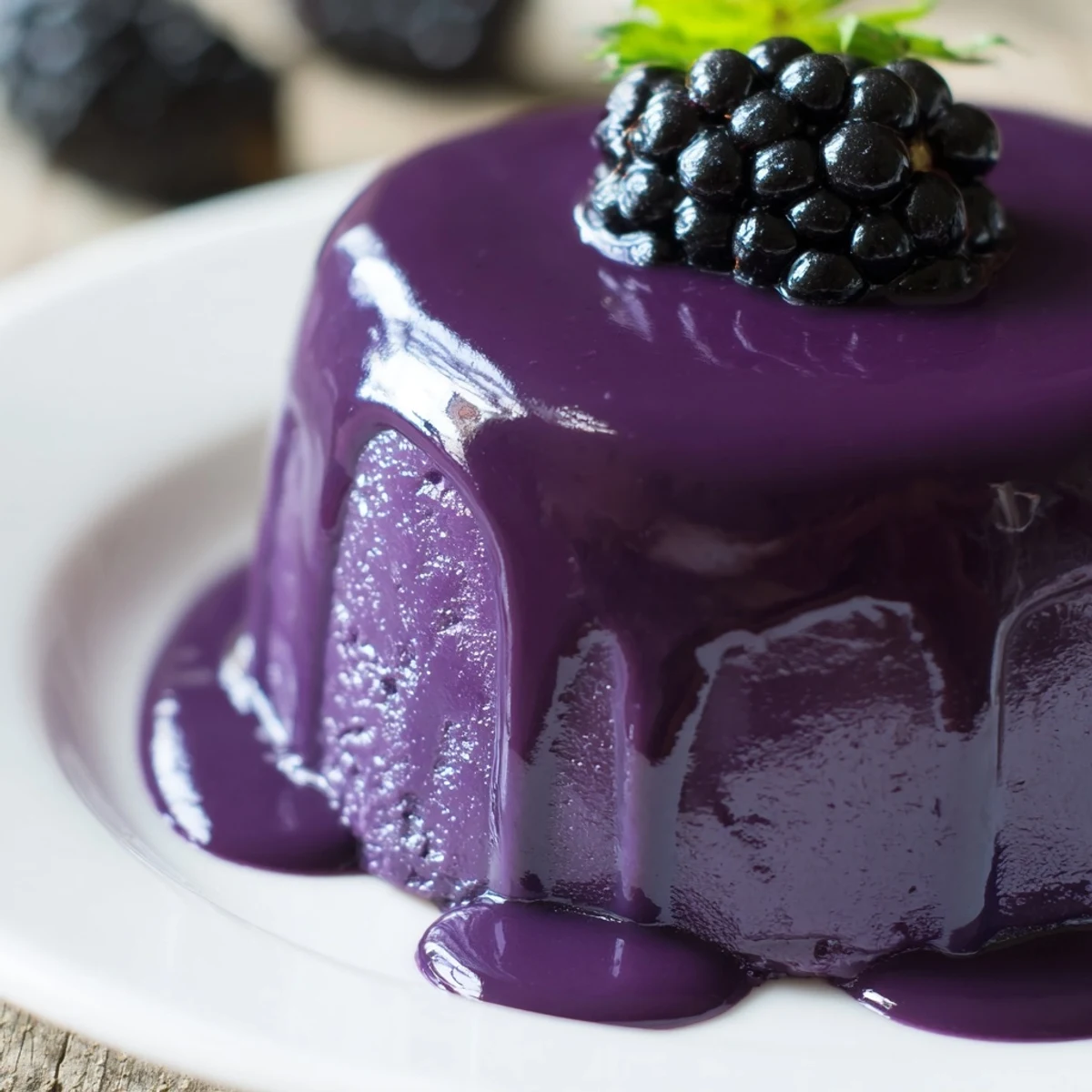
Save These became our signature celebration dessert, appearing at everything from graduations to dinner parties. Theres something deeply satisfying about serving something so elegant and knowing exactly what went into it.
Making Ahead Like a Pro
Ive learned to bake the sponge bases up to two days ahead and store them in an airtight container. The mousse can also be prepared a day in advance and kept chilled in its molds, freeing up your time on the actual day of serving.
Working with Gelatin
My first gelatin attempts taught me that temperature matters enormously. Too hot and it loses its setting power, too cool and it forms stubborn lumps that never dissolve properly into your mixture.
Berry Substitutions and Variations
Raspberries create an even more dramatic ruby red result, while blueberries yield a sophisticated deep purple. Mixed berries give you a complex flavor profile that keeps guests guessing exactly what theyre tasting.
- Try adding a tablespoon of lavender to the blackberry cooking liquid for a floral twist
- A splash of Chambord in the glaze adds grown-up sophistication
- Mini chocolate shavings on top hide any imperfections in your glaze technique
 Save
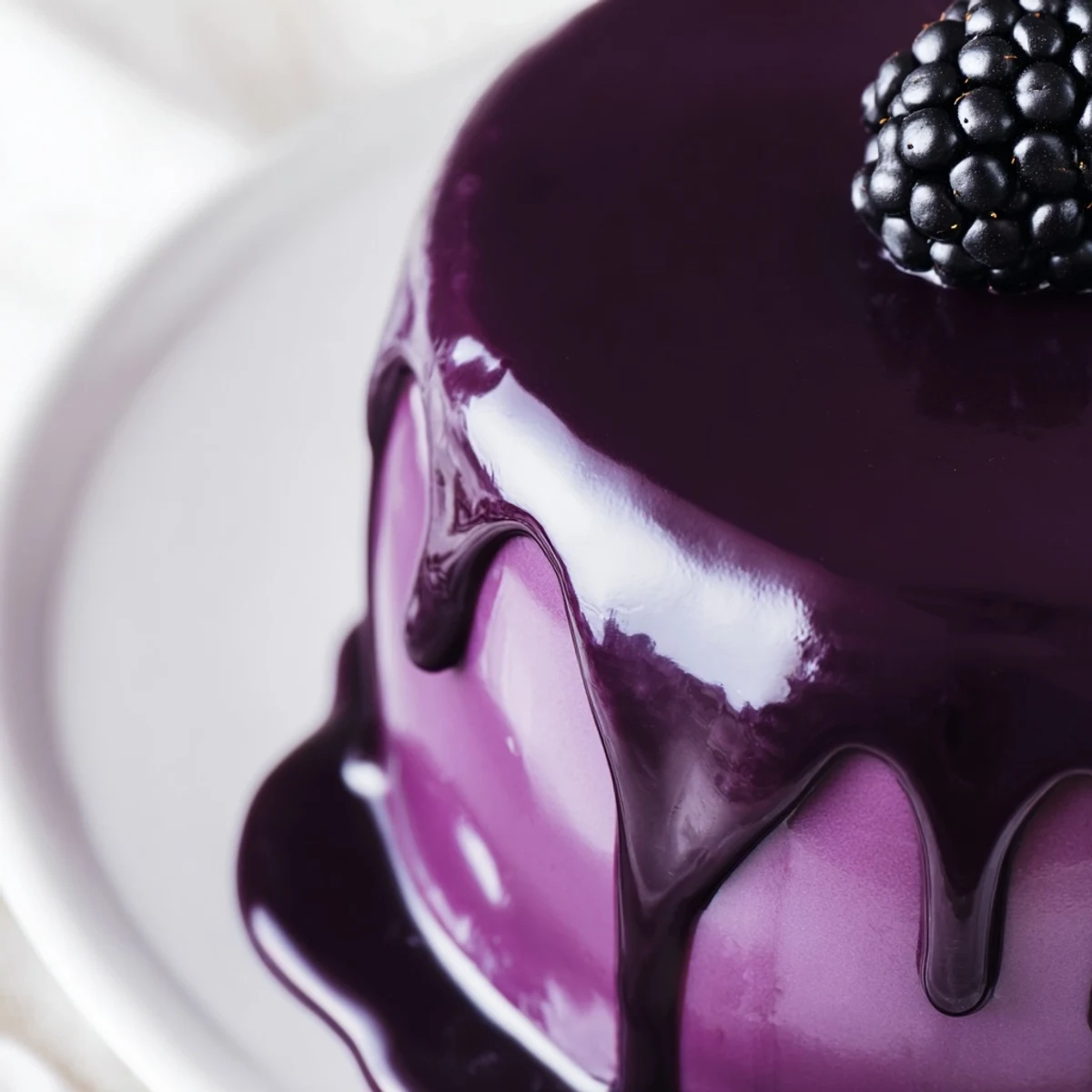
Save Watching someone take that first curious bite, eyes widening at the contrast between silky mousse and tender cake, thats the moment all those careful steps become worth it.
Recipe Questions & Answers
- → Can I make these ahead of time?
-
Yes, these actually benefit from being made 1-2 days ahead. The mousse needs at least 4 hours to set, but longer chilling improves the texture. Add the glaze and fresh garnish shortly before serving for the best appearance.
- → What other fruits work well in this mousse?
-
Raspberries, blueberries, strawberries, or mixed berries all work beautifully. The tartness of blackberries balances the sweet cream well, so adjust sugar slightly if using sweeter fruits like strawberries.
- → Can I use agar agar instead of gelatin?
-
Yes, substitute powdered agar agar at half the gelatin amount. Dissolve it in the warm fruit puree before combining with cream. The texture may be slightly firmer than traditional gelatin mousse.
- → Do I need special molds?
-
Silicone molds work best for easy unmolding, but lined muffin tins are a great alternative. Just ensure the paper liners reach above the rim so the mousse doesn't spread before setting.
- → Why strain the blackberry puree?
-
Straining removes seeds for that silky smooth mousse texture. Without straining, the seeds interrupt the creamy consistency and make glazing difficult. Use a fine mesh sieve and press firmly to extract maximum puree.
- → How do I get a perfectly smooth glaze?
-
Cool the glaze until slightly thickened but still pourable—about room temperature. If it's too warm, it runs off too thinly. Too cold, and it won't coat evenly. Test by pouring a small amount over the back of a spoon first.