
 Save
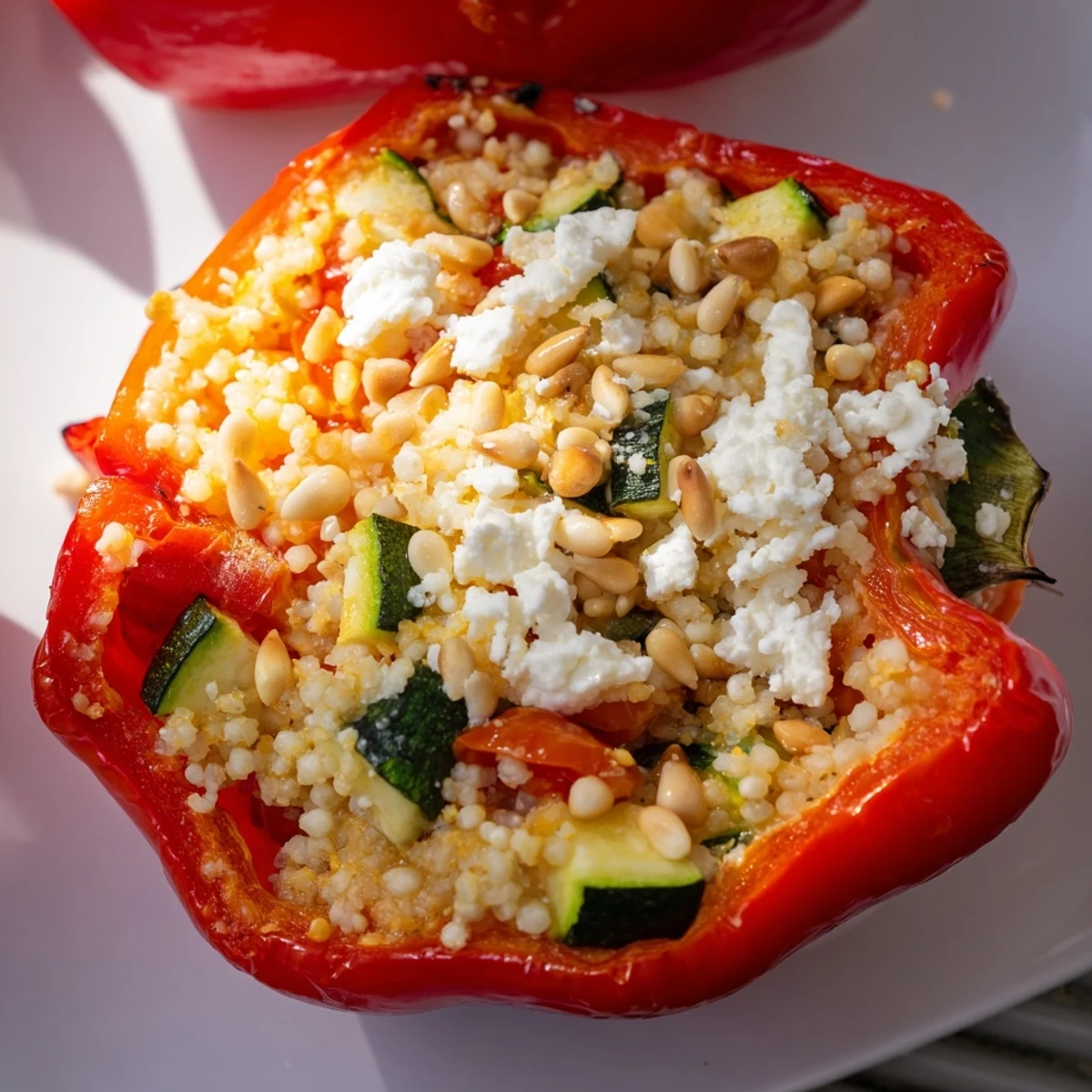
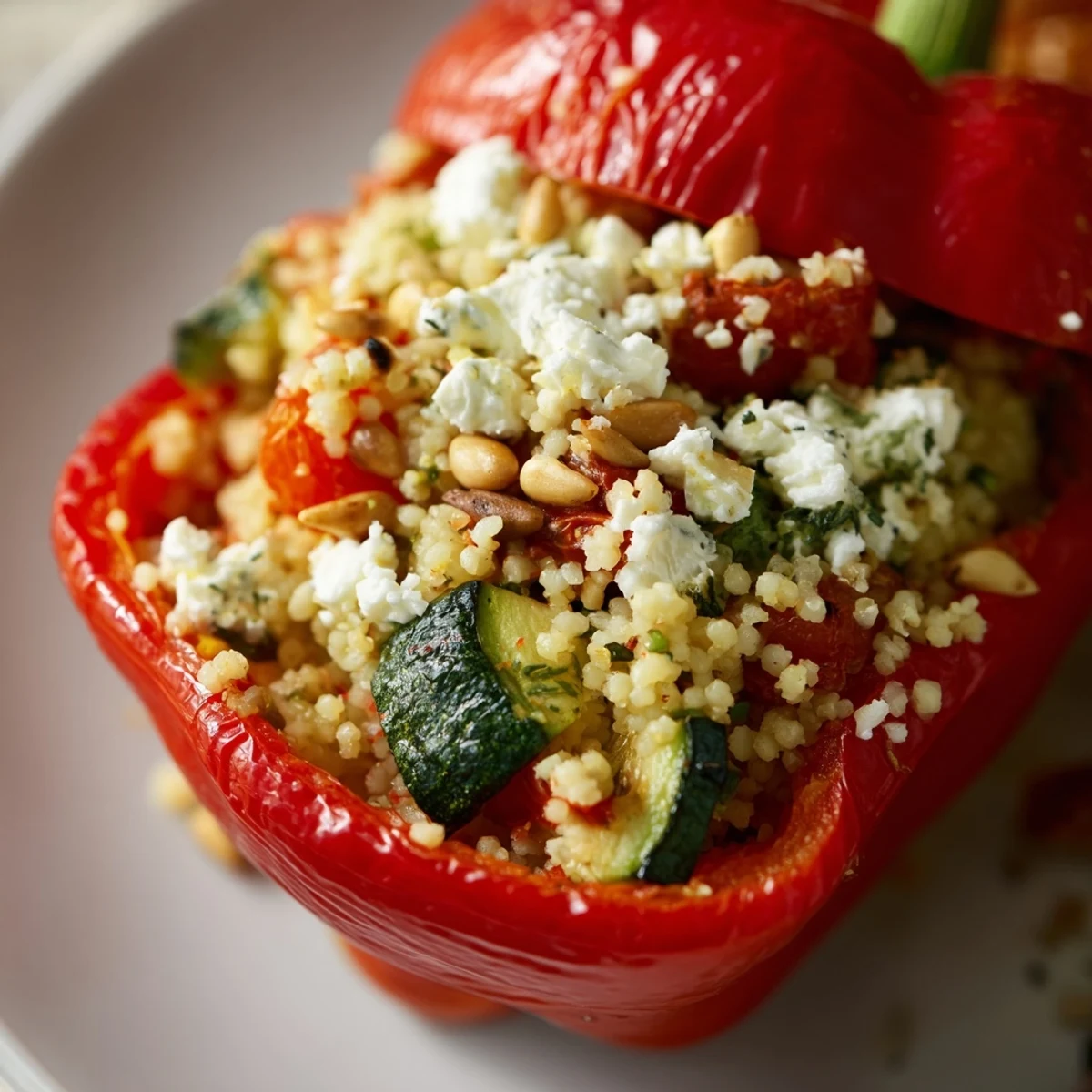
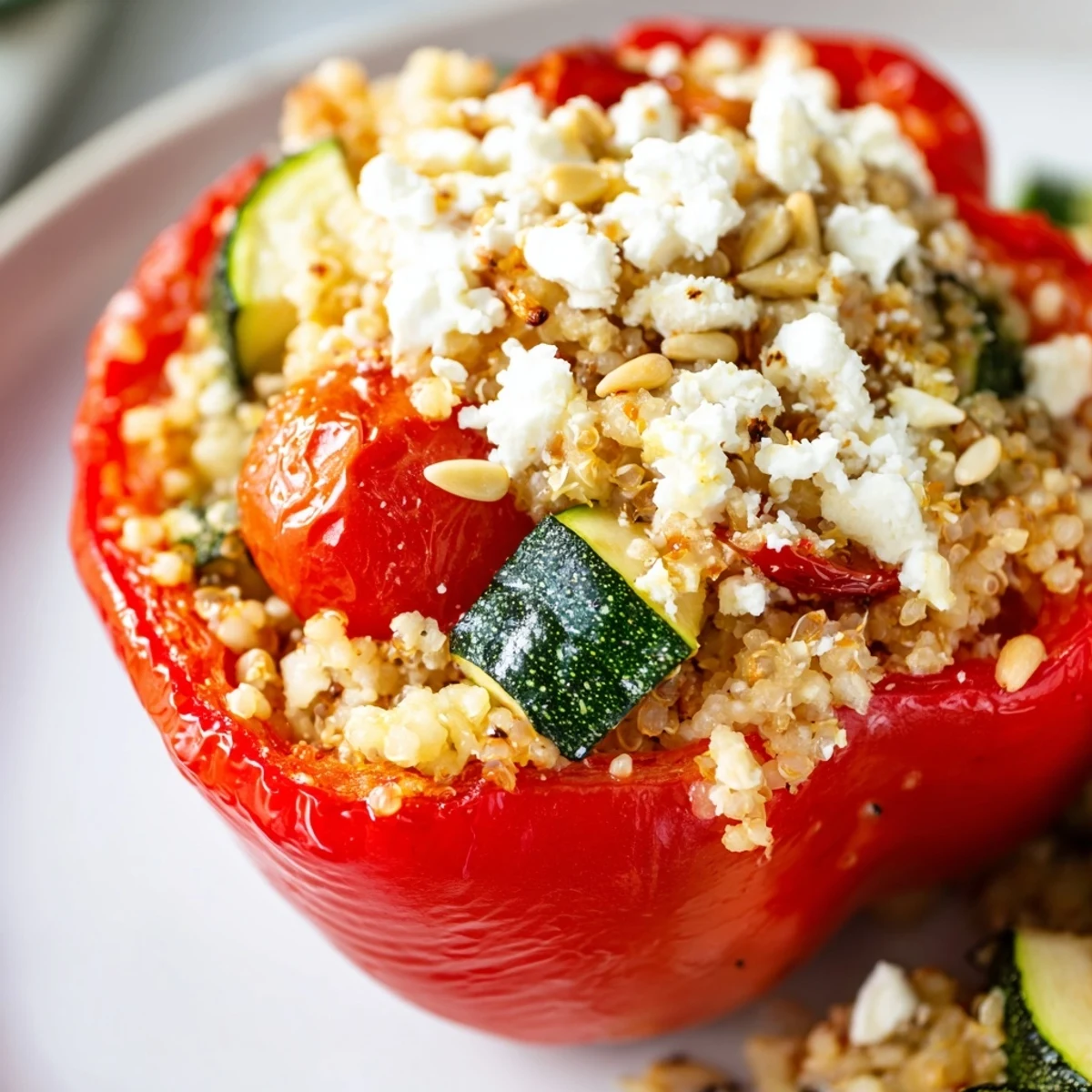
Save These Mediterranean-styled stuffed bell peppers feature a fragrant mixture of couscous, sautéed vegetables like zucchini, onion, and tomatoes, combined with fresh herbs and crumbled feta cheese. The filling is seasoned with oregano, olive oil, and spices before being baked until the peppers become tender and their tops turn golden. Optional pine nuts add a crunchy texture. This colorful dish offers a flavorful, satisfying option perfect for a vegetarian main or side dish.
There's something about the smell of bell peppers roasting in the oven that instantly transports me to a sun-drenched kitchen overlooking the Aegean. I discovered these stuffed peppers years ago while riffing on a half-remembered meal from a tiny taverna in Athens, where the owner's grandmother was teaching me her tricks between lunch services. What started as an attempt to recreate that magic became my own thing—a dish that feels both comforting and celebratory, depending on who's sitting at the table.
I made these for my sister's book club last spring, and watching everyone take that first bite—the way they paused to really taste it—reminded me why I cook at all. Nobody rushed through it, and somehow that simple moment made me feel less alone in my small kitchen.
Ingredients
- Bell peppers (4 large, red, yellow, or orange): Choose ones that stand upright on their own, which makes stuffing and presentation so much easier.
- Red onion (1 small, finely chopped): Its sharpness mellows beautifully when sautéed and becomes almost sweet by the time everything bakes.
- Zucchini (1 small, diced): Dice it small so it softens fully and distributes evenly through the filling.
- Cherry tomatoes (1 cup, quartered): Their bursts of acidity keep the whole dish from feeling heavy.
- Garlic (2 cloves, minced): Add it after the onion and zucchini soften, so it never tastes harsh or raw.
- Fresh parsley (2 tablespoons, chopped): Stir most into the filling and save a pinch for garnish right before serving.
- Fresh mint (1 tablespoon, optional): If you have it, don't skip it—mint is what makes this taste distinctly Mediterranean rather than generic.
- Couscous (3/4 cup): It's quick-cooking and absorbs all the flavors around it like tiny edible sponges.
- Vegetable broth (3/4 cup): This matters more than you'd think—good broth lifts the whole dish.
- Feta cheese (3/4 cup, crumbled): Don't crumble it too fine; those pockets of tangy cheese are part of the magic.
- Extra virgin olive oil (2 tablespoons): Quality counts here since it's one of the main flavoring agents.
- Dried oregano (1 teaspoon): Toast it gently in the pan before adding other ingredients if you have a moment—it deepens the flavor.
- Salt and black pepper: Season in layers, not just at the end.
- Pine nuts (2 tablespoons, optional): They add a subtle crunch and a whisper of richness that makes people wonder what the secret ingredient is.
Instructions
- Set your oven to preheat:
- Get it to 375°F (190°C) now so it's hot and ready when you need it.
- Prepare your couscous:
- Place couscous in a heatproof bowl, pour boiling vegetable broth over it, cover with foil or a plate, and let it sit for exactly 5 minutes. This matters—don't rush it or stir it yet. After 5 minutes, use a fork to fluff it gently, breaking up any clumps.
- Build the flavor base:
- Heat 1 tablespoon olive oil in a large skillet over medium heat and add the chopped red onion and diced zucchini. Let them cook for 4 to 5 minutes, stirring occasionally, until they're softened and the onion is turning translucent. You want the sound of gentle sizzle, not aggressive bubbling.
- Add aromatics and tomatoes:
- Stir in the minced garlic and cook for just 1 minute until fragrant, then add the quartered cherry tomatoes. Cook for 2 to 3 minutes more, just until the tomatoes begin to soften and release their juices. Don't cook this too long or the tomatoes will turn to mush.
- Combine filling components:
- Remove the skillet from heat and transfer the cooked vegetables to a large bowl. Add the fluffed couscous, most of the chopped parsley, the mint if you're using it, oregano, and half of the crumbled feta. Taste it and season generously with salt and pepper—remember that it needs to stand on its own because the peppers themselves are quite mild.
- Prepare the peppers:
- Lightly brush or drizzle the inside of each bell pepper with a little olive oil and sprinkle with a pinch of salt. This prevents sticking and seasons them from the inside out. Divide the couscous filling evenly among the four peppers, mounding it slightly—the mixture should be generous but not spilling over.
- Bake covered:
- Stand the stuffed peppers upright in a baking dish, drizzle the outside with the remaining olive oil, cover everything with foil, and bake for 30 minutes. The foil traps steam and helps the peppers cook through while the filling heats gently.
- Finish with cheese and nuts:
- Remove the foil, scatter the remaining feta cheese over the tops of each pepper, sprinkle with pine nuts if you're using them, and return to the oven uncovered for 10 more minutes. You're looking for the peppers to be tender enough that a knife slides through easily and the cheese to be warm with just the faintest golden edges.
- Rest before serving:
- Let the peppers cool for a few minutes out of the oven—this prevents the filling from sliding around when you move them to a plate. Garnish with a tiny pinch of fresh parsley if you like.
 Save
Save My neighbor stopped by one evening while these were baking, and the smell pulled her inside before I could even finish saying hello. She sat at my kitchen counter for an hour, and we talked about everything except food, but somehow sharing this meal with her mattered more than the conversation itself.
Why This Dish Works
The beauty of this recipe is that it looks intentional and restaurant-worthy, but it's really just roasted vegetables and grains finding harmony in a bell pepper. Every component is gentle—nothing aggressive or overly spiced—which means the natural sweetness of the peppers and the brightness of the herbs shine through. The feta adds a salty, creamy anchor without overwhelming anything else.
Variations and Swaps
Once you understand the basic formula, this dish becomes endlessly flexible. Swap the zucchini for diced eggplant or mushrooms, use quinoa instead of couscous, trade the feta for soft goat cheese or crumbled halloumi—all of these work beautifully. Some of my best versions have come from using whatever I happened to have in the crisper drawer and trusting that Mediterranean flavors are generous with each other.
Serving and Storage
These peppers are stunning alongside a crisp green salad dressed with lemon vinaigrette, and tzatziki on the side never goes amiss. They're also wonderful at room temperature, which makes them perfect for meal prep or eating straight from the fridge the next day. Leftover filling, if you somehow have any, makes a great base for a grain bowl or a bed for roasted chicken.
- Leftovers keep for up to 3 days covered in the refrigerator, and they're actually better on day two when the flavors have melded.
- You can assemble these the night before and bake them the next day—just add 5 minutes to the covered baking time if they're coming straight from the fridge.
- To reheat, cover with foil and warm in a 350°F oven for about 15 minutes, which keeps them from drying out.
 Save
Save These peppers remind me that the best meals are the ones that make you feel like you've traveled somewhere, even if you never left your kitchen. They're proof that simple ingredients and a little care can taste like a memory.
Recipe Questions & Answers
- → What type of peppers work best?
-
Large red, yellow, or orange bell peppers are ideal for stuffing due to their size and sweetness.
- → Can couscous be substituted?
-
Quinoa or bulgur wheat are good alternatives for the couscous to vary texture and flavor.
- → How do I make this dish vegan?
-
Replace feta with plant-based cheese or omit it entirely, ensuring the rest of the ingredients are plant-based.
- → Is it necessary to sauté the vegetables before stuffing?
-
Sautéing softens the vegetables and enhances their flavors, improving the overall texture and taste of the filling.
- → What is the best way to serve the dish?
-
Serve warm, optionally garnished with extra fresh herbs and paired with a crisp green salad or tzatziki for a balanced meal.