
 Save
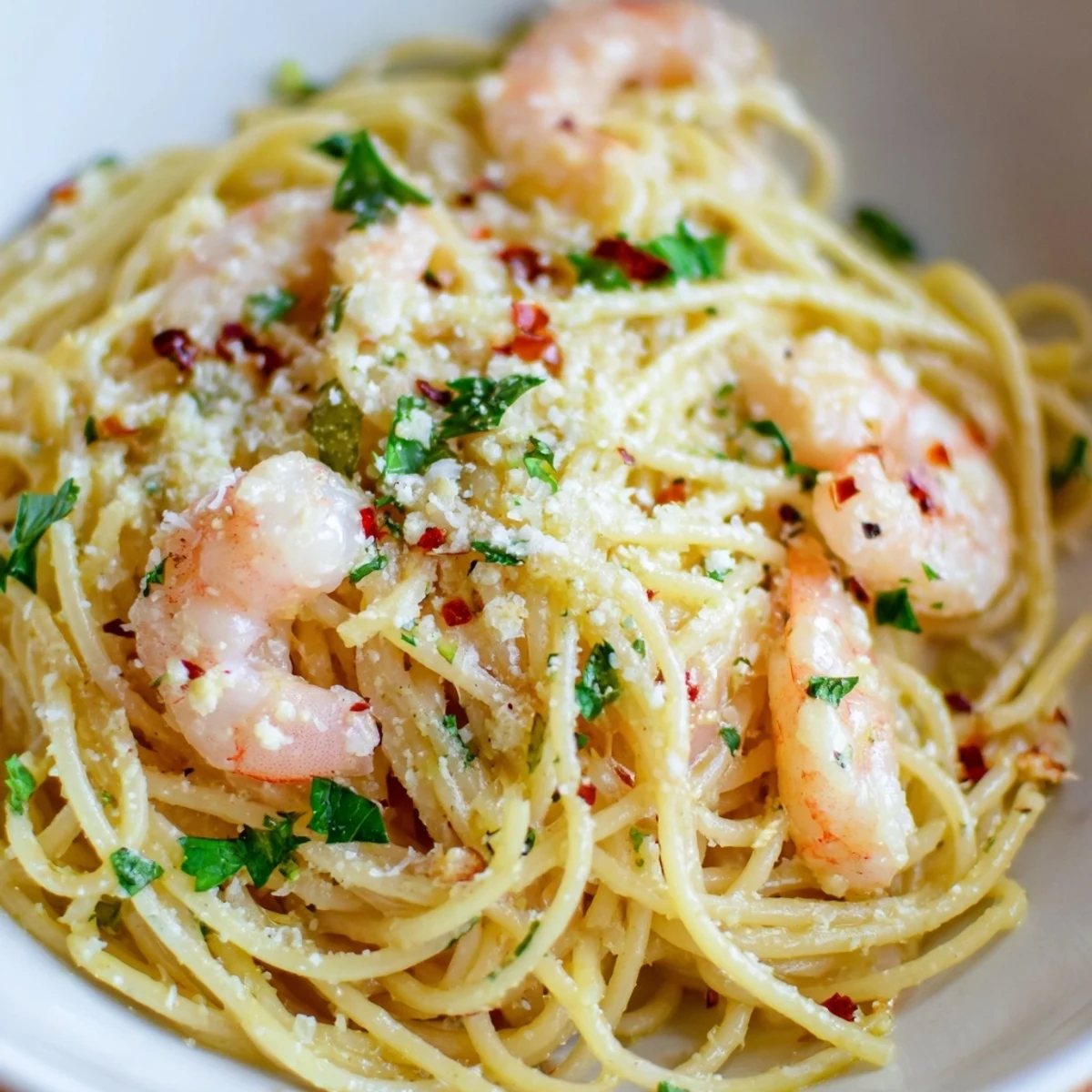
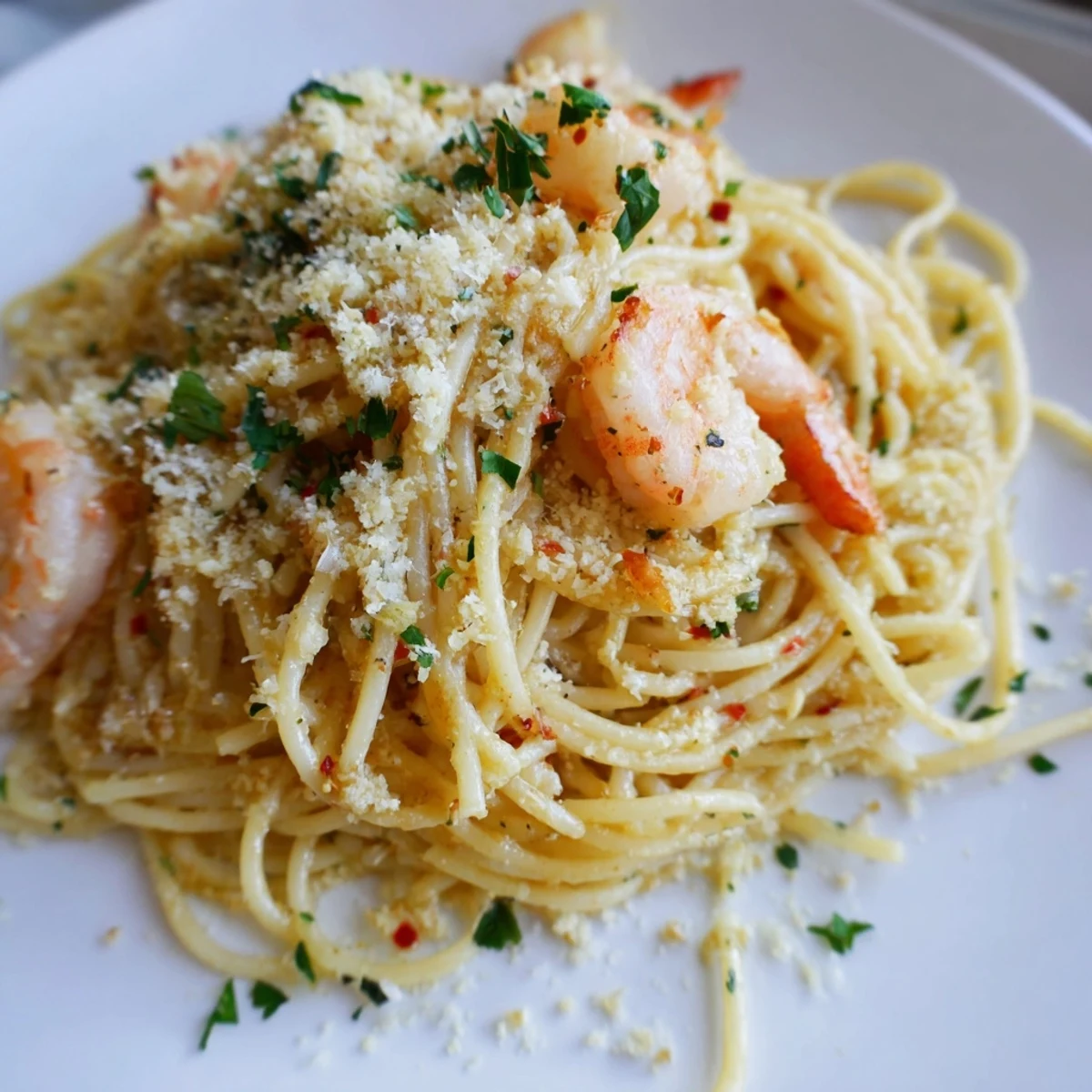
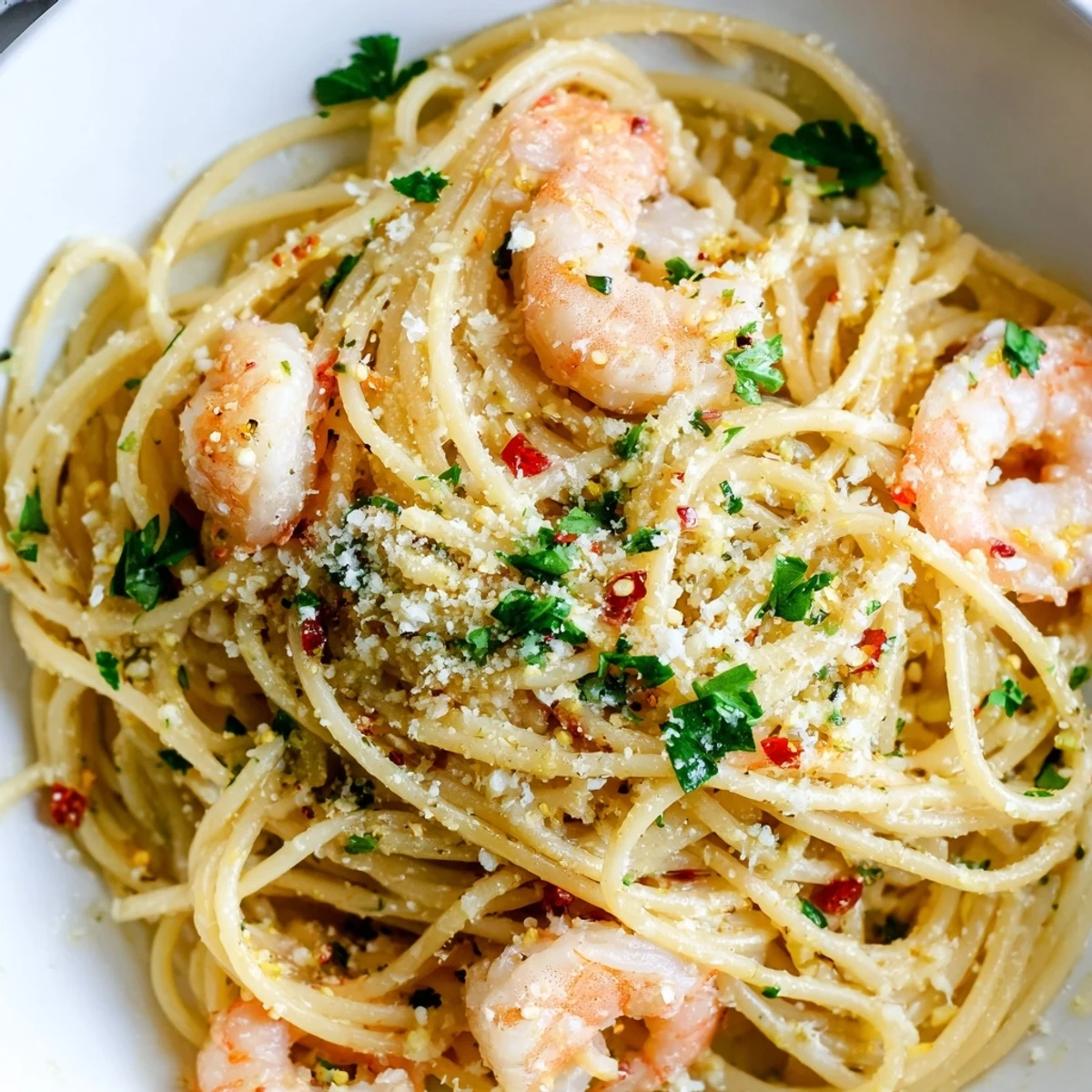
Save This dish combines perfectly cooked spaghetti with succulent shrimp tossed in a bright lemon-garlic sauce. The use of olive oil, butter, garlic, and fresh lemon zest creates a vibrant and silky coating for the pasta. Optional white wine adds a subtle depth, while crushed red pepper flakes bring a gentle heat. Finished with fresh parsley and grated Parmesan, this meal is quick to prepare and ideal for an elegant weeknight dinner.
There's something about the smell of garlic hitting hot butter that just stops you mid-thought. One Tuesday evening, I was standing at the stove feeling completely uninspired about dinner when a box of shrimp caught my eye in the freezer. Ten minutes later, the kitchen was filled with the brightness of fresh lemon, and I realized I'd stumbled onto something that tastes restaurant-quality but takes barely longer than ordering takeout. This pasta became my secret weapon for nights when I needed something that felt special without the stress.
I made this for my partner after a particularly long day, and watching their face light up when they took that first bite was one of those small kitchen victories you don't forget. The sauce clung to every strand of pasta just right, and honestly, it felt like I'd pulled off something way more complicated than I actually had.
Ingredients
- Spaghetti or linguine, 340 g (12 oz): Al dente is everything here—that slight resistance when you bite it is what keeps the dish from feeling mushy as the sauce clings to it.
- Large shrimp, 450 g (1 lb), peeled and deveined: Pat them dry before cooking so they get a proper sear instead of steaming; wet shrimp won't brown.
- Olive oil, 3 tbsp: Use something you actually like the taste of since it's doing real work in the sauce, not just cooking.
- Unsalted butter, 3 tbsp: This is what makes the sauce silky and gives it that restaurant finish; don't skip it or use salted.
- Garlic cloves, 4, minced: Mince them yourself if you can—jarred garlic tastes like a library book smells.
- Lemon, zested and juiced, 1: The zest carries so much more flavor than just the juice, so don't skip this step.
- Dry white wine, 60 ml (1/4 cup): The alcohol cooks off and leaves behind a subtle depth; broth works fine if you don't have wine open.
- Crushed red pepper flakes, 1/4 tsp: This is optional but worth it—just a whisper of heat makes the lemon sing.
- Fresh parsley, 2 tbsp chopped: Stir it in at the very end so it stays vibrant and doesn't cook down into nothing.
- Parmesan cheese, 40 g (1/3 cup) grated: Optional but it adds a salty umami that makes you want another bite.
Instructions
- Get your water boiling:
- Fill a large pot about three-quarters full with water and add a generous pinch of salt—it should taste like the sea. Bring it to a rolling boil before you add the pasta so it cooks evenly.
- Cook the pasta to al dente:
- Add your spaghetti and stir it immediately so the strands don't stick together. Start checking it a minute before the package says it's done, because that's when you can actually catch it at that perfect tender-but-still-firm moment.
- Prep and dry your shrimp:
- Pat them really dry with paper towels—this matters more than it sounds because moisture is the enemy of browning. A quick sprinkle of salt and pepper is all they need.
- Sear the shrimp fast:
- Get your skillet hot and add oil and butter, then lay the shrimp out in a single layer. Don't fuss with them; let them sit for about a minute until the underside turns opaque and pink, then flip and do the same on the other side.
- Build the sauce base:
- Once the shrimp are done, set them aside and turn the heat down to medium. Add the remaining oil and butter, then the minced garlic, and let it cook just until it smells incredible but before it starts to brown.
- Add brightness to the pan:
- Stir in the lemon zest and juice along with the wine (or broth) and red pepper flakes. Let this bubble away for a couple minutes so the flavors meld and the raw wine taste mellows out.
- Bring it all together:
- Reserve some pasta water before you drain everything—you'll need about 120 ml (1/2 cup) to loosen the sauce. Toss the hot pasta and shrimp back into the pan with that lemony sauce and stir gently, adding splashes of pasta water until it looks silky and coating rather than soupy.
- Finish and serve:
- Pull it off the heat, scatter parsley and Parmesan on top if you're using them, and serve immediately with lemon wedges on the side for anyone who wants extra brightness.
 Save
Save I remember bringing this dish to a friend's house for a casual dinner and hearing someone ask if it was actually as easy as I said it was. They were suspicious that something tasting this bright and elegant could come together between 5:30 and 6:00 on a random Tuesday, but the empty plates said everything.
The Magic of Lemon in Cooking
Lemon does something almost magical in a pan—it wakes everything up without making the dish taste sour if you do it right. The juice alone is good, but the zest is where the real character lives, full of oils that smell like summer. Once I started using both together instead of just thinking lemon was about acidity, my whole approach to finishing sauces changed.
Timing Is Everything Here
This dish moves fast, which is both the best thing about it and the thing that will trip you up if you're not paying attention. I learned this by getting distracted scrolling on my phone while the water was heating, then suddenly everything was happening at once and I was scrambling. Now I set myself up before I start: ingredients prepped and lined up, pasta water reserved the second it drains, everything right where my hand can grab it.
Making It Your Own
The beauty of this recipe is that it's forgiving enough to play with once you understand the core technique. Some nights I add a splash of cream to make it richer, other times I throw in red pepper flakes for heat, and once I even tossed in some spinach at the very end because it was there. The framework stays solid no matter what you're doing to it.
- A handful of fresh spinach or arugula stirred in at the end adds freshness and color without changing the fundamental character of the dish.
- If you don't have white wine, chicken or vegetable broth works just fine—the point is having something flavorful to deglaze the pan.
- Leftovers are fine cold the next day if you have them, though the sauce does firm up a bit, so just add a splash of water when you reheat.
 Save
Save This is the kind of recipe that becomes a favorite because it actually works on busy nights, not just in theory. Make it enough times and you'll stop thinking about measurements and start cooking by feel, which is when food stops being a task and becomes something you actually enjoy doing.
Recipe Questions & Answers
- → What type of pasta works best?
-
Spaghetti or linguine are ideal as they hold the sauce well and provide a pleasant texture.
- → Can white wine be omitted?
-
Yes, you can substitute with chicken or vegetable broth for a gentler flavor.
- → How do you avoid overcooking shrimp?
-
Cook shrimp just 1–2 minutes per side until opaque and tender, then remove immediately to prevent toughness.
- → Is it possible to make a creamier sauce?
-
Yes, stir in a small amount of heavy cream after adding lemon juice for a richer texture.
- → What are good beverage pairings?
-
Light white wines like Sauvignon Blanc or Pinot Grigio complement the tangy lemon and shrimp flavors well.