
 Save
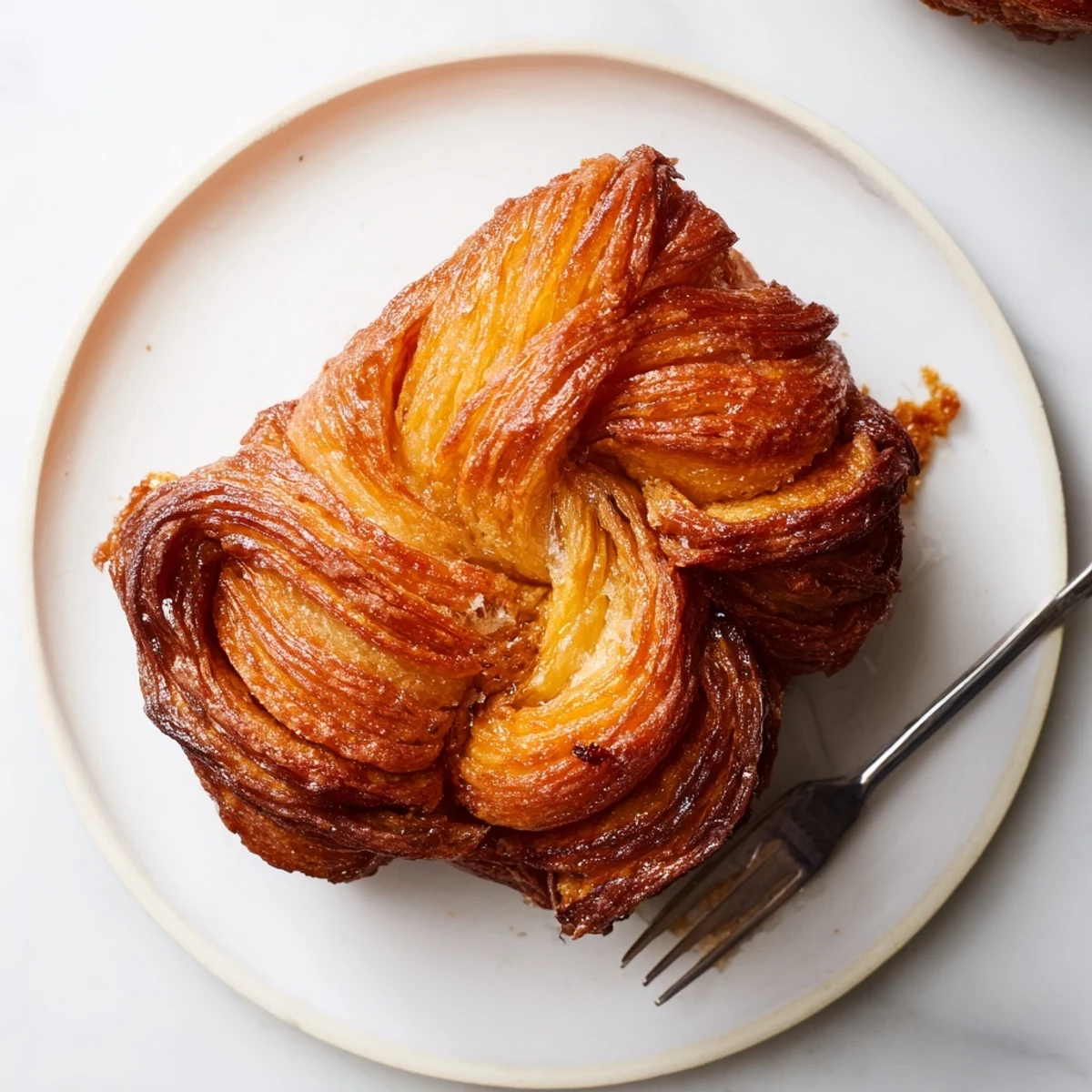
Save Kouign Amann translates to "butter cake" in Breton, and this decadent pastry delivers exactly that promise. Through a meticulous lamination process, cold butter and sugar are folded into dough multiple times, creating dozens of incredibly tender layers. During baking, the sugar caramelizes deeply, forming a shatteringly crisp exterior that gives way to a rich, buttery interior. The result is a perfect balance of sweetness and savory richness, with textures ranging from caramelized crunch to delicate flakiness.
The first time I encountered kouign amann was in a tiny Parisian café where I ordered it purely because I could not pronounce it and the waiter seemed amused by my attempt. One bite of that caramelized, buttery pastry changed my entire understanding of what simple ingredients could become.
I made this for my mothers birthday breakfast last spring and she actually stopped talking mid sentence when she took her first bite. Watching someone experience caramelized butter and sugar for the first time is one of the great joys of baking.
Ingredients
- All-purpose flour: The protein structure here needs to be strong enough to handle all that butter and folding without tearing
- Fine sea salt: Do not skip this because salt is what makes all that sugar taste sophisticated rather than just sweet
- Instant dry yeast: This gives you a quick reliable rise without the fuss of activating it first
- Lukewarm water: Think bathwater temperature, anything hotter might kill your yeast enthusiasm
- European-style butter: The higher butterfat content makes a difference you can actually taste in the final pastry
- Granulated sugar: This creates the caramelized crust that makes kouign amann so distinctive
Instructions
- Mix the foundation:
- Combine the flour, salt, and yeast in a large bowl then pour in the lukewarm water. Mix until you have a rough, shaggy dough then knead for about 5 to 7 minutes until it feels smooth and elastic like a satisfied earlobe. Cover it and let it rise for 1 hour until it has puffed up confidently.
- Prepare the butter block:
- Place your cold butter between parchment paper and pound it with a rolling pin until it is pliable but still cold. Roll it into a neat 6-inch square and keep it refrigerated until you are ready for the grand assembly.
- Encase the butter:
- Roll your risen dough into a 12-inch square and place that cold butter square right in the center. Fold the dough over the butter like you are tucking it into bed, sealing all the edges so the butter cannot escape during what comes next.
- First fold with sugar:
- Roll the dough into a 16 by 8-inch rectangle and sprinkle one third of your sugar evenly over the surface. Fold the dough into thirds like you are folding a letter, then rotate it 90 degrees.
- Second fold with sugar:
- Roll the dough out again into a rectangle, sprinkle another third of the sugar, and fold into thirds once more. This is how you create all those magnificent flaky layers.
- Third fold and rest:
- Repeat the rolling and folding one last time with the remaining sugar, then wrap the dough and let it chill for 30 minutes. This rest period is non negotiable because it relaxes the gluten and keeps the butter from melting into the dough.
- Prepare your pan:
- Butter a 9-inch round cake pan thoroughly and dust it with sugar. This will create a lovely caramelized bottom that is actually the top when you invert it later.
- Shape the pastry:
- Roll the chilled dough into a 14-inch circle and fold the edges inward to form a rough square shape. Place it seam side down in your prepared pan and press it gently into the corners.
- Final rise:
- Cover the pan loosely and let the dough rest for 30 to 45 minutes at room temperature. It should puff up slightly and look ready to become something magnificent.
- Bake to perfection:
- Preheat your oven to 400°F and bake for 30 to 35 minutes until the pastry is a deep golden brown and you can smell the sugar caramelizing. If the top seems to be browning too quickly, tent it loosely with foil.
- Flip and serve:
- Let the kouign amann cool in the pan for just 5 minutes, then immediately invert it onto a wire rack. This timing is crucial because if you wait too long, the caramel will harden and stick to the pan.
 Save
Save My friend who studied in Brittany told me that the name literally means butter cake in Breton, which feels like the most honest naming in culinary history. Every time I make this, I think about how French bakers have turned patience into something you can actually eat.
The Secret to Perfect Layers
The difference between a decent kouign amann and an extraordinary one comes down to temperature control. Your butter needs to be cold enough to create distinct layers but pliable enough not to tear the dough. I keep a bag of frozen peas nearby when I am rolling out the dough, placing them on the dough for 30 seconds if I feel the butter getting too soft.
Understanding the Caramelization
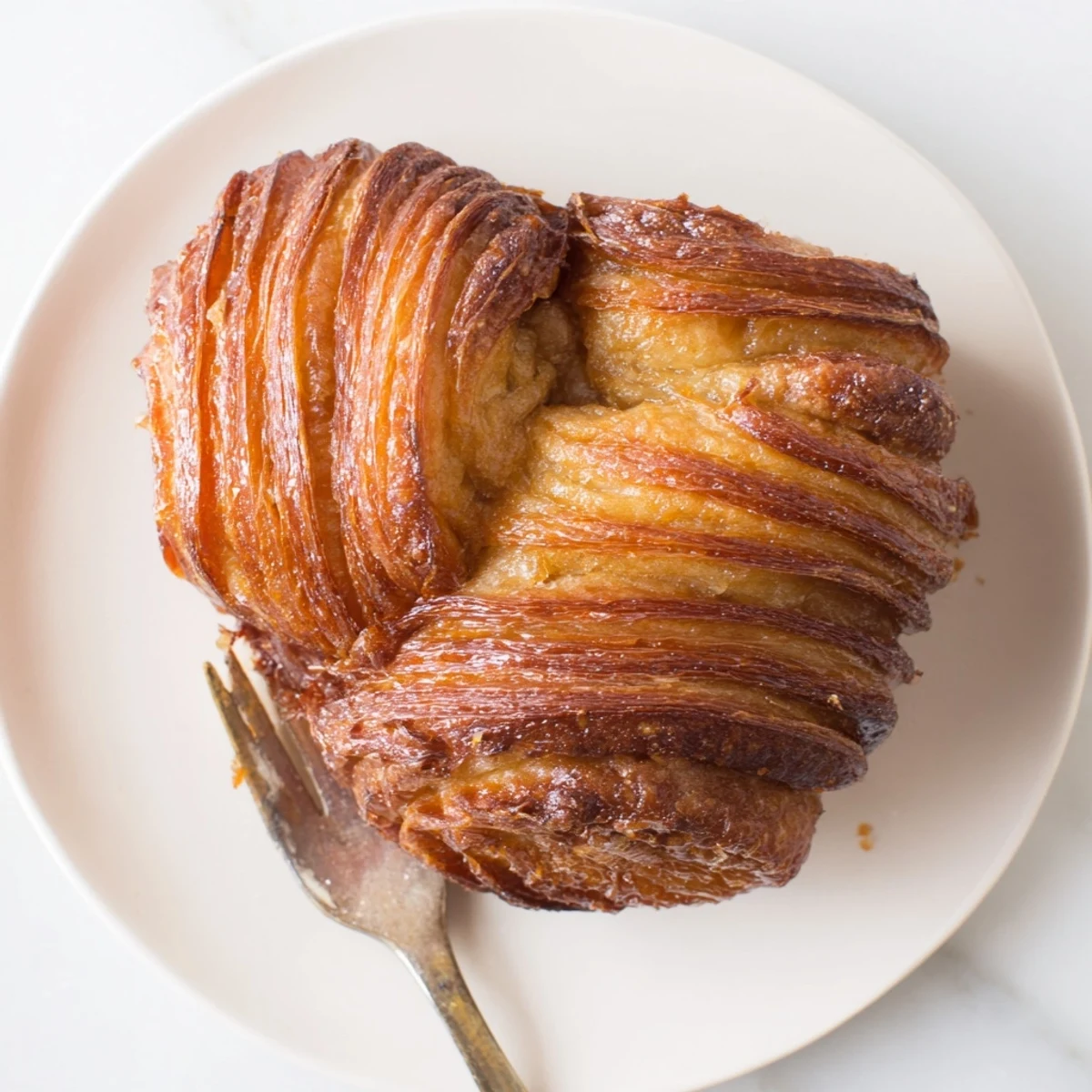
The sugar in this recipe does double duty, creating layers and eventually caramelizing into that signature crust. Some of the sugar will melt and pool in the bottom of the pan, which is why greasing and sugaring the pan is so important. That bottom layer becomes the stunning top when you flip it out.
When to Serve It
Kouign amann reaches its absolute peak within two hours of coming out of the oven, when the exterior is still shatter crisp and the interior is barely warm. The texture does change as it sits, becoming softer and chewier, which some people actually prefer.
- If you must make it ahead, warm it at 350°F for 5 minutes to recrisp the exterior
- The pastry is excellent broken into pieces and served with coffee for a casual brunch
- Any leftovers can be wrapped in foil and frozen for up to one month
 Save
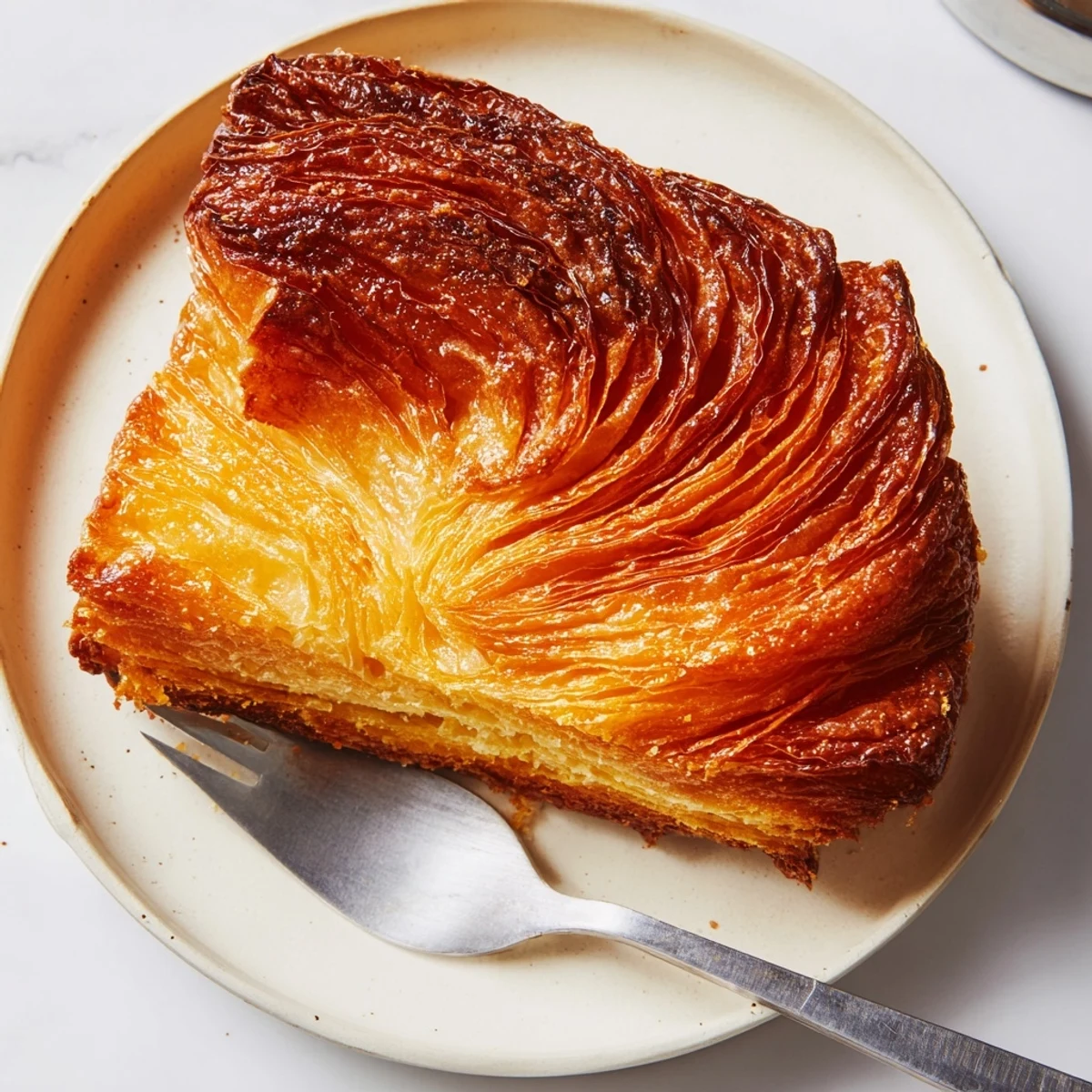
Save There is something profoundly satisfying about taking four basic ingredients and transforming them into something this extraordinary. May your kitchen smell like butter and your patience be rewarded with layers.
Recipe Questions & Answers
- → What makes Kouign Amann different from croissants?
-
Kouign Amann incorporates sugar directly into the laminated layers, creating deep caramelization during baking. This results in a crunchier, sweeter exterior with a denser, more buttery interior compared to the lighter, flakier texture of croissants.
- → Why is European-style butter recommended?
-
European butter has a higher butterfat content (82-84%) compared to American butter (80-82%). This higher fat content creates better lamination, more distinct layers, and richer flavor in the finished pastry.
- → Can I make the dough ahead of time?
-
Yes, after the final chilling and folding, the dough can be wrapped tightly and refrigerated overnight. Let it warm slightly at room temperature before rolling and shaping. This actually develops flavor and makes handling easier.
- → Why did my Kouign Amann turn out doughy in the center?
-
This usually means underbaking. The deep golden color is essential for proper caramelization and doneness. Use an oven thermometer to ensure accurate temperature, and don't hesitate to bake until the pastry is deeply colored.
- → How do I store leftover Kouign Amann?
-
Best enjoyed fresh the same day, but leftovers can be stored in an airtight container at room temperature for up to 2 days. Reheat in a 350°F oven for 5-7 minutes to restore crispness. Avoid microwaving as it makes them tough.
- → What's the purpose of folding in sugar three times?
-
The multiple sugar folds distribute sweetness evenly throughout every layer while creating those characteristic caramelized pockets. Each fold builds complexity, ensuring every bite contains perfectly caramelized buttery layers.