
 Save
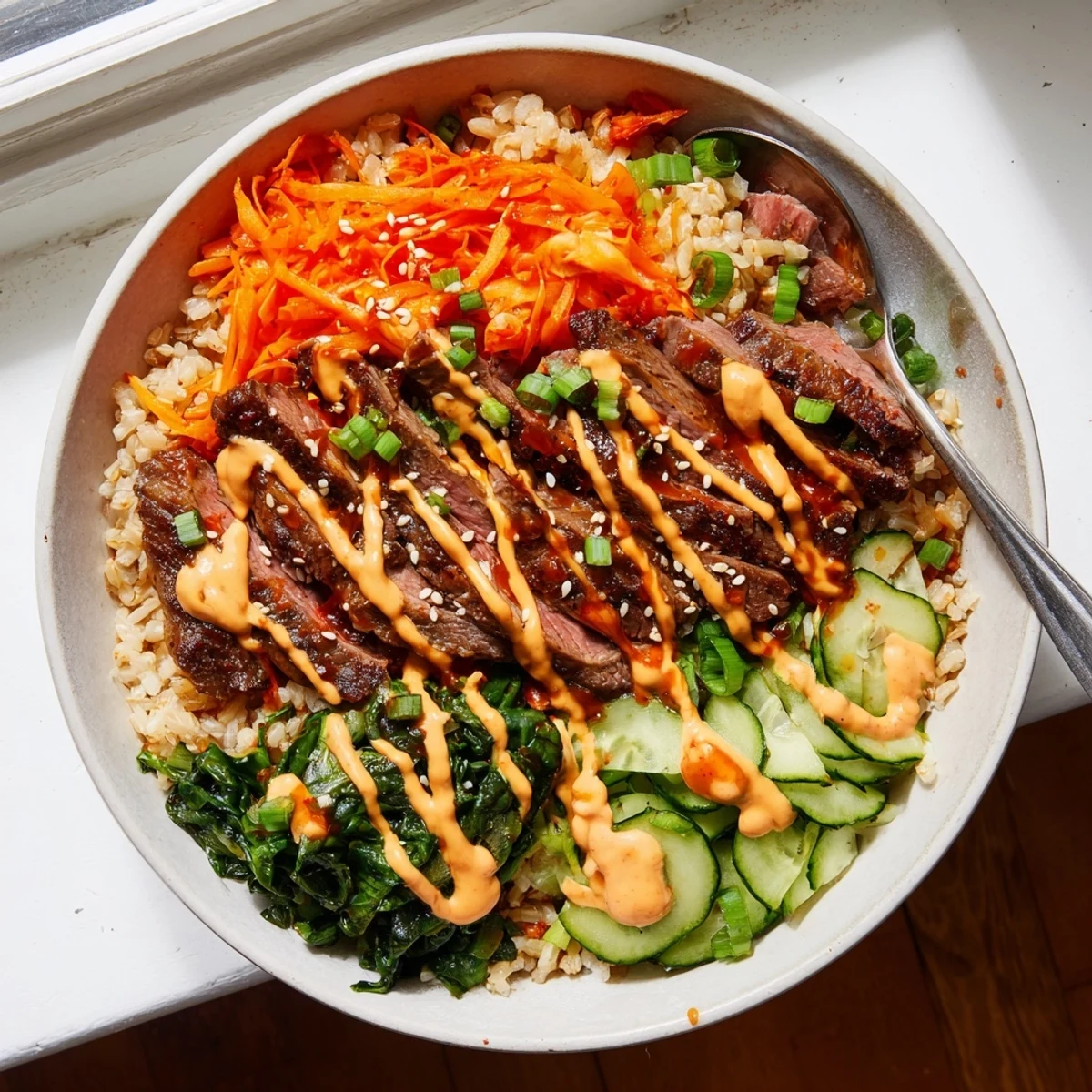
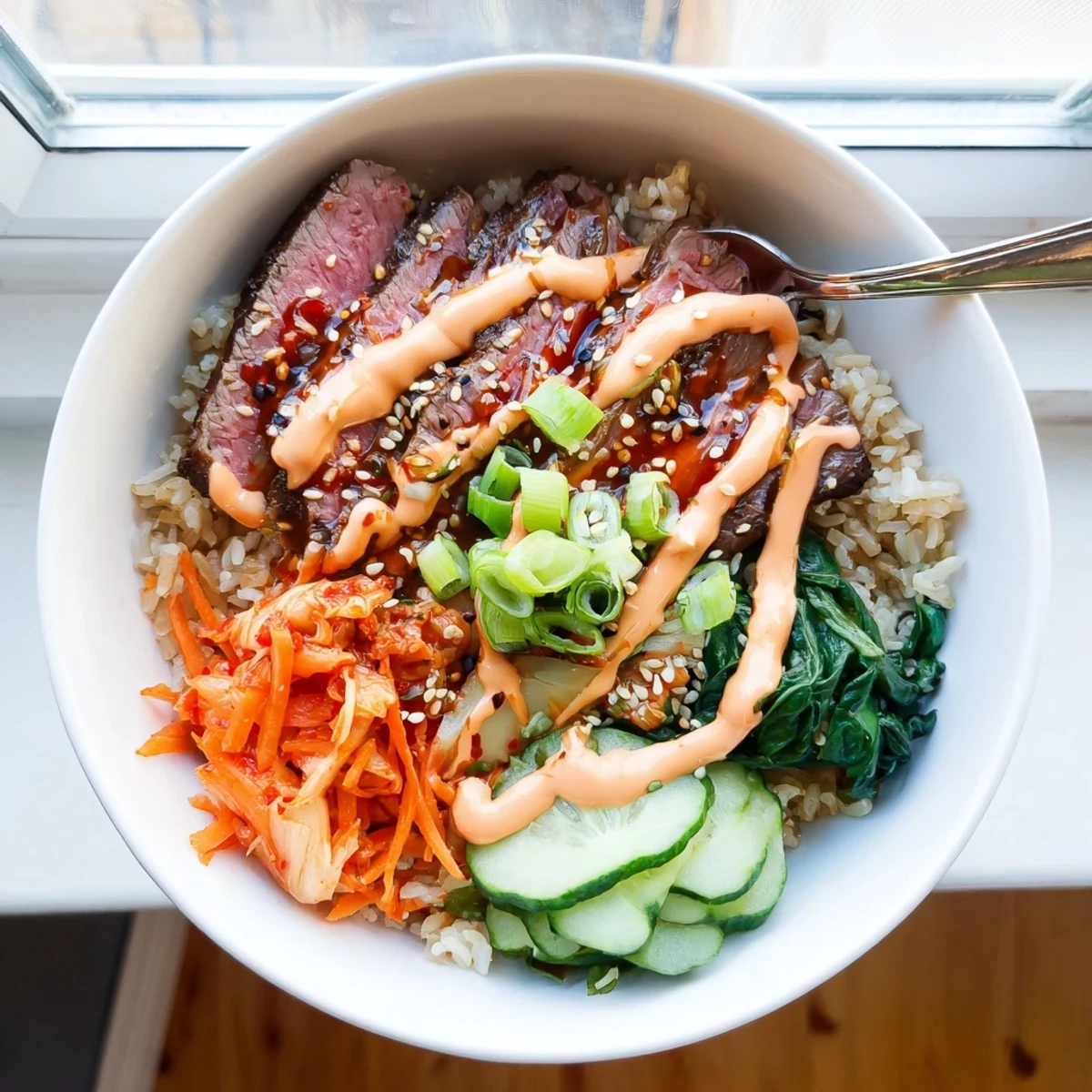
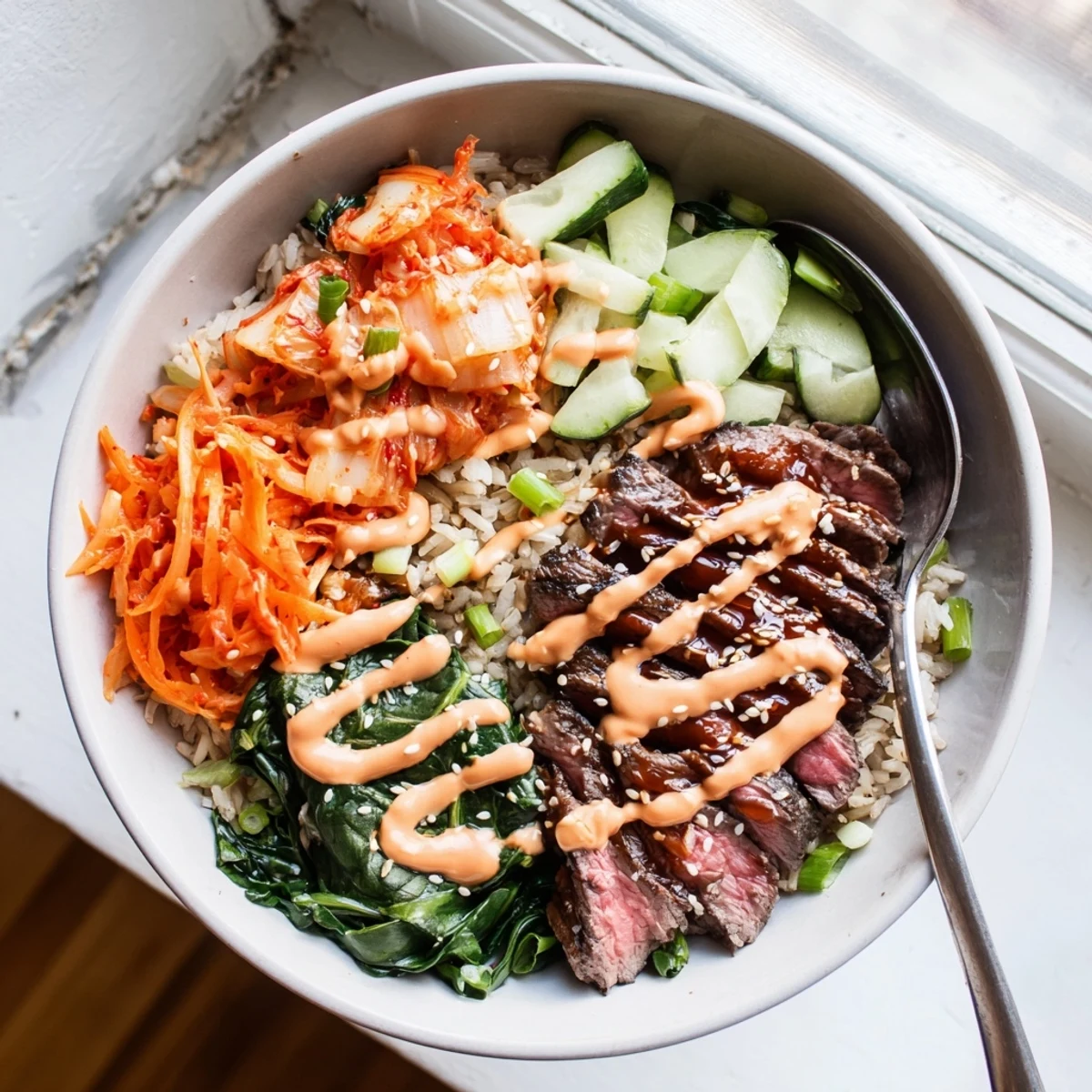
Save Thinly sliced beef sirloin gets marinated in a savory-sweet blend of soy sauce, brown sugar, sesame oil, and gochujang, then seared until caramelized. Served over warm jasmine rice alongside shredded carrots, julienned cucumber, chopped kimchi, and fresh greens, each bowl is finished with a tangy spicy cream sauce made from mayonnaise, Sriracha, lime juice, and honey. Toasted sesame seeds and sliced green onion add the final touch. The whole thing comes together in about 45 minutes and serves four generously.
My apartment smelled like a Korean street market the night I first threw together these bowls on a weeknight whim. I had leftover ribeye from a weekend cookout and a jar of gochujang that had been staring at me from the fridge door for weeks. Twenty minutes later, my roommate walked in, dropped her bag, and said nothing before grabbing a fork. That silent endorsement meant more than any review ever could.
I made these for a small gathering last fall and watched two people who claimed they did not like kimchi go back for thirds. The trick is how the sauce tames the fermented punch just enough to make it approachable without losing what makes it special.
Ingredients
- Beef sirloin or ribeye: Thinly sliced against the grain is nonnegotiable here because it makes every bite tender rather than chewy
- Soy sauce and brown sugar: This pair creates that savory sweet depth that defines Korean BBQ marinades
- Sesame oil and rice vinegar: Sesame oil adds a nutty aroma while rice vinegar cuts through the richness
- Garlic and fresh ginger: Use fresh here because jarred ginger simply does not bring the same bright heat
- Gochujang: The fermented chili paste that gives the marinade its signature slow burn and deep red color
- Jasmine or short grain rice: Short grain holds together better in bowls while jasmine offers a lighter fluffier bite
- Shredded carrots and julienned cucumber: These provide crunch that contrasts beautifully with the soft rice and steak
- Kimchi: Chopped finely so it distributes evenly rather than overwhelming any single bite
- Mayonnaise and Sriracha: The base of the spicy cream sauce which balances heat with rich body
- Lime juice and honey: A squeeze of lime brightens the sauce while honey rounds out the sharp edges
Instructions
- Marinate the steak:
- Whisk together soy sauce, brown sugar, sesame oil, rice vinegar, minced garlic, grated ginger, black pepper, sliced green onions, and gochujang until the sugar dissolves. Toss the thinly sliced steak in the marinade and let it sit for at least twenty minutes or up to two hours in the fridge.
- Cook the rice:
- Rinse the rice under cold water until it runs clear, then combine it with water and a pinch of salt in a pot. Bring to a boil, drop the heat to low, cover tightly, and simmer for twelve to fifteen minutes before letting it rest off heat for five minutes.
- Whisk up the spicy cream sauce:
- Combine mayonnaise, Sriracha or gochujang, lime juice, and honey in a small bowl and whisk until completely smooth. Pop it in the fridge so the flavors meld while you handle the rest.
- Sear the steak:
- Get a skillet ripping hot over medium high heat and cook the steak in batches for one to two minutes per side until caramelized edges appear. Resist the urge to crowd the pan or you will steam the meat instead of searing it.
- Build the bowls:
- Divide warm rice among four bowls and arrange the seared steak, shredded carrots, cucumber, chopped kimchi, and greens on top. Drizzle generously with the spicy cream sauce and finish with toasted sesame seeds and sliced green onion.
 Save
Save These bowls became my go to comfort meal during a stretch of long work weeks when cooking felt like a chore. Something about assembling all those colors in one bowl turned a tired evening into a small ritual I actually looked forward to.
Picking the Right Cut of Beef
Ribeye gives you more marbling and flavor while sirloin is leaner and slightly more affordable. I have used both and honestly the bigger factor is how thin you can slice it. A sharp knife and steady hand matter more than the price tag on the meat.
Getting the Rice Right
Washing the rice until the water runs clear removes excess starch that would otherwise turn your bowl gummy. I used to skip this step and always wondered why my rice clumped together. That extra thirty seconds of rinsing changed everything about the texture.
Making It Your Own
The beauty of a rice bowl is that it adapts to whatever you have on hand without losing its soul.
- Swap in chicken thighs or pressed tofu if beef is not your thing
- A fried egg on top adds a richness that makes the bowl feel even more complete
- Use tamari instead of soy sauce to keep it gluten free without sacrificing flavor
 Save
Save There is something deeply satisfying about a meal that looks impressive on the table but comes together with barely any fuss. These bowls deliver that feeling every single time.
Recipe Questions & Answers
- → What cut of beef works best for these bowls?
-
Beef sirloin or ribeye thinly sliced works best. Both take on the marinade beautifully and sear quickly without toughening.
- → Can I make the spicy cream sauce ahead of time?
-
Yes, whisk the sauce together and refrigerate it for up to 3 days. The flavors actually meld and improve with a little rest.
- → Is there a gluten-free option for the marinade?
-
Swap soy sauce for tamari and verify your gochujang brand is gluten-free. Everything else in the marinade is naturally gluten-free.
- → How long should the steak marinate?
-
At minimum 20 minutes, but letting it sit for up to 2 hours in the fridge will give you deeper Korean BBQ flavor.
- → What protein substitutions work well?
-
Thinly sliced chicken thigh or pressed firm tofu both absorb the marinade nicely. Adjust searing time accordingly for the protein you choose.
- → What drinks pair well with these bowls?
-
A light crisp lager or chilled sake complements the bold gochujang and creamy sauce without overpowering the flavors.