
 Save
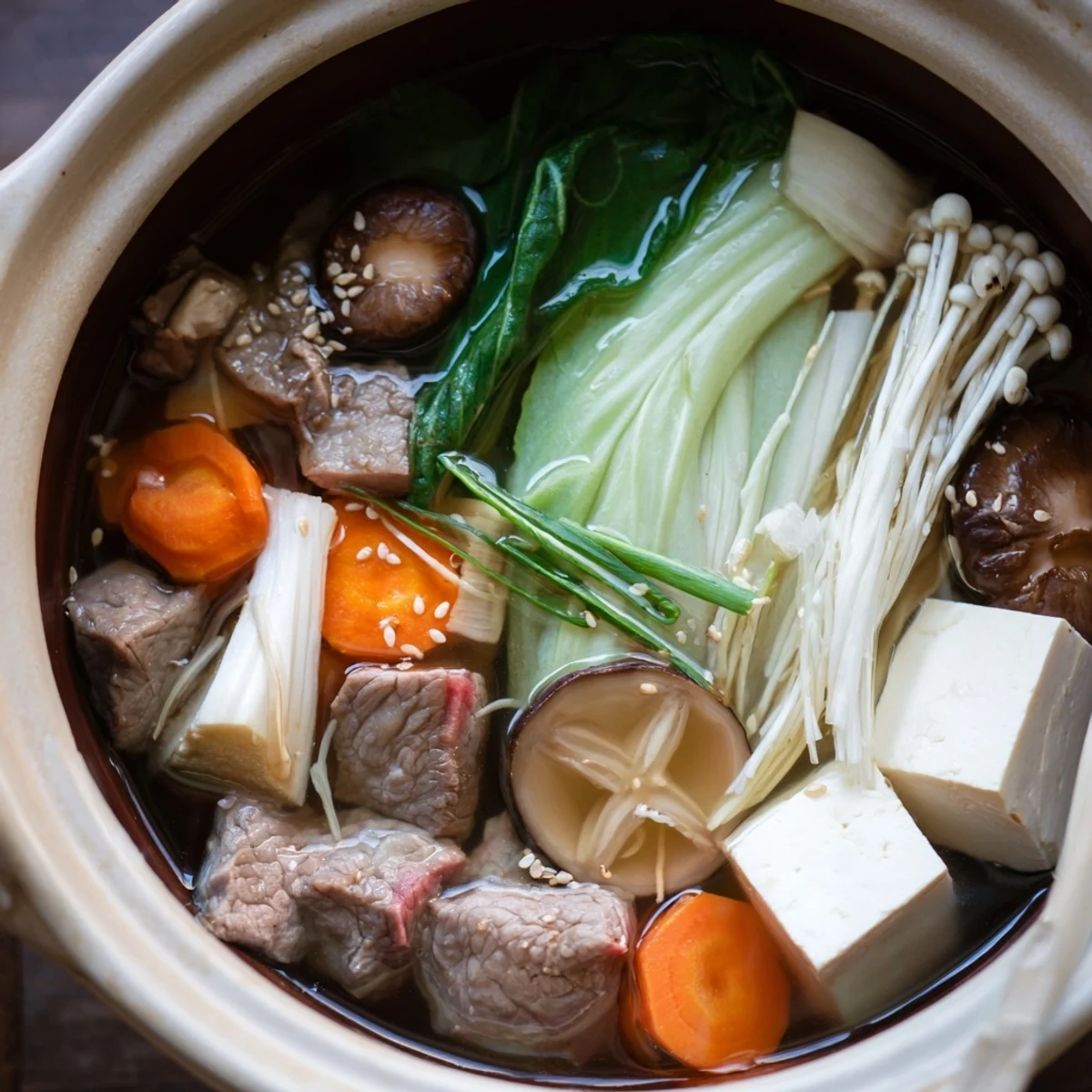
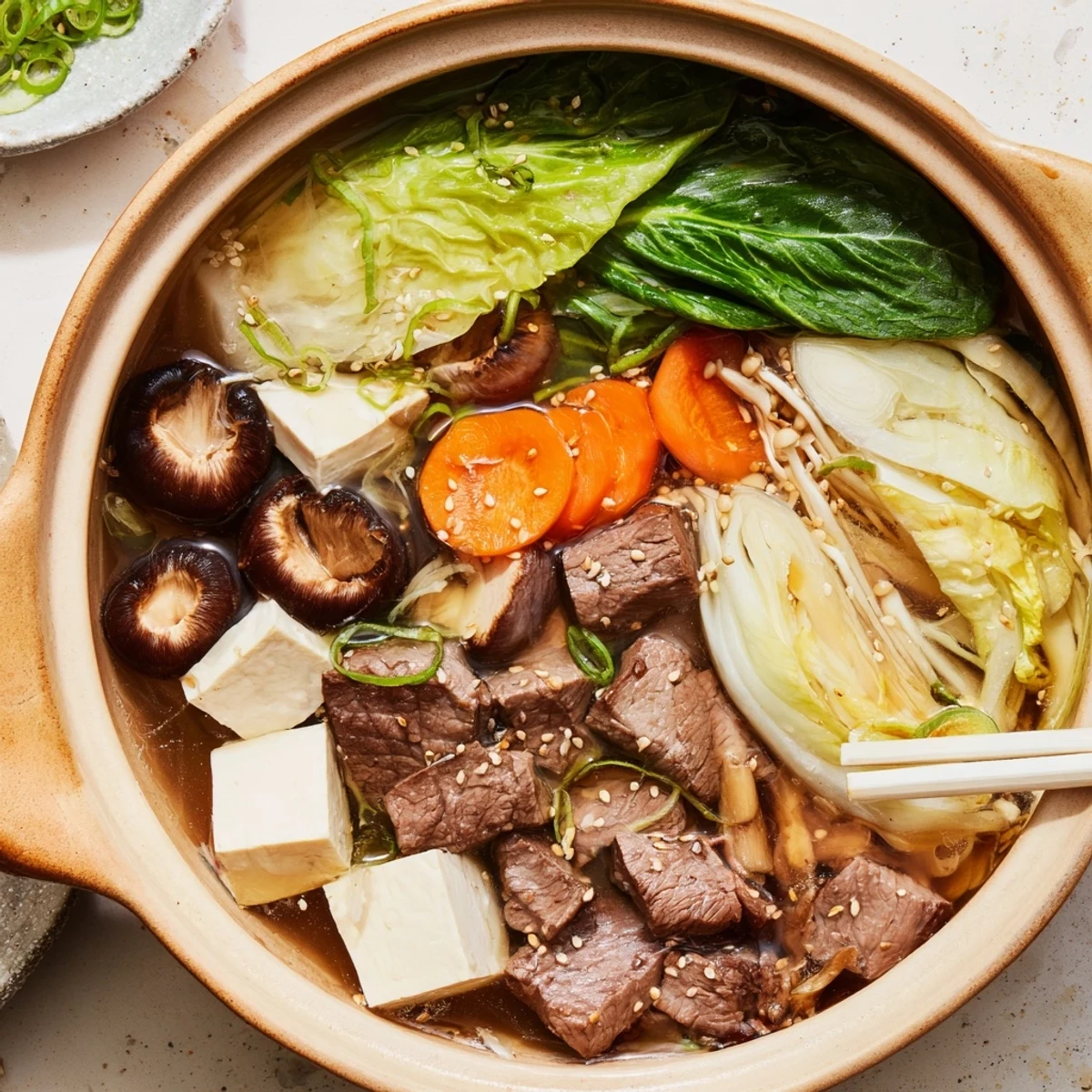
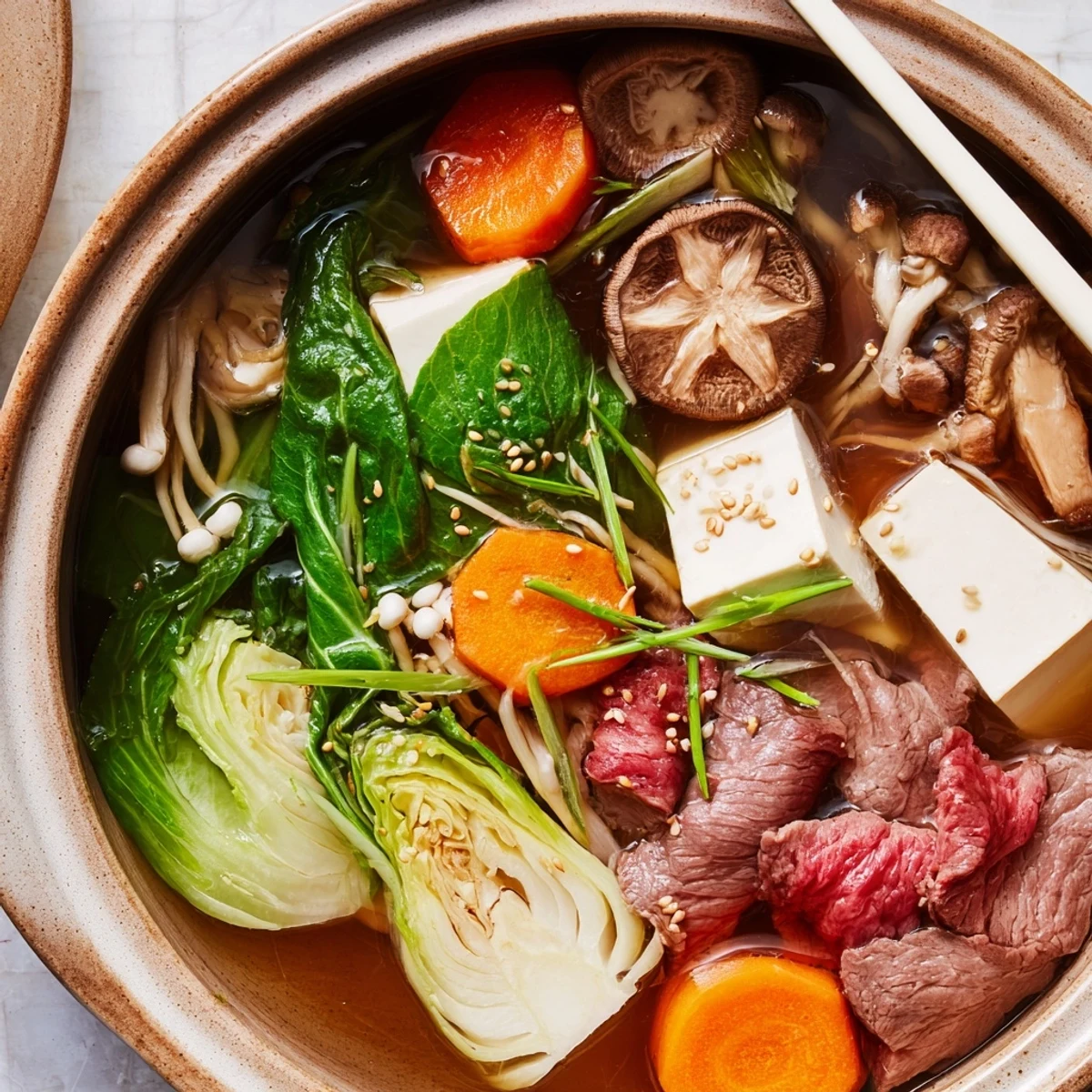
Save Gather around the table for this interactive Japanese dining experience. Thinly sliced beef sirloin and pork cook in seconds in the gentle dashi broth, along with crisp Chinese cabbage, spinach, carrots, and meaty shiitake and enoki mushrooms. The swishing motion—shabu shabu—gives this dish its name.
Set up a portable burner at your table and let everyone cook their own pieces. Dip each bite into tangy ponzu or rich sesame sauce. Finish the meal by adding udon noodles to the remaining broth for a warming, flavorful soup that captures all the savory essence of the ingredients.
Perfect for gatherings, this customizable meal brings people together through the joy of shared cooking and eating.
The winter night my roommate Yuki brought home a portable butane burner changed everything about how I thought about dinner parties. We crowded around her tiny coffee table, steam rising between us, cooking beef in bubbling broth while laughing so hard we nearly forgot to eat. That evening taught me that the best meals aren't just about food—they're about the shared experience of cooking together. Now whenever the temperature drops, I find myself reaching for that same portable burner.
Last New Year's Eve, I made shabu shabu for six people who had never tried Japanese hot pot before. They were skeptical about cooking their own food, but within minutes everyone was leaning over the pot, comparing cooking times and debating whose dipping sauce technique was superior. The best part came at the end when we fought over the udon noodles that had absorbed all that concentrated flavor. Now those friends ask for hot pot every time they visit, claiming nothing else feels quite as celebratory.
Ingredients
- 8 cups dashi stock: This foundation carries every ingredient's flavor so choose quality or make your own with kombu and bonito flakes
- 2-inch piece kombu: Dried kelp adds that subtle ocean depth that makes Japanese broth taste authentic
- 400 g thinly sliced beef sirloin: Ask your butcher to slice it paper-thin or freeze for 20 minutes and slice it yourself
- 200 g thinly sliced pork loin: Optional but adds lovely variety and a slightly different texture from the beef
- 1/2 Chinese cabbage: Sweet and tender when simmered, this becomes everyone's favorite vegetable component
- 1 bunch spinach: Fresh greens balance the rich meats and add vibrant color to the platter
- 1 large carrot: Thinly sliced rounds add sweetness and maintain their satisfying crunch even after cooking
- 200 g shiitake mushrooms: Their meaty texture and earthy flavor infuse beautifully into the broth
- 200 g enoki mushrooms: These delicate clusters cook in seconds and feel elegant in every bite
- 1 leek: Diagonal slices look beautiful and mellow into sweetness as they simmer
- 1 block tofu: Cut into cubes, this soaks up broth and provides creamy contrast to the meats
- 200 g udon noodles: These thick chewy noodles are the grand finale that turns remaining broth into soup
- 1/2 cup ponzu sauce: Citrusy and bright, this cuts through the richness of beef and pork
- 1/2 cup sesame sauce: Creamy and nutty, this coats everything in luxurious richness
- 2 green onions: Finely sliced, these add fresh bite and beautiful green flecks over everything
- 2 tbsp toasted sesame seeds: Sprinkle these liberally for crunch and aromatic intensity
Instructions
- Prepare your broth foundation:
- Place the kombu in dashi stock over gentle heat, removing it just before bubbles appear. This prevents bitterness and creates a clean, savory base for everything else.
- Create your ingredient platter:
- Arrange meats, vegetables, and tofu on large serving platters with attention to color and variety. Everything should be visible and accessible so guests can easily grab what they want.
- Set up your cooking station:
- Place your portable burner at the table with the simmering pot centrally located. Everyone should have their own small bowl for dipping sauces plus chopsticks or a slotted ladle.
- Cook with the swish technique:
- Dip each piece of meat into the broth, swishing back and forth until just cooked through, maybe 15-30 seconds depending on thickness. Vegetables take slightly longer but should still retain some texture.
- Dip and enjoy:
- Immediately transfer cooked items to your dipping bowl, coating thoroughly with either ponzu or sesame sauce. The contrast between hot food and cool sauce is part of the magic.
- Finish with noodle soup:
- Add udon noodles to the now deeply flavored broth and simmer until heated through. This final course captures every essence that cooked during the meal.
 Save
Save After my daughter moved across the country, she called asking for the shabu shabu recipe because she wanted to recreate our family dinners in her new apartment. Hearing her describe setting up her first solo hot pot made me realize these traditions travel better than any care package I could mail. Now we coordinate our hot pot nights over video call, cooking separately but eating together across time zones.
Choosing Your Meats
Japanese markets often sell presliced beef specifically for shabu shabu, usually labeled as shabu-shabu-cut or paper-thin slices. If you're slicing your own, partially freezing the meat for 20-30 minutes makes it firm enough to cut translucently thin. For variety, consider adding some shrimp or scallops if your group enjoys seafood.
Broth Variations
While traditional dashi provides the most authentic flavor, I've successfully used high-quality low-sodium chicken broth when time is tight. For a richer version, add a splash of soy sauce or a small piece of ginger to the broth. Vegetarians can create kombu dashi by soaking dried kelp overnight—skip the bonito flakes and you'll still get wonderful umami depth.
Setting The Scene
The atmosphere matters as much as the food when it comes to hot pot dining. Dim the overhead lights and use candles or smaller lamps to create warmth at the table. Consider playing ambient music in the background rather than anything too energetic or jarring.
- Have extra napkins readily available since dipping can be wonderfully messy
- Set out small ladles so guests can serve broth directly into their bowls
- Keep a pitcher of hot water nearby to top up the broth as it evaporates
 Save
Save There's something profoundly satisfying about ending a meal with that simple bowl of udon noodles, having spent the last hour talking, cooking, and connecting over shared food. That final spoonful of broth captures everything that makes shabu shabu more than dinner—it's memory-making in a pot.
Recipe Questions & Answers
- → What does shabu shabu mean?
-
Shabu shabu is an onomatopoeic term referring to the swishing sound made when thin slices of meat are moved through the hot broth. This gentle cooking technique ensures the meat stays tender and cooks quickly.
- → What type of meat works best?
-
Thinly sliced beef sirloin or ribeye is traditional. The slices should be paper-thin, almost translucent, to cook quickly. Ask your butcher to slice it for shabu shabu or partially freeze the meat and slice it yourself.
- → Can I make this vegetarian?
-
Absolutely. Use kombu dashi (kelp broth) instead of fish-based dashi, and focus on the array of vegetables, tofu, and mushrooms. The dipping sauces provide plenty of flavor even without meat.
- → What's the difference between shabu shabu and sukiyaki?
-
Both feature thinly sliced meat and vegetables, but sukiyaki uses a sweet-savory soy sauce broth and the ingredients are typically cooked in the kitchen. Shabu shabu uses a lighter dashi broth and is meant to be cooked at the table.
- → How do I eat shabu shabu?
-
Cook small pieces of meat or vegetables by swishing them in the simmering broth for just a few seconds. Once cooked, dip into your preferred sauce and eat immediately. Repeat with different ingredients to enjoy various flavors and textures.