
 Save
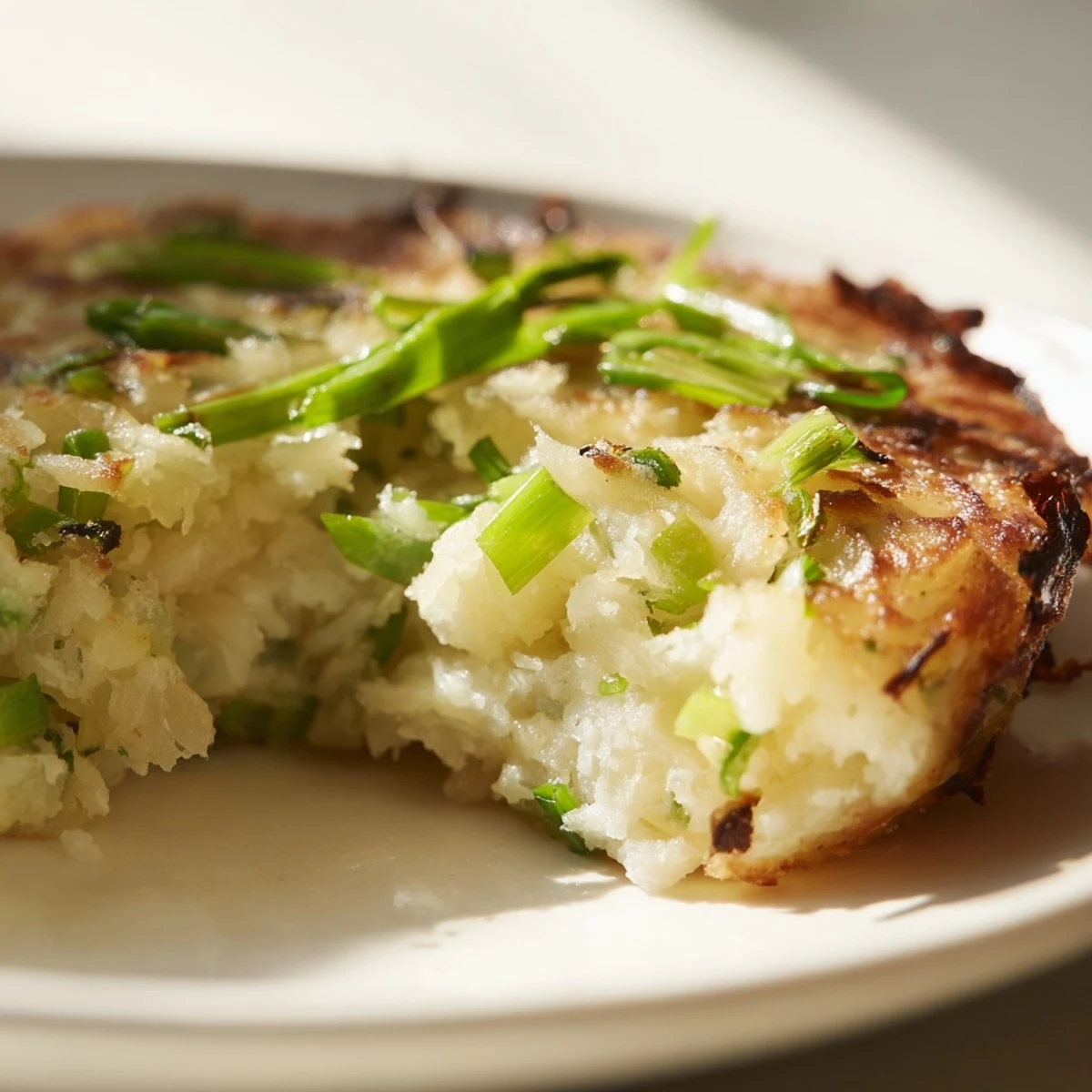
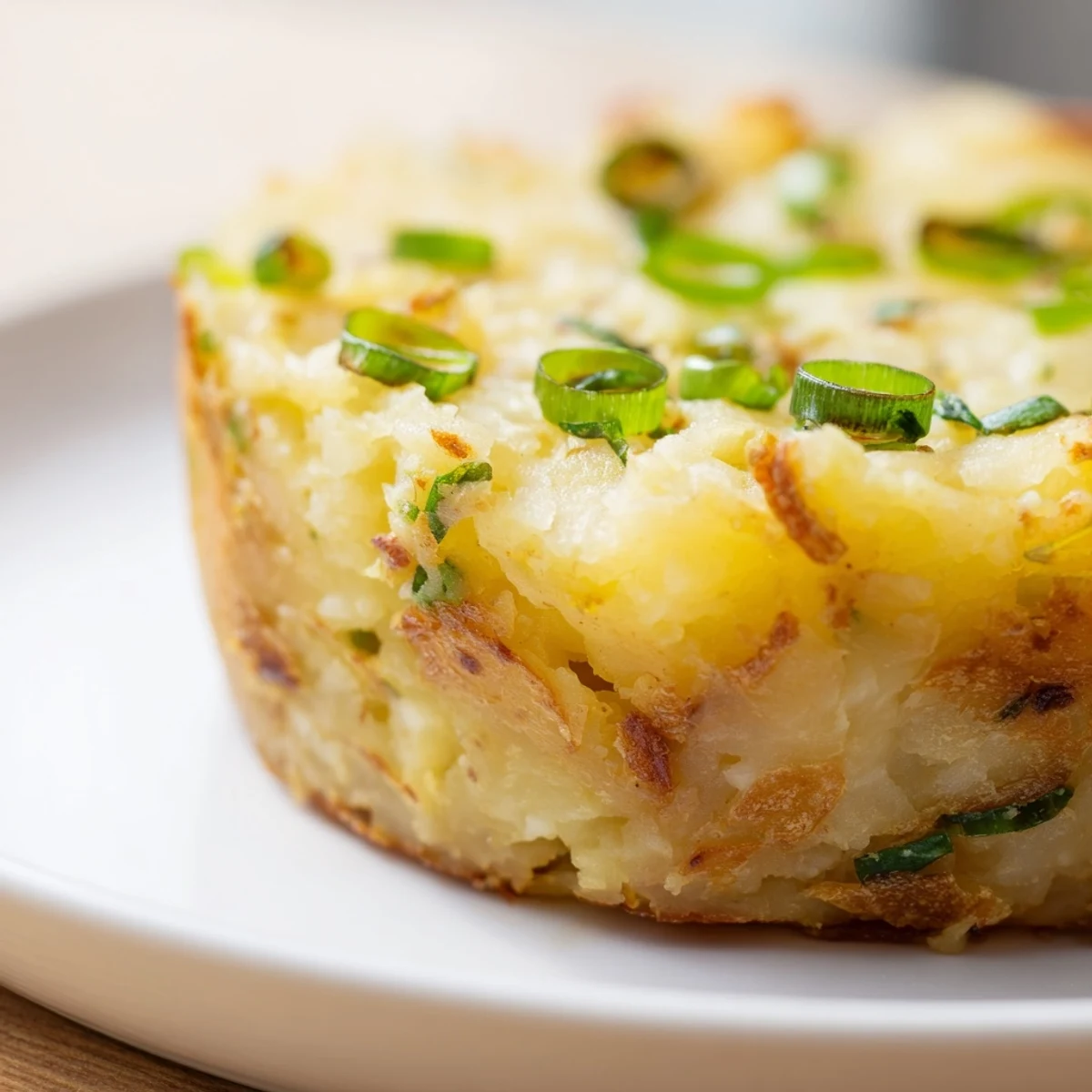
Save These golden potato cakes combine fluffy mashed potatoes with finely sliced scallions to create a savory and satisfying dish. Cooked to a crisp exterior, they offer a comforting texture complemented by a rich buttery flavor. Ideal for breakfast or as a hearty side, their simple ingredients and quick preparation make them a favorite in traditional Irish cooking.
The potatoes are boiled until tender, mashed with butter and milk, then mixed with scallions, flour, salt, and pepper to form rounds. Pan-fried until golden brown, they can be enjoyed with sour cream or fresh herbs for added depth. Variations include adding bacon or pairing with smoked salmon for elevated flavors.
My grandmother never measured anything when making potato cakes, she'd just grab a handful of this and a pinch of that, somehow producing the most perfect golden rounds every single time. I spent years trying to decode her method, watching her hands work the dough until one rainy Sunday she finally let me stand beside her and really pay attention. The secret wasn't in the measurements at all—it was in how the potatoes felt when they were just dry enough, how the butter should glisten but not pool. Now I make these whenever the kitchen feels too quiet, and suddenly I'm back at her Formica counter, learning that some recipes are better felt than followed.
Last St. Patrick's Day, I made three batches back to back because my friends kept eating them straight off the cooling rack, burning their fingers and laughing through mouthfuls of steamy potato and butter. Someone finally asked why I hadn't put them on the actual serving platter, and I realized I'd forgotten to even set the table. That's the thing about these cakes—they make everyone gather around the stove, drawn in by that impossible to ignore smell of butter and scallions hitting the hot pan.
Ingredients
- Floury potatoes: Russet or Maris Piper varieties work best because they absorb milk and butter without becoming gummy—waxy potatoes will give you dense, rubbery cakes that nobody wants
- Unsalted butter: Use real butter here, not substitutes or margarine, because the milk solids create that gorgeous golden crust that makes these cakes so irresistible
- Whole milk: Room temperature milk incorporates more smoothly into the potatoes, and the fat content helps create that tender, almost creamy interior texture
- Scallions: Slice them thin and use both the white and green parts—whites add savory depth while greens bring fresh color and a milder onion flavor
- All purpose flour: Just enough to bind everything together without making the dough heavy—sift it first to avoid any stubborn lumps
- Fine sea salt: Potato dishes need more salt than you think—taste the dough before shaping and adjust until the flavor pops
Instructions
- Boil and prep the potatoes:
- Cover the potato chunks with cold water and add that pinch of salt—starting with cold water ensures even cooking throughout, and you want them fork tender but not falling apart
- Mash and enrich:
- Mash until completely smooth, then work in the butter and milk until everything's glossy and creamy—let it cool slightly so the flour doesn't turn gummy when you add it
- Form the dough:
- Fold in the scallions and dry ingredients until just combined—overworking now means tough cakes later, so stop as soon as everything comes together
- Shape your cakes:
- Pat the dough into a thick round on floured surface and cut into wedges, or use a cutter for neat circles—either way, handle the dough gently and keep surfaces well dusted
- Fry to golden perfection:
- Melt butter in your skillet over medium heat and cook in batches, about 3 to 4 minutes per side—listen for that sizzle that tells you the crust is forming and resist the urge to peek too early
- Serve them up:
- These are best eaten immediately while still warm and crisp, though nobody will judge if you sneak one straight from the pan
 Save
Save My sister in law tried to make these once and accidentally used self rising flour, which sounds like a disaster but actually produced the puffiest, most tender cakes we'd ever eaten. Sometimes the kitchen gods reward happy accidents, though I still stick to plain flour myself—there's something about that traditional texture that just can't be improved upon, no matter how many experiments we run.
Make Them Your Own
Swap the scallions for fresh chives in spring, or fold in crumbled cooked bacon for a heartier version. I've added grated cheddar before and nobody complained, though purists might argue it's no longer traditional.
Pairing Ideas
These shine alongside fried eggs and tomato slices for breakfast, or next to a bowl of soup for lunch. At brunch, they're the perfect base for poached eggs and a drizzle of hollandaise.
Storage and Reheating
Cooked potato cakes keep in the fridge for up to three days and freeze well for a month. Reheat them in a dry skillet over medium low heat to restore that crisp exterior.
- Never microwave them unless you want sad, soggy leftovers
- Let frozen cakes thaw in the fridge before reheating for best texture
- A hot oven at 375°F works if you're reheating a big batch at once
 Save
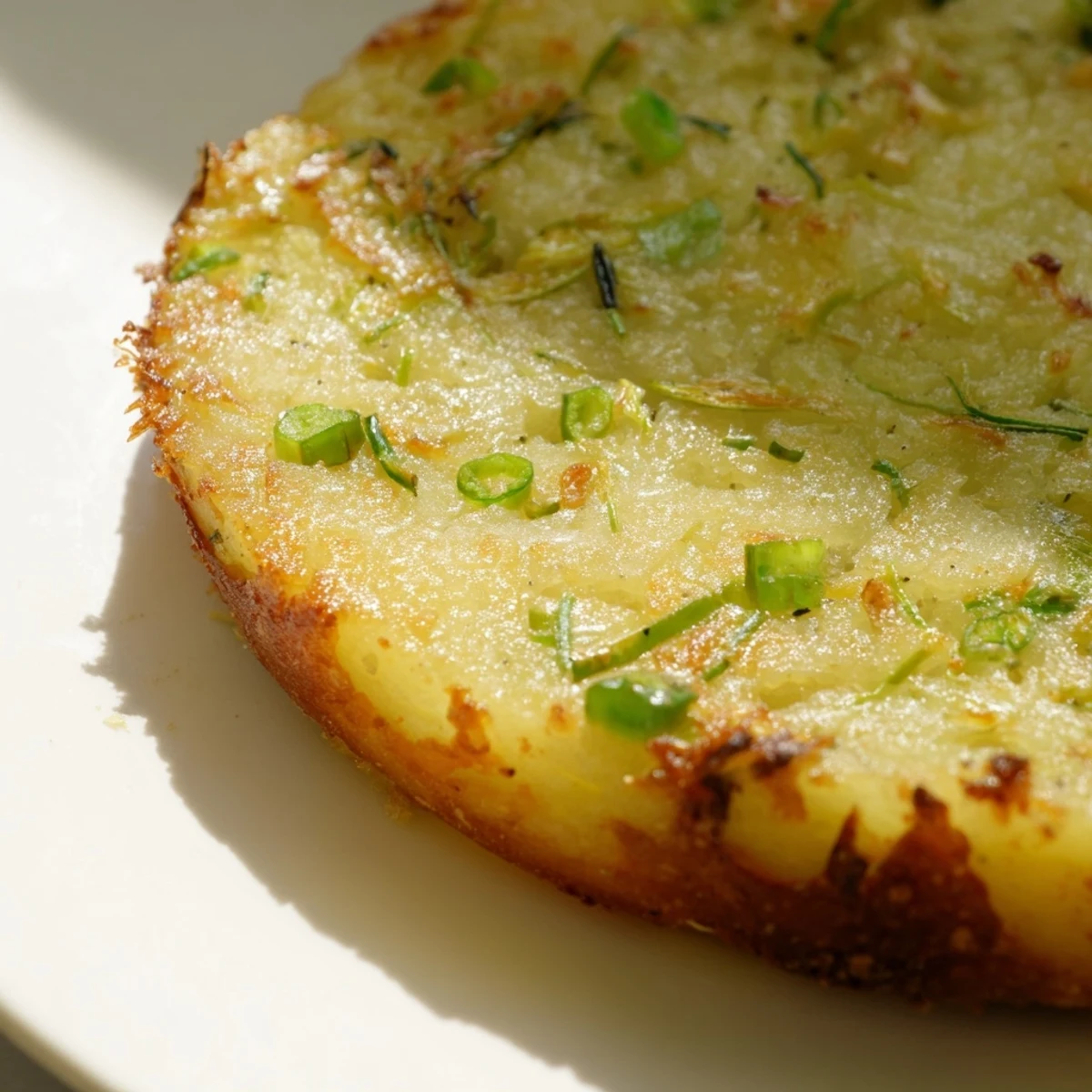
Save There's something profoundly satisfying about turning simple ingredients into something so comforting and delicious. These potato cakes have a way of making any morning feel a bit more special.
Recipe Questions & Answers
- → What potatoes work best for these cakes?
-
Floury potatoes like Russet or Maris Piper provide the ideal fluffy texture for tender, easy-to-shape cakes.
- → Can I use alternative milk for a creamier result?
-
Yes, substituting cream for milk enriches the texture and flavor, creating an even creamier consistency.
- → How do I achieve a crispy exterior on the cakes?
-
Fry the cakes over medium heat in butter to develop a golden, crisp crust while keeping the inside soft.
- → Are scallions necessary, or can I replace them?
-
Scallions add a mild onion flavor, but fresh herbs like chives or parsley can be used for a different aromatic touch.
- → What dishes pair well with these potato cakes?
-
They complement smoked salmon, poached eggs, or a dollop of sour cream, enhancing brunch or dinner spreads.