
 Save
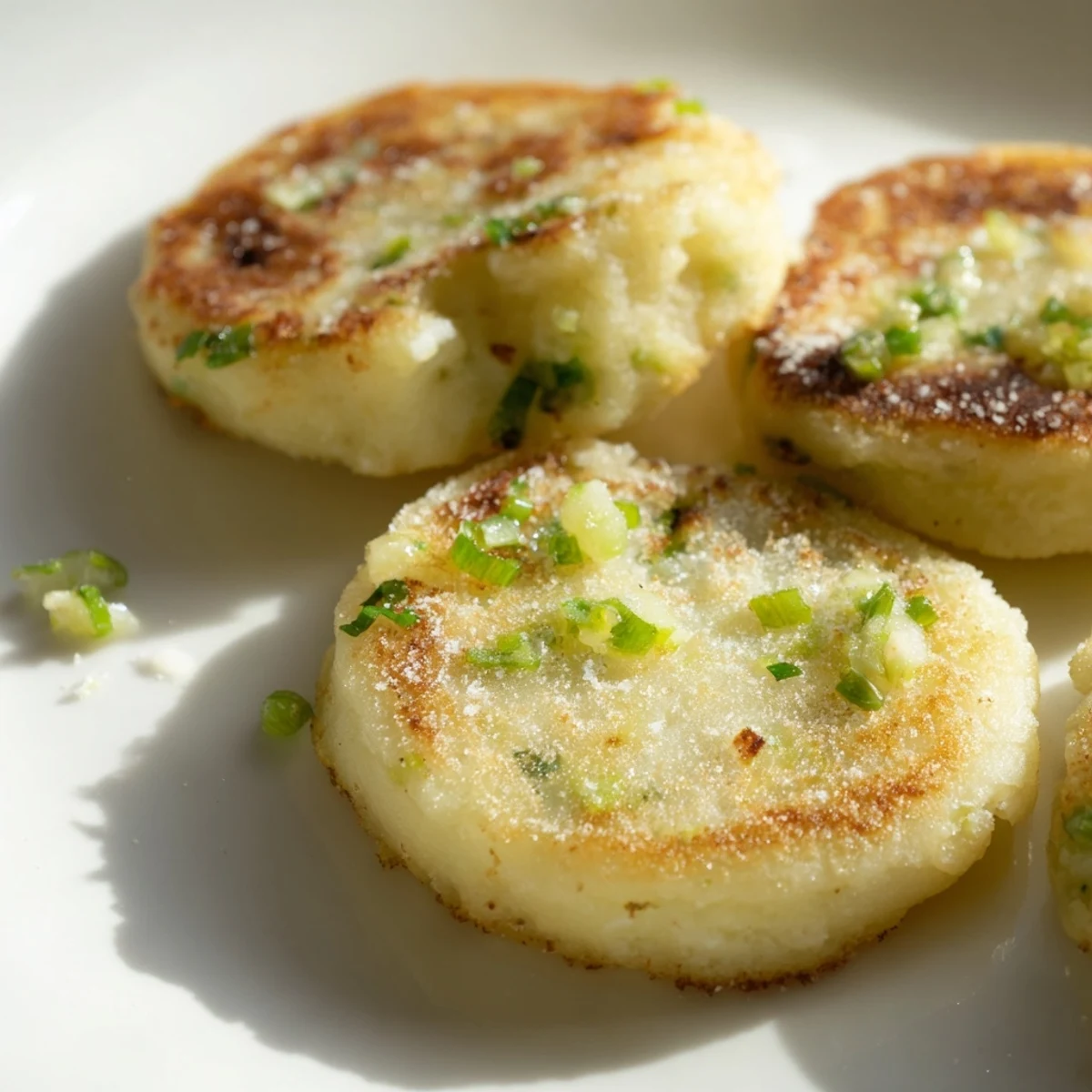
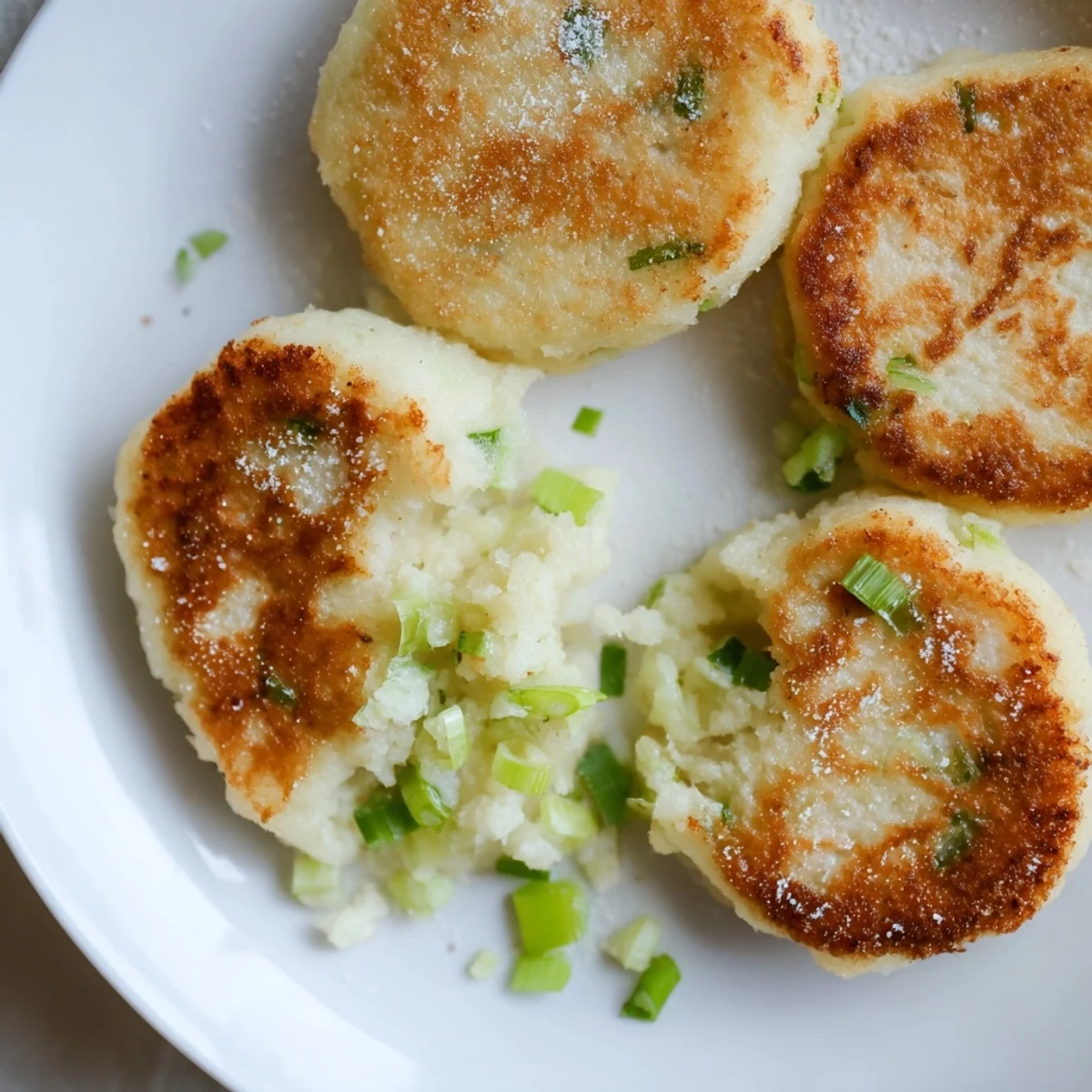
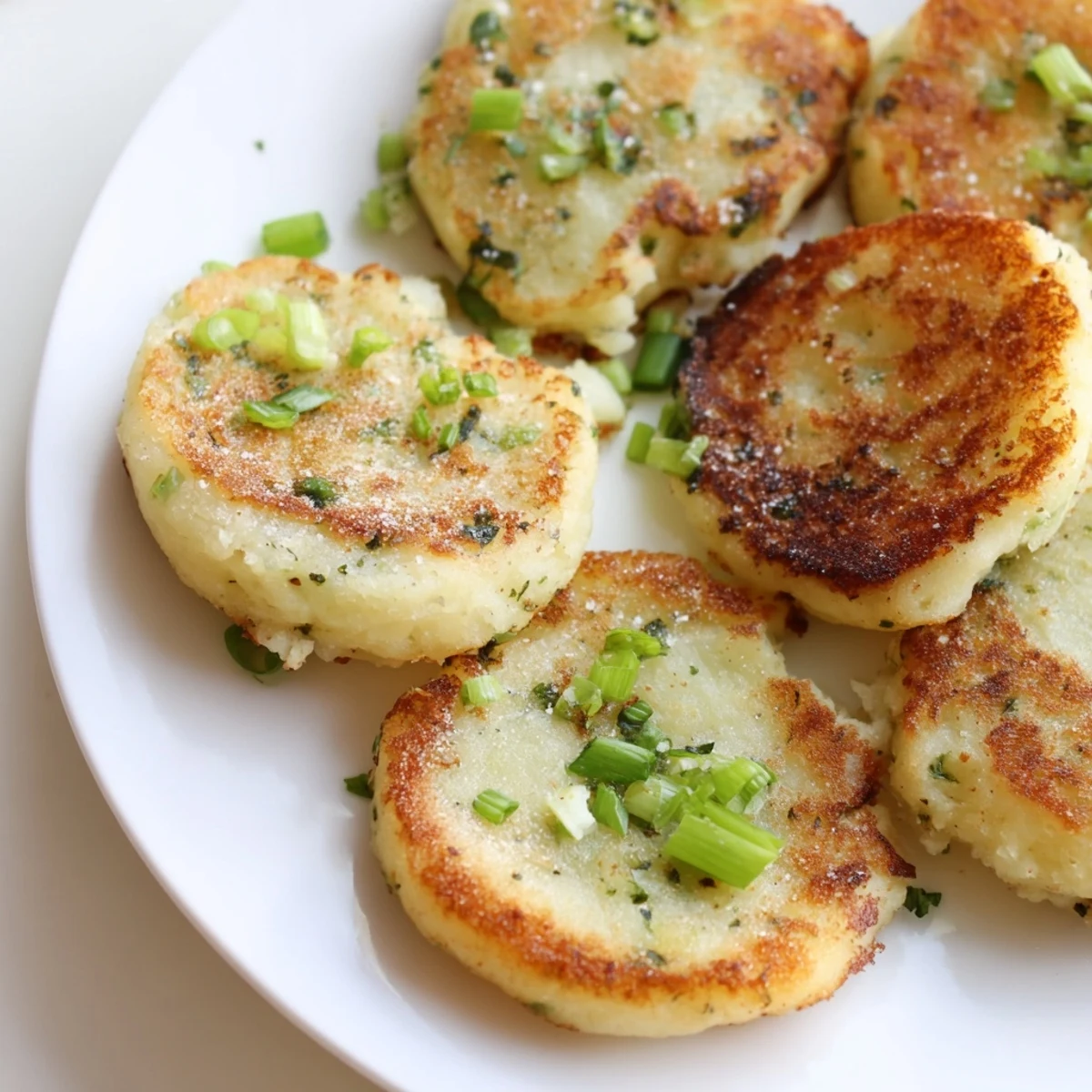
Save These Irish potato cakes are golden and crisp on the outside, with a fluffy texture inside. Made using floury potatoes mashed smoothly, then combined with fresh scallions and lightly seasoned, the dough is shaped into rounds and pan-fried in butter or oil until perfectly golden. They pair beautifully with eggs, smoked salmon, or a fresh salad, offering a delightful side or snack. Richness can be enhanced by adding mature cheddar to the mixture, while serving suggestions include sour cream or Greek yogurt for extra creaminess. Freeze leftovers and reheat easily for convenience.
The kitchen smelled of butter and earth the afternoon I first understood why Irish cooks never throw away leftover mash. My neighbor, a woman from County Cork who spoke in musical sentences, had watched me peeling potatoes with too much haste and too little care. She took the knife from my hand, showed me how to follow the curve of each tuber, and promised these cakes would repay my patience.
I made these for my sister after she moved into her first apartment, a place with thin walls and a stove that ran hot. We ate them standing at her counter, straight from the pan, burning our fingers slightly and not caring at all. She still texts me when she makes them, usually late on Sunday mornings.
Ingredients
- 500 g floury potatoes: Russet or Maris Piper collapse into fluff rather than waxy resistance, which is exactly what you want.
- 40 g unsalted butter: Softened so it melts into the warm potatoes without fighting you.
- 60 ml whole milk: Full fat keeps the interior tender, skim makes them tight and sad.
- 4 scallions: Slice them thin enough to disappear into the dough but thick enough to taste.
- 1 tbsp fresh parsley: Optional but worth it for the color alone.
- 100 g plain flour: Sifted to avoid pockets of raw starch that taste like regret.
- Salt and pepper: Potatoes need more salt than you think, taste as you go.
- 2 tbsp vegetable oil or butter: For frying, butter browns faster and tastes better, oil is more forgiving.
Instructions
- Boil the potatoes:
- Start them in cold salted water so they cook evenly from the outside in. They are ready when a knife slips through without any catch, usually 12 to 15 minutes of gentle simmering.
- Mash while hot:
- Drain thoroughly and return to the warm pot. The residual steam helps dry them slightly, which means crisper cakes later. Mash until no lumps remain.
- Enrich the mash:
- Work in the butter, milk, salt, and pepper while the potatoes still remember being hot. This is when they absorb flavor best.
- Add the green:
- Fold in scallions and parsley with a light hand, distributing them evenly without overworking.
- Bring in the flour:
- Sift over the surface and gently mix to a soft, slightly sticky dough. Do not knead like bread, treat it like a suggestion rather than a command.
- Shape the cakes:
- On a floured surface, pat or roll to about 1.5 cm thickness. Cut 8 rounds with a cutter or drinking glass, dusting lightly with flour so they do not cling.
- Fry to gold:
- Heat oil or butter in a large skillet over medium heat. Cook in batches, 3 to 4 minutes per side, until the crust crackles and the color deepens to amber.
- Serve warm:
- They wait for no one, though they will hold in a low oven if you must.
 Save
Save My daughter once asked why we call them cakes when they are not sweet. I had no good answer, only the memory of my neighbor laughing at the same question years before. Some things you accept because they taste right, not because the name makes sense.
The Right Potato Matters
Waxy potatoes hold their shape and refuse to become fluffy, leaving you with gummy, stubborn cakes that never quite crisp. Floury varieties surrender completely, creating that tender interior that contrasts so satisfyingly with the fried exterior.
Temperature Patience
The pan should whisper rather than shout when the cakes first touch it. Too hot and the outside burns before the inside warms through, too cool and they absorb oil like a sponge. Medium heat with occasional adjustment is the cook's best tool.
Making Them Your Own
These cakes accommodate ambition and laziness equally well. A handful of grated cheddar folded into the dough creates something closer to a comfort food dream. A pinch of nutmeg adds warmth that feels almost ancestral.
- Leftover roast potatoes work in a pinch, though the texture will be slightly different.
- Cold cakes revive beautifully in a hot oven, never the microwave.
- Smoked salmon and a poached egg turn a side dish into a proper meal.
 Save
Save However you serve them, eat at least one standing at the stove, before anyone else arrives at the table. Some pleasures are meant to be solitary.
Recipe Questions & Answers
- → What type of potatoes work best for these cakes?
-
Floury potatoes like Russet or Maris Piper are ideal as they mash smoothly and create a fluffy texture.
- → Can I add cheese to enhance flavor?
-
Yes, adding a handful of grated mature cheddar adds extra richness and depth to the cakes.
- → What oil is recommended for frying?
-
Vegetable oil or butter works well, with butter giving a richer, golden finish.
- → How should I store leftover cakes?
-
Cooked cakes can be frozen and later reheated in the oven without losing texture.
- → What dishes pair well alongside these potato cakes?
-
They complement eggs, smoked salmon, or a fresh salad for a balanced meal.
- → Are there any allergen considerations?
-
These cakes contain dairy from butter and milk, and gluten from the flour used.