
 Save
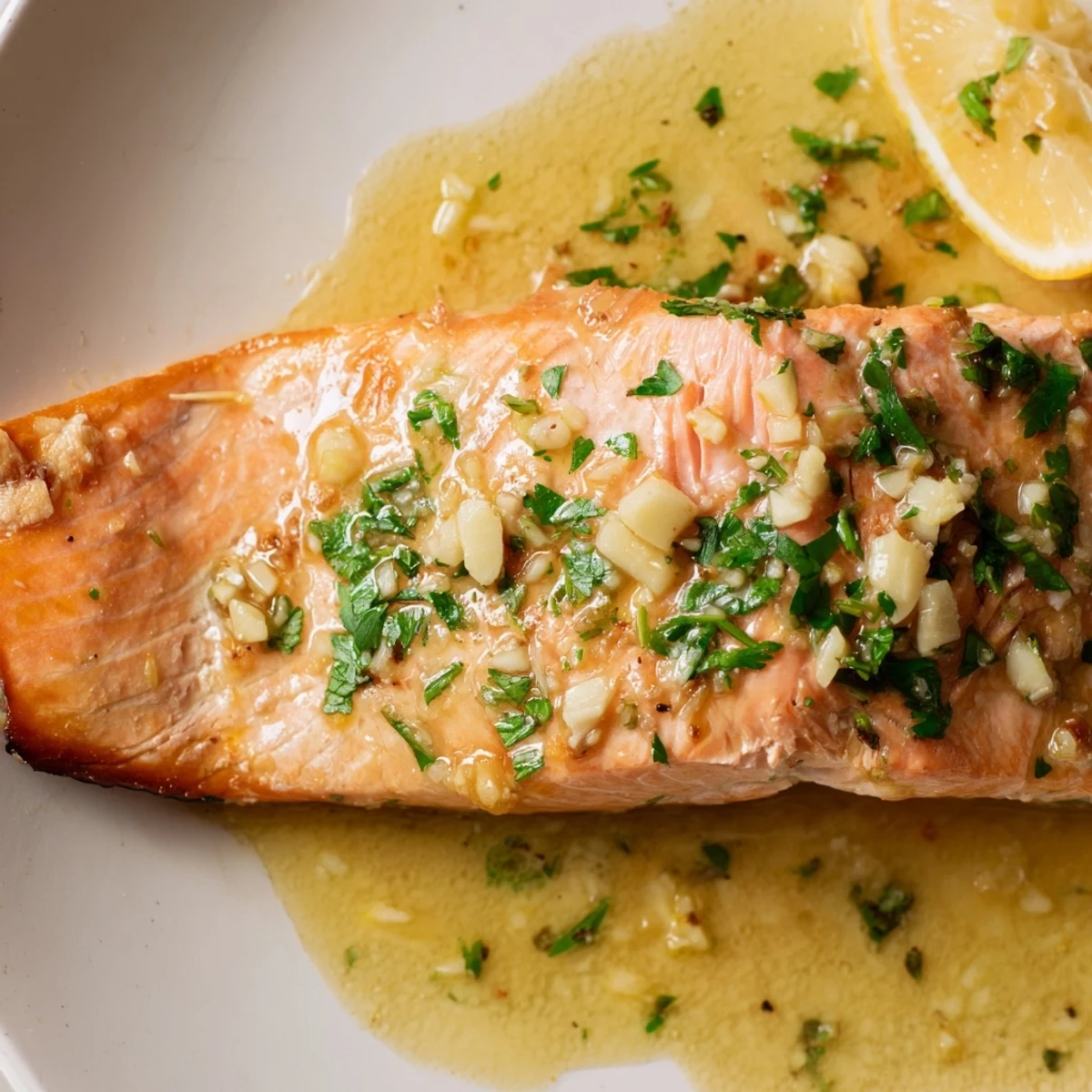
Save This garlic butter salmon delivers perfectly crispy-skinned fillets bathed in a luscious, aromatic sauce made from melted butter, minced garlic, fresh lemon juice, and chopped parsley. The entire dish comes together in just 25 minutes, making it an ideal choice for busy weeknights when you still want something impressive.
Start by searing the salmon skin-side down in a hot skillet until golden and crisp, then flip and baste with foaming garlic butter until the fish is tender and flaky. A final splash of lemon juice and a sprinkle of fresh parsley brighten every bite. Serve alongside steamed vegetables, fluffy rice, or roasted potatoes for a complete meal.
The sizzle of salmon hitting a hot pan is one of those sounds that makes everyone in the house wander into the kitchen asking when dinner will be ready. I started making this garlic butter version years ago during a particularly chaotic Tuesday when I needed something impressive with almost zero effort. The butter foams, the garlic turns golden, and suddenly you have a restaurant worthy dish that took less time than scrolling through takeout menus. It has never once let me down.
One winter evening my neighbor knocked on the door to return a borrowed casserole dish right as I was basting the salmon with that fragrant garlic butter. She stood in the doorway taking a deep breath and said she was never leaving, so I set another place at the table and we ate together. Now she requests it every time she knows I am cooking.
Ingredients
- 4 salmon fillets, about 170 g each, skin on, pin bones removed: Skin on fillets hold together beautifully and get an irresistible crispy bottom that is worth the extra texture.
- 4 tablespoons unsalted butter: Unsalted lets you control the seasoning, and you need this much to create a proper basting sauce.
- 4 cloves garlic, minced: Fresh garlic is nonnegotiable here since the jarred version lacks the punch that makes this sauce sing.
- 1 tablespoon freshly squeezed lemon juice: Bottled juice tastes flat and metallic, so squeeze it fresh right at the end.
- 1 teaspoon lemon zest: The zest holds all the aromatic oils and brightens the butter in a way juice alone cannot.
- 2 tablespoons chopped fresh parsley: Parsley adds color and a clean herbal note that balances the richness of the butter.
- 1/2 teaspoon salt: A modest amount is all you need since the butter and garlic carry a lot of flavor on their own.
- 1/4 teaspoon freshly ground black pepper: Pre ground tastes dusty, so crack it fresh for a sharper more vibrant heat.
- Lemon wedges and extra parsley for garnish: These small finishing touches make the plate look intentional rather than thrown together.
Instructions
- Dry and season the salmon:
- Pat each fillet thoroughly with paper towels because moisture is the enemy of a good sear, then season both sides generously with salt and pepper.
- Get the pan hot and melt the first butter:
- Heat a large nonstick or cast iron skillet over medium high heat and add half the butter, letting it melt until it just starts to foam without browning.
- Sear skin side down:
- Lay the fillets skin side down and resist the urge to move them for about 4 to 5 minutes until the skin turns deeply golden and crispy and the edges start to look opaque.
- Flip and build the garlic butter:
- Carefully flip each fillet, then add the remaining butter and minced garlic to the pan, tilting it slightly so the butter melts around the fish and the garlic softens without burning.
- Baste and finish with lemon:
- Spoon the foaming garlic butter over the tops of the fillets repeatedly for 2 to 3 minutes, then pour in the lemon juice and zest, swirl the pan to combine everything, and pull it off the heat.
- Rest, garnish, and serve:
- Sprinkle chopped parsley over the top and let the salmon rest for a minute in the sauce before serving with lemon wedges alongside.
 Save
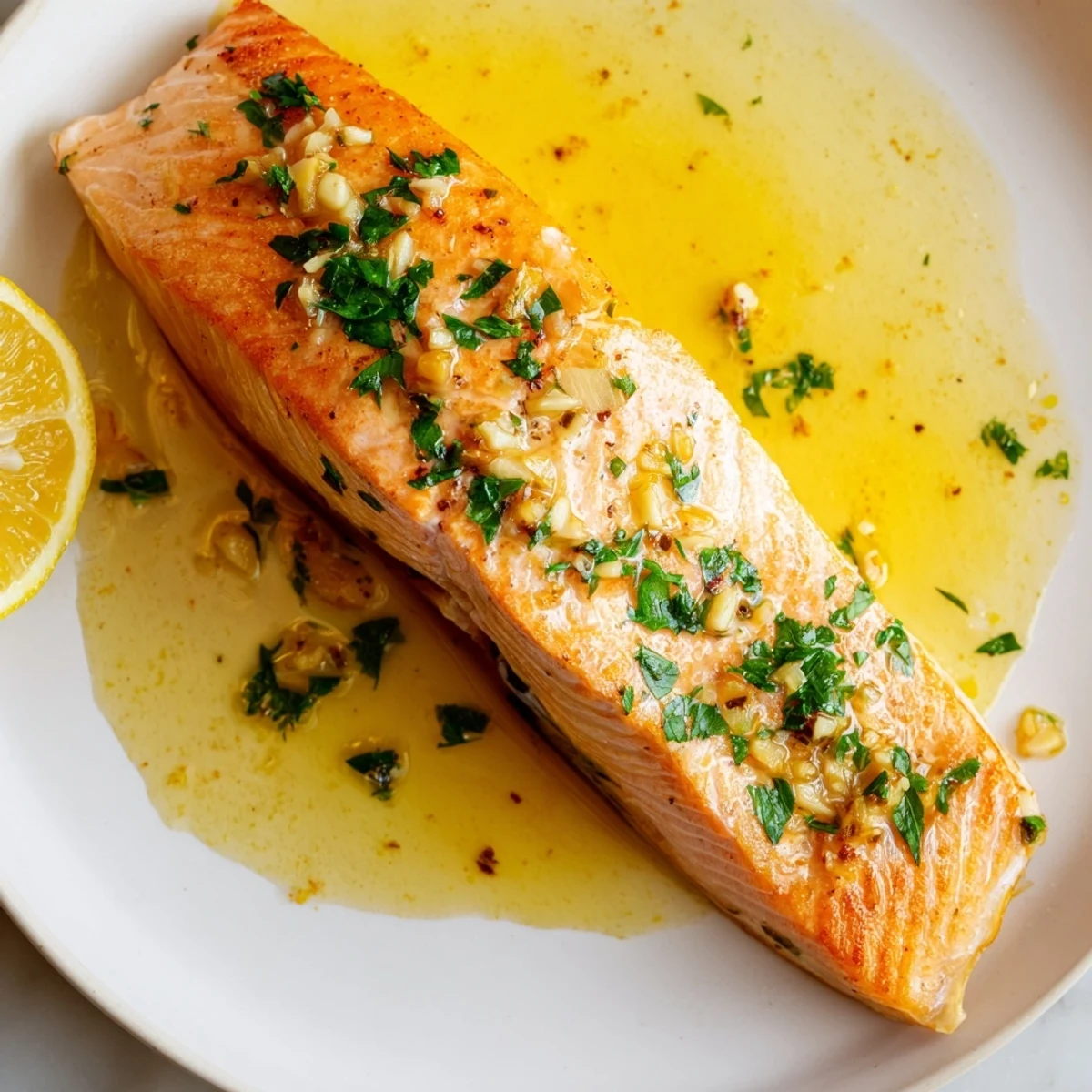
Save There is something about the way this dish brings people to the table without being asked that makes it feel like more than just dinner. The golden butter pooled on the plate, the fragrant steam rising, the crispy skin catching the light all of it turns an ordinary evening into a small celebration worth savoring.
Picking the Right Skillet
A cast iron skillet holds heat beautifully and gives the salmon skin an exceptionally crispy finish, but a good nonstick pan works nearly as well and makes flipping much easier for beginners. Either way, make sure the pan is large enough to fit all four fillets without crowding, because overlapping fish steams instead of sears. If your skillet is on the smaller side, cook the salmon in two batches and keep the first round warm on a plate loosely tented with foil.
Simple Sides That Pair Perfectly
This salmon loves companions that can soak up the extra garlic butter pooling on the plate. Steamed green beans or asparagus add a bright snap, while a pile of fluffy rice or crispy roasted potatoes turns the meal into something truly satisfying. A simple green salad with a vinaigrette also works wonders for cutting through the richness.
Variations Worth Trying
Once you have the basic technique down, the recipe is endlessly adaptable and forgiving. Try swapping the parsley for fresh dill or chives for a completely different herbal personality.
- A splash of white wine added with the lemon juice turns the butter into a delicate pan sauce that feels extra special.
- A pinch of red pepper flakes sprinkled over the top adds a gentle warmth without overpowering the garlic.
- Leftover cold salmon flaked over a salad the next day might be even better than the original dinner.
 Save
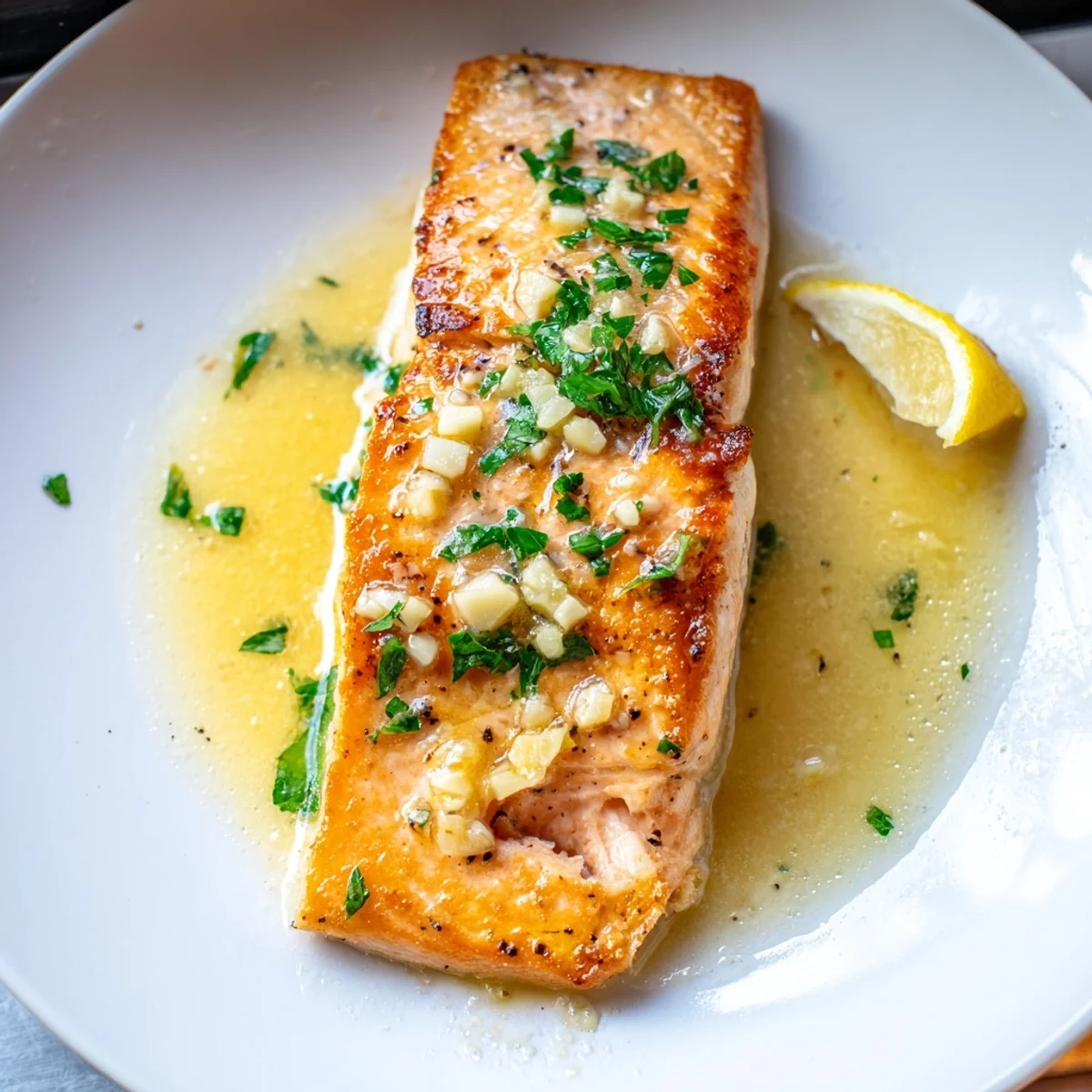
Save Few dishes give you this much elegance and satisfaction in under thirty minutes, and even fewer taste better the more you make them. Trust the butter, trust the heat, and enjoy every last bite.
Recipe Questions & Answers
- → Should I leave the skin on the salmon?
-
Yes, keeping the skin on helps protect the flesh during searing and crisps up beautifully in the hot butter. It also holds the fillet together when flipping. If you prefer skinless salmon, the dish still works well—just reduce the initial searing time slightly.
- → How do I know when the salmon is cooked through?
-
Salmon is done when it flakes easily with a fork and reaches an internal temperature of 63°C (145°F). The flesh should transition from translucent to opaque pink. For a slightly center, aim to pull it from the heat just before it looks fully cooked, as residual heat will finish the job.
- → Can I use frozen salmon fillets?
-
Absolutely, but thaw them completely in the refrigerator overnight before cooking. Pat the fillets thoroughly dry with paper towels before searing—excess moisture prevents a good crust from forming and can cause the butter to splatter.
- → What can I substitute for butter in this dish?
-
For a dairy-free version, use a good-quality plant-based butter or olive oil. Ghee is another excellent option that adds a nutty, rich flavor while being more heat-stable than regular butter. Keep in mind the sauce texture may vary slightly with substitutions.
- → What sides pair well with garlic butter salmon?
-
Steamed asparagus, roasted broccoli, or green beans complement the richness beautifully. For a heartier meal, serve over steamed rice, quinoa, or alongside crispy roasted potatoes. A light side salad with a lemon vinaigrette also balances the buttery sauce perfectly.
- → Can I add white wine to the garlic butter sauce?
-
Yes, a splash of dry white wine added right after the lemon juice creates a wonderful pan sauce with extra depth. Let it simmer for about 30 seconds to cook off the alcohol before removing from heat. Sauvignon Blanc or Pinot Grigio work particularly well.