
 Save
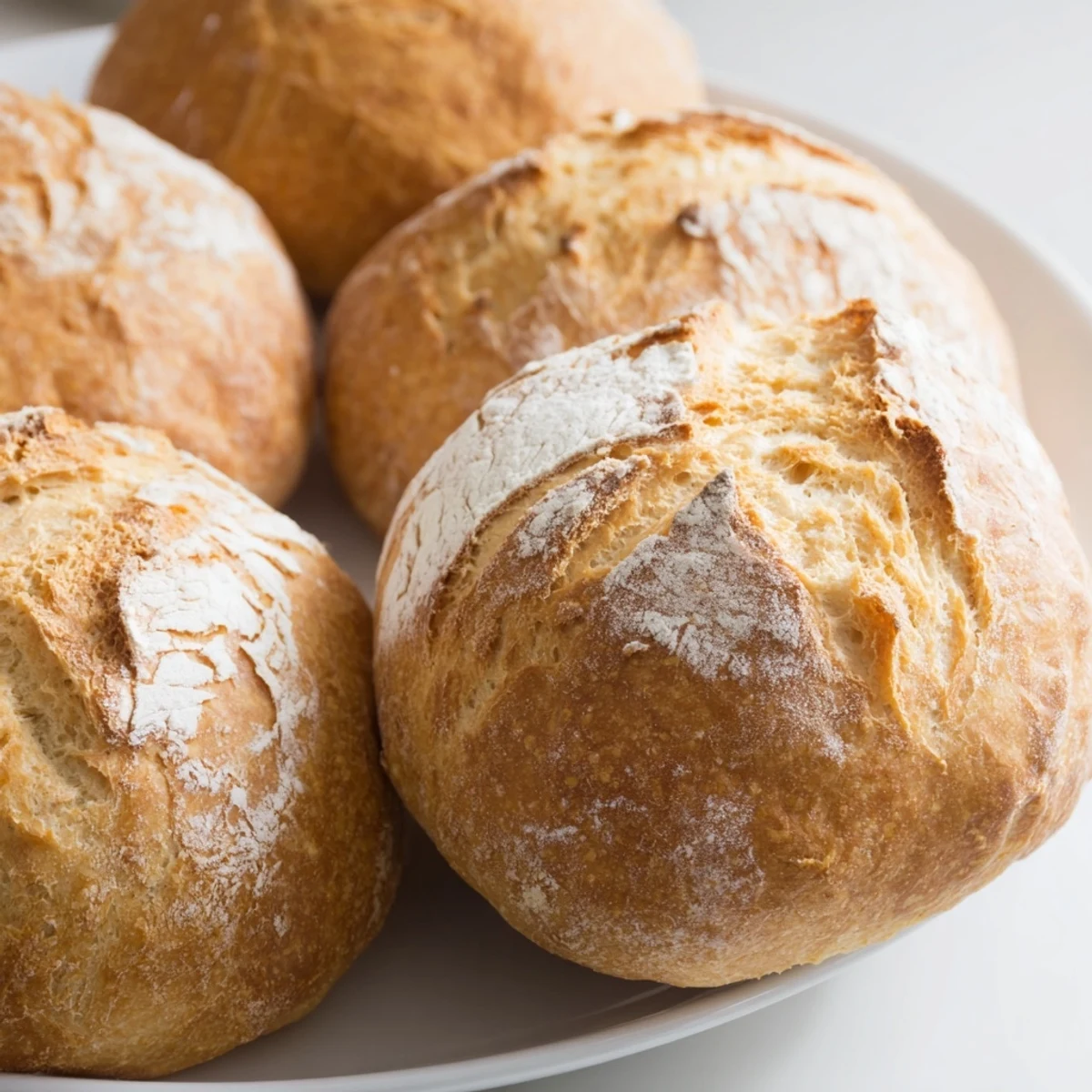
Save Master the art of baking authentic French bread rolls with a golden crust and tender interior. This straightforward method combines basic ingredients—bread flour, yeast, water, and salt—transforming them into beautifully risen rolls perfect for any occasion.
The steam-oven technique creates that signature crackly crust, while careful kneading develops the classic chewy texture. Ready in about two hours including rising time, these rolls emerge from the oven golden brown and irresistibly aromatic.
Customize with seeds or serve simply with butter. Ideal for sandwiches, dunking in soups, or enjoying fresh from the oven.
Theres something almost magical about pulling homemade bread from the oven, that crackle of the crust singing like a tiny celebration. I started making these rolls on rainy weekends when the oven warmth felt like the sun itself decided to live in my kitchen. My husband started calling them rain day bread, and now the forecast barely matters anymore.
Last Thanksgiving, I made three batches because my sister swore she needed to take some home. We ended up eating half of them straight from the cooling rack, standing around the kitchen island with butter melting down our wrists. Nobody even missed the dinner rolls.
Ingredients
- 500 g bread flour: The high protein content creates that perfect chewy interior and robust crust
- 300 ml lukewarm water: Think bathwater temperature, around 100°F to wake up the yeast without killing it
- 2 tsp active dry yeast: Fresh yeast makes all the difference, check the expiration date
- 1 1/2 tsp salt: Do not reduce this, salt is crucial for flavor and crust development
- 1 tsp sugar: Just enough to feed the yeast and encourage beautiful browning
- 1 tbsp flour: For dusting, gives that professional bakery appearance
Instructions
- Wake up the yeast:
- Dissolve sugar in lukewarm water, sprinkle yeast on top, and watch it bloom into a fragrant foam. This takes 5 to 10 minutes and tells you everything is alive and ready to work.
- Build the dough:
- Mix flour and salt into the yeast mixture until shaggy, then knead for 8 to 10 minutes until the dough transforms from sticky to smooth and elastic. It should bounce back when poked.
- First rise:
- Place dough in a greased bowl, cover with a damp cloth, and tuck it somewhere warm for about an hour. The dough should double in size, growing pillowy and light.
- Shape the rolls:
- Punch down gently, divide into 8 equal pieces, and shape each into a tight ball or oval. Tuck the edges underneath to create surface tension.
- Second rise:
- Arrange on parchment paper, cover loosely, and let rise another 30 to 40 minutes until puffy and slightly expanded.
- Create the steam:
- Preheat oven to 450°F with a water tray on the bottom rack. This steam is the secret to that legendary crispy crust.
- Score and bake:
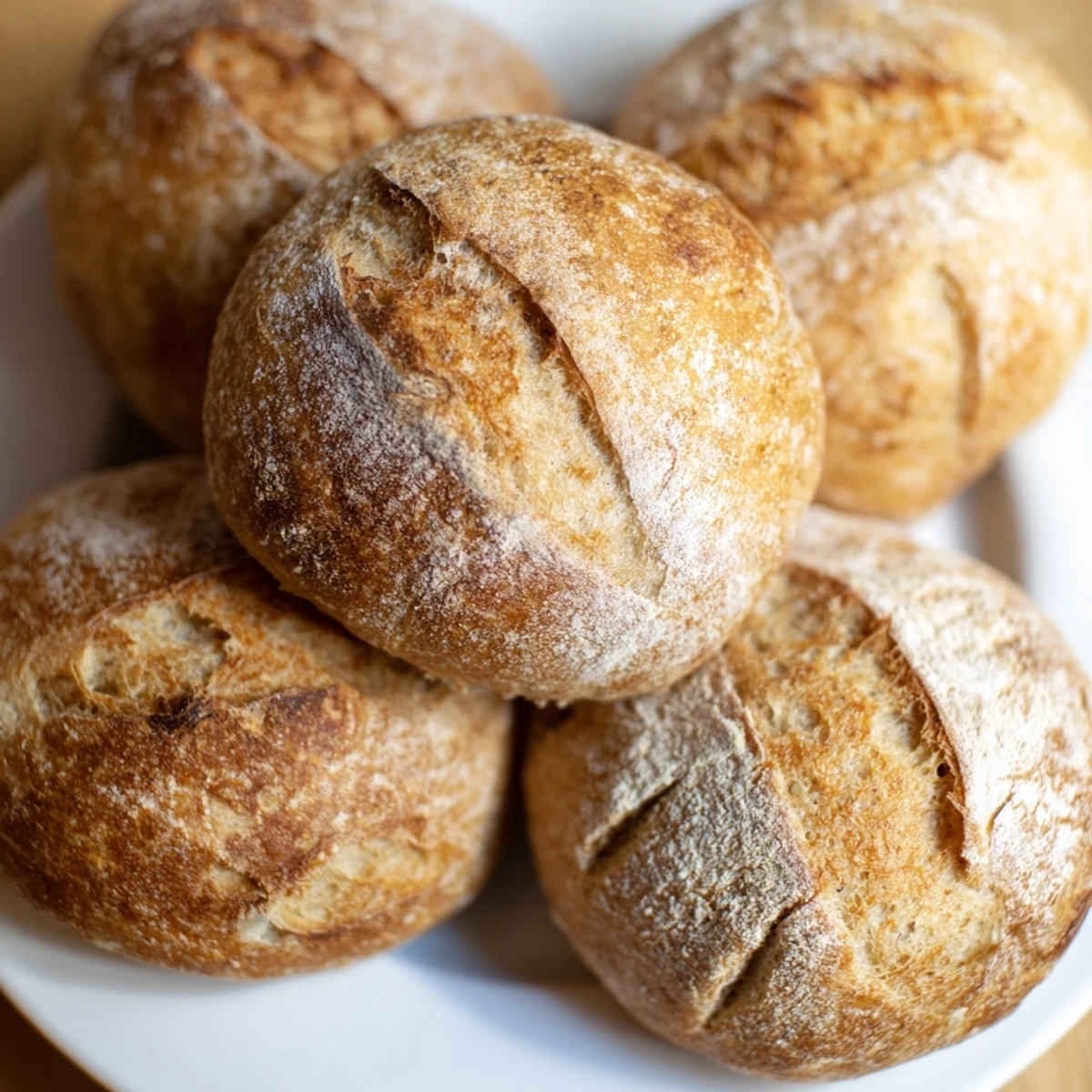
- Dust tops with flour, slash each roll with a sharp knife, then bake for 20 to 25 minutes until deep golden brown. Cool on a wire rack.
 Save
Save My neighbor started texting me on baking days, claiming she can smell the rolls from her backyard. Now I always make extras just in case the scent carries across the fence again.
Getting That Perfect Rise
I used to think my kitchen was too drafty for bread until I learned the oven light trick. Turn on your oven light and place the dough inside, the gentle warmth creates the perfect proofing environment. Just remember to remove it before preheating.
Shaping Secrets
The first time I shaped these rolls, they looked like misshapen potatoes. The trick is creating surface tension by folding the dough edges underneath and rotating against the counter. Smooth, tight tops help them rise evenly and look professionally made.
Storage and Freezing
These rolls freeze beautifully and reheat so well you might think they are freshly baked. Wrap cooled rolls individually in plastic, then freeze in a bag for up to three months. Thaw at room temperature or warm directly from frozen in a 350°F oven.
- Wrap while barely warm if freezing for ultimate freshness
- Slice before freezing for easy sandwich prep
- Avoid refrigerating baked bread, it makes the crust tough
 Save
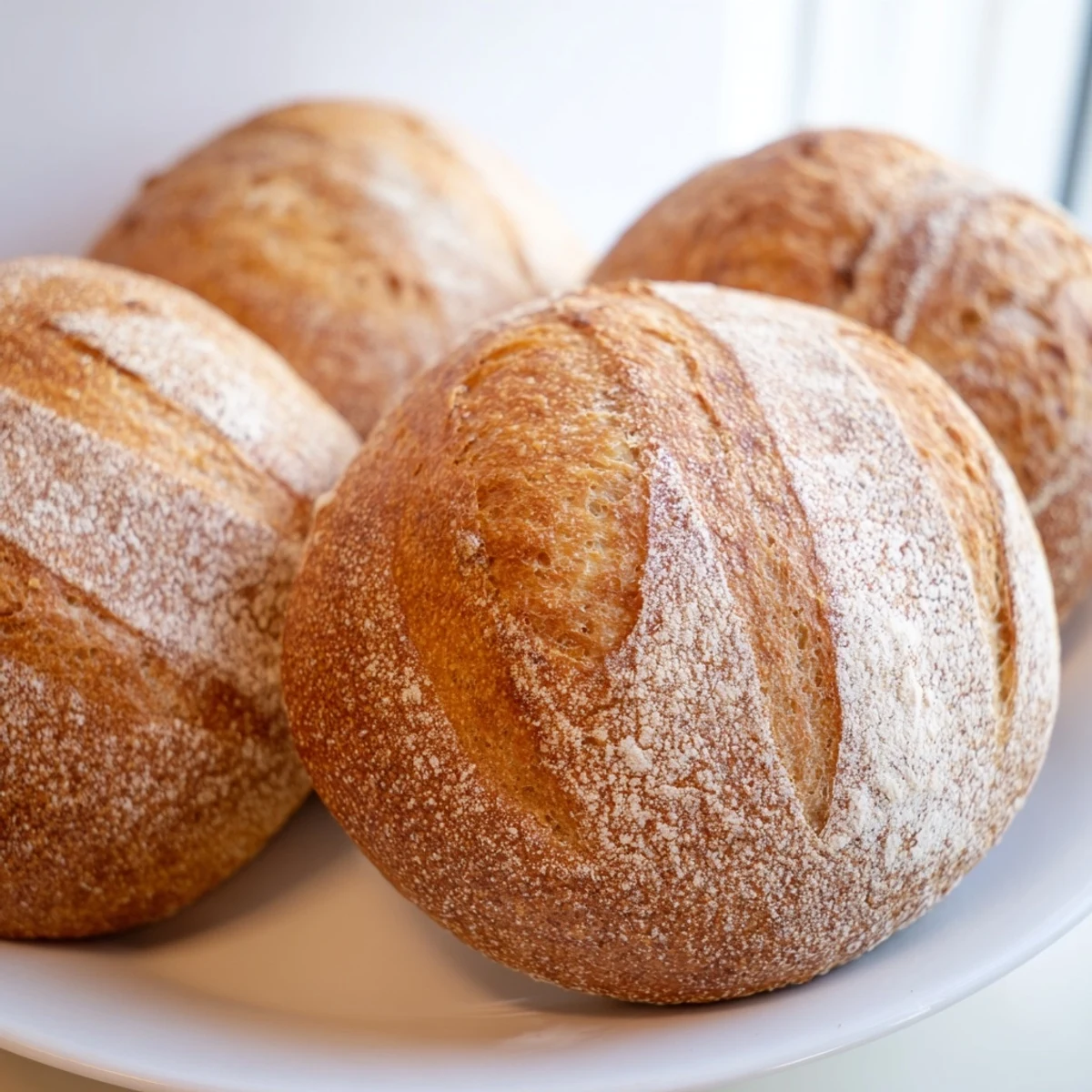
Save Theres nothing quite like tearing into a warm roll with melting butter, especially when you made it yourself. Happy baking, friend.
Recipe Questions & Answers
- → What makes the crust crispy?
-
The steam created by placing a tray of water on the bottom rack generates moisture that helps form a crackly, golden crust. The high oven temperature of 230°C (450°F) also contributes to proper crust development.
- → Can I make these rolls ahead of time?
-
Yes, you can prepare the dough and let it rise in the refrigerator overnight. The slower, cold fermentation actually enhances flavor. Shape and bake the next day when ready.
- → Why is lukewarm water specified?
-
Lukewarm water (about 105-110°F) activates the yeast without killing it. Water that's too hot can destroy the yeast, while cold water slows down activation, resulting in longer rising times.
- → How do I know when the dough has doubled?
-
Press two fingers gently into the dough about ½ inch deep. If the indentation remains, the dough has risen sufficiently. The dough should look puffy and have a smooth, domed surface.
- → Can I use all-purpose flour instead of bread flour?
-
While possible, bread flour's higher protein content creates better structure and chewiness. All-purpose flour will yield softer rolls. For best results, stick with bread flour or use a high-protein alternative.
- → What is the purpose of slashing the rolls before baking?
-
Slashing creates controlled expansion points allowing the dough to rise properly during baking without tearing randomly. It also gives the rolls that classic artisan appearance with raised ridges.