
 Save
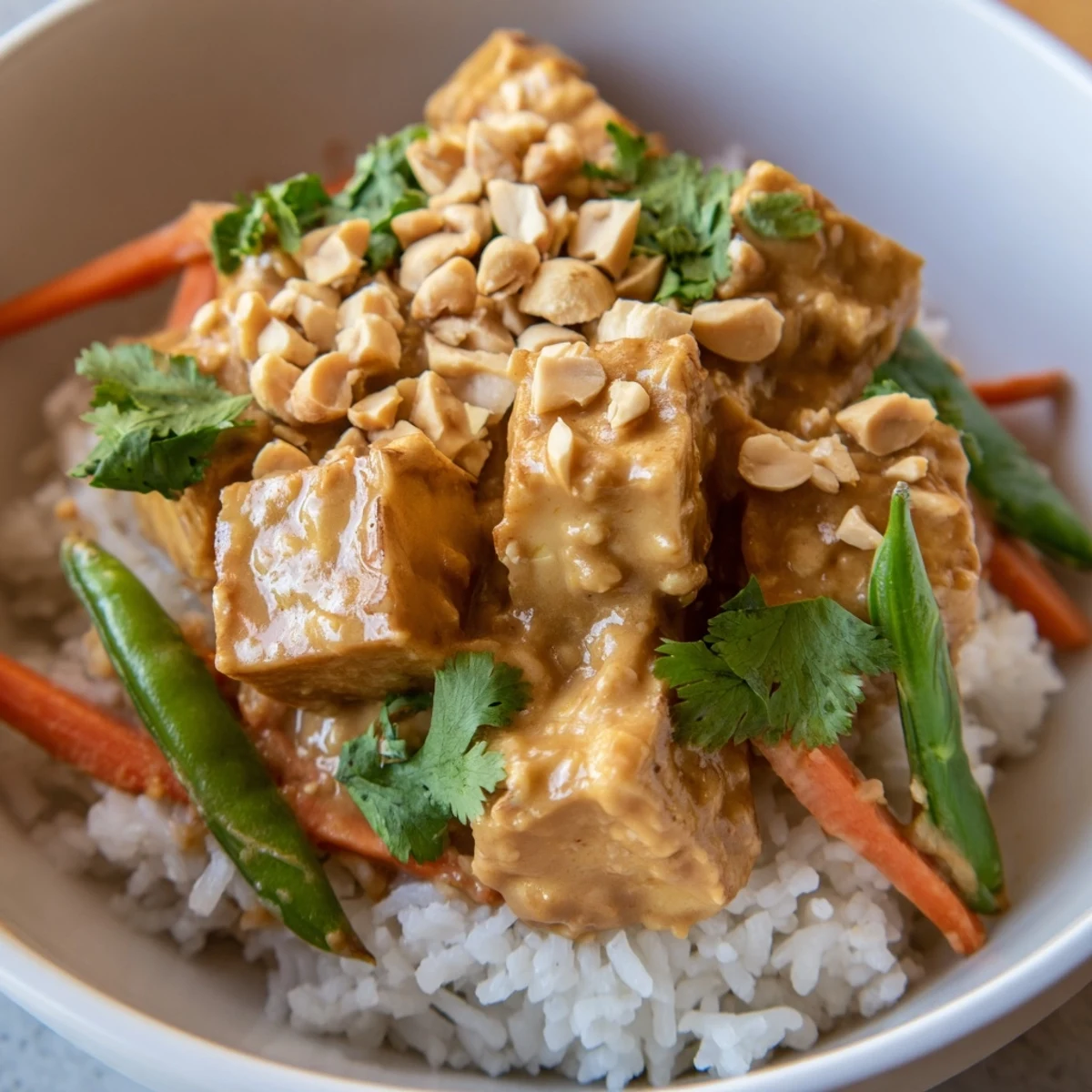
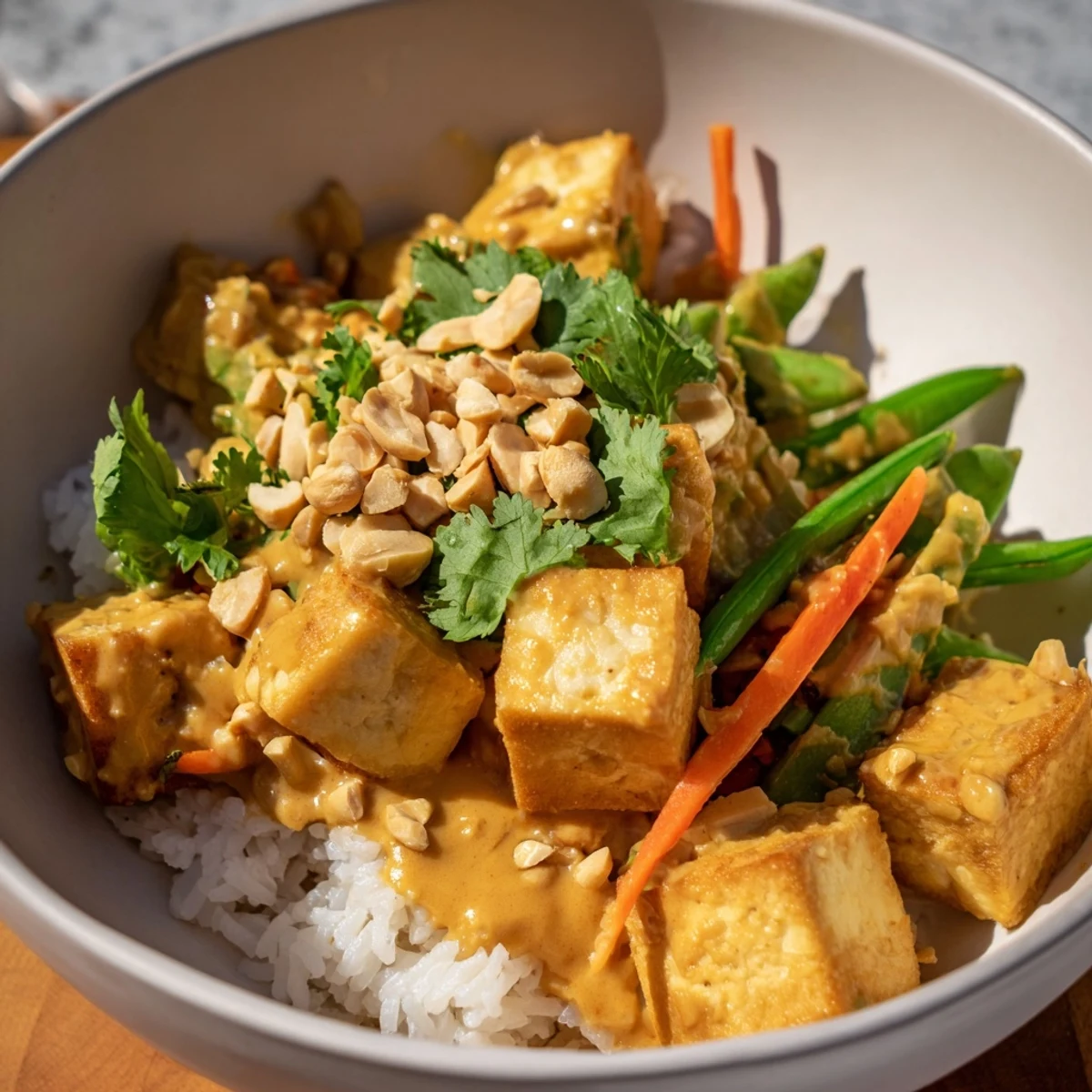
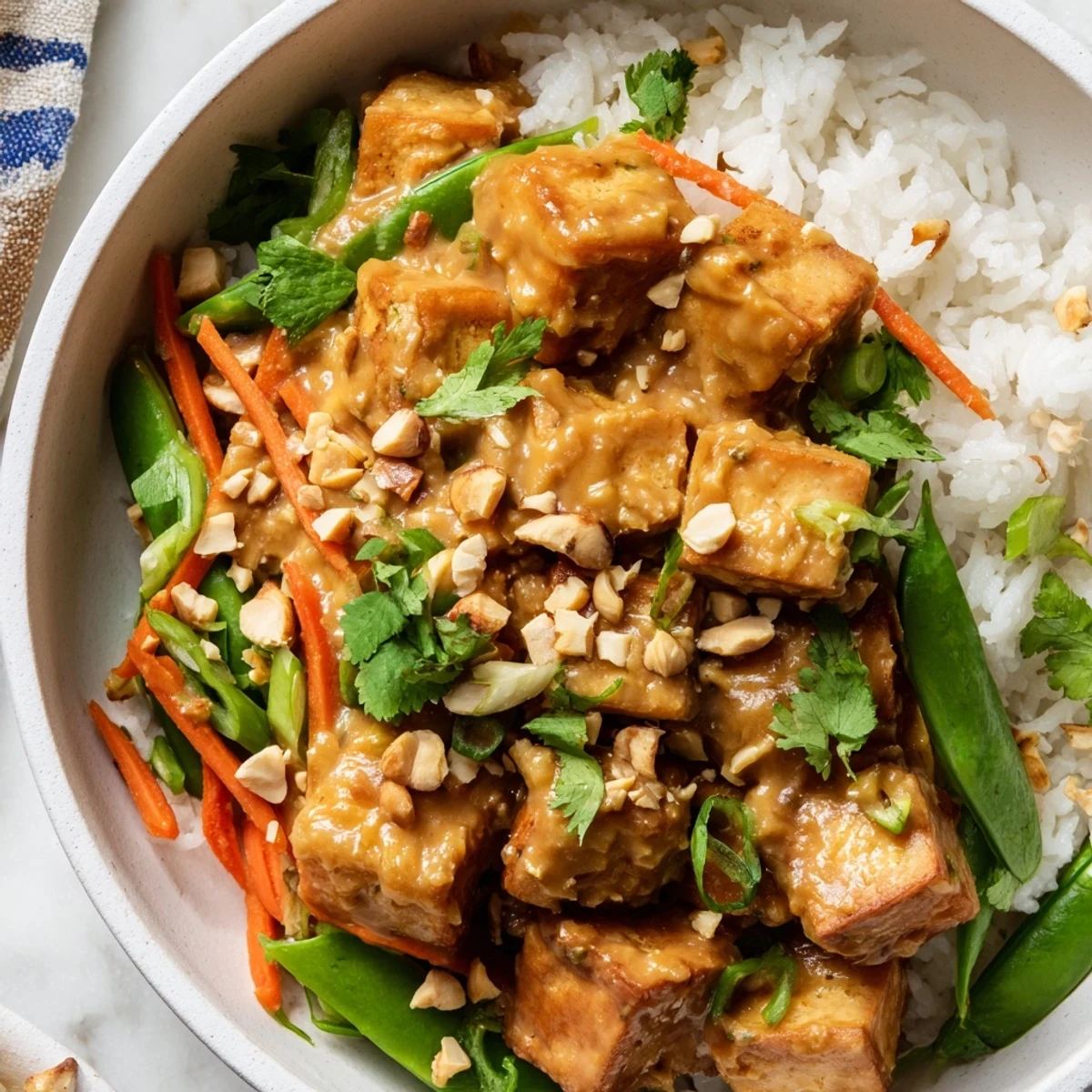
Save This dish features extra-firm tofu pressed and coated with cornstarch, then pan-fried until golden and crispy. A mix of fresh bell peppers, carrots, snap peas, broccoli, and spring onions are stir-fried to tender-crisp perfection. The tofu and vegetables are coated with a smooth, creamy peanut sauce made from peanut butter, soy sauce, maple syrup, garlic, ginger, and sesame oil. Served over steamed jasmine or brown rice and garnished with chopped peanuts, cilantro, and lime wedges, this vibrant meal comes together quickly and is perfect for a satisfying weeknight dinner.
I stumbled onto the magic of crispy tofu during a late-night cooking session when I was trying to prove to a skeptical friend that plant-based didn't mean bland. The key was patience with pressing and a hot enough pan—suddenly, these humble cubes transformed into golden-brown treasures that actually held their own against any protein. That night, watching someone reach for seconds of something they'd written off entirely taught me that texture changes everything.
I made this for my partner's coworkers at a casual lunch gathering, fully expecting it to be politely picked at. Instead, someone asked for the recipe before they'd even finished eating, and that's when I realized this dish had crossed over from "vegetarian option" to genuinely crave-worthy.
Ingredients
- Extra-firm tofu, pressed and cubed: Pressing removes moisture so it fries up crispy instead of steaming; I learned this the hard way after too many batches of soggy disappointment.
- Cornstarch: This is the secret to that crackling exterior—it creates a thin, crispy shell that holds up beautifully.
- Vegetable oil: Use something neutral and heat-tolerant so it doesn't smoke or overpower the delicate tofu.
- Bell peppers and carrots: The sweetness balances the savory sauce and adds color that makes you want to eat with your eyes first.
- Snap peas and broccoli: They stay slightly crisp if you don't overcook them, giving each bite pleasant texture variation.
- Spring onions: Added at the end so they stay bright and fresh-tasting rather than turning soft and mild.
- Creamy peanut butter: The foundation of your sauce—stir it well before measuring so you get actual peanut, not just oil.
- Soy sauce or tamari: This provides saltiness and depth; tamari keeps it gluten-free if that matters to your table.
- Maple syrup or honey: A touch of sweetness rounds out the peanut sauce and makes it feel less one-note.
- Rice vinegar: The acidity cuts through richness and prevents the sauce from tasting flat.
- Toasted sesame oil: Just a teaspoon goes a long way; this ingredient whispers rather than shouts.
- Garlic and ginger: Freshly minced and grated, they brighten everything and keep the sauce from feeling generic.
- Warm water: Added gradually so you control the sauce consistency—thinner for noodles, thicker for rice.
Instructions
- Press your tofu like you mean it:
- Wrap the block in a clean kitchen towel, set it on a plate, and weight it down with something heavy for at least 10 minutes. You'll be amazed at how much liquid comes out, and this step is absolutely non-negotiable for crispy results.
- Coat with cornstarch:
- Toss the cubes in a bowl with cornstarch until every surface is lightly dusted. This creates that coveted crispy exterior that makes tofu actually crave-worthy.
- Get the pan screaming hot:
- Heat your oil over medium-high heat until it shimmers and almost smokes. You'll know it's ready when a cube sizzles immediately; this is where the magic happens.
- Fry the tofu until golden:
- Add cubes carefully to avoid splashing, then resist the urge to move them around constantly. Let each side sit for 2-3 minutes until it turns golden brown before turning, about 8-10 minutes total. Patience here means better texture.
- Stir-fry the vegetables:
- In the same pan, add your peppers, carrots, snap peas, and broccoli and cook for 4-5 minutes, stirring frequently so everything cooks evenly but stays slightly crisp. Toss in the spring onions at the very end so they don't turn to mush.
- Whisk the sauce until silky:
- Combine peanut butter, soy sauce, maple syrup, rice vinegar, sesame oil, garlic, and ginger in a bowl. Whisk slowly while adding warm water a tablespoon at a time until you reach that perfect pourable consistency—like a thin gravy.
- Bring it all together:
- Return the crispy tofu to the pan, pour the sauce over everything, and toss gently to coat. The tofu stays crispy on the edges while absorbing that incredible peanut sauce flavor.
- Plate and garnish:
- Spoon everything over steamed rice, then top with chopped peanuts, fresh cilantro, and a lime wedge for brightness. That lime juice ties the whole dish together and makes it sing.
 Save
Save There's a moment about halfway through cooking when the kitchen smells like toasted sesame and peanuts, the pan is sizzling, and you realize this humble plant-based dinner is about to impress someone who thought they didn't like tofu. That's the moment I fell in love with this recipe.
The Crispy Tofu Secret
The difference between tofu that feels indulgent and tofu that feels like penance comes down to three things: moisture removal, hot oil, and patience. I've ruined countless batches by trying to rush this or by using firm tofu instead of extra-firm. The cornstarch isn't just a coating—it's actually absorbing any residual moisture and creating a protective barrier that keeps the inside tender while the outside shatters slightly when you bite into it. Once I stopped treating this step as optional, every batch came out golden.
Building Your Peanut Sauce
The peanut sauce is where this dish becomes more than just vegetables and tofu. The balance between creamy peanut butter, salty soy sauce, and bright vinegar with warm sesame oil creates something that tastes restaurant-quality. I learned the hard way that if you skip the ginger or use powdered instead of fresh, the sauce tastes flat and one-dimensional. The warm water should be added gradually while whisking—rushing this or using cold water makes the peanut butter clump instead of emulsifying into something silky and smooth.
Vegetable Selection and Texture
The vegetables here aren't just filler—they're chosen specifically for how they cook and taste when stir-fried hot and fast. The key is understanding that broccoli takes longer than snap peas, so adding everything at once but pulling it off the heat while vegetables still have a slight crunch prevents them from turning into sad, mushy disappointment. You can absolutely swap in mushrooms, zucchini, or baby corn depending on the season, but respect the cooking times: harder vegetables first, tender ones near the end.
- Cut everything into similarly sized pieces so they cook evenly and your bites stay balanced.
- Keep the pan moving and don't crowd it—overcrowding drops the temperature and steams instead of frying.
- The spring onions go in last to stay fresh, bright, and slightly crisp rather than turning soft and sweet.
 Save
Save This dish has become my go-to when I want to cook something that feels special without the stress, and it's opened a lot of minds about what plant-based eating can actually taste like. Serve it warm over rice with that lime wedge, and watch people go back for seconds.
Recipe Questions & Answers
- → How do I make tofu crispy?
-
Press the tofu to remove excess moisture, coat it evenly with cornstarch, and pan-fry in hot vegetable oil until golden and crispy on all sides.
- → Can I use a different sauce instead of peanut?
-
Yes, you can substitute the peanut sauce with alternatives like tahini-based sauces or a light soy-ginger glaze, depending on your preference.
- → What vegetables work best in stir fry?
-
Bell peppers, carrots, snap peas, broccoli, and spring onions provide a vibrant mix of textures and flavors while cooking quickly to a tender-crisp finish.
- → How can I make this dish gluten-free?
-
Use tamari or a gluten-free soy sauce option to keep the peanut sauce free of gluten-containing ingredients.
- → Any tips for adding more heat?
-
Add a pinch of chili flakes or a dash of sriracha to the peanut sauce for a spicy kick to balance the creamy flavors.
- → What sides pair well with this dish?
-
Steamed jasmine or brown rice is the classic accompaniment, helping to soak up the flavorful sauce and complement the stir-fry.