
 Save
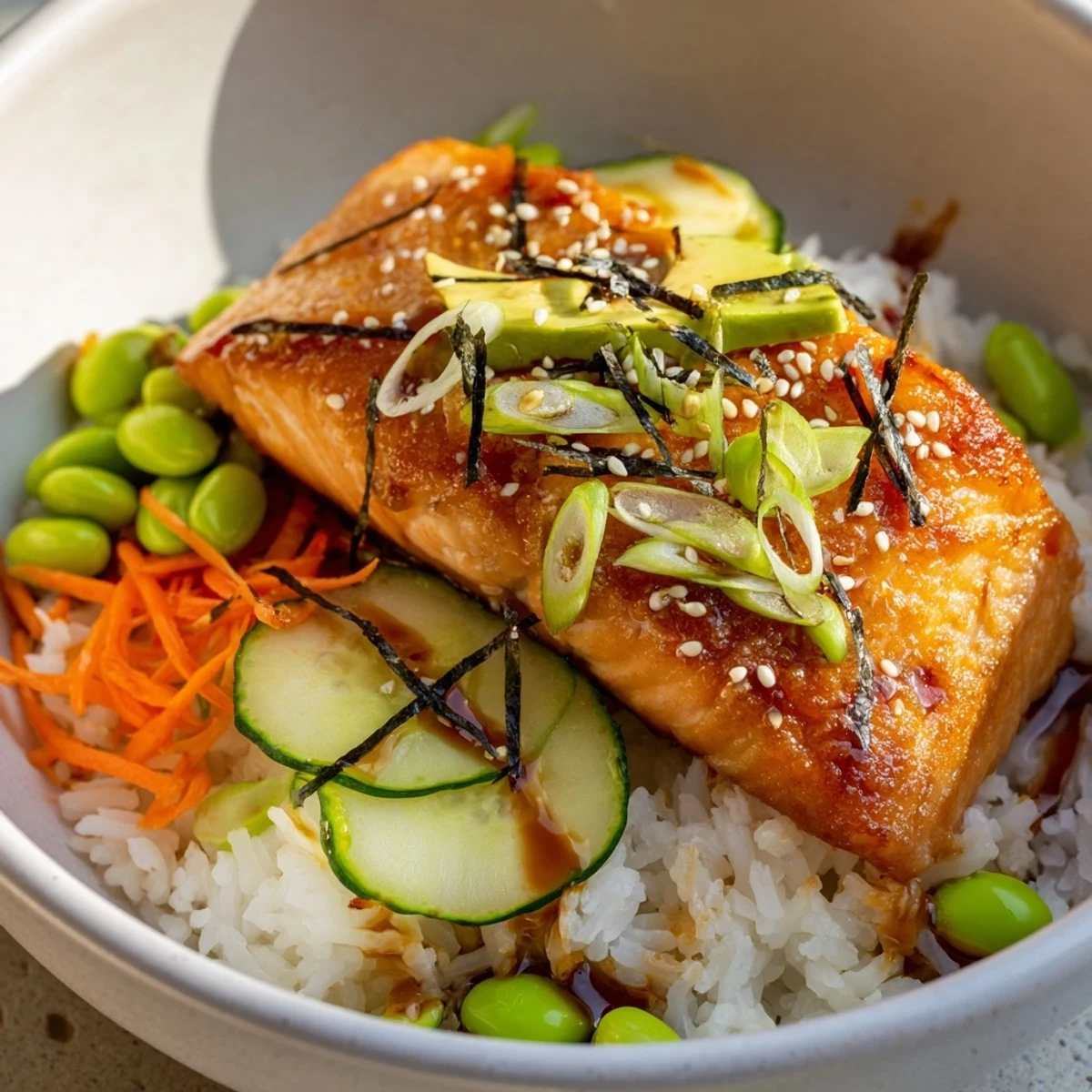
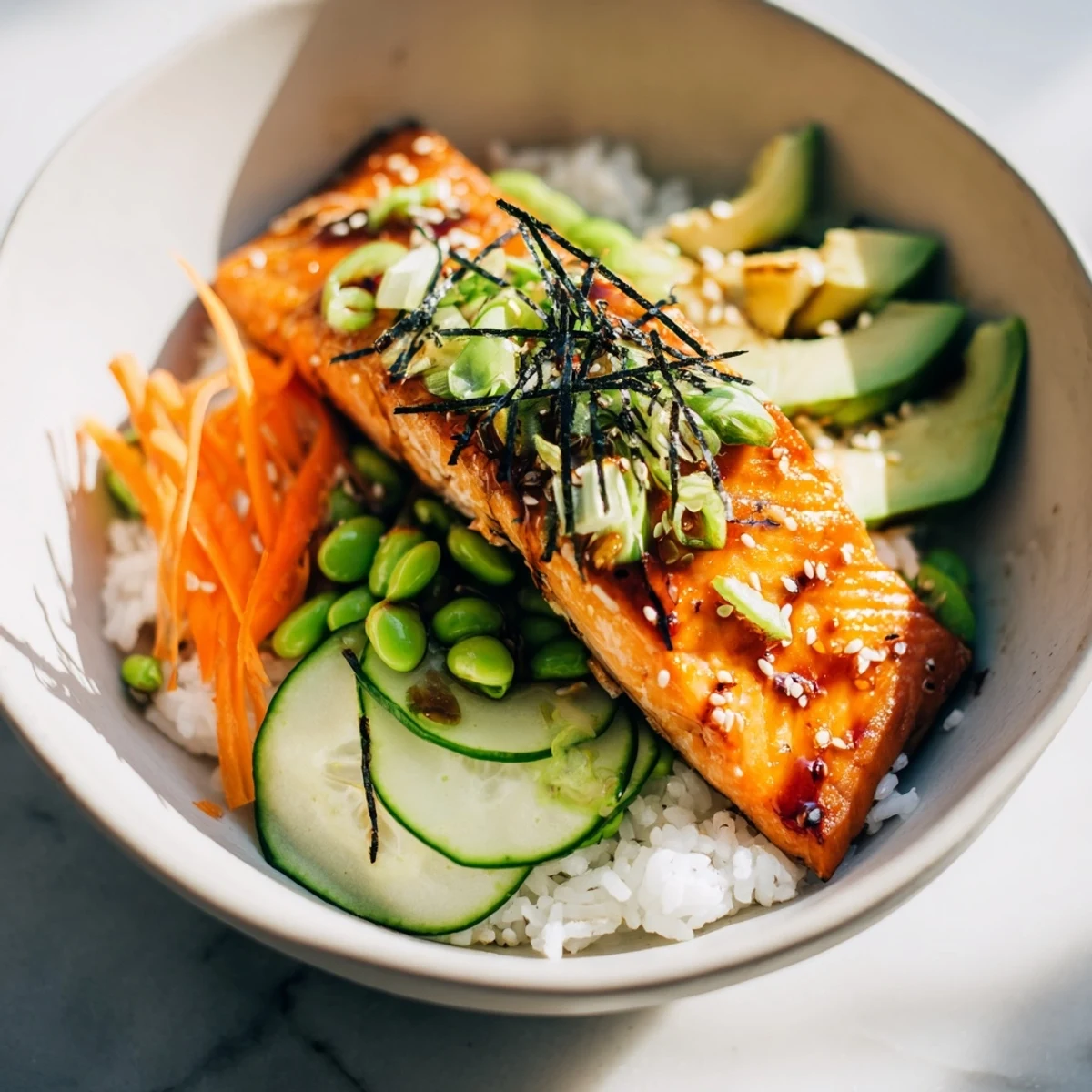
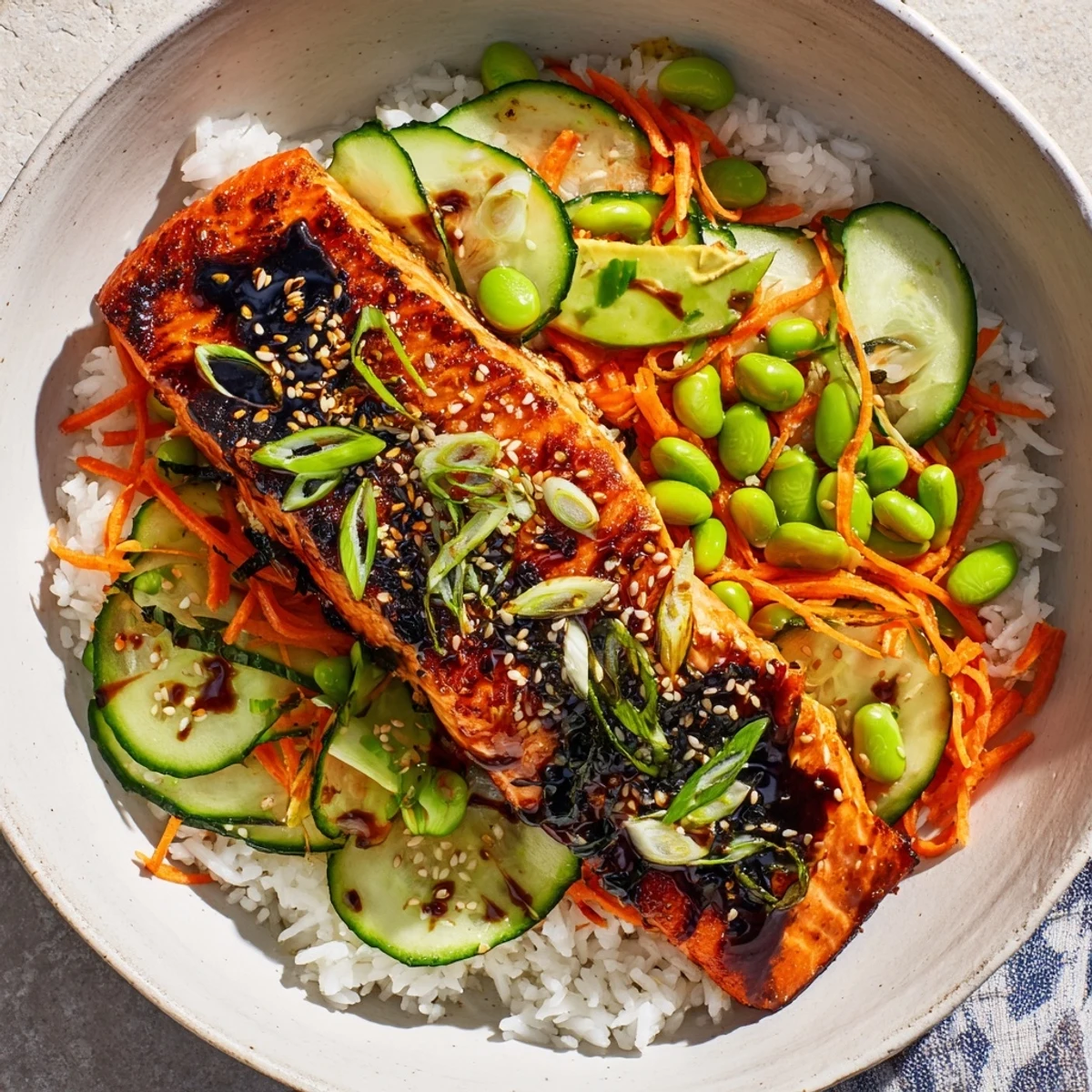
Save This vibrant bowl features perfectly crispy salmon fillets with golden, crackling skin resting on a bed of fluffy jasmine rice. The fish gets a quick marinade in soy sauce and sesame oil, then lightly dusted with cornstarch to ensure that signature crunch. Fresh vegetables like crisp cucumber, sweet julienned carrots, creamy avocado, and tender edamame add color and texture to every bite.
The homemade sauce brings everything together with a balance of salty soy, tangy rice vinegar, sweet honey, and a kick of fresh ginger. A optional drizzle of sriracha adds gentle heat for those who enjoy spice. Finished with aromatic scallions, nutty sesame seeds, and delicate nori strips, each bowl offers layers of flavor and satisfying crunch.
Ready in just 35 minutes, this bowl proves that wholesome, pescatarian meals can be both nutritious and incredibly delicious. The crispy skin salmon provides omega-3 rich protein while the rice and vegetables create a complete, nourishing dinner that leaves you feeling satisfied.
I discovered this bowl on a busy weeknight when takeout felt like the only option, but a quick fridge raid proved otherwise. The salmon skin crackled in a way that made my kitchen smell like a tiny restaurant, and suddenly dinner felt special instead of rushed.
My roommate walked in mid-cooking and immediately asked what smelled so incredible, hovering around the stove until I finally handed her a fork. We ended up eating standing up, too excited to bother with proper plates, barely talking between bites except to say you need to make this again.
Ingredients
- 4 skin-on salmon fillets: The skin is the best part, so do not let anyone talk you into skinless
- 1 tbsp soy sauce: Use tamari if you need this gluten-free, it works just as beautifully
- 1 tbsp sesame oil: Toasted sesame oil adds that deep nutty flavor you cannot fake
- 1 tbsp cornstarch: This is the secret to restaurant-crisp skin that does not get soggy
- Salt and pepper: Be generous, salmon needs proper seasoning to shine
- 2 cups jasmine or sushi rice: Short-grain rice clings together perfectly for bowl-style eating
- 4 cups water: The classic ratio, though I sometimes add a splash extra for fluffier results
- Pinch of salt: Just enough to wake up the rice without making it salty
- 1 cup cucumber: Thin slices bring a cool crunch that balances the warm salmon
- 1 cup carrot: Julienned means matchstick thin, so they bend instead of crunch
- 1 avocado: Ripe but still firm slices hold their shape better in the bowl
- ½ cup edamame: These little green beans add protein and the prettiest pop of color
- 2 scallions: Both white and green parts, finely sliced for mild onion flavor
- 1 tbsp toasted sesame seeds: Toast them in a dry pan for 2 minutes if you buy them raw
- 1 sheet nori: Totally optional, but those seaweed strips make it feel fancy
- 3 tbsp soy sauce: The base of your sauce, so use a brand you actually like
- 1 tbsp rice vinegar: Bright and mild, nothing else quite works the same way
- 1 tbsp honey or maple syrup: Just enough sweetness to balance the salty soy
- 1 tsp sriracha: Leave it out if you are heat-sensitive, but it adds lovely depth
- 1 tsp grated fresh ginger: Fresh is non-negotiable here, powdered ginger will not cut it
Instructions
- Get your rice going first:
- Rinse the rice in cold water until it runs clear, then combine it with water and salt in a pot. Bring to a boil, cover, reduce heat to low, and let it simmer gently for 12 to 15 minutes until all the water disappears. Fluff it up with a fork and keep it warm while everything else happens.
- Prep the salmon for maximum crisp:
- Pat the salmon completely dry with paper towels, because water is the enemy of crispy skin. Mix the soy sauce, sesame oil, salt, and pepper, then brush it all over the fish. Dust only the skin side with cornstarch, tapping off any excess.
- Cook the salmon skin-side down:
- Heat a nonstick skillet over medium-high heat until it is properly hot, then place the salmon skin-side down. Press gently with a spatula for the first minute so the skin makes full contact, then cook for 4 to 5 minutes until it is audibly crispy. Flip carefully and cook for 2 to 3 more minutes until the fish is opaque throughout.
- Prep your vegetables while the salmon cooks:
- Slice your cucumbers thin, julienne the carrots into matchsticks, slice that avocado, and steam your edamame if it is not already cooked. Everything should be ready to go before you start assembling.
- Whisk together the sauce:
- Combine the soy sauce, rice vinegar, honey, sriracha if you are using it, and grated ginger in a small bowl. Whisk until the honey dissolves completely and everything is emulsified.
- Build your bowls:
- Divide the warm rice between four bowls, then arrange the vegetables, edamame, and avocado on top. Place a salmon fillet on each bowl, drizzle with that sauce you just made, and finish with scallions, sesame seeds, and nori strips.
 Save
Save This recipe became my go-to for friends who claim they do not know how to cook fish, because the method is so forgiving and the results are consistently impressive. Something about serving food in bowls makes everything feel more communal and relaxed, like we are all in this together.
Making It Your Own
I have swapped quinoa for the rice when I needed extra protein, and brown rice works beautifully if you do not mind the longer cooking time. The salmon is forgiving, but do not skip the cornstarch step, that is what makes it feel like restaurant food.
Sauce Adjustments
The sauce recipe is balanced, but I have doubled the sriracha for heat-lovers and swapped maple syrup for honey when I ran out. Add a teaspoon of miso paste for extra umami, or squeeze in fresh lime juice at the end for brightness.
Timing Everything Right
The rice can stay warm in the covered pot while you cook the salmon, so do not stress about timing. Slice all your vegetables before you turn on the stove, because the salmon cooks fast and you do not want to be chopping while fish is burning.
- Set out all your toppings in small bowls before you start
- Warm your serving bowls if you want everything to stay hot longer
- Have the sauce whisked and ready before the salmon hits the pan
 Save
Save This bowl has saved so many weeknights from being boring or takeout-dependent, and it always feels like a proper meal instead of something thrown together. Hope it becomes a regular in your rotation too.
Recipe Questions & Answers
- → How do I get crispy skin on the salmon?
-
Pat the salmon fillets completely dry before cooking. Dust the skin side lightly with cornstarch, which helps create a barrier and promotes crisping. Cook skin-side down in a hot nonstick skillet for 4-5 minutes, pressing gently with a spatula to ensure the skin stays in contact with the pan. Don't flip too early—wait until you see the skin turning golden and crispy around the edges.
- → Can I make the rice ahead of time?
-
Yes, you can prepare the rice up to 2 days in advance. Store it in an airtight container in the refrigerator. When ready to serve, reheat the rice with a splash of water in the microwave or in a covered pot over low heat. Fluff with a fork before assembling the bowls to restore the texture.
- → What other vegetables work well in this bowl?
-
Beyond cucumber and carrot, try adding thinly sliced radishes for crunch, pickled ginger for tang, shredded purple cabbage for color, or steamed broccoli florets for extra nutrition. Roasted sweet potato cubes, sautéed bok choy, or fresh sugar snap peas also complement the salmon and sauce beautifully.
- → Is this bowl gluten-free?
-
The traditional version contains gluten from the soy sauce. To make it gluten-free, substitute tamari or coconut aminos for both the marinade and the sauce. Also ensure the cornstarch is certified gluten-free, as some brands process cornstarch in facilities that handle wheat. All other ingredients naturally fit a gluten-free diet.
- → Can I use other types of fish?
-
While salmon works exceptionally well due to its natural oils and sturdy skin, you can substitute with other skin-on fish like arctic char, rainbow trout, or sea bass. These varieties crisp up nicely and offer similar textures. Avoid very delicate white fish as the skin may not achieve the same crispy results, and the fillets might break apart during cooking.
- → How long does the sauce keep in the refrigerator?
-
The homemade soy-ginger sauce stays fresh in an airtight container in the refrigerator for up to one week. The ingredients are shelf-stable and the flavors may even meld better over time. Give it a good whisk before using, as the honey may settle at the bottom. You can make a double batch to have it ready for quick meals throughout the week.