
 Save
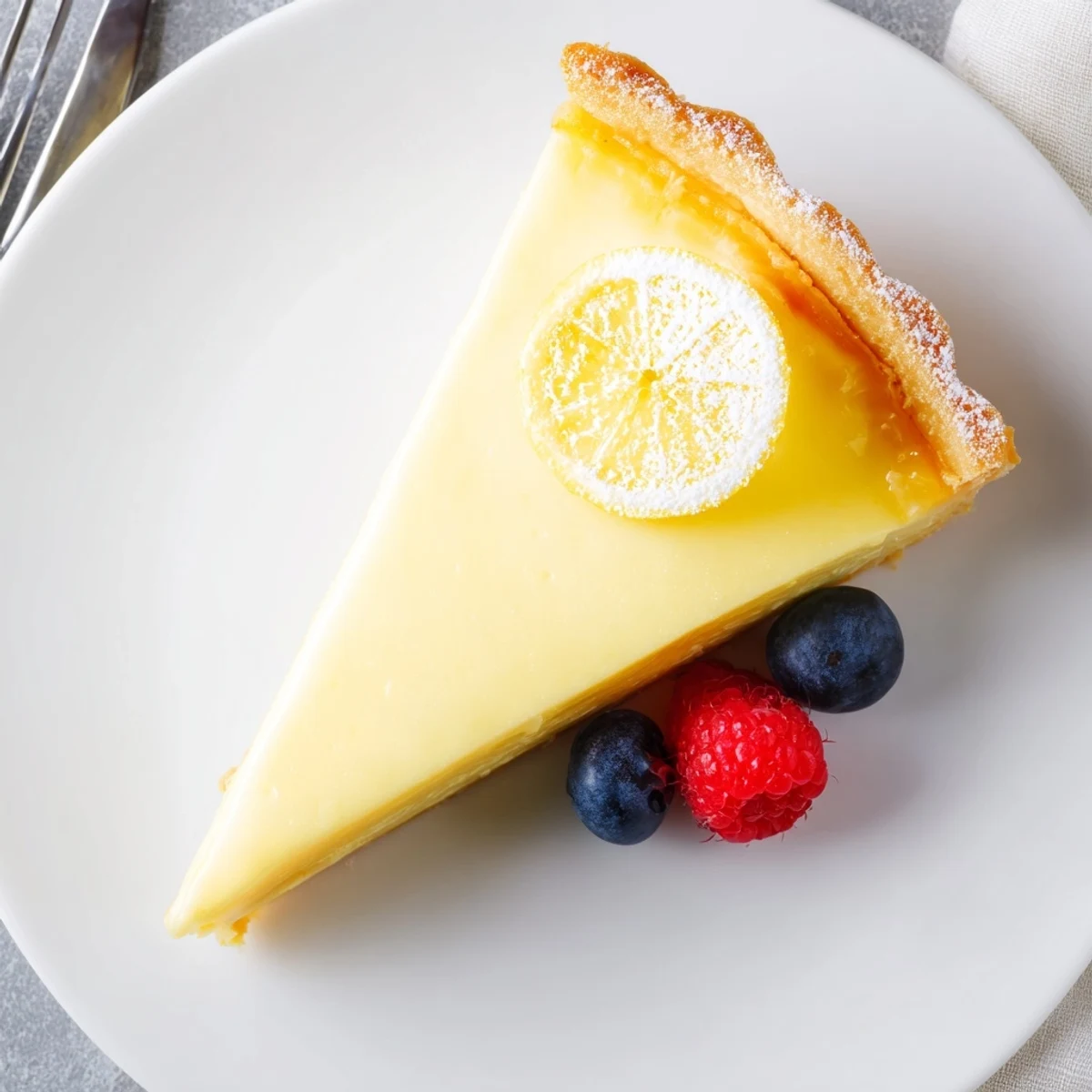
Save Make a crisp, buttery shell by pulsing flour, powdered sugar and cold butter, then bind with an egg yolk, chill and blind-bake until golden. Whisk heavy cream, sugar, whole eggs, yolks, lemon zest and juice until smooth; pour into the warm shell and bake gently until edges set and center is slightly jiggly. Cool fully and refrigerate to firm the filling, then dust and garnish.
There’s a particular hush that falls over my kitchen when lemon zest hits the cutting board—a bright, citrusy promise of something special. I remember a spring afternoon when I first assembled this tart, sunlight flickering across the counter as I tried not to sneak tastes of the creamy filling before it was ready. The blend of tang and silkiness, somehow both elegant and comforting, immediately won me over. It’s now my go-to dessert whenever I want to feel a little bit fancy without too much fuss.
The first time I served this tart at a tiny dinner party, it disappeared slice by slice before I had a chance to sit down. Someone asked if I’d bought it at the new French bakery—still my favorite cooking compliment to this day.
Ingredients
- All-purpose flour: I like to sift it for the lightest crust; don’t skip that for tenderness.
- Powdered sugar: Adds sweetness and the finest crumb to the pastry base.
- Salt: Just a pinch sharpens all the other flavors; don’t leave it out.
- Unsalted butter (cold and cubed): The colder the better for that shatteringly flaky crust; cut it in quickly.
- Large egg yolk (for crust): Gives richness and helps bind the dough without making it tough.
- Cold water: Use just enough for the dough to hold, stopping before it gets sticky.
- Heavy cream: This is where the filling gets its luscious, smooth texture; full-fat is non-negotiable here.
- Granulated sugar: Sweetens and balances the tartness of all that lemon.
- Eggs and egg yolks (for filling): The extra yolks add unbeatable creaminess and a sunny color.
- Finely grated lemon zest: The secret to bold, aromatic flavor—use a microplane for best results.
- Fresh lemon juice: Bottled just can't deliver that zippy brightness, so squeeze the real thing.
- Pinch of salt (for filling): Rounds out the tanginess for sophisticated flavor.
- Powdered sugar & fresh berries or candied lemon slices (for garnish): Optional, but absolutely lovely for visual flair and a hint of sweetness.
Instructions
- Preheat with purpose:
- Set your oven to 350°F (175°C) so it’s hot and ready when the crust is formed; you’ll feel the cozy warmth fill the room.
- Blitz the crust:
- In a food processor, combine flour, powdered sugar, and salt, then pulse with cubes of cold butter until the mix resembles crumbs—each pulse is the sound of flakiness forming.
- Bring the dough together:
- Add the egg yolk and two tablespoons cold water, pulsing just until clumps start to appear; drizzle in an extra spoon of water only if you must.
- Shape and chill:
- Transfer the dough onto a floured surface, gather it into a disk, wrap it up, and let it rest in the fridge for half an hour; I use this break to zest my lemons and sneak a peek at my favorite playlist.
- Roll and press:
- Once chilled, roll the dough to about 1/8-inch thick, carefully ease it into your tart pan, and use your knuckles to gently push it into the edges—then trim, prick, and freeze again for ten minutes.
- Blind baking magic:
- Cover the crust with parchment and fill it with pie weights or beans; bake for 15 minutes, remove weights, then let it finish turning golden for about another 10 minutes.
- Prepare the filling:
- Lower the oven to 300°F (150°C), then whisk cream, sugar, eggs, extra yolks, lemon zest, juice, and a pinch of salt until you have a glossy, bright-yellow batter with an uplifting aroma.
- Fill and bake:
- Pour the filling into your slightly cooled crust and bake until the edges are set but the center still jiggles just a bit—about 20 to 25 minutes, watch it carefully during the final stretch.
- Chill for patience:
- Let the tart cool fully, then chill for at least an hour; the hardest part is not sneaking a forkful.
- Final flourishes:
- Right before serving, dust with powdered sugar and scatter on some berries or lemon slices for a dessert that looks as fresh as it tastes.
 Save
Save This tart unexpectedly stole the spotlight at a birthday picnic—friends wandering back for seconds, the last sliver disappearing before anyone could ask who brought it. In that moment, dessert became the main event.
How to Make the Perfect Creamy Lemon Tart Crust
The trick to that snappy crust is super-cold butter and minimal handling; I start with chilled hands (sometimes running my wrists under cold water first). If the dough cracks a bit in the pan, just patch it up—no one will notice after baking.
Lemon Filling Secrets
You’ll get the brightest flavor using lemons at their juiciest, and zesting before you juice them saves the hassle of handling slippery halves. Whisk the filling until smooth, but don’t overdo it—gentle mixing keeps the texture luscious instead of airy.
Finishing Touches Worth the Effort
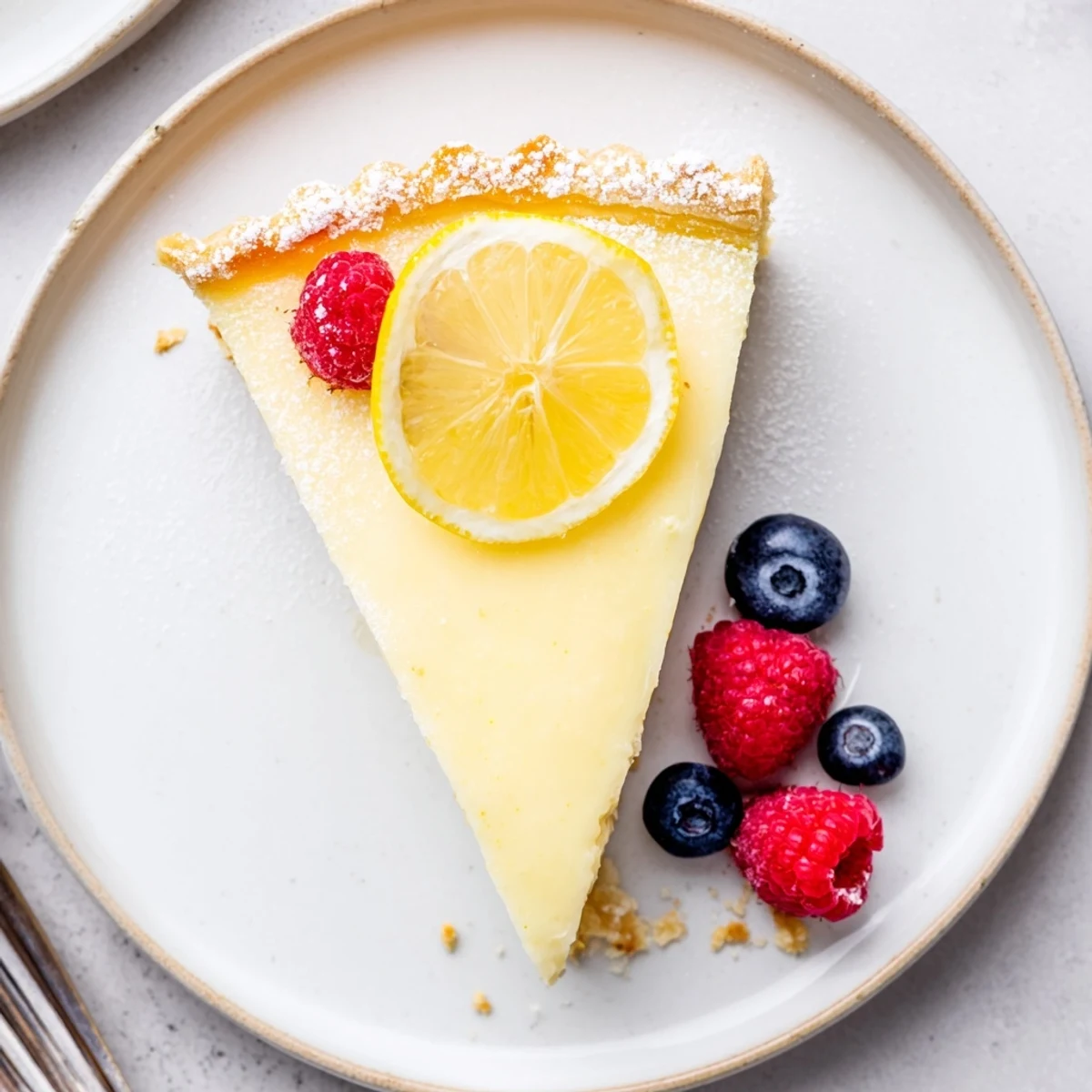
Dusting powdered sugar in a crisscross pattern or piling on berries always draws a few wows at the table, and adds extra charm. The tart flavor holds its own against sweetened whipped cream too.
- Lemon zest curls make a fun, edible decoration if you have a few extra minutes.
- Let your tart warm up for ten minutes at room temp before slicing for clean edges.
- Chilled leftovers are even better the next day—if you happen to have any.
 Save
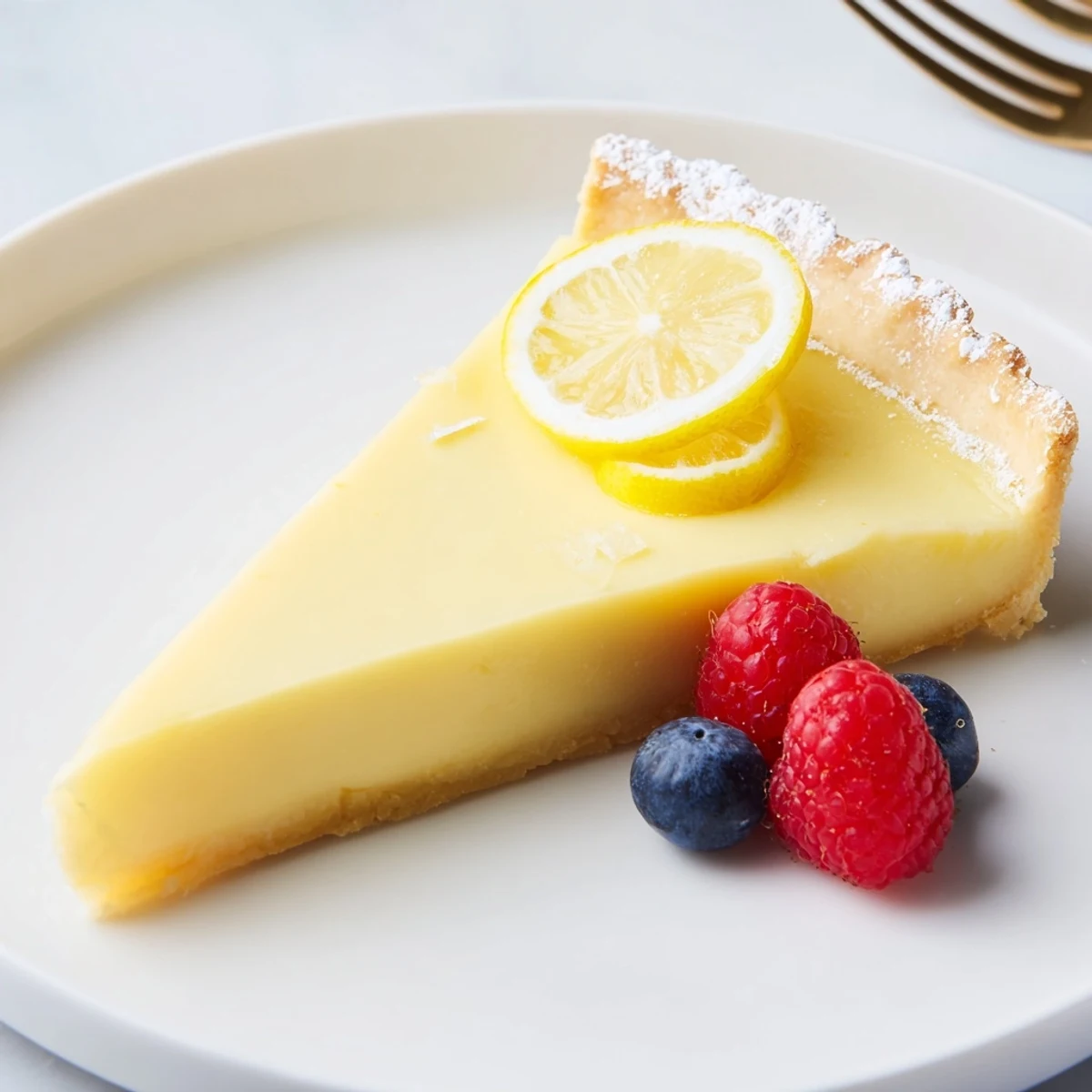
Save I hope this creamy lemon tart brings a bit of sunshine to your table as it always does to mine. There's something magical about sharing slices of something homemade with people you love.
Recipe Questions & Answers
- → How do I ensure a crisp tart crust?
-
Keep butter very cold and pulse briefly to create pea-sized lumps, chill the dough before rolling, blind-bake with parchment and weights to set the structure, and prick the base to prevent bubbles.
- → What oven temperatures should I use for baking?
-
Blind-bake the crust at 350°F (175°C) until golden, then lower the oven to 300°F (150°C) to bake the lemon filling gently so it sets without curdling or cracking.
- → How can I balance tartness without losing brightness?
-
Adjust sugar slightly to taste, use a mix of zest and juice so you retain aromatic oils, and add a pinch of salt to round flavors while keeping the lemon vibrant.
- → Can I swap heavy cream for another ingredient?
-
For a similar richness, use full-fat crème fraîche or mascarpone thinned with a little milk; avoid very low-fat milks which can make the filling loose and less silky.
- → How long should the tart chill before serving?
-
Cool to room temperature, then refrigerate at least one hour to fully set the custard filling; longer chilling improves sliceability and flavor melding.
- → Tips for a gluten-free crust?
-
Use a reliable gluten-free flour blend with a touch of xanthan or add almond flour for structure, keep the dough cold, and blind-bake a bit longer while watching for browning.