
 Save
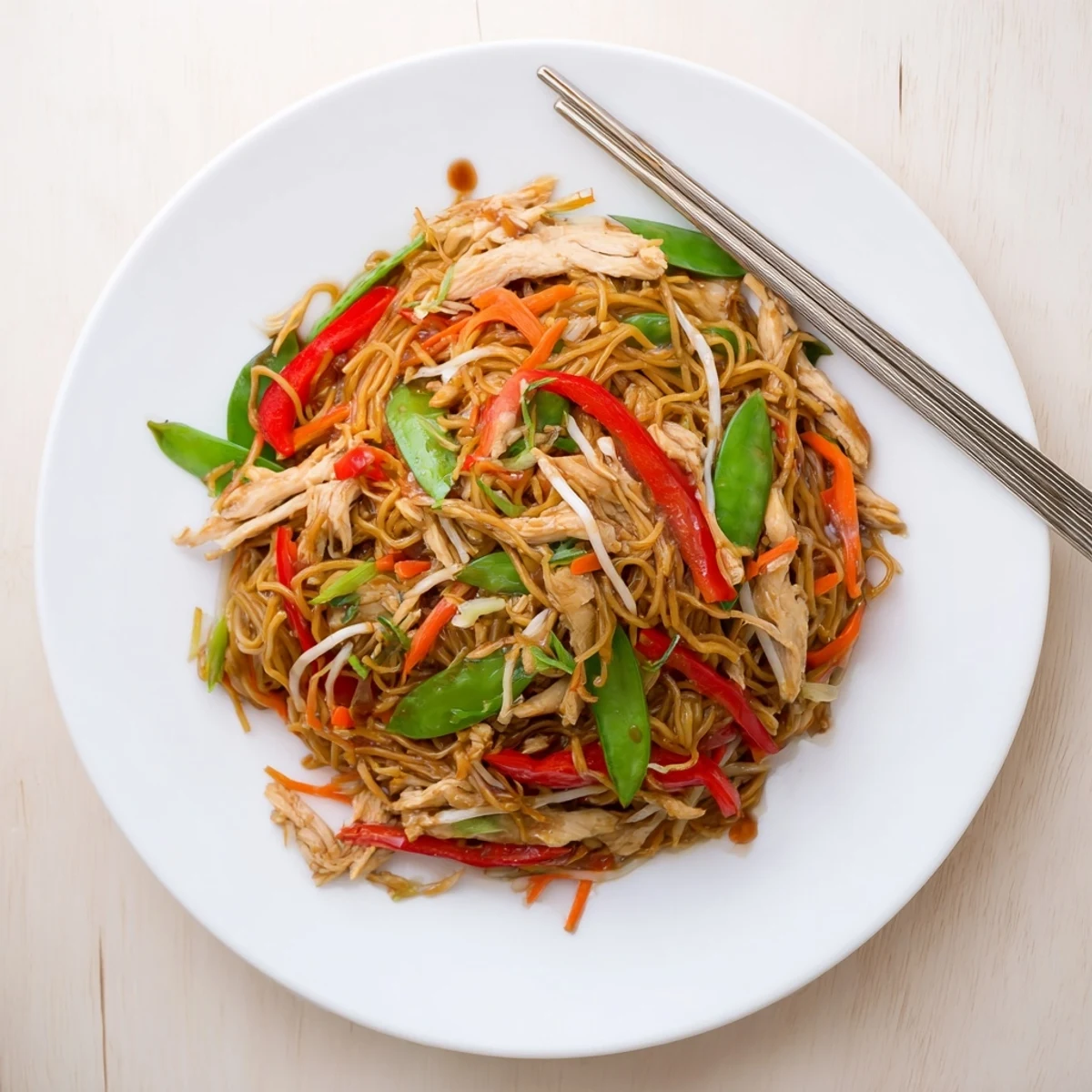
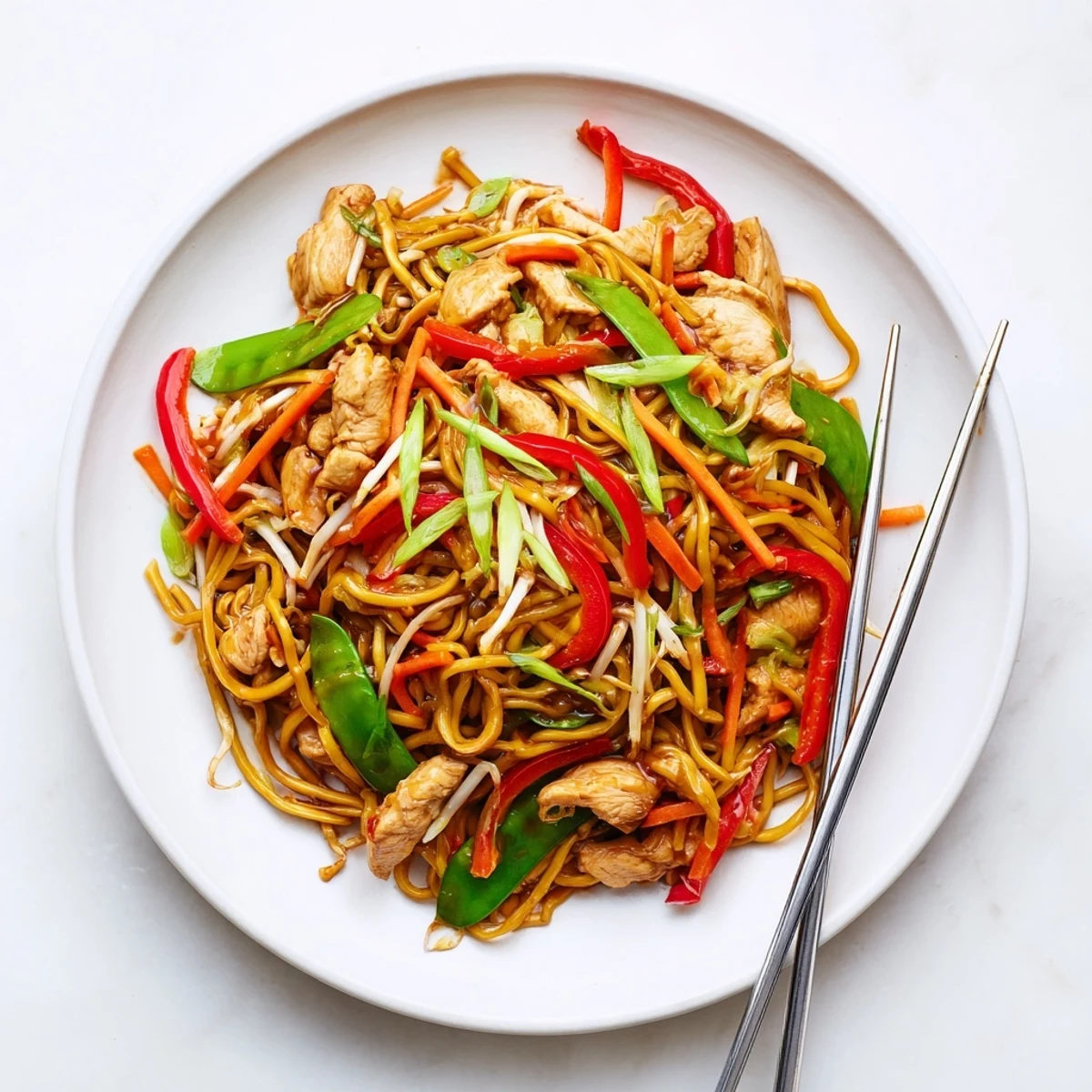
Save This classic Chinese noodle dish delivers restaurant-quality results in just 35 minutes. Thinly sliced chicken breast gets marinated in soy sauce and sesame oil, then quickly stir-fried with colorful vegetables like bell peppers, carrots, snow peas, and bean sprouts. The homemade sauce combines soy, oyster sauce, and hoisin for that authentic umami flavor. Egg noodles are cooked until perfectly tender, then tossed with everything over high heat until each strand is coated in the glossy savory sauce.
The technique involves quick high-heat cooking to maintain the crisp-tender texture of vegetables while ensuring the chicken stays juicy. Perfect for meal prep and easily customizable with your favorite proteins or vegetables, this dish comes together in one wok for minimal cleanup. Serve immediately while the noodles are still steaming hot and slightly caramelized from the wok's heat.
I stood in my tiny apartment kitchen, barely enough room to turn around, watching my friend Mrs. Chen demonstrate the art of wok cooking with the kind of ease that made everything look effortless. The way she tossed vegetables with one hand while seasoning with the other felt like watching a dance, and when she handed me the spatula, I fumbled through my first attempt at chow mein while she laughed and corrected my technique.
My sister called me one evening, exhausted after a double shift, asking if I could teach her to make something that would feel like a hug in a bowl. We cooked chow mein over the phone while she was three states away, and when she texted me a photo of her steaming bowl with vegetables actually crisp instead of mushy, I felt like Id truly passed down something meaningful.
Ingredients
- 400 g boneless skinless chicken breast: Slice this against the grain into thin strips because it helps the meat stay tender during high heat cooking and absorbs the marinade better
- 1 tbsp soy sauce: This is the base of your chicken marinade and helps season the meat from the inside out
- 1 tsp cornstarch: The secret to velvety restaurant style chicken, it creates a protective coating that keeps moisture locked in
- 1 tsp sesame oil: Just a small amount adds that distinct nutty aroma that makes your kitchen smell like an authentic Chinese restaurant
- 3 tbsp soy sauce: The foundation of your stir fry sauce, providing that essential savory depth and rich amber color
- 1 tbsp oyster sauce: Adds a subtle sweetness and umami complexity that soy sauce alone cannot achieve
- 1 tbsp hoisin sauce: Contributes a beautiful gloss and deep caramelized flavor that balances the saltiness
- 1 tsp sugar: Rounds out the flavors and helps create that caramelized coating on the noodles
- 1/2 tsp ground white pepper: Provides a gentle heat that is warming without being overwhelming, and I prefer white pepper for its subtle floral notes
- 2 tbsp water: Thins the sauce just enough so it coats everything without becoming gloppy
- 250 g chow mein or egg noodles: Look for noodles specifically labeled for stir frying as they hold up better than regular egg noodles
- 2 tbsp vegetable oil: Having a neutral oil with a high smoke point is crucial when stir frying over high heat
- 2 garlic cloves: Minced fresh garlic adds an aromatic base that infuses the oil as soon as it hits the wok
- 1 medium onion: Thinly sliced so they cook quickly and add sweetness without becoming mushy
- 1 large carrot: Julienned into matchsticks because they add color and a satisfying crunch that contrasts with the soft noodles
- 1 red bell pepper: Thinly sliced for both its bright color and subtle sweetness that balances the savory sauce
- 100 g bean sprouts: These add an incredible fresh crunch and are traditional in authentic chow mein
- 4 spring onions: Sliced and added at the very end to maintain their bright color and mild onion flavor
- 100 g snow peas: Trimmed and left whole because they stay crisp and add beautiful green color to the dish
Instructions
- Marinate the chicken:
- Combine the sliced chicken with soy sauce, cornstarch, and sesame oil in a bowl, using your hands to massage the coating into each piece. Let it sit for at least 10 minutes while you prep everything else, because this brief wait makes all the difference in texture.
- Mix the sauce:
- Whisk together all the sauce ingredients in a small bowl until the sugar has completely dissolved. Keep this nearby because once you start stir frying, you will need to add it quickly without stopping to measure anything.
- Cook the noodles:
- Prepare the noodles according to package instructions, then drain and rinse immediately under cold water to stop the cooking process. Toss them with just one teaspoon of oil to prevent sticking, which I learned after my first batch turned into one giant tangled clump.
- Sear the chicken:
- Heat one tablespoon of oil in your wok or skillet over high heat until it is shimmering. Add the chicken in a single layer and let it develop a golden brown crust before stir frying for 3 to 4 minutes until just cooked through, then remove it from the pan.
- Cook the aromatics:
- Add the remaining oil to the hot wok along with the garlic and onion, stir frying for just one minute until fragrant. Toss in the carrot, bell pepper, and snow peas, cooking for another 2 to 3 minutes until they are crisp tender.
- Bring it all together:
- Return the chicken to the wok, then add the cooked noodles, bean sprouts, and spring onions. Pour the sauce over everything and toss vigorously over high heat for 2 to 3 minutes, making sure every strand of noodle gets coated in that glossy sauce.
 Save
Save Last winter my neighbor came over shivering from a walk in the snow, and I made this chow mein while she watched from the kitchen island. Seeing her wrap both hands around the warm bowl and take that first steaming bite while her shoulders finally relaxed reminded me why food is never just about sustenance.
Getting Your Wok Hot Enough
The most common mistake home cooks make is not letting their pan get hot enough before adding ingredients. You want to see actual wisps of smoke rising from the oil, which might feel scary if you are used to gentler cooking methods, but that intense heat is what creates the characteristic smoky flavor called wok hei that restaurant dishes have.
Noodle Selection Matters
While you can use regular egg noodles in a pinch, authentic chow mein noodles have a different texture that holds up better to the high heat stir frying process. Look for yellow noodles labeled specifically for chow mein or lo mein at Asian markets, or check the pasta aisle of well stocked grocery stores.
Perfecting Your Veggie Prep
Thin, uniform cutting is not just about presentation, it ensures all your vegetables finish cooking at the same time so you do not end up with some pieces raw while others are mushy. Take the extra few minutes to slice everything consistently, and your chow mein will have that professional texture that makes people think you ordered takeout.
- Cut bell peppers and onions into thin strips rather than chunks
- Julienne carrots so they cook through without staying crunchy raw
- Trim snow peas but leave them whole for an elegant presentation
 Save
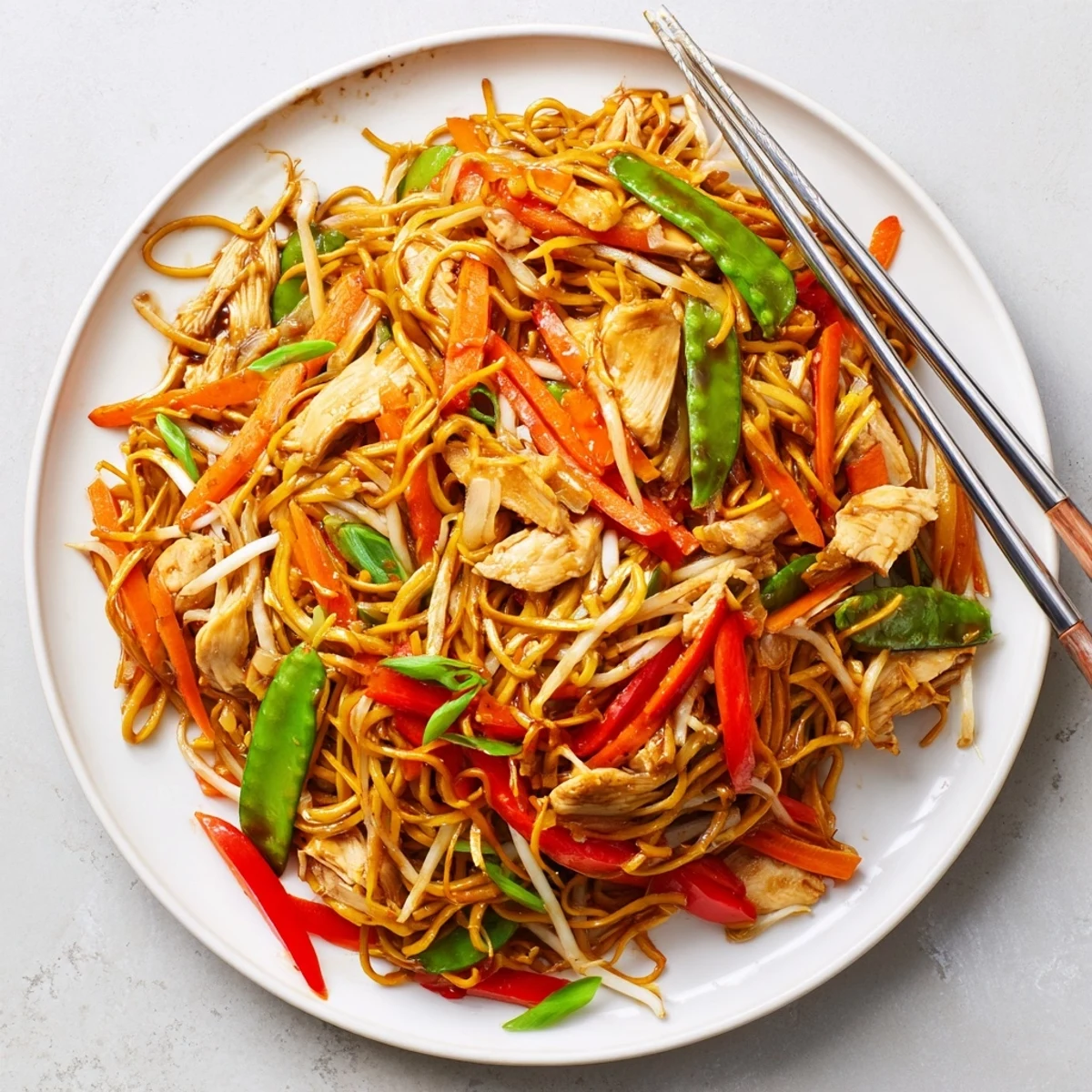
Save Whether you are cooking for a crowd or just treating yourself on a random Tuesday, this chow mein delivers that perfect combination of comfort food satisfaction and fresh vibrant flavors.
Recipe Questions & Answers
- → What's the difference between chow mein and lo mein?
-
Chow mein noodles are stir-fried until slightly crispy, while lo mein noodles are boiled and served with sauce. Chow mein typically uses thinner egg noodles that hold up well to high-heat cooking, whereas lo mein uses thicker noodles meant to absorb the sauce without additional cooking.
- → Can I make this dish ahead of time?
-
The components can be prepped in advance—marinate the chicken overnight, chop vegetables, and mix the sauce. However, for the best texture, cook everything fresh just before serving. Leftovers reheated in a wok over high heat still taste delicious the next day.
- → What vegetables work best in chow mein?
-
Traditional options include bean sprouts, cabbage, carrots, onions, bell peppers, and snow peas. Feel free to add bok choy, mushrooms, broccoli, or snap peas. The key is cutting vegetables into uniform thin pieces so they cook quickly and evenly.
- → How do I prevent the noodles from sticking together?
-
After boiling, rinse noodles thoroughly under cold water to stop cooking and remove excess starch. Toss with a teaspoon of oil immediately. Keep them separate until ready to add to the wok, and use high heat when combining to prevent clumping.
- → Can I use other proteins besides chicken?
-
Absolutely. Shrimp cook in just 2-3 minutes, making them perfect for quick stir-frying. Thinly sliced beef or pork works well—just adjust cooking time accordingly. For a vegetarian version, use firm tofu cubes or increase the variety of vegetables.
- → What if I don't have a wok?
-
A large heavy skillet or frying pan works perfectly. The key is using a pan that conducts heat well and has enough surface area for stir-frying. Cast iron or stainless steel pans are excellent alternatives that maintain high heat effectively.