
 Save
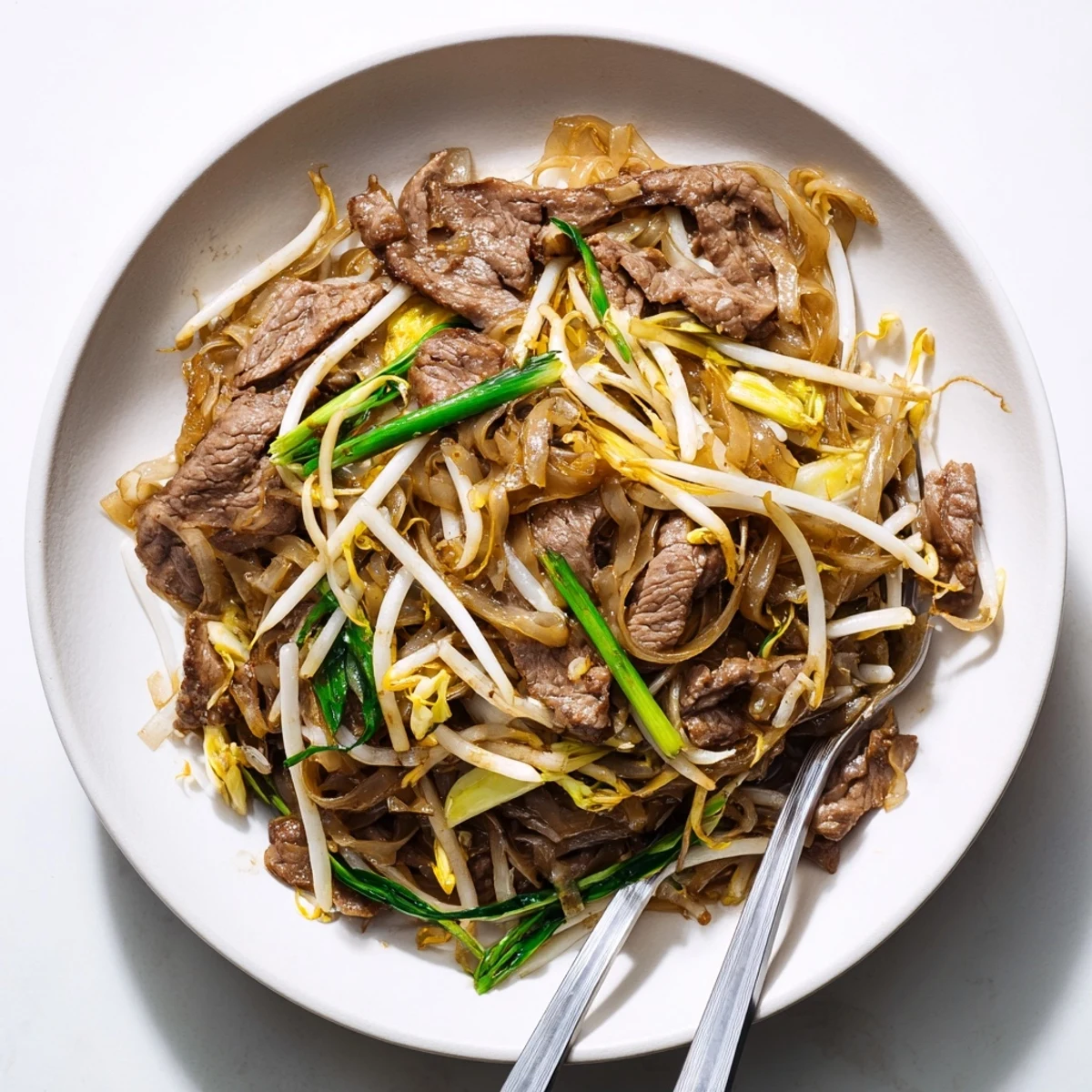
Save This beloved Cantonese noodle dish features tender marinated beef seared to perfection, then combined with silky wide rice noodles in a wok. The noodles develop a slight char while absorbing the savory sauce made from light and dark soy sauces, oyster sauce, and a touch of sugar. Bean sprouts add essential crunch, completing the texture contrast that makes this dish so satisfying. Best prepared over high heat in a wok for that authentic restaurant-quality finish with aromatic smoky notes.
The steam rising from a wok in Hong Kong always stopped me in my tracks. That smoky aroma called wok hei is something I spent years trying to recreate at home. One rainy Tuesday, after dozens of mediocre attempts, I finally nailed the technique with just the right amount of heat and timing. This beef chow fun has been in heavy rotation ever since.
My roommate walked in while I was mid-stir-fry and literally said it smelled like our favorite late-night spot downtown. We stood over the wok eating directly from the pan because nobody had the patience to set the table. Those moments of impatience are usually the sign of a good meal.
Ingredients
- Flank steak: Slice against the grain as thinly as possible for tenderness that practically melts in your mouth
- Fresh wide rice noodles: These are absolutely non-negotiable for the authentic texture and chew that defines this dish
- Bean sprouts: Add them at the very end so they keep their satisfying crunch
- Shaoxing wine: This Chinese cooking wine adds depth that regular cooking wine just cannot replicate
Instructions
- Marinate the beef:
- Combine the sliced beef with soy sauce, cornstarch, Shaoxing wine, and oil in a bowl. Let it sit for 10-15 minutes while you prep everything else.
- Mix the sauce:
- Whisk together light soy sauce, dark soy sauce, oyster sauce, sugar, and water in a small bowl until the sugar dissolves completely.
- Sear the beef:
- Heat 1 tablespoon oil in a wok over high heat until smoking. Sear the beef quickly for 1-2 minutes then remove it immediately.
- Char the noodles:
- Add another tablespoon of oil to the wok and spread out the noodles. Let them sear undisturbed for a full minute to develop those coveted charred spots.
- Bring it all together:
- Pour in the sauce and toss to coat the noodles evenly. Return the beef with the bean sprouts and stir-fry for 1-2 minutes until everything is heated through.
 Save
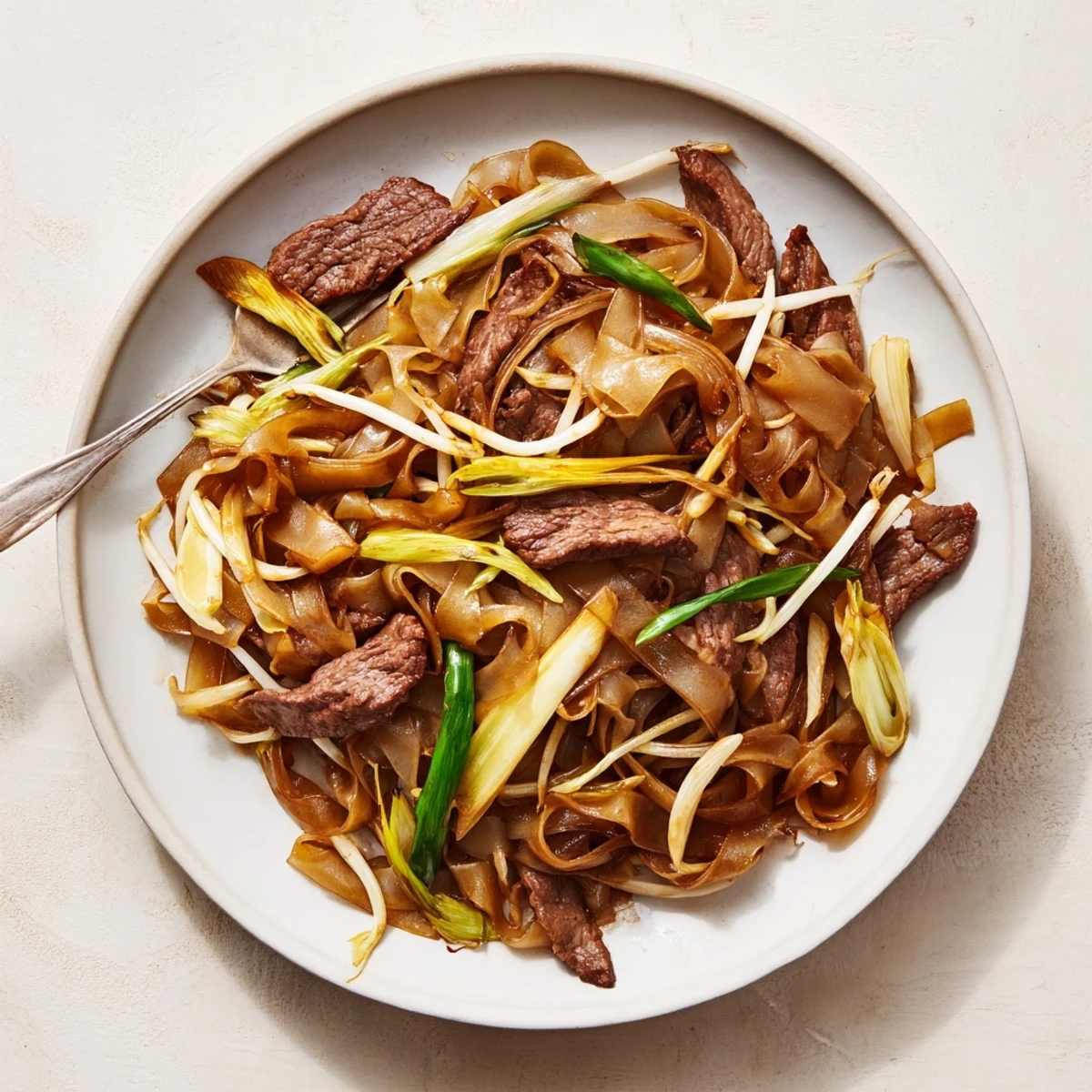
Save This recipe became my go-to for dinner parties after I served it to a group of skeptical friends who claimed they could only get good chow fun at restaurants. Watching them go back for thirds was one of those quiet victories that keep you cooking.
The Art of Wok Hei
That smoky flavor everyone talks about comes from extreme heat and rapid movement in the wok. Home stoves can be challenging but preheating your pan until it is literally smoking hot helps bridge the gap.
Noodle Handling
Fresh rice noodles can stick together stubbornly. Gently separating them before cooking prevents clumping and lets every strand get coated in that savory sauce.
Make It Your Own
Once you have the basic technique down, this recipe welcomes endless variations. The key is keeping your ingredients prepped and your heat high.
- Toss in sliced bell peppers for color and sweetness
- Add a handful of baby bok choy during the final minute
- Drizzle with chili oil at the table for custom heat
 Save
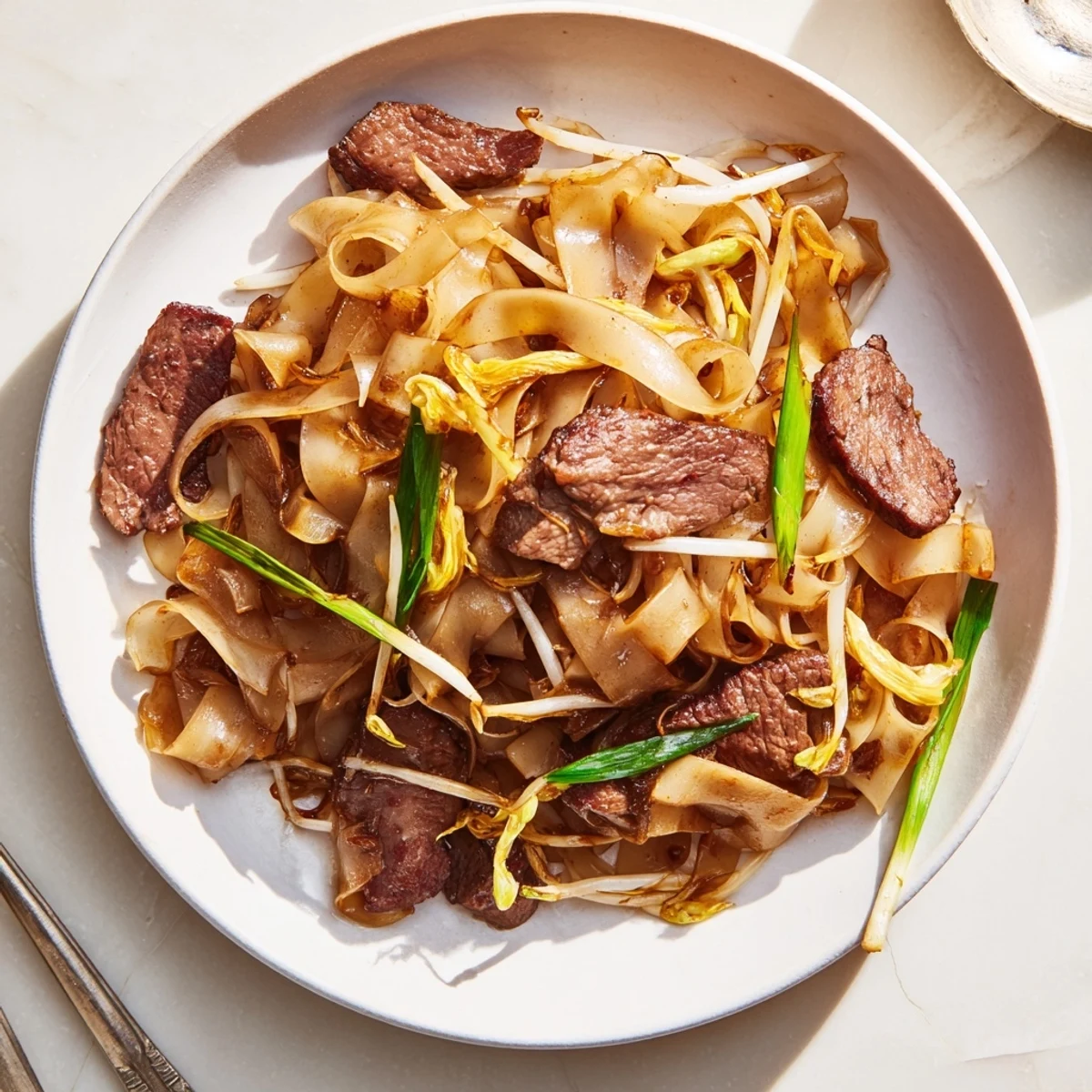
Save There is something deeply satisfying about plating this dish and watching steam curl off the noodles. Now grab your chopsticks and dig in while it is hot.
Recipe Questions & Answers
- → What type of beef works best for chow fun?
-
Flank steak is ideal due to its rich flavor and tenderness when thinly sliced against the grain. Skirt steak or sirloin also work well. The key is slicing paper-thin pieces so they cook quickly and remain tender during the high-heat stir-frying process.
- → Can I use dried rice noodles instead of fresh?
-
Yes, dried wide rice noodles are a suitable alternative. Soak them in warm water for 30-40 minutes until pliable, then drain well before cooking. They may require slightly less stir-frying time than fresh varieties to prevent breaking.
- → How do I prevent rice noodles from sticking together?
-
Gently separate fresh noodles before cooking. If they're cold and stiff, steam or microwave them briefly to soften. During stir-frying, use enough oil and keep the noodles moving with tongs. Don't overcrowd the wok, which causes steaming instead of proper searing.
- → What gives chow fun its distinct smoky flavor?
-
The traditional 'wok hei' comes from cooking over extremely high heat in a well-seasoned wok. Allowing noodles to sear undisturbed for a minute creates caramelization spots. While home stoves may not achieve restaurant-level heat, using a cast-iron wok or skillet helps develop similar charred notes.
- → Is this dish gluten-free?
-
Traditional chow fun contains gluten through soy sauce and oyster sauce. To make it gluten-free, substitute tamari or coconut aminos for soy sauce and use gluten-free oyster sauce. Always verify all sauce labels, as gluten can appear in unexpected places.
- → Can I prepare beef chow fun in advance?
-
For optimal texture and freshness, cook and serve immediately. Noodles tend to clump and lose their signature char when reheated. However, you can prep all ingredients in advance—slice and marinate the beef, whisk the sauce, and slice vegetables—then cook just before serving.