
 Save
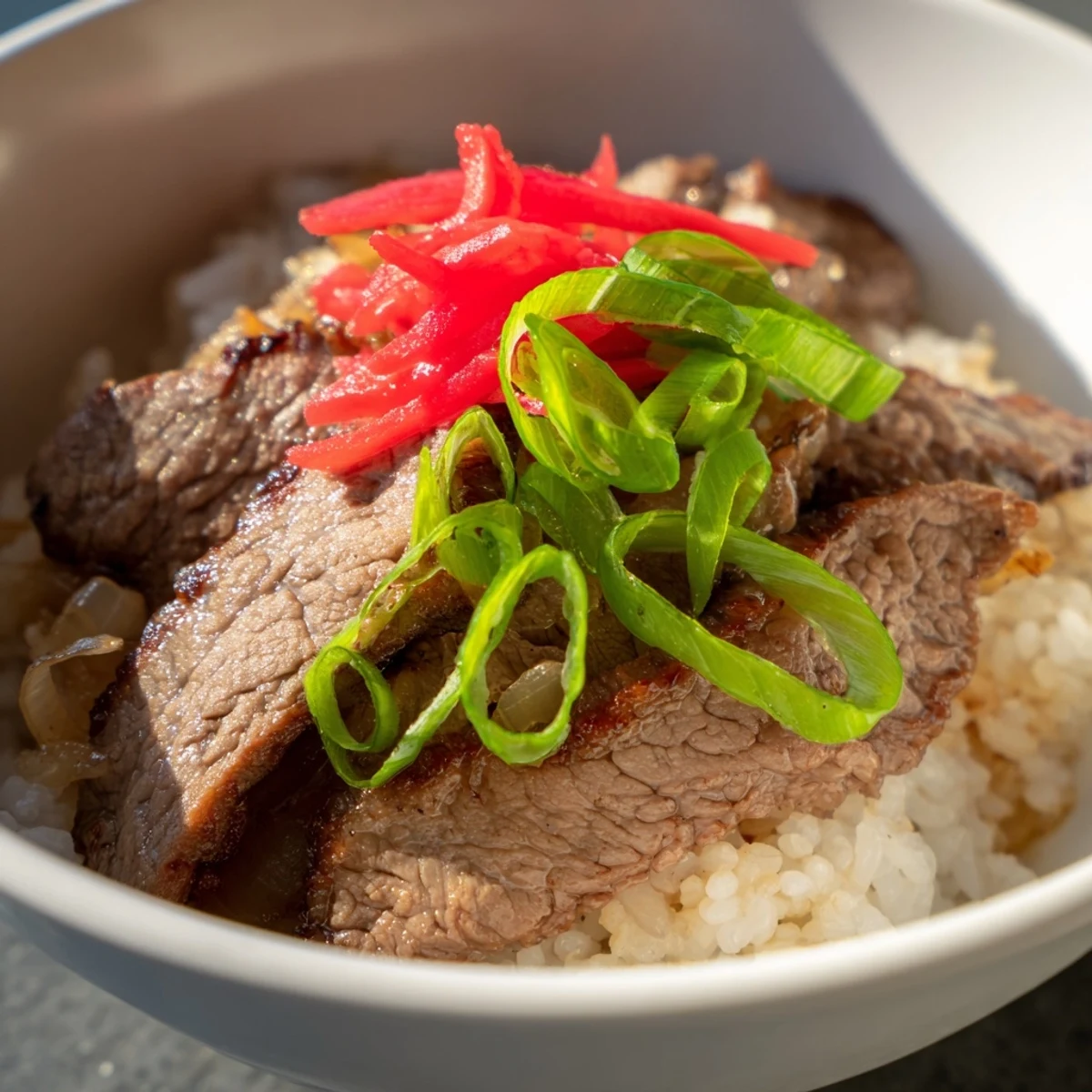
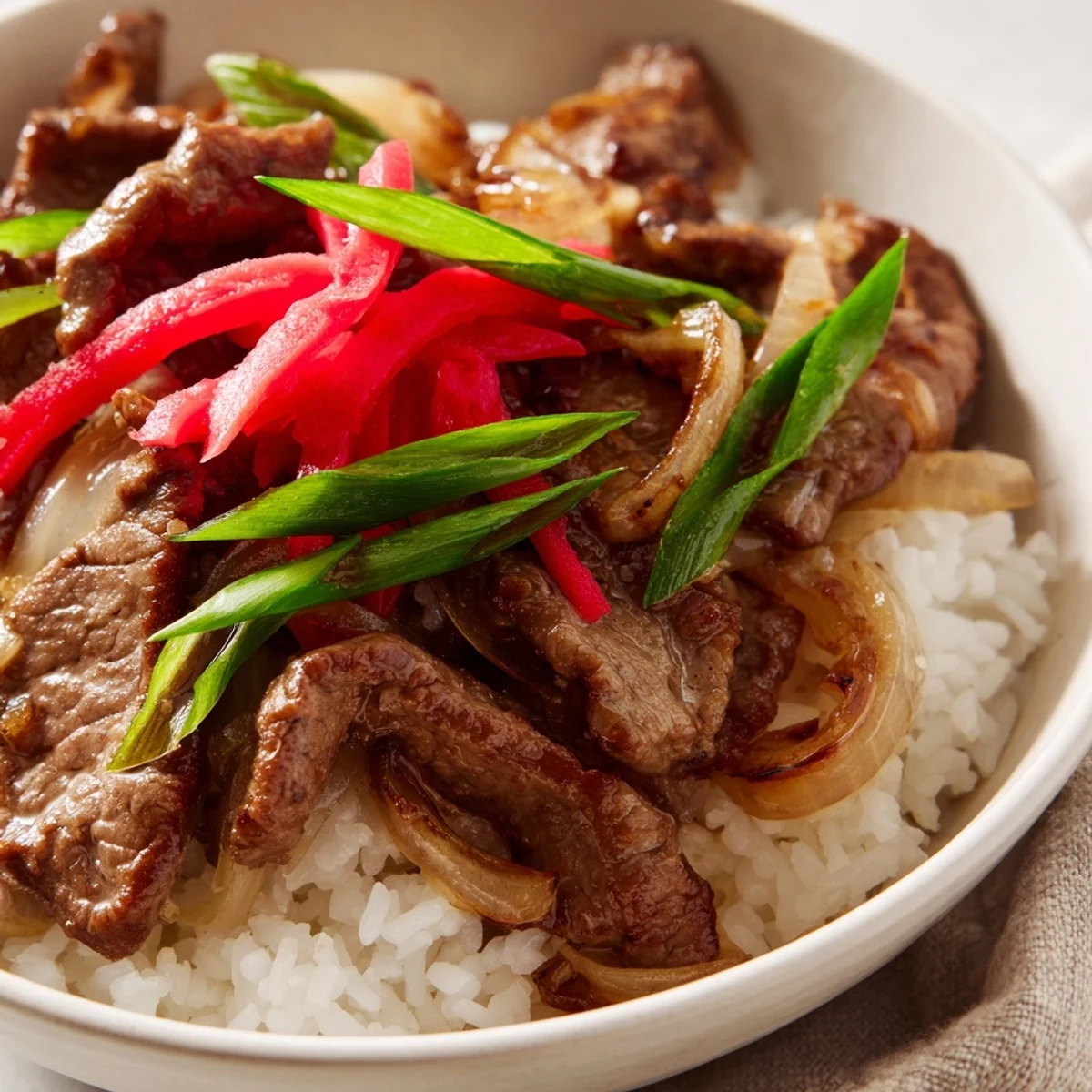
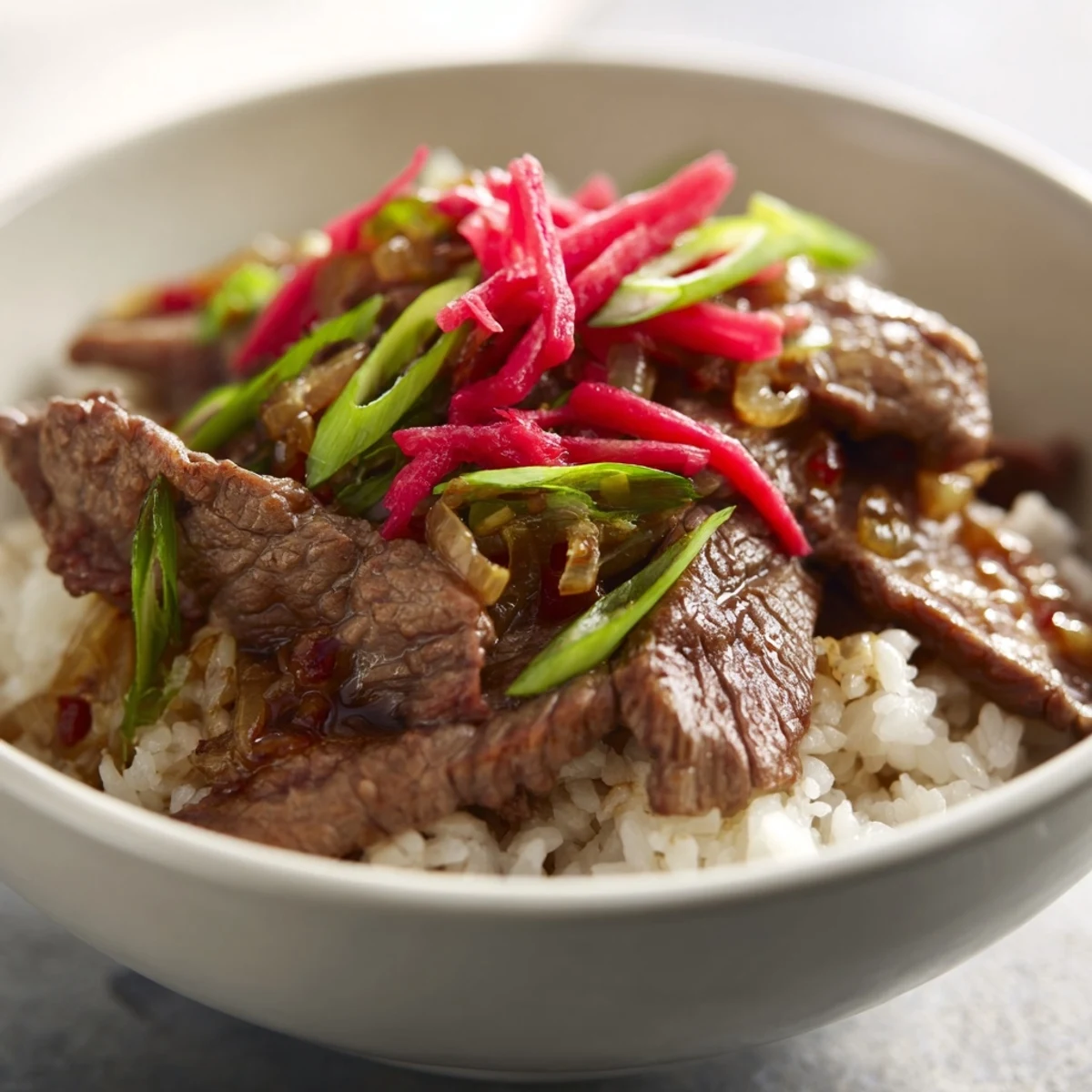
Save This comforting dish features tender thinly sliced beef cooked with sautéed onions in a savory sauce made from dashi, soy sauce, mirin, and sake. Served over steamed short-grain rice, it offers a quick and flavorful meal inspired by Japanese cuisine. Garnished with spring onions and pickled ginger, it brings balance and brightness. Preparations are simple, using common kitchen tools like a skillet and rice cooker, making it easy to enjoy a taste of a traditional favorite.
The first time I made gyudon at home, I was standing in my kitchen on a Tuesday evening with exactly thirty minutes before my roommate got back from work, hungry and expecting dinner. I'd eaten this at a Japanese restaurant once and became obsessed with how the beef turned silky and the sauce clung to each grain of rice, so I decided to recreate it without really knowing what I was doing. That night taught me that some of the most craveable meals don't require hours of fussing or exotic techniques—just good ingredients treated with respect and a little patience while everything comes together.
I made this for friends during a casual dinner at my place, and watching them dig in with that immediate quiet of contentment—before anyone even spoke—told me I'd nailed it. My friend Sarah asked for seconds before finishing her first bowl, and that's when I realized this wasn't just a quick dinner hack anymore; it was something I'd actually want to serve when people mattered.
Ingredients
- Thinly sliced beef sirloin or ribeye (500 g): The thinness is everything here—it means the beef cooks in minutes and soaks up the sauce instead of fighting it.
- Short-grain white rice (2 cups): This type of rice has just enough starch to be slightly sticky, so the sauce clings to it instead of sliding off.
- Dashi stock (1 cup): The umami backbone of the whole dish; if you can't find it, beef broth works but won't have quite the same depth.
- Soy sauce (1/4 cup): Use something you actually like to taste on its own—the quality makes a real difference here.
- Mirin (2 tbsp): This gives the sauce a subtle sweetness that balances the salt without being cloying.
- Sake (2 tbsp): The alcohol cooks off and leaves behind a rounded flavor; skip it only if you absolutely must.
- Sugar (1 tbsp): A small adjustment lever if your sauce tastes too salty or one-note.
- One large onion, thinly sliced: The onions soften into almost jammy sweetness as they cook, which is the gentle counterpoint to the salty sauce.
- Spring onions, finely sliced (2): Fresh and sharp at the end, they're what your palate needs when everything else is rich and warm.
- Pickled ginger (1 tbsp optional): This is the secret weapon—a little brightness that wakes everything up if you want it.
- Vegetable oil (1 tbsp): Just enough to keep things from sticking and to carry the heat properly.
Instructions
- Rinse and start your rice:
- Run cold water over the rice in a fine sieve, swishing it gently with your fingers until the water runs almost clear—this removes excess starch so the rice stays separate. If you have a rice cooker, follow its instructions; otherwise, bring the rice and water to a boil in a saucepan, then cover and reduce to low heat for about fifteen minutes until tender.
- Build your sauce base:
- While the rice is cooking, heat your oil in a large skillet over medium heat until it shimmers slightly. Add the sliced onion and let it soften for a couple of minutes, stirring occasionally so it doesn't brown but gets tender and a little golden at the edges.
- Mix the magic liquid:
- In a small bowl, whisk together the dashi stock, soy sauce, mirin, sake, and sugar until the sugar dissolves completely. Pour this into the pan with the onions and let it come to a gentle simmer—you want little bubbles, not a rolling boil.
- Add and cook the beef:
- Spread the sliced beef out in the pan so it has contact with the sauce, then let it simmer for five to seven minutes, stirring occasionally. You'll see the beef change color and the sauce will smell incredible; if foam rises to the top, skim it off with a spoon.
- Assemble and serve:
- Fluff your cooked rice with a fork and divide it among bowls, then spoon the beef and onion mixture generously over the top, making sure each bowl gets plenty of sauce. Sprinkle with spring onions and a small amount of pickled ginger if you're using it, and serve right away while everything is warm.
 Save
Save There's a moment in cooking this when you're standing there with the steam rising and the smell of soy and sake filling your kitchen, and you realize you've just made something that tastes like care and attention, not like you rushed. That's the moment this dish stops being a recipe and becomes something you want to make again on purpose.
Why This Tastes Like Home
Gyudon exists in Japan because it's meant to be honest and nourishing—beef and rice and the simplest sauce that lets both ingredients shine. What makes it work is restraint; there's nothing here trying to be more than it is, which somehow makes it feel like more. The warmth of it, the way the sauce settles into the rice, the contrast of fresh spring onion at the end—it's all designed to make you feel taken care of.
Making It Your Own
Once you've made this the traditional way, you can play with it gently. A soft poached egg on top turns it into something richer, or a raw egg if you trust your eggs and want authentic oyakodon flavor. A sprinkle of shichimi togarashi brings heat and complexity, and some cooks add a splash of mirin to their rice cooker water for extra tenderness.
Timing and Flow
The beauty of this dish is that almost everything happens simultaneously, so you're not standing around waiting. Get your rice going first, then start your sauce while it cooks, and by the time the beef hits the pan you're only minutes away from eating. The whole kitchen is involved but never chaotic.
- Start the rice immediately so it's done when you need it, not the other way around.
- Keep your ingredients prepped and within arm's reach so you're not scrambling or letting anything cool down while you chop.
- Serve in warm bowls if you can—it keeps everything hot and makes the whole experience feel more intentional.
 Save
Save This is the kind of recipe that becomes a regular in your rotation because it never disappoints and it never feels like work. Make it once and you'll understand why it's been a Japanese staple for generations.
Recipe Questions & Answers
- → What type of beef works best for this dish?
-
Thinly sliced beef sirloin or ribeye is preferred for quick cooking and tenderness.
- → Can I substitute dashi stock in the sauce?
-
Yes, beef or vegetable broth can replace dashi if it's unavailable.
- → How should the rice be prepared?
-
Rinse the short-grain rice until clear, then cook with water in a rice cooker or pot for fluffy results.
- → What garnishes complement this beef bowl?
-
Sliced spring onions and pickled ginger add freshness and a subtle tang to the dish.
- → Is it possible to make the dish gluten-free?
-
Use tamari instead of regular soy sauce to avoid gluten contamination.